
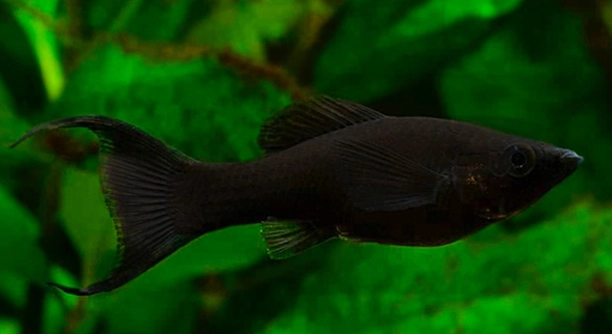
Are your black mollies showing signs of stress that leave you feeling unsure about what is going on in their tank and routine as you try to keep their environment stable and comfortable for them.
Black mollies often become stressed due to poor water quality, abrupt environmental changes, overcrowding, improper diet, insufficient hiding spaces, aggressive tank mates, and inconsistent maintenance routines, creating conditions that disrupt their normal behavior and weaken their overall resilience in captivity.
Learning what causes these reactions will help you understand your fish better and create a calmer space that supports their.
Poor Water Quality
Poor water quality is one of the most common mistakes that can make black mollies feel tense and unwell. When ammonia or nitrite levels rise, their bodies struggle to cope and they start to show signs of distress. I have learned that even small changes in water parameters can affect them more than expected. Regular testing, partial water changes, and stable temperature help keep things steady for them. Many new keepers underestimate how quickly waste builds up in smaller tanks, and the fish end up dealing with harsh conditions without any warning. Clean, balanced water helps their immune system stay strong and supports their natural behavior. When the water is maintained properly, they eat better, swim more confidently, and spend less time hiding from the stress around them. Keeping filters in good shape and avoiding sudden cleaning habits also makes a big difference for their comfort each day helps greatly.
Stable conditions allow black mollies to relax and move in a natural way. When the water stays clean and predictable, they respond with calmer behavior. This simple effort reduces many stress signals and supports better health as they adjust to the environment you create for them each day now consistently.
Making small adjustments over time helps your fish handle their space with more ease. When you stay consistent, the tank becomes a place where they can settle without reacting to constant shifts. This approach builds stability into their routine, which is something they depend on even if they cannot show it clearly. You may notice smoother swimming, stronger appetite, and fewer signs of tension once the conditions level out. These improvements reflect how much they rely on balanced surroundings. Keeping their water reliable is one of the most helpful steps you can take as their keeper each day supports them.
Overcrowding and Space Issues
Limited space creates tension for black mollies as they rely on open areas to swim comfortably. When too many fish share a small tank, they begin competing for room and safety. This constant pressure affects their behavior and makes daily life uncomfortable in ways that show through subtle signs daily.
Giving black mollies enough room is essential for their comfort and well being. When space is limited, they struggle to form calm swimming patterns and often compete with each other for simple needs. I have seen how even peaceful groups can become uneasy when the tank is too crowded or arranged in a way that restricts movement. A larger tank or a less populated setup helps them find their own areas without constant disruptions. Proper spacing also lowers unwanted interactions with territorial species, which can easily overwhelm gentler fish. Rearranging decorations, adding plants, and creating open zones encourages smoother movement and reduces tension. These small shifts help them claim personal areas that feel safe, allowing them to behave naturally. When they are not forced to navigate tight spots every day, their energy levels rise and their colors look brighter. Many keepers overlook how much freedom influences their well being, yet it plays a huge role in keeping them calm. Clear space, restful corners, and steady routines build a healthier environment. Giving them room to move without pressure is one of the most meaningful ways to prevent stress and support their long term stability as they grow and settle with ease.
Aggressive Tank Mates
Aggressive fish create constant tension for black mollies, making it hard for them to rest or move without fear. Repeated chasing or nipping affects their appetite and confidence. Over time, this pressure weakens their health and makes them more reactive to small changes around them.
Choosing peaceful companions helps reduce these issues. Black mollies rely on calm surroundings, and placing them with dominant or territorial species quickly disrupts their behavior. I have seen how even mild harassment keeps them hiding more than swimming. Selecting gentle tank mates prevents this imbalance and lets them move with ease. Providing extra plants and decorations also helps them stay out of harm’s way by giving them quiet spots to retreat to when they need space. These small steps create a calmer setting and lessen unwanted interactions that wear them down.
Once the environment becomes safer, they start showing healthier habits. Their breathing slows, their colors look richer, and they return to exploring instead of staying tucked away. Removing hostile fish or rearranging the tank to break up line of sight helps them feel protected again. Their stress levels drop when they no longer have to respond to constant threats. Creating a peaceful community supports their long term comfort and brings out the gentle nature that black mollies are known for.
Sudden Environmental Changes
Sudden shifts in temperature or lighting make black mollies uneasy, especially when the changes happen without warning. Their bodies need steady surroundings to stay balanced, and abrupt adjustments leave them struggling to adapt. Even small fluctuations can create tension that lingers for longer than expected.
Keeping everything steady helps them feel secure each day. Gradual changes give their bodies time to adjust, whether you are altering temperature, rearranging the tank, or modifying lighting. I have noticed how they swim more smoothly when the environment stays predictable. Slow transitions prevent shock and support a relaxed routine. Being mindful of each adjustment helps them stay stable as they settle into their space with more confidence.
Inconsistent Feeding Habits
Feeding black mollies at irregular times makes them uneasy because they depend on a steady routine. When meals vary too much, they start showing restless behavior. Keeping the same schedule each day helps them feel secure and keeps their energy levels steady.
Overfeeding is another issue that causes stress. Extra food quickly lowers water quality and makes digestion harder for them. Offering small, balanced portions prevents these problems and keeps them active without overwhelming their system. A simple routine supports their comfort and overall well being.
Lack of Hiding Spaces
Black mollies need quiet spots where they can retreat when they feel uneasy. Without plants, caves, or decor to shelter them, they stay exposed and alert for too long. Adding a few shaded areas helps them rest, settle, and move more confidently around their environment.
Improper Tank Setup
A poorly arranged tank affects how black mollies behave throughout the day. Simple adjustments to layout, filtration, and lighting help them feel grounded and reduce stress linked to unstable surroundings.
FAQ
Why do black mollies hide so often?
Black mollies hide when they feel unsafe, overwhelmed, or unsure of their surroundings. Poor water conditions, sudden changes, overcrowding, or aggressive tank mates make them retreat more than usual. When they have proper hiding spots, steady routines, and calm companions, they become more confident and spend more time exploring the tank. Hiding can also be a response to harsh lighting or a new environment. Giving them time to adjust and making gentle improvements helps them feel more at ease and reduces the need to stay hidden for long periods.
Why are my black mollies breathing fast?
Rapid breathing usually means something in the environment is making them uncomfortable. Poor water quality is the most common cause, especially when ammonia or nitrite levels rise. Low oxygen, high temperatures, or sudden shifts in conditions also contribute to this behavior. Fast breathing is a sign they are working harder than normal to stay balanced. Improving aeration, keeping the water clean, and stabilizing their surroundings help them slow down their breathing. Once they feel more secure, you will notice their rhythm returning to normal.
Why do black mollies lose color when stressed?
Color fading often happens when they are placed under constant pressure. Stress affects their immune system and disrupts their natural pigments. Sudden temperature changes, rough tank mates, or unstable parameters make this issue more noticeable. A calm and steady environment helps their colors return with time. Proper nutrition also plays a role in bringing back their natural brightness. When things level out, they show richer tones and behave more comfortably.
Can black mollies get stressed from too much noise?
Loud environments can cause tension for them because strong vibrations travel easily through water. Heavy noise from nearby speakers, slamming doors, or tapping on the glass makes them feel unsettled. Keeping the tank in a quiet spot and avoiding sudden disturbances helps them stay relaxed. While they do not hear like humans, they sense movement and vibrations, and reducing these keeps their environment gentler. Over time, they grow more at ease and respond with calmer swimming patterns.
Do black mollies react to sudden lighting changes?
Sharp changes in lighting leave them startled and unsure of their surroundings. Bright lights switching on too suddenly or lights turning off without transition disrupt their behavior. Gradual lighting helps them adjust without panic. Softening the light with plants or dimmers makes their day and night cycle smoother. When lighting becomes predictable, they show steadier habits and spend less time reacting to discomfort.
Is it normal for black mollies to stop eating when stressed?
Loss of appetite happens frequently when they feel overwhelmed. They may stop eating due to poor conditions, constant harassment from tank mates, or sudden shifts in temperature. Skipping meals becomes their way of coping with discomfort. Once the stressor is removed, their appetite usually returns. Keeping a calm, clean, and steady environment encourages them to eat on schedule again. Balanced portions also help them recover their strength.
Why do black mollies shake or twitch?
Shaking or twitching often shows that something in the tank is causing discomfort. Poor water quality, parasites, or quick fluctuations in temperature can lead to this behavior. Testing the water and observing for other symptoms helps you determine the cause. Gentle corrections and stable routines support their recovery. When the environment becomes predictable, these reactions typically fade.
Can stress make black mollies fight each other?
Stressful conditions raise tension within the group and can spark unwanted behavior. Limited space, lack of hiding spots, or unstable surroundings make them more reactive. Even peaceful fish may nip or chase under these circumstances. Improving layout and maintaining steady conditions help them calm down. When their space feels reliable, they interact more gently and return to their natural temperament.
Final Thoughts
Caring for black mollies becomes much easier when you understand how each part of their environment shapes their behavior. Stress in these fish often starts with simple issues that build up over time. When water parameters shift too quickly or the tank becomes crowded, they feel the strain right away. Their behavior changes in small ways at first, then becomes more noticeable as the pressure grows. When I look back at moments when my own fish seemed uneasy, it was usually because something in their surroundings had been neglected without me realizing it. Creating a steady routine helps them feel grounded. This includes regular maintenance, predictable feeding, and a calm space that does not overwhelm them with noise or activity. Each small step you take supports their ability to thrive. Watching their colors brighten and their movements become smoother is a reminder of how much these efforts matter for their overall comfort.
It also helps to remember that black mollies are sensitive to deeper shifts in their environment. Even small changes in lighting or temperature can make them act differently. Giving them time to adjust to new conditions keeps them from feeling startled or unprepared. When I started introducing changes slowly, the difference in their behavior became clear. They moved with more confidence and reacted with less tension. Keeping the tank peaceful by choosing gentle companions also plays a big role in their stability. Aggressive fish create unnecessary pressure that wears them down. Providing hiding spaces lets them rest and regain a sense of security when they need a quiet moment. These simple additions help them feel more at home. When their surroundings feel supportive, their natural personality becomes more visible. They glide through the tank with ease and show curiosity that only appears when they feel protected.
Maintaining their environment may feel like a lot at first, but it soon becomes a routine that brings comfort to both you and your fish. With each improvement, you begin to understand how they respond to even the slightest changes. This awareness makes it easier to keep them healthy in the long run. Clean water, steady conditions, and gentle interactions create a peaceful space where they can live without constant tension. Over time, these habits lead to fewer issues and a more dependable rhythm in the tank. As you watch them grow more relaxed, you will see how much stability influences their well being. With patience and consistent care, black mollies settle into their environment and flourish in a way that reflects the thoughtful effort you put into their space.

Hello,
If you enjoy the content that we create, please consider saying a "Thank You!" by leaving a tip.
Every little bit helps us continue crafting quality advice that supports the health, happiness, and well-being of pets around the world, for pets of all shapes, sizes, and species.
We really appreciate the kindness and support that you show us!