
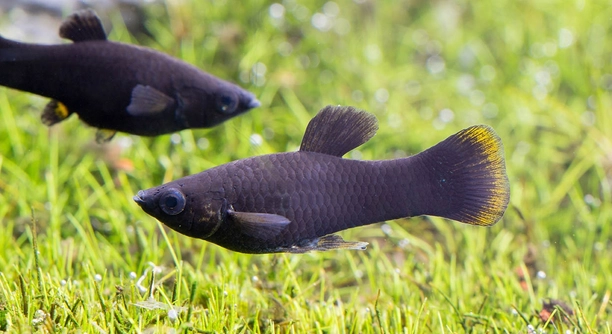
Do you ever notice your black molly swimming away from things in its tank without any clear reason? Sometimes these small fish react to objects that might seem completely ordinary to us. Observing them carefully can reveal surprising behaviors.
Black mollies are often distracted by reflective surfaces, bright colors, unusual shapes, floating debris, strong scents, sudden movements, and unfamiliar objects. Each of these items can capture their attention and alter their normal swimming patterns, influencing feeding and social behaviors.
Learning what catches your black molly’s attention can help you create a calmer and more predictable environment in your aquarium. It also ensures they feel safe while exploring their surroundings.
Reflective Surfaces
Black mollies are easily drawn to reflective surfaces in their tank. Mirrors, shiny decorations, or even the glass itself can create reflections that confuse or intrigue them. They may swim back and forth, appearing to chase their own image or investigate it. This behavior is often more pronounced in smaller tanks where reflections are unavoidable. Bright lighting can make reflections stronger, increasing the fish’s response. Some mollies may become stressed if they perceive these reflections as other fish intruding on their space. Over time, they can either learn to ignore these reflections or remain easily distracted, depending on their personality. Even subtle changes in tank layout can alter how much attention they pay to reflective surfaces. Keeping surfaces clean and considering matte decorations can help reduce unnecessary stimulation, allowing your mollies to focus on swimming and feeding naturally.
Reflections can be distracting but are usually harmless if the fish has enough space to swim freely.
Reducing reflective stimuli can improve your black molly’s overall comfort in the tank. Matte decorations and careful placement of glass or shiny objects prevent constant visual triggers. Regular observation allows you to notice patterns in behavior. Some mollies adapt quickly, while others may remain nervous around reflections. Adjusting lighting levels also minimizes sudden flashes that can startle fish. Providing hiding spots gives them areas to retreat, reducing stress caused by reflections. By understanding how reflective surfaces impact behavior, you can create a calmer environment and support healthy activity levels. These changes help your mollies swim confidently and interact naturally with their surroundings, which is key for maintaining a balanced aquarium.
Floating Debris
Floating debris often captures a black molly’s attention immediately. Small particles like plant matter or uneaten food drift in the water, moving unpredictably.
Even minimal debris can shift a molly’s swimming patterns and delay feeding behaviors.
Keeping the tank clean and removing excess debris allows black mollies to focus on normal swimming and feeding. Regular skimming and water changes reduce the amount of floating material. Mollies may initially investigate new particles out of curiosity, swimming in circles or darting toward objects. They often react to movement caused by water currents or the drifting of plant leaves. Over time, they may ignore harmless particles, but sudden introductions can still startle them. Understanding this behavior helps maintain a tidy environment that encourages healthy activity. Proper filtration, gentle water flow, and timely removal of leftover food not only keep the tank visually appealing but also reduce distractions. A cleaner tank supports better health, encourages natural foraging behaviors, and minimizes unnecessary stress caused by persistent floating debris, ensuring your mollies feel secure in their environment.
Bright Colors
Black mollies are quickly drawn to bright colors in their tank. Decorations, plants, or toys in red, orange, or yellow often capture their attention immediately.
Bright colors stimulate black mollies’ curiosity and can change how they explore their environment. They often swim closer to objects with strong hues, inspecting shapes and movements. Over time, repeated exposure may reduce their reaction, but new colorful additions continue to attract attention. Brightly colored food or floating items can also create short bursts of excitement, influencing feeding behavior. Choosing more muted tones for decorations or spreading bright elements evenly helps mollies remain calm while still exploring. Observing how your fish react to colors can guide better placement of items in the tank, keeping the environment engaging without causing stress.
Balancing vibrant and neutral elements in the tank ensures your mollies remain active without constant distraction from strong colors.
Even subtle differences in color shades can affect mollies differently. Some respond to deep blues while ignoring soft greens. Placement near their swimming paths increases interaction, while clustering bright items in one area prevents constant visual overload. Providing both bright and muted zones allows fish to choose where to focus attention, creating a more controlled environment. Over time, you may notice preferences, such as certain fish consistently exploring red or orange decorations. These observations can inform future tank additions, helping maintain their interest without overwhelming them. Adjusting color balance carefully ensures black mollies feel secure and engaged in their habitat, promoting natural behaviors and reducing unnecessary stress.
Unfamiliar Objects
Introducing unfamiliar objects often causes black mollies to pause and investigate immediately. They are naturally cautious when something new appears in their tank.
Even minor changes, like a new plant, ornament, or filter attachment, can shift swimming patterns and grab attention. Black mollies may circle, dart, or hover near the object to assess potential threats. Repeated exposure gradually reduces their response, but constant changes maintain heightened alertness. Sudden placement of items in busy areas can startle them, while gradual introduction allows safer exploration. Observing reactions provides insight into their comfort level, helping create a stable environment that still encourages curiosity. Proper placement and spacing of new objects minimizes stress and ensures fish feel secure while investigating.
Familiarity develops slowly, and careful management of new items keeps black mollies relaxed while still allowing them to explore and interact naturally.
Unfamiliar objects not only distract mollies but also provide mental stimulation if introduced thoughtfully. Gradually integrating new items, rather than sudden placement, helps reduce stress and supports natural exploration. Pairing unfamiliar objects with hiding spots allows fish to retreat if they feel threatened, balancing curiosity with security. Some mollies may investigate immediately, while others approach cautiously, showing a wide range of behavioral responses. By spacing new items and varying shapes, you can observe preferences and tendencies. Maintaining consistency in other areas, such as water flow and feeding routines, further reduces overall distraction. Thoughtful introduction of objects enriches the environment while keeping black mollies confident, active, and engaged without overwhelming their senses.
Sudden Movements
Black mollies are highly sensitive to sudden movements near their tank. Quick hand gestures or tapping on the glass often startle them and interrupt their normal swimming patterns.
Even small disturbances, like shifting decorations or abrupt water splashes, can trigger brief bursts of frantic swimming.
Strong Scents
Black mollies respond strongly to unusual or strong scents in the water. Chemicals from cleaners, perfumes, or scented foods can make them wary and cautious.
Scent changes affect feeding and social behavior. Mollies may avoid areas with strong odors or swim erratically. Maintaining a neutral water environment ensures consistent activity and reduces stress, allowing them to explore and interact normally without distractions.
Unfamiliar Shapes
Unexpected shapes in the tank immediately capture black mollies’ attention. Angular or oddly formed objects often provoke circling, hovering, or investigative swimming as they assess the new presence.
Even minor additions, like uniquely shaped rocks or decorations, can shift swimming patterns and cause temporary distraction. Observing reactions helps determine which shapes are more disruptive and how to place items to balance curiosity with comfort.
Floating Food
Floating food quickly draws black mollies’ focus and can disrupt regular swimming.
They often cluster near the surface, chasing or nibbling at particles, temporarily ignoring other activities or tankmates.
What items most commonly distract black mollies?
Black mollies are often distracted by reflective surfaces, bright colors, floating debris, unfamiliar objects, sudden movements, strong scents, and floating food. Each of these can change their swimming patterns or delay feeding. Reflective surfaces in particular can make them react as if another fish is present. Brightly colored decorations and toys also attract attention, while floating debris and food create temporary bursts of activity. Unfamiliar shapes or objects trigger cautious investigation, and sudden movements outside the tank may startle them. Strong odors from cleaners, perfumes, or scented foods can make mollies wary of certain areas. Understanding these items allows you to manage their environment effectively and reduce stress while maintaining a natural level of curiosity.
How can I reduce distractions in my tank?
To reduce distractions, focus on maintaining a calm, consistent environment. Removing shiny or reflective objects can help, and choosing muted-colored decorations reduces constant visual stimulation. Keep the tank clean and remove floating debris or leftover food quickly. Introduce new objects gradually, spacing them out to prevent overwhelming the fish. Avoid sudden movements near the tank, and maintain stable water conditions without strong odors. Providing hiding spots, plants, or calm areas allows mollies to retreat when they feel stressed. Regular observation helps identify specific triggers and adjust the tank setup accordingly. Minimizing sudden changes and keeping the environment predictable allows black mollies to swim, feed, and interact naturally without unnecessary distractions.
Do black mollies eventually ignore distractions?
Some black mollies adapt over time, especially with repeated exposure to the same stimuli. They may become less reactive to reflective surfaces, familiar decorations, or certain colors after a period of adjustment. However, new objects or unexpected changes can still capture their attention. Individual personalities play a role, as some mollies are naturally more cautious or curious than others. Even minor changes, like adjusting lighting or rearranging plants, can reset their attention temporarily. Patience and consistency in managing the tank environment help mollies become more confident while allowing them to maintain natural exploration behaviors.
Are distractions harmful to black mollies?
Distractions are usually not directly harmful, but constant overstimulation can increase stress and interfere with feeding or resting. Prolonged exposure to strong visual or scent stimuli may lead to erratic swimming or avoidance behavior. Stress can affect immunity and overall health, making mollies more susceptible to illness. Balancing interesting items with calm areas and ensuring stable water parameters reduces negative impacts. Occasional distractions can actually provide mental stimulation, but excessive or sudden changes should be minimized. Observing how mollies respond allows you to fine-tune their environment, ensuring both enrichment and safety.
Can black mollies coexist with other fish despite distractions?
Yes, black mollies can coexist with other fish, but distractions may affect interactions. Curiosity about tankmates or reflective surfaces can temporarily alter social behavior. Mollies may chase or avoid other fish depending on stimuli in the tank. Careful placement of decorations, hiding spots, and feeding routines reduces conflicts and distractions. Ensuring adequate space, stable water conditions, and predictable daily care helps mollies maintain social harmony. Observing their reactions to both objects and other fish is essential to managing a balanced aquarium. Properly designed environments allow mollies to interact normally without constant overstimulation from external distractions.
How do I introduce new objects without overstimulating my mollies?
Introduce new items slowly and in small increments. Place decorations or plants in less central areas first to allow gradual exploration. Observe reactions over hours or days, removing objects if stress behaviors appear. Vary shapes and colors gradually rather than adding multiple items at once. Pairing new objects with familiar hiding spots gives mollies a safe retreat. Avoid sudden lighting changes or abrupt placement near swimming paths. Consistent water parameters and a calm environment enhance adaptation. Gradual introduction allows mollies to investigate at their own pace, reducing stress while maintaining curiosity.
What role does tank cleanliness play in minimizing distractions?
Clean tanks minimize visual and olfactory distractions. Floating debris, leftover food, and algae can constantly attract attention, altering swimming patterns and feeding behavior. Regular water changes, skimming, and filter maintenance prevent buildup that triggers erratic responses. Clean surfaces reduce reflections, and consistent maintenance ensures water chemistry stays stable. A tidy environment supports calmer, more predictable behavior. Proper cleanliness reduces stress while still allowing mollies to explore naturally, improving overall health and activity levels.
Can I use enrichment without overstimulating black mollies?
Yes, enrichment is beneficial if managed carefully. Rotate objects, provide plants, or introduce floating items occasionally to maintain curiosity. Ensure there are calm zones and hiding spots to retreat from overstimulation. Observe individual reactions to different enrichment types. Balance engaging features with stability, avoiding excessive changes at once. Controlled enrichment encourages natural behaviors like foraging and exploration while keeping stress levels low. Over time, mollies can enjoy mental stimulation without being constantly distracted, resulting in healthier, more active fish.
How do lighting and reflections affect black mollies?
Lighting and reflections strongly influence mollies’ behavior. Bright lights can intensify reflections on the glass, causing repeated investigation or stress. Sudden changes in lighting may startle them or alter swimming patterns. Matte decorations reduce reflective surfaces, and stable light schedules minimize unexpected visual stimuli. Adjusting placement of lights and shiny objects helps mollies feel secure while exploring. Observing reactions to different lighting levels provides insight into their preferences and comfort, allowing for a calm, predictable tank environment.
What is the best approach to long-term management of distractions?
Long-term management combines consistent care, careful placement of objects, and gradual introduction of new items. Maintain a clean tank with neutral scents, stable lighting, and predictable feeding routines. Provide calm areas and hiding spots while balancing occasional enrichment. Observe individual fish responses to adjust as needed. Over time, mollies learn to navigate their environment confidently, responding appropriately to stimuli without constant overstimulation. This approach supports healthy behaviors, reduces stress, and encourages natural exploration, allowing black mollies to thrive in a balanced aquarium.
Black mollies are naturally curious fish, and their environment plays a big role in how they behave. Small details in the tank, like reflective surfaces, bright colors, or floating debris, can capture their attention in ways we might not expect. Even things we consider harmless, such as a new decoration or a sudden movement outside the tank, can cause them to pause, dart, or circle as they assess their surroundings. Understanding what distracts them helps us create a more stable and comfortable space, allowing them to swim confidently and explore at their own pace. Observing their reactions over time reveals patterns in their behavior, showing which items they find engaging and which may be causing stress.
Managing distractions doesn’t mean removing all interesting features from the tank. In fact, certain objects and subtle changes can provide mental stimulation, keeping black mollies active and engaged. The key is balance: giving them opportunities to explore without overwhelming them. Rotating decorations, spacing out objects, and keeping water clean and odor-free are simple ways to maintain a calm environment. Providing hiding spots or areas of lower activity also allows them to rest or retreat if they feel startled. Over time, they become more familiar with their surroundings and better able to handle new stimuli without becoming overly stressed. Careful attention to these factors ensures that mollies remain healthy, active, and confident, while still retaining the curiosity that makes them so interesting to watch.
Creating a tank environment that respects both the natural instincts of black mollies and their need for stability is essential for long-term care. Consistent feeding routines, gentle lighting, and careful placement of decorations reduce unnecessary distractions while encouraging normal behavior. Observing individual personalities helps tailor the setup, as some fish are naturally more cautious, while others are bolder and more exploratory. Small adjustments, like removing reflective surfaces or gradually introducing new objects, can make a noticeable difference in their comfort levels. By keeping the environment predictable yet slightly stimulating, we support both the physical and mental well-being of black mollies. A thoughtfully arranged tank not only minimizes stress but also allows these lively fish to interact naturally, swim freely, and display their unique behaviors in a safe and engaging habitat.

Hello,
If you enjoy the content that we create, please consider saying a "Thank You!" by leaving a tip.
Every little bit helps us continue crafting quality advice that supports the health, happiness, and well-being of pets around the world, for pets of all shapes, sizes, and species.
We really appreciate the kindness and support that you show us!