
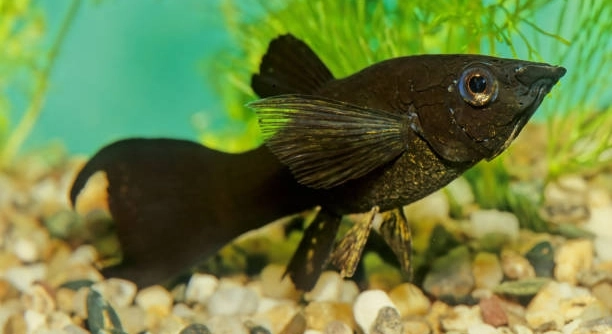
Black Mollies are popular aquarium fish known for their striking appearance and active nature. However, many owners face challenges when these fish start showing aggression, which can disrupt tank harmony and affect their overall wellbeing.
Aggression in Black Mollies often stems from overcrowding, lack of hiding spaces, and unbalanced diet. Addressing these factors by providing sufficient space, proper tank mates, and a nutritious feeding routine significantly reduces fighting, promoting a calmer and healthier aquarium environment.
Learning how to manage these behaviors will help maintain a peaceful tank and ensure your Black Mollies thrive together.
Understanding Tank Space and Population
Black Mollies need sufficient space to swim freely and establish territories. Overcrowding increases stress and triggers aggression, especially among males. A tank that is too small or densely populated will lead to frequent chasing, nipping, and dominance fights. Providing at least a 20-gallon tank for a small group helps reduce tension and allows each fish to develop its own space. Using live plants, rocks, and other structures also creates hiding spots that mollies can retreat to, further minimizing conflicts. Regular monitoring of population and behavior ensures that aggressive individuals can be identified early, preventing injuries. Adjusting tank layout or separating aggressive fish can be effective. Proper space management not only lowers stress but also supports natural behaviors like schooling and exploring. Mollies thrive in environments that balance social interaction with personal territory. Keeping these factors in mind is essential for a calm, healthy aquarium.
Careful attention to tank size and population prevents fights and supports healthy fish behavior.
Proper tank planning reduces aggression, improves fish health, and encourages peaceful cohabitation, ensuring your Black Mollies are active and content.
Feeding Habits That Reduce Aggression
Ensuring a balanced diet is essential for minimizing fighting among Black Mollies. Overfeeding or inconsistent feeding schedules can increase competition and aggression, as fish may become territorial over food sources. Feeding small amounts multiple times a day is more effective than a single large feeding. A mix of high-quality flake food, frozen vegetables, and occasional protein sources like brine shrimp provides proper nutrition. Avoiding low-quality or nutrient-poor food prevents irritability and unhealthy growth. Observing feeding behavior helps identify dominant fish and ensures timid individuals receive enough food. In some cases, using feeding rings or spreading food across the tank distributes access evenly, reducing conflict. A structured feeding routine supports calmer behavior, strengthens health, and improves the overall harmony of the aquarium.
Balanced nutrition keeps Black Mollies calm and healthy while minimizing competition during mealtime.
Feeding practices have a direct impact on aggression. Providing varied, high-quality food in proper amounts reduces stress and ensures all fish thrive, creating a peaceful tank environment that encourages natural behavior.
Separating Aggressive Fish
Separating overly aggressive Black Mollies prevents injuries and allows calmer fish to thrive. Identifying dominant fish early helps maintain peace in the tank and reduces stress for everyone.
Creating a separate quarantine or holding tank for aggressive individuals is effective. This tank should replicate the main aquarium’s conditions, including temperature, filtration, and hiding spaces. Observe the aggressive fish for a few days to ensure it remains healthy and does not injure itself. Over time, you can decide whether to reintroduce it gradually or keep it separate permanently. Temporary separation often calms tension, allowing other mollies to establish a stable hierarchy and feel secure.
Using dividers inside the main tank can also be effective. Transparent partitions allow fish to see each other without physical contact, which reduces stress and maintains social interaction. This method is especially useful when space is limited, as it avoids permanent relocation. Careful observation ensures all mollies remain healthy, minimizing long-term aggression issues and improving overall tank harmony.
Maintaining Water Quality
Consistent water quality reduces stress that often leads to fights. Frequent testing and regular partial water changes are essential to keep ammonia, nitrite, and nitrate at safe levels.
Temperature, pH, and hardness should be stable to prevent sudden environmental stress. Installing a reliable filter and cleaning it regularly maintains oxygenation and removes debris. Avoid overcrowding and remove uneaten food to prevent water contamination. Monitoring water parameters daily helps catch issues before they trigger aggression.
High-quality filtration and consistent maintenance support a calm environment. Black Mollies are sensitive to poor water conditions, which can make them irritable and more prone to fighting. Keeping the tank clean and stable promotes natural behaviors, reduces disease risks, and ensures all fish share a peaceful habitat. Observing fish responses after water changes or adjustments helps fine-tune care routines for optimal health and reduced aggression.
Introducing Plants and Hiding Spots
Adding live plants and decorations gives Black Mollies spaces to hide, reducing stress and fights. Dense foliage allows timid fish to escape dominant individuals and feel secure.
Rocks, caves, and other structures break lines of sight and provide personal territories. This helps mollies establish boundaries and reduces constant chasing.
Monitoring Male-to-Female Ratio
Maintaining more females than males minimizes competition. A ratio of two or three females per male lowers aggression and prevents excessive harassment of single females.
Adjusting Lighting and Environment
Consistent lighting supports natural rhythms and reduces stress. Avoid sudden changes that can startle fish, triggering aggressive behavior. Proper light duration and placement maintain a calm and predictable environment for Black Mollies.
Recognizing Signs of Stress
Watching for torn fins, hiding, or rapid swimming helps identify stressed fish early. Addressing these signs prevents injuries and improves tank harmony.
FAQ
How can I tell if my Black Molly is aggressive?
Aggressive Black Mollies often chase or nip at other fish, display flared fins, and stake out certain areas of the tank as their territory. Dominant males may constantly pursue females, while timid fish hide more than usual. Observing daily interactions helps identify aggressive behavior early.
Can overcrowding cause fighting among Black Mollies?
Yes, overcrowding increases stress and competition for space. A cramped tank leaves little room for fish to establish territories or retreat, leading to constant chasing and nipping. Ensuring enough space per fish and maintaining an appropriate male-to-female ratio helps reduce aggression significantly.
Does diet influence fighting behavior?
Nutrition plays a role in fish behavior. Poor or irregular feeding can make mollies more competitive and territorial. Providing a balanced diet, including high-quality flake food, vegetables, and occasional protein, keeps mollies healthy and reduces stress-related aggression during mealtime.
Should I separate aggressive individuals?
Separating aggressive fish can prevent injuries and restore peace. Temporary or permanent separation allows other fish to establish a stable hierarchy. Using dividers within the tank or a separate holding tank is effective without permanently isolating the fish from visual contact with the group.
Do hiding spots really help reduce fighting?
Yes, hiding spots like plants, rocks, and caves give fish a sense of security. Timid mollies can retreat when chased, which lowers tension. These structures also break the line of sight, preventing constant territorial disputes and encouraging calmer interactions among all fish.
How important is water quality in preventing aggression?
Water quality is critical. Poor water conditions stress fish, increasing irritability and aggression. Regular testing of ammonia, nitrite, and nitrate levels, consistent temperature, and proper filtration maintain a stable environment that promotes calm behavior and reduces the likelihood of fights.
Will adjusting the male-to-female ratio help?
Yes, keeping more females than males helps reduce competition. A typical ratio is at least two females per male. This prevents a single female from being constantly harassed and reduces overall tension within the tank, promoting a more harmonious social structure.
Does lighting affect Black Molly behavior?
Lighting plays a role in fish stress levels. Sudden changes or excessively bright lighting can startle mollies and trigger aggressive responses. Consistent, moderate lighting that mimics a natural day-night cycle supports calm behavior and helps maintain predictable daily routines.
Can I reintroduce aggressive fish after separating them?
Yes, reintroduction is possible if done carefully. Gradually acclimate the fish by using dividers or slowly introducing them back into the main tank. Monitor interactions closely, as some aggressive fish may need permanent separation to prevent further conflicts.
How do I know when fighting has become dangerous?
Dangerous fighting involves repeated chasing, torn fins, visible injuries, or extreme hiding behavior. If aggressive behavior persists despite environmental adjustments, intervention is necessary, either through separation or rebalancing the tank’s population and layout.
Is tank size a major factor in aggression?
Tank size directly affects fish behavior. Smaller tanks amplify territorial disputes and stress, leading to fights. Larger tanks give mollies room to swim freely, establish territories, and avoid constant confrontation. Ensuring sufficient space is one of the most effective ways to minimize aggression.
Can regular observation prevent serious conflicts?
Yes, daily observation allows early detection of aggressive behavior. Catching issues early makes it easier to adjust tank conditions, separate aggressive fish, or redistribute hiding spots. Consistent monitoring ensures a healthier and more peaceful environment for all Black Mollies.
Do Black Mollies ever calm down naturally with age?
Mollies may become less aggressive over time, particularly males, as social hierarchies stabilize. However, environmental factors like overcrowding or poor conditions can keep aggression high, so proper tank management is still essential to maintain peace.
Are there any behavioral signs that predict future aggression?
Dominant chasing, frequent fin displays, and territorial guarding are early signs of potential aggression. Observing these patterns can help prevent fights by making adjustments to space, hiding spots, or the male-to-female ratio before serious issues arise.
How often should I check water conditions to prevent fights?
Daily or at least weekly testing is recommended. Checking ammonia, nitrite, nitrate, temperature, and pH levels ensures the environment remains stable. Stable water reduces stress-induced aggression and supports healthy interactions among Black Mollies.
Can rearranging tank decorations help reduce tension?
Yes, changing the layout can disrupt established territories and reduce fighting. Adding new plants, rocks, or hiding spots gives fish new areas to explore and retreat to, minimizing territorial disputes and helping maintain harmony.
Does feeding frequency matter in preventing aggression?
Multiple small feedings are better than one large meal. Distributing food evenly prevents dominant fish from controlling access and reduces competition. Consistent schedules help mollies feel secure and less likely to engage in fights over food.
Can different species in the same tank affect Black Molly aggression?
Yes, tank mates influence behavior. Aggressive or highly active species can stress Black Mollies, prompting fighting. Choosing compatible species that share similar water and social needs helps maintain a peaceful environment.
What should I do if injuries occur despite all precautions?
Treat injuries promptly with appropriate medication and isolate affected fish if needed. Maintain excellent water quality to support healing and reduce stress. Regular observation ensures recovery and prevents further aggression while the fish recovers.
Are there long-term strategies to maintain peace in the tank?
Yes, maintaining proper tank size, balanced male-to-female ratios, stable water conditions, sufficient hiding spots, and consistent feeding routines collectively reduce aggression. Regular observation and timely intervention ensure Black Mollies remain healthy and calm over time, creating a sustainable and peaceful aquarium environment.
Black Mollies are beautiful and active fish, but their natural behaviors can sometimes lead to fighting. Aggression often arises from stress, overcrowding, or competition for food and territory. Understanding the causes of these conflicts is essential for any aquarist who wants a calm and healthy tank. By observing daily interactions, it becomes easier to notice early signs of aggression, such as chasing, nipping, or constant hiding. Addressing these behaviors promptly prevents injuries and allows all fish to thrive. Creating a tank environment that balances personal space, hiding areas, and swimming room can greatly reduce stress and minimize fights, making the aquarium more enjoyable to maintain.
Maintaining water quality is another key factor in reducing aggression among Black Mollies. Poor water conditions can increase irritability, leading to frequent skirmishes. Regular testing for ammonia, nitrite, nitrate, and pH levels, along with consistent water changes, ensures a stable and healthy environment. Proper filtration, tank size, and a balanced male-to-female ratio also play an important role in promoting harmony. Providing a balanced diet with high-quality flakes, vegetables, and occasional protein helps mollies remain healthy and less competitive over food. Additionally, offering multiple feeding spots or spreading food across the tank prevents dominant fish from controlling access and allows more timid individuals to eat comfortably.
Environmental enrichment, such as plants, rocks, caves, and other decorations, gives mollies the ability to establish territories and retreat when needed. Hiding spots reduce tension and create a sense of security, which lowers the likelihood of conflicts. Adjusting lighting and keeping a consistent day-night cycle also helps maintain calm behavior. In some cases, temporarily separating aggressive individuals or using tank dividers can restore peace while maintaining social interaction. Regular observation and proactive management are essential for long-term success. By combining proper tank setup, careful feeding practices, water quality management, and attention to fish behavior, Black Mollies can live together in a more peaceful, balanced environment, ensuring both their health and your satisfaction as an aquarist.

Hello,
If you enjoy the content that we create, please consider saying a "Thank You!" by leaving a tip.
Every little bit helps us continue crafting quality advice that supports the health, happiness, and well-being of pets around the world, for pets of all shapes, sizes, and species.
We really appreciate the kindness and support that you show us!