
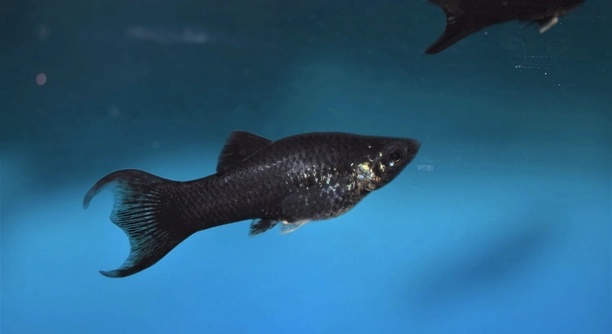
Black mollies are a popular choice for home aquariums due to their sleek black color and peaceful nature. Many new fish owners notice their unique movements and interactions in the tank. Understanding their behavior helps create a healthy environment.
Black mollies are social and active fish that thrive in groups. They display schooling behavior, gentle territoriality, and frequent exploration. Recognizing feeding patterns, breeding tendencies, and responses to environmental changes is essential for maintaining their well-being and stability in captivity.
Observing these small, lively fish can reveal surprising insights about their personalities and habits. Learning the basics of black molly behavior helps keep them happy and thriving in your aquarium.
Social Behavior of Black Mollies
Black mollies are naturally social fish that prefer living in groups. In a tank, they often swim together and follow one another closely. This schooling behavior helps them feel secure and reduces stress. When kept alone, they may appear shy, hide more often, or become less active. Observing their interactions, you might notice some mild chasing, which is normal and usually not aggressive. They communicate through body movements and occasional fin displays, showing hierarchy within the group. Providing enough space and hiding spots supports their social dynamics.
Keeping at least three black mollies together ensures they remain active and healthy. Their behavior is calmer and more predictable in groups, reducing stress and aggression.
Their social tendencies also affect feeding. Mollies often eat more confidently when swimming with others, as they feel less threatened. Watching them interact during feeding can help you spot any health issues early. It’s important to introduce new mollies gradually and monitor how they integrate into the existing group. This helps maintain harmony and prevents constant skirmishes. Tank decorations like plants and caves allow weaker or younger fish to avoid stronger ones. Lighting and water quality also play a role in maintaining a calm environment. Observing these small behaviors can improve care, ensuring black mollies thrive and display their full range of natural activities.
Feeding Patterns
Black mollies are omnivores and enjoy a variety of foods. They accept flakes, pellets, and live or frozen foods with ease.
Proper feeding frequency is key to health and energy. Overfeeding can harm water quality.
A balanced diet is essential. Feeding small amounts multiple times a day is better than one large meal. They benefit from plant-based foods like spirulina or blanched vegetables. Proteins from brine shrimp or bloodworms support growth and reproduction. Observing their eating order can show social structure, as dominant fish may get first access. Uneaten food should be removed to prevent water contamination, which could lead to algae or disease. Adjusting diet according to water conditions and temperature keeps them active. A varied diet encourages natural behaviors and supports coloration. Feeding routines also help you notice any sudden changes in appetite, which can indicate illness. Regular monitoring ensures your black mollies remain healthy, active, and vibrant, making their tank a more dynamic and enjoyable environment.
Tank Environment
Black mollies need stable water conditions to thrive. They prefer slightly brackish water but adapt well to freshwater.
Maintaining clean water with regular changes is important. A pH between 7.5 and 8.5 supports health, and temperatures around 24–28°C keep them active. Plants, hiding spots, and open swimming areas help reduce stress. Strong filtration prevents waste buildup. Monitoring water hardness and ammonia levels ensures a safe environment. Mollies are sensitive to sudden changes, so gradual adjustments are best. Observing their swimming and coloration can signal if conditions are suitable. Proper lighting supports plant growth and fish activity, creating a balanced tank ecosystem.
Substrate and decorations influence their comfort. Soft sand or fine gravel prevents fin damage. Plants like java moss or hornwort give hiding spaces and improve water quality. Decorations should allow swimming freedom without overcrowding. Floating plants provide shaded areas, reducing stress from bright light. Consistent maintenance routines keep water parameters stable. Avoid overcrowding, as too many fish can cause aggression and stress. Monitoring all aspects of the tank environment ensures black mollies display natural behavior and remain healthy over time.
Breeding Behavior
Male black mollies often display brighter colors and perform courtship dances toward females.
Females may become plumper when ready to give birth. Livebearers, they can store sperm and produce multiple broods from a single mating.
Keeping a ratio of two to three females per male prevents harassment and stress. Fry are often hidden among plants or decorations until they grow. Providing high-protein foods supports the female during pregnancy and helps fry develop. Observing subtle signs like fin flicks or chasing behavior indicates readiness for breeding. Separate breeding tanks can improve survival rates. Removing fry from adults prevents them from being eaten. Water quality is particularly important during this period, as pregnant females are sensitive to fluctuations. Regular monitoring ensures successful reproduction without harming adult fish or juveniles.
Aggression and Territoriality
Black mollies are generally peaceful but can show mild aggression, especially males. Chasing and nipping may occur when establishing dominance or during breeding periods.
Providing enough space and hiding spots reduces conflict. Observing interactions helps identify overly aggressive fish before problems escalate.
Interaction with Other Fish
Black mollies usually coexist well with other peaceful species like guppies, tetras, and platies. Compatibility depends on similar water preferences and temperament.
Maintaining proper tank size and monitoring behavior ensures harmony. Avoid pairing them with overly aggressive or much larger fish to prevent stress and injury.
Stress Indicators
Changes in color, hiding, or erratic swimming signal stress in black mollies. Stress often results from poor water quality, overcrowding, or incompatible tankmates.
Monitoring these signs allows quick corrective action, such as adjusting water parameters, increasing hiding spaces, or separating aggressive fish, helping mollies remain healthy and active.
FAQ
How often should I feed my black mollies?
Black mollies do best with small amounts of food two to three times a day. Overfeeding can harm water quality, so remove uneaten food promptly. Providing a mix of flakes, pellets, and occasional live or frozen foods keeps them healthy and supports natural behavior.
Can black mollies live in freshwater only?
Yes, black mollies adapt to freshwater, though they naturally prefer slightly brackish water. Adding a small amount of aquarium salt can improve their health, but it is not strictly necessary. Regular water changes and monitoring parameters are more important than adjusting salinity.
How many black mollies should I keep together?
A minimum of three is recommended to encourage social behavior. Male-to-female ratios of one to two or three females per male help reduce aggression and stress. Larger groups display more natural schooling and active movement in the tank.
What is the ideal tank size for black mollies?
A 20-gallon tank is suitable for a small group, though larger tanks provide more swimming space and reduce territorial behavior. Proper filtration, plants, and open areas support their well-being and allow them to display natural behaviors.
Do black mollies get along with other fish?
They generally coexist with other peaceful species like guppies, platies, and tetras. Avoid aggressive or much larger fish that may stress or injure them. Observe interactions carefully when introducing new tankmates to maintain a harmonious environment.
How can I tell if my black molly is stressed?
Signs include dull coloring, erratic swimming, hiding more than usual, or loss of appetite. Stress often comes from poor water conditions, overcrowding, or incompatible tankmates. Addressing these issues quickly helps maintain their health and prevents disease.
How do I care for black molly fry?
Fry need hiding spaces like dense plants or breeding boxes. Feed them finely crushed flakes or specialized fry food multiple times a day. Keep water clean and stable, as young mollies are sensitive to poor conditions. Separate them from adults to avoid predation.
What causes black mollies to change color?
Color changes can be natural due to age, stress, or breeding. Dull or faded coloring often indicates poor water quality, illness, or nutritional deficiencies. Monitoring their environment and diet helps maintain vibrant coloration.
How long do black mollies live?
With proper care, black mollies typically live three to five years. Stable water conditions, a balanced diet, and a stress-free environment support longevity and overall health.
Do black mollies need plants in the tank?
Yes, live or artificial plants provide hiding spots, reduce stress, and support natural behaviors. Floating plants offer shaded areas, while rooted plants improve water quality and create a comfortable environment for both adults and fry.
Is it necessary to separate pregnant females?
Not always, but separating them can improve fry survival rates. Pregnant females may be harassed by males or stressed by tankmates. Providing dense plants or a breeding box helps protect both the female and her offspring during birth.
How often should I change the water?
Partial water changes of 20–30% weekly are recommended. Frequent changes maintain water quality, prevent waste buildup, and reduce the risk of disease. Monitoring ammonia, nitrite, and nitrate levels ensures a safe environment for black mollies.
What is the best diet for black mollies?
A mix of plant-based foods, like spirulina or blanched vegetables, and protein-rich items like brine shrimp or bloodworms supports health and coloration. A varied diet encourages natural foraging behavior and supports growth, reproduction, and vitality.
Can black mollies breed without a male present?
No, males are needed for reproduction. However, females can store sperm and produce multiple broods from a single mating. Observing breeding behavior and maintaining a proper male-to-female ratio ensures successful reproduction.
How do I reduce aggression in the tank?
Provide adequate space, hiding spots, and a balanced male-to-female ratio. Overcrowding and competition for resources increase aggression. Careful monitoring and gradual introduction of new fish help maintain a calm environment.
What water temperature is ideal for black mollies?
They thrive between 24°C and 28°C. Stable temperatures within this range support activity, feeding, and breeding. Avoid sudden fluctuations, as temperature changes can stress the fish and reduce immunity.
How can I encourage breeding in black mollies?
Maintain stable water conditions, provide a nutritious diet, and keep males with two to three females. Adding plants or breeding boxes gives fry hiding places. Observing courtship behaviors helps identify readiness to reproduce and ensures successful spawning.
What health issues are common in black mollies?
Ich, fin rot, and swim bladder problems are common. Maintaining water quality, a balanced diet, and proper tank mates reduces risk. Early detection through observation allows prompt treatment, improving survival and well-being.
Do black mollies need strong lighting?
Moderate lighting is sufficient. Bright lights should be balanced with shaded areas from plants or floating decorations. Proper lighting supports plant growth, natural behavior, and overall fish health without causing stress.
Can black mollies tolerate hard water?
Yes, they prefer slightly hard water with stable pH levels. Monitoring water hardness and keeping it consistent helps prevent stress, supports breeding, and maintains vibrant coloration over time.
How can I tell the difference between male and female black mollies?
Males are usually smaller, slimmer, and have a pointed anal fin called a gonopodium. Females are larger, rounder, and have a fan-shaped anal fin. Observing these features helps manage breeding and tank ratios effectively.
Are black mollies active during the day?
Yes, they are diurnal and most active during daylight hours. Providing a consistent light schedule helps regulate their behavior and feeding patterns while encouraging swimming and social interaction throughout the tank.
What is the best way to introduce new black mollies to a tank?
Acclimate them slowly using the drip or floating bag method. Gradual introduction prevents shock from water parameter differences and reduces stress, allowing them to integrate smoothly with existing fish while maintaining a stable environment.
How do I prevent algae growth in a black molly tank?
Regular water changes, proper feeding, and avoiding overexposure to light help control algae. Adding live plants can compete with algae for nutrients, while maintaining balanced filtration ensures a clean and healthy tank for mollies.
Is it necessary to test water parameters frequently?
Yes, monitoring ammonia, nitrites, nitrates, pH, and hardness is crucial. Regular testing ensures a safe environment, prevents stress, and allows early intervention for potential health issues, keeping black mollies active and thriving.
Can black mollies live with snails or shrimp?
Yes, they usually coexist with small, non-aggressive invertebrates like snails or shrimp. Avoid large or aggressive species, as they may harass mollies or compete for food, disrupting tank harmony and increasing stress.
Do black mollies need a heater in the tank?
Heaters help maintain stable temperatures, especially in cooler climates. Sudden drops in temperature can stress mollies. Maintaining a steady 24–28°C range supports activity, feeding, and breeding success while reducing health risks.
How long does it take for black mollies to breed?
Mollies reach sexual maturity in about four to six months. Courtship and successful fry production can occur shortly after. Providing optimal water conditions and diet accelerates readiness and ensures healthy offspring.
What should I do if a black molly looks sick?
Isolate the fish if possible, check water parameters, and monitor for specific symptoms. Prompt action, including treatment with appropriate medications, helps prevent disease spread and supports recovery. Observing daily behavior helps catch problems early.
Can black mollies tolerate community tanks?
Yes, they thrive in peaceful community tanks with compatible species. Careful observation and proper tank size ensure minimal stress, preventing aggressive interactions and maintaining overall fish health.
What signs indicate a healthy black molly?
Bright coloration, smooth swimming, alert behavior, and consistent appetite signal good health. Clear eyes, intact fins, and active social interactions are additional indicators of a thriving fish in a well-maintained environment.
How important is water filtration for black mollies?
Filtration removes waste, maintains water quality, and reduces disease risk. A properly sized filter ensures clean water, supports stable parameters, and allows mollies to swim freely without stress. Regular maintenance of the filter keeps the tank safe and healthy.
Can black mollies survive in small tanks?
They can survive in smaller tanks but may experience stress, aggression, and limited movement. Providing a minimum of 20 gallons for a small group ensures proper swimming space and supports social behavior, health, and breeding potential.
Do black mollies need specific lighting schedules?
Yes, consistent light and dark periods help regulate feeding, activity, and breeding behavior. About 10–12 hours of light daily with shaded areas ensures comfort, reduces stress, and promotes natural patterns for mollies.
How can I prevent fin damage in black mollies?
Use soft substrate, avoid sharp decorations, and keep tankmates compatible. Maintaining water quality and minimizing aggression reduces fin nipping and promotes healthy growth, keeping their appearance and swimming ability intact.
Are black mollies sensitive to sudden changes?
Yes, rapid shifts in temperature, pH, or salinity can stress them. Gradual adjustments help mollies acclimate safely, reducing the risk of illness and encouraging natural behavior in their environment.
What is the best way to clean a black molly tank?
Perform partial water changes, remove uneaten food, vacuum substrate, and clean filter media as needed. Regular maintenance prevents waste buildup, maintains water quality, and ensures a healthy, stress-free environment for black mollies.
Can black mollies tolerate tap water?
Yes, if properly conditioned. Removing chlorine, chloramine, and adjusting pH or hardness helps create safe water. Testing parameters ensures the tank is stable and supports fish health.
Do black mollies interact with humans?
They may follow movements outside the tank or come near the surface during feeding. These behaviors indicate curiosity and recognition, reflecting their comfort and adaptability to their environment.
How fast do black mollies grow?
Growth depends on diet, water quality, and tank conditions. With proper care, they grow steadily, reaching adult size within several months while displaying healthy coloration and activity levels.
Is it necessary to quarantine new black mollies?
Yes, quarantining for at least two weeks prevents introducing disease or parasites to the main tank. Observation during this period allows early treatment and reduces stress for existing fish.
Do black mollies require a special diet for breeding?
High-protein foods like brine shrimp or bloodworms support reproduction. A varied diet improves fry development and adult health, increasing breeding success without compromising water quality.
Can black mollies live with bettas?
Caution is advised. Betta aggression can stress mollies, especially males. Monitor interactions closely, provide hiding spaces, and be prepared to separate them if necessary to prevent injury.
How often should I check water temperature?
Daily monitoring ensures stability. Sudden changes can stress fish, while consistent temperatures support feeding, activity, and reproduction. Thermometers are recommended for accurate tracking.
What is the best way to prevent disease in black mollies?
Maintain clean water, provide a balanced diet, avoid overcrowding, and quarantine new fish. Early observation and treatment of symptoms prevent spread and support long-term health.
Do black mollies require special decorations?
No, but hiding spaces like plants or caves reduce stress. Decorations should allow swimming space while supporting natural behaviors and social interaction within the tank.
Can black mollies tolerate fluctuations in pH?
They prefer stable, slightly alkaline conditions. Sudden changes can stress them, leading to illness or aggression. Gradual adjustments help mollies adapt safely and maintain overall health.
How can I improve black molly coloration?
A balanced diet, clean water, and proper lighting enhance color. Foods rich in carotenoids and plant-based ingredients support vibrant pigmentation and overall fish health.
Are black mollies suitable for beginners?
Yes, they are hardy, adaptable, and sociable. With proper care, water maintenance, and attention to diet and tankmates, they thrive in home aquariums, making them accessible for new fish owners.
Can black mollies tolerate fluctuating water hardness?
Stable water hardness is preferred. Fluctuations may stress mollies, affecting growth and breeding. Monitoring and maintaining consistent parameters ensures optimal health and behavior.
What is the best way to introduce fry to the main tank?
Wait until they are large enough to avoid predation. Gradually acclimate them to water conditions and provide hiding spots to ensure survival and reduce stress from adult fish.
How do I know if a black molly is sick?
Signs include lethargy, loss of appetite, discolored or damaged fins, and abnormal swimming. Early detection and corrective measures like water changes or treatment help recovery and prevent spread of disease.
Do black mollies enjoy swimming in open areas?
Yes, they are active swimmers and need open space for exercise. A balance of open areas and hiding spots supports natural behavior and reduces stress within the tank.
Can black mollies reproduce in small tanks?
Yes, but overcrowding and limited space can stress fish and reduce fry survival. Proper tank size, hiding spaces, and monitoring ensure successful breeding without harming adults or juveniles.
How can I maintain a stable environment for black mollies?
Regular water testing, partial changes, proper diet, and monitoring tankmates are key. Consistency in lighting, temperature, and water parameters supports health, reduces stress, and encourages natural behavior.
Do black mollies need supplemental oxygen?
In well-maintained tanks, aeration from filters and surface agitation is sufficient. Supplemental air may be helpful in densely stocked or heavily planted tanks to ensure oxygen levels remain stable.
How long can black mollies go without food?
They can survive a few days without food, but regular feeding is essential for growth, health, and reproduction. Prolonged fasting can weaken their immune system and reduce activity levels.
Can black mollies tolerate crowding?
Overcrowding increases stress, aggression, and disease risk. Providing sufficient space, hiding areas, and proper tank management ensures social behavior and health, preventing negative impacts from too many fish.
What is the ideal pH range for black mollies?
A slightly alkaline pH of 7.5–8.5 is preferred. Maintaining stable pH supports health, breeding, and vibrant coloration. Sudden shifts can cause stress or illness.
Are black mollies compatible with goldfish?
Not ideal. Goldfish are cooler-water fish and produce more waste, which can affect water quality. Differences in temperature preference and behavior make coexistence challenging.
Do black mollies require water conditioners?
Yes, conditioning removes chlorine, chloramine, and heavy metals from tap water. Conditioners ensure safe water and prevent stress or health issues in mollies.
How can I tell if a black molly is pregnant?
The abdomen becomes noticeably rounder, and a gravid spot near the anal fin darkens. Observing swimming and feeding behavior helps determine readiness for birth.
Can black mollies live in an unheated tank?
In warm climates, they may survive, but heaters provide stable temperatures year-round. Stability supports health, activity, and breeding success, preventing stress from cold fluctuations.
What is the fastest way to improve black molly health?
Check water quality, maintain proper diet, and observe tank interactions. Addressing issues quickly prevents disease, improves energy, and restores natural behavior efficiently.
Do black mollies interact with tank decorations?
Yes, they use plants, caves, and other structures for hiding, resting, and exploring. Proper decoration placement reduces stress and supports natural social behavior.
How often should I clean the filter?
Every 2–4 weeks, depending on tank size and waste load. Cleaning ensures optimal filtration, maintains water quality, and prevents buildup of harmful substances.
Can black mollies live with cichlids?
Caution is needed. Many cichlids are aggressive and may harm mollies. Only peaceful species may coexist in large tanks with plenty of hiding spaces.
Do black mollies need a quarantine tank for new arrivals?
Yes, to prevent disease introduction and monitor acclimation. A two-week quarantine helps identify illness early and allows safe integration into the main tank.
How can I tell if a black molly is happy?
Active swimming, social interaction, regular feeding, and vibrant coloration indicate well-being. Calm behavior with peers and curiosity toward the environment also signal contentment.
Is it safe to keep black mollies with shrimp?
Yes, small non-aggressive shrimp like cherry or ghost shrimp are compatible. Avoid large or territorial shrimp that may stress mollies or compete for food.
Do black mollies need a specific water hardness?
Moderate to slightly hard water supports health and breeding. Consistency is more important than exact hardness values, preventing stress and promoting growth.
Can black mollies survive without plants?
They can survive, but plants provide hiding, reduce stress, and improve water quality. A mix of open space and planted areas creates an ideal environment.
How can I prevent aggression between male mollies?
Maintain a balanced male-to-female ratio, provide enough space, and include hiding spots. Observing interactions helps separate overly aggressive fish and reduce stress.
Do black mollies require special filtration?
Standard aquarium filters are sufficient. The filter should handle tank volume, remove waste, and maintain water quality. Proper maintenance ensures optimal performance.
How do I acclimate new black mollies?
Float the sealed bag in the tank to equalize temperature, then gradually mix tank water into the bag. Slowly release fish after 30–60 minutes to reduce shock and stress.
Can black mollies live with snails?
Yes, they coexist well with peaceful snails. Snails help clean the tank and pose no threat to mollies, supporting a balanced ecosystem.
What causes fin rot in black mollies?
Poor water quality, stress, or injury can lead to fin rot. Maintaining clean water and treating early prevents spread and supports recovery.
Do black mollies need surface aeration?
Surface movement from filters or air stones ensures oxygen exchange. Supplemental aeration may be needed in heavily stocked tanks to maintain optimal oxygen levels.
Are black mollies compatible with platies?
Yes, they share similar water preferences and temperaments, making them ideal tankmates. Both species display peaceful behavior and social schooling tendencies.
How often should I observe my black mollies?
Daily observation helps detect illness, stress, or behavioral changes early. Monitoring feeding, swimming, and social interactions ensures prompt intervention if issues arise.
Can black mollies survive in outdoor ponds?
They can survive in mild climates with protection from predators
Black mollies are lively, adaptable fish that bring activity and color to any aquarium. They thrive best in stable water conditions, with proper filtration and regular maintenance. Observing their behavior can provide valuable insights into their needs and overall health. These fish are naturally social, preferring to live in groups, which helps reduce stress and encourages active swimming. Males may display occasional chasing, particularly during breeding, but this is usually mild and part of their normal social structure. Providing hiding spots, plants, and open areas allows them to establish a comfortable hierarchy while supporting natural behavior. Understanding their basic social tendencies is key to maintaining a peaceful tank environment.
Feeding black mollies a balanced diet is essential for their health and coloration. They are omnivores and enjoy a variety of foods, including flakes, pellets, live, or frozen options. Offering plant-based items such as spirulina or blanched vegetables, along with protein-rich foods like brine shrimp or bloodworms, supports growth, reproduction, and energy levels. Overfeeding should be avoided, as leftover food can compromise water quality. Monitoring their feeding behavior helps identify any stress or illness early. Additionally, breeding requires attention to male-to-female ratios, nutrition, and safe spaces for fry. Maintaining a clean, well-planted tank ensures both adult mollies and their young can thrive. By focusing on proper care, their natural curiosity, social interaction, and activity remain visible.
Finally, black mollies are hardy fish that adapt well to a variety of conditions, making them suitable for both beginners and experienced aquarists. They respond well to consistent care, including regular water testing, temperature stability, and gentle acclimation when introducing new tankmates. Stress should be minimized through proper tank size, compatible companions, and suitable hiding areas. Watching their swimming patterns, color, and social interactions provides insight into their overall health. With attention to diet, water quality, and tank environment, black mollies can live several years, providing enjoyment and observation opportunities. Their peaceful nature, adaptability, and active behavior make them a rewarding addition to a home aquarium, showing that careful, consistent care leads to a vibrant and healthy aquatic environment.

Hello,
If you enjoy the content that we create, please consider saying a "Thank You!" by leaving a tip.
Every little bit helps us continue crafting quality advice that supports the health, happiness, and well-being of pets around the world, for pets of all shapes, sizes, and species.
We really appreciate the kindness and support that you show us!