
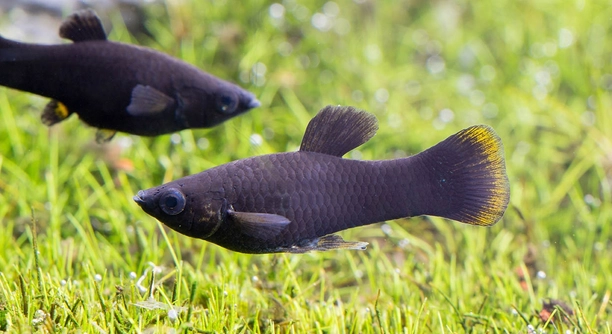
Algae growth in Black Molly tanks is a common challenge for many aquarists. Even with regular maintenance, these green or brown patches can appear quickly, affecting the tank’s overall appearance and sometimes the fish’s health.
Algae in Black Molly tanks usually results from a combination of excess nutrients, inadequate lighting management, and inconsistent water care. High levels of nitrates and phosphates, along with leftover food, create an environment where algae can thrive rapidly.
Knowing the main causes of algae will help you manage your tank more effectively and maintain a cleaner, healthier space for your Black Mollies.
Excess Light Exposure
Black Molly tanks exposed to too much light can quickly develop algae. Sunlight through windows or leaving aquarium lights on for extended hours accelerates algae growth. Even natural daylight from nearby windows can trigger blooms if the tank isn’t shaded. Algae thrives on light, and too much of it fuels rapid growth. Managing light is key to keeping your tank clean and the water clear. Simple adjustments, such as reducing light hours or using a timer, can make a noticeable difference. It’s not only the length of exposure but also the intensity that matters. Bright LED setups, if left on too long, may contribute more than softer, dimmer lights. Watching how algae responds after adjusting lighting can help you find the right balance.
Reducing light exposure helps control algae and keeps your Mollies’ environment calmer. Adjusting natural and artificial light is an easy first step.
Consistent light management creates a stable environment in your tank. When you control light duration and intensity, algae growth slows significantly. Combining this with proper cleaning schedules and plant management makes the tank healthier overall. Mollies benefit from stable lighting conditions, as sudden changes stress them. Using floating plants or shades can also help reduce sunlight exposure without limiting visibility. Over time, the tank becomes easier to maintain, and water clarity improves. Light management works best alongside proper feeding, regular water changes, and monitoring nutrient levels. By taking these steps, you can enjoy a clean tank and happy, active Black Mollies.
Overfeeding Your Fish
Overfeeding is a frequent reason algae grows in Black Molly tanks. Uneaten food decomposes, releasing nutrients that algae use to thrive.
Excess food leads to higher nitrate and phosphate levels, which directly encourage algae blooms.
Controlling feeding amounts prevents leftover food and reduces nutrients that promote algae. Feed only what your fish consume in a few minutes, and remove any uneaten portions promptly. Overfeeding also affects water quality, increasing waste and making filtration harder. By monitoring feeding closely, you limit both algae growth and water stress for your fish. Choosing the right type of food matters too; slow-sinking pellets or flakes that fish eat quickly minimize leftovers. Regularly observing fish behavior during feeding helps you adjust portions and avoid excess. This simple practice keeps the tank cleaner and ensures Black Mollies remain healthy and active. Proper feeding is one of the easiest ways to control algae while maintaining fish wellbeing.
Poor Water Circulation
Poor water circulation creates stagnant areas where algae can flourish. Filters that are too weak or blocked, or tanks with little water movement, make it easier for algae to take hold in corners and on decorations.
Stagnant water reduces oxygen distribution and traps nutrients that algae feed on. Mollies rely on oxygen-rich water, and poor circulation stresses them while giving algae an advantage. Ensuring that filters are properly sized and maintained helps water move throughout the tank. Adding a small powerhead or adjusting the filter output can improve flow in hard-to-reach areas. Circulation not only limits algae growth but also distributes heat and nutrients evenly, creating a healthier environment for your Black Mollies. Observing water movement regularly ensures no areas are left still.
Regular water circulation also prevents debris from settling, which can feed algae. By combining proper filtration with occasional water changes, nutrient buildup decreases. This approach keeps the tank clearer and reduces frequent algae cleaning. Additionally, circulation supports beneficial bacteria that break down waste, further limiting algae growth. Tank decorations and plants should be arranged to allow water to move freely around them, avoiding dead spots. Overall, good circulation balances the ecosystem, making your Black Mollies’ habitat more stable and enjoyable.
High Nutrient Levels
High nutrient levels in the tank accelerate algae growth, especially nitrates and phosphates from fish waste and leftover food. Proper maintenance helps keep these nutrients in check.
Regular water testing and partial water changes are essential to control nutrient buildup. Over time, even small amounts of waste and uneaten food can increase nitrates and phosphates, encouraging algae to thrive. Keeping the substrate clean, vacuuming debris, and limiting overfeeding are all practical steps to reduce nutrients. Live plants can absorb some of these nutrients, competing with algae and slowing its growth. Combining these methods creates a balanced tank environment.
In addition, avoiding chemical overuse helps maintain natural water balance. Excess fertilizers or additives intended to promote plant growth can unintentionally fuel algae. Monitoring feeding habits, cleaning the substrate, and observing water clarity ensures nutrient levels remain suitable for Mollies. When nutrients are managed well, algae blooms are less frequent, and the tank becomes easier to maintain. Regular maintenance routines, including filter cleaning and partial water changes, support this balance. Black Mollies thrive in water that is stable and free from excessive nutrient spikes, making control of these levels crucial.
Dirty Substrate
A dirty substrate traps leftover food and waste, providing nutrients for algae. Regular vacuuming helps prevent buildup and keeps the tank cleaner.
Debris in the gravel or sand also reduces water quality. Cleaning the substrate during water changes minimizes algae growth and supports healthy fish.
Overcrowding
Too many fish in a tank increases waste and uneaten food, raising nutrient levels. Overcrowding stresses Mollies and encourages algae growth. Proper stocking levels help maintain water quality and a balanced environment.
Lack of Regular Maintenance
Skipping water changes and filter cleaning allows algae to grow unchecked. Consistent maintenance ensures water quality stays high and reduces nutrient buildup that feeds algae.
Excess Fertilizers
Overusing plant fertilizers can lead to algae blooms, as excess nutrients feed both plants and algae. Applying fertilizers carefully prevents unwanted growth.
How can I prevent algae from taking over my Black Molly tank?
Preventing algae starts with controlling light, nutrients, and tank cleanliness. Limit light exposure to 8–10 hours a day and avoid direct sunlight. Feed your fish only what they can eat in a few minutes and remove uneaten food. Regular water changes, vacuuming the substrate, and cleaning filters reduce nutrient buildup. Live plants help compete with algae for nutrients, keeping growth in check naturally. Combining these practices creates a stable environment that discourages algae while supporting healthy Black Mollies. Observing the tank regularly lets you adjust these steps before algae becomes a problem.
Why does algae keep coming back even after cleaning?
Algae returns because the underlying conditions that support its growth haven’t been corrected. High light, excess nutrients, poor circulation, or overcrowding all provide opportunities for algae to regrow. Simply scrubbing algae off surfaces addresses the symptom but not the cause. Maintaining proper feeding, consistent water changes, and a balanced ecosystem is essential. Filters and decorations need regular attention, as algae spores can remain even after cleaning. By tackling the root causes and sustaining a routine, algae recurrence can be minimized significantly, keeping the tank clearer for longer periods.
Is it harmful if algae covers decorations or plants?
Some algae is generally harmless and can even provide hiding spots for Mollies, but excessive growth impacts water quality. Thick algae layers block light from reaching live plants, affecting photosynthesis. It also consumes oxygen at night, which can stress fish. Decorations covered in algae may harbor debris and bacteria, potentially impacting fish health. Maintaining a controlled level of algae ensures it doesn’t interfere with the tank’s ecosystem. Removing overgrowth while balancing nutrient levels and water quality protects both the fish and plants, creating a more visually appealing and healthier environment overall.
Can live plants help reduce algae growth?
Yes, live plants are very effective in limiting algae growth. They compete with algae for nutrients like nitrates and phosphates, which are the main fuel for algae blooms. Fast-growing plants such as hornwort or water sprite are particularly useful. Healthy plants also improve oxygen levels and provide shelter for Black Mollies. Proper lighting for plants without overexposing the tank prevents algae from taking advantage of excess light. By integrating live plants into your tank setup and maintaining a balanced nutrient supply, algae growth can be naturally suppressed while improving overall tank health and aesthetics.
How often should I clean my tank to control algae?
Regular maintenance is key to preventing algae from overtaking the tank. Partial water changes of 20–25% every week help remove nutrients before algae can use them. Substrate vacuuming during water changes reduces debris accumulation. Filters should be cleaned monthly to maintain proper circulation and remove trapped organic matter. Decorations and glass surfaces can be scrubbed gently as needed, without disturbing fish. A consistent routine reduces stress on Mollies and limits algae buildup. Observing the tank weekly allows adjustments to cleaning schedules based on algae activity and water quality, maintaining a balanced environment.
Are certain types of algae more problematic than others?
Yes, some algae types are more persistent and harder to remove. Green algae on glass and decorations is usually easy to clean and less harmful. Brown algae, often diatoms, thrive in new tanks or low-light conditions. Hair or string algae grow rapidly on plants and decorations, entangling everything and requiring more effort to control. Each type responds differently to cleaning, nutrient management, and light control. Identifying the type of algae helps target specific management strategies, such as adjusting light, increasing water changes, or introducing plants that outcompete algae for nutrients, keeping the tank healthier for Black Mollies.
Can algae affect the health of my Black Mollies?
Excessive algae can impact water quality, leading to low oxygen levels, higher ammonia and nitrate concentrations, and stress for the fish. While small amounts are generally safe, heavy algae growth creates an unbalanced ecosystem. It can reduce visibility, hinder swimming, and compete with plants for light and nutrients. By controlling algae through feeding, water changes, filtration, and plant competition, the tank remains a safer, healthier environment. Healthy Black Mollies thrive in clear water with stable conditions, and managing algae is essential to prevent stress-related illnesses and ensure active, long-living fish.
Is it safe to use chemical treatments for algae control?
Chemical treatments can work but should be used cautiously. Some products may harm Black Mollies or beneficial bacteria in the tank. Chemicals can temporarily clear algae but don’t address the underlying causes like high nutrients or excess light. If you choose to use them, follow the instructions precisely, and remove fish or plants if recommended. Combining treatments with proper tank management ensures more sustainable results. Ideally, focus on natural control methods such as light regulation, live plants, nutrient management, and cleaning routines before relying on chemicals. This approach keeps the tank balanced and safe for Black Mollies.
What small changes make the biggest difference in algae control?
Small, consistent actions often have the largest impact. Reducing light hours, feeding appropriate portions, performing weekly water changes, and cleaning filters regularly significantly limit algae growth. Adding fast-growing live plants and arranging decorations to allow water circulation also helps. Observing fish behavior and algae patterns allows adjustments before problems escalate. Over time, these simple changes create a balanced tank environment, reducing stress on Mollies and preventing persistent algae issues without relying on chemicals or labor-intensive scrubbing.
Maintaining a Black Molly tank free from excessive algae requires consistent care and attention. Algae growth is often the result of multiple small issues coming together, such as too much light, leftover food, and poor water circulation. By addressing each of these factors, the tank can remain clearer, and your Mollies can enjoy a healthier environment. Simple daily and weekly habits, like monitoring feeding amounts, cleaning the substrate, and checking the filter, make a significant difference over time. Regular observation allows you to notice changes early and prevent minor algae problems from becoming large-scale blooms. Keeping the tank balanced benefits both the fish and the overall ecosystem, making the maintenance process less stressful in the long run. Even small adjustments, like reducing light exposure or repositioning plants for better water flow, can slow algae growth substantially. Over time, these changes add up to a much cleaner tank and a more stable environment for your Black Mollies.
Understanding the causes of algae is just as important as taking action to remove it. Excess nutrients from uneaten food and fish waste are one of the main contributors, so controlling feeding and performing regular water changes is essential. Similarly, water circulation plays a key role in keeping nutrients from settling in corners and creating algae-friendly spots. Live plants also help naturally compete with algae by absorbing nutrients, which reduces the chances of rapid growth. Combining these strategies with consistent cleaning and careful attention to light exposure forms a practical, holistic approach to algae management. A clean tank not only looks better but also supports the well-being of your Mollies by ensuring oxygen levels and water quality remain stable. Over time, these efforts can transform a tank that was once prone to algae into a thriving and balanced aquatic environment.
Patience and consistency are essential when managing algae in Black Molly tanks. Results may not appear immediately, but maintaining good habits will gradually reduce algae problems. Monitoring your tank, adjusting light schedules, controlling nutrient levels, and keeping the substrate and decorations clean all contribute to long-term success. Every tank is different, so it may take some trial and error to find the exact balance that works best for your setup. The key is persistence and observation, responding to changes as they occur rather than waiting for algae to become overwhelming. By implementing these practices consistently, your Black Molly tank can remain clear and healthy, providing a safe and comfortable home for your fish while reducing the stress and effort of dealing with persistent algae growth.

Hello,
If you enjoy the content that we create, please consider saying a "Thank You!" by leaving a tip.
Every little bit helps us continue crafting quality advice that supports the health, happiness, and well-being of pets around the world, for pets of all shapes, sizes, and species.
We really appreciate the kindness and support that you show us!