
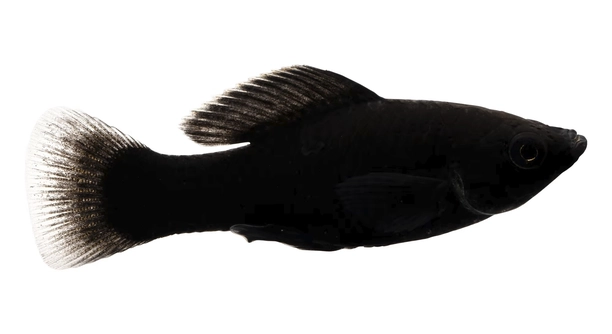
Do you ever find yourself watching your Black Molly swim but notice sudden changes in behavior that make you wonder if it feels uneasy or stressed in its tank environment? Observing subtle shifts can reveal much about their comfort.
Black Mollies display signs of feeling threatened through rapid darting, hiding frequently, flared fins, and color darkening. These behaviors indicate stress or fear, often triggered by sudden movements, aggressive tankmates, or changes in water conditions.
Understanding these warning signs helps you create a calmer environment and ensures your Black Molly feels safe and secure in its home.
Common Signs of a Threatened Black Molly
When a Black Molly feels threatened, its behavior can change noticeably. You may see it swim frantically across the tank or hide behind decorations for long periods. Its fins might flare suddenly, and the usual smooth movements can become jerky. The color of a Black Molly can also darken slightly, showing it is uncomfortable. These signs usually appear after sudden movements, loud noises, or the presence of aggressive tankmates. Even small changes in water quality, such as temperature or pH shifts, can trigger stress responses. Observing how your fish reacts during feeding or when new items are added to the tank can also reveal anxiety. Over time, these behaviors may affect the fish’s health, making it more prone to illness. Paying attention to these subtle cues helps ensure your Black Molly stays healthy and stress-free. Consistent observation allows you to notice early signs and adjust the environment before the stress worsens.
Black Mollies often retreat into plants or corners when they feel unsafe, avoiding open areas and potential threats.
Watching these patterns closely can help you identify when interventions, such as separating aggressive tankmates or adjusting water conditions, are needed to maintain a calm environment for your fish.
How to Reduce Stress for Black Mollies
Providing a stable and enriched tank is key to reducing a Black Molly’s stress. Include plenty of hiding spots, such as plants and decorations, so the fish can feel secure. Avoid sudden changes in water temperature or chemistry, and maintain regular feeding schedules. Overcrowding should be avoided, as it can increase competition and anxiety. Observing your fish daily allows you to detect subtle changes in behavior early. Introducing new tankmates slowly and monitoring interactions helps prevent aggression. Even small gestures, like gentle lighting adjustments, can make a noticeable difference in their comfort. The goal is to create an environment where the fish can swim freely without fear, respond calmly to surroundings, and display normal behaviors consistently. A calm tank contributes to their overall health, improving immunity, appetite, and natural activity. Stress management is essential for the long-term well-being of Black Mollies, ensuring they thrive rather than merely survive.
Environmental Triggers
Sudden changes in water temperature, pH levels, or cleanliness can make Black Mollies feel threatened. Bright lighting and strong currents may also cause stress, prompting defensive or hiding behaviors that indicate discomfort.
Keeping the tank conditions stable is essential for their well-being. Frequent monitoring of water parameters, gradual adjustments when needed, and consistent maintenance routines help prevent sudden stress. Decorations, plants, and gentle filtration create a calm environment where Black Mollies feel secure. Even minor disruptions, like rearranging tank ornaments, can unsettle them if done too abruptly. Observing how your fish reacts to daily changes can guide you in maintaining a comfortable habitat.
Aggressive tankmates or overcrowding intensify stress. Black Mollies may chase or nip each other, or retreat constantly to avoid confrontation. Properly spacing fish, choosing compatible species, and limiting numbers per tank prevent tension. Creating hiding spaces reduces conflict and allows fish to feel safer while still moving freely.
Behavioral Responses
When Black Mollies feel threatened, they often display rapid darting, sudden stops, or freezing in place. These movements are attempts to assess risk and avoid danger.
In addition to movement changes, their fins may flare or flatten, signaling stress. Color shifts, such as darkening or fading, indicate unease. Some may hover near the surface or bottom, avoiding the center of the tank. Feeding behavior can change, with hesitant or reduced eating being a common sign. Tracking these subtle responses provides insight into their comfort levels. Recognizing these patterns early allows timely interventions to reduce stress.
Repetitive or erratic swimming, constant hiding, and avoiding tankmates are other clear behavioral responses. Over time, these behaviors can impact growth and immunity. Black Mollies benefit from a stable routine, calm tankmates, and enriched environments with hiding spots. Proper observation and quick adjustments to any environmental or social stressor ensure healthier, more confident fish.
Physical Indicators
Black Mollies may darken in color or develop clamped fins when feeling threatened. These physical changes are subtle but important signs of stress.
Other indicators include rapid gill movement or small scratches from frantic swimming. Observing these signs regularly helps maintain their health and comfort.
Interaction with Tankmates
Aggressive or overly active tankmates can cause Black Mollies to hide or avoid open spaces. This stress affects their behavior and feeding habits. Properly selecting peaceful species and maintaining enough space in the tank prevents ongoing tension, allowing Black Mollies to move freely and feel secure.
Feeding Behavior
A threatened Black Molly may eat less or show hesitation during feeding times. This change in appetite signals discomfort or fear and should not be ignored.
Tank Setup Tips
Providing plenty of plants, caves, and hiding spots creates security for Black Mollies. Soft lighting and gentle filtration further reduce stress and encourage natural behaviors.
FAQ
How can I tell if my Black Molly is stressed?
Stress in Black Mollies shows through both behavior and physical signs. They may hide more than usual, swim frantically, or avoid tankmates. Fins might clamp or flare, and color changes, usually darkening, are common. Appetite can decrease, and rapid gill movement may indicate discomfort. Observing these signs regularly helps you respond quickly.
What environmental factors cause stress in Black Mollies?
Sudden changes in water temperature, pH, or cleanliness are major stress triggers. Bright lighting, strong currents, and overcrowding also create tension. Even rearranging tank decorations too quickly can upset them. Maintaining stable conditions and a consistent routine reduces anxiety and keeps them comfortable.
Can tankmates affect a Black Molly’s stress levels?
Yes, aggressive or overly active fish can make Black Mollies feel threatened. They may hide constantly or avoid open areas. Choosing compatible, peaceful species and giving enough space per fish prevents tension and allows Black Mollies to swim freely without fear.
How does feeding behavior indicate stress?
A stressed Black Molly may eat less or hesitate during feeding. They might dart away when food is introduced or ignore it entirely. Monitoring appetite is a simple way to gauge comfort levels. Sudden changes in eating habits are often the first signs of stress.
What physical signs should I watch for?
Darkening of color, clamped fins, or frayed edges from frantic swimming are key indicators. Rapid gill movement or lingering near the surface or bottom of the tank also signals discomfort. Noticing these changes early allows for adjustments to reduce stress.
How can I improve my Black Molly’s environment?
Add plants, caves, and decorations to provide hiding spots. Soft lighting and gentle filtration create a calmer setting. Avoid sudden rearrangements or loud noises, and maintain consistent water parameters. Providing a stable, enriched tank promotes natural behaviors and reduces fear.
What should I do if my Black Molly is stressed due to aggressive tankmates?
Separating aggressive fish or moving your Black Molly to a safer tank is effective. Ensuring enough space and hiding places helps reduce tension. Avoid introducing new fish too quickly, and observe interactions to prevent bullying or injury.
How often should I monitor my Black Molly for stress?
Daily observation is ideal. Watch for behavior changes, feeding habits, and physical signs. Regular monitoring helps detect stress early and allows adjustments before it affects overall health. Consistent care is key to maintaining a happy, healthy Black Molly.
Can stress affect a Black Molly’s health long-term?
Yes, prolonged stress weakens the immune system, slows growth, and can make fish more prone to illness. Chronic stress may also lead to erratic behavior and reduced lifespan. Preventing stress through proper care and environment is essential for long-term well-being.
Are there signs that indicate immediate danger or illness?
Severe hiding, lethargy, rapid or labored breathing, frayed fins, or unusual swimming patterns may indicate urgent problems. If these signs persist, test water quality and consider consulting a veterinarian specializing in fish. Quick action can prevent serious health issues.
How do I know if my Black Molly feels safe again?
Calmer swimming, normal feeding, brightened color, and regular interaction with tankmates indicate comfort. Fish exploring the tank and using open areas without hesitation shows confidence. Maintaining consistent care ensures they continue to feel secure.
Is it possible for Black Mollies to adapt to new environments?
Yes, with gradual introduction and a stable tank, they can adjust. Providing hiding spots and consistent conditions helps them acclimate. Patience and observation are important to reduce stress during transitions or after changes in the tank.
How can I prevent stress from occurring in the first place?
Set up a stable tank with appropriate water conditions, hiding spots, and peaceful companions. Avoid overcrowding, sudden changes, and loud disturbances. Regular maintenance, gradual adjustments, and attentive observation are the best ways to keep your Black Molly calm and healthy.
What should I do if I notice repeated signs of stress?
Identify the source, whether it’s water conditions, tankmates, or environmental factors. Adjust slowly and monitor responses. Providing extra hiding spots, consistent feeding, and gentle care can help reduce ongoing stress. If problems persist, professional advice may be necessary to ensure their well-being.
Can stress affect reproduction in Black Mollies?
Yes, stressed fish often have reduced breeding behavior or fail to reproduce. Ensuring a calm environment, proper nutrition, and minimal disturbances supports natural mating behaviors and healthy fry development. Stress management directly impacts reproductive success.
How important is water quality in preventing stress?
Water quality is critical. Sudden changes in temperature, pH, or ammonia levels are major stressors. Frequent testing, partial water changes, and proper filtration keep the tank safe and stable, which is essential for reducing anxiety and supporting overall health.
Do Black Mollies respond differently to stress depending on age?
Younger fish may be more sensitive and prone to hiding or erratic swimming. Older fish may show slower responses but can experience long-term health impacts. Adjusting care based on age, size, and temperament helps reduce stress effectively for all life stages.
How can I tell if hiding behavior is normal or stress-related?
Hiding occasionally is natural, but constant or frantic hiding signals stress. If fish avoid open spaces, ignore food, or dart repeatedly, it indicates unease. Observing patterns over time helps differentiate normal behavior from stress responses.
Are there tools or products to help reduce stress in Black Mollies?
Aquarium plants, caves, gentle filters, and controlled lighting are helpful. Water conditioners and stable heaters support consistent conditions. Using these tools carefully creates a secure environment, reducing fear and promoting healthy, natural behavior.
How do I reintroduce a stressed Black Molly to the tank?
Gradually acclimate the fish, providing hiding spots and ensuring tankmates are calm. Observe closely for signs of stress, adjust the environment as needed, and maintain consistent care. Gentle reintroduction encourages confidence and helps the fish feel safe in its habitat.
What is the best way to track my Black Molly’s well-being?
Keep notes on behavior, feeding, coloration, and interactions with tankmates. Record water parameters and environmental changes. Tracking patterns over time makes it easier to spot stress early and respond effectively, ensuring the fish remains healthy and comfortable.
Black Mollies are sensitive fish that show clear signs when they feel threatened or stressed. Paying attention to their behavior, such as hiding often, darting quickly, or avoiding tankmates, can help you understand how they feel. Physical changes like darkening color, clamped fins, or rapid gill movement are also important clues. Stress can develop from many factors, including sudden water changes, overcrowding, aggressive tankmates, or even too-bright lighting. Observing these signs carefully allows you to notice issues early and make changes before they impact your fish’s health. Regular monitoring helps keep your tank calm and secure, which is essential for Black Mollies to thrive.
Creating a safe and stable environment is one of the most effective ways to prevent stress. Providing hiding spots, plants, and gentle filtration allows your fish to explore the tank while feeling protected. Avoid sudden changes in water temperature, pH, or tank arrangement, as these can trigger fear and anxiety. Maintaining a consistent feeding schedule also reassures them, as unpredictable feeding can add stress. Choosing compatible tankmates and avoiding overcrowding reduces tension and conflict, allowing Black Mollies to move freely and interact naturally. When the environment is calm, you will notice your fish swimming confidently, eating normally, and displaying brighter colors, all signs of comfort and well-being.
Regular care and attention are the keys to keeping Black Mollies healthy and happy. Observing behavior patterns, adjusting the tank as needed, and responding to stress promptly prevents long-term problems like illness, slowed growth, or weakened immunity. Stress management also supports reproduction and helps fish maintain natural behaviors. Even small adjustments, like adding a new plant or adjusting lighting, can have a noticeable effect on how secure your fish feels. By providing a stable and enriched environment, you ensure that your Black Mollies live a comfortable, balanced life. Consistent care, observation, and patience are all that is needed to create a tank where your fish feel safe, thrive, and display their natural beauty.

Hello,
If you enjoy the content that we create, please consider saying a "Thank You!" by leaving a tip.
Every little bit helps us continue crafting quality advice that supports the health, happiness, and well-being of pets around the world, for pets of all shapes, sizes, and species.
We really appreciate the kindness and support that you show us!