Can Arowana Learn to Anticipate Feeding Times?
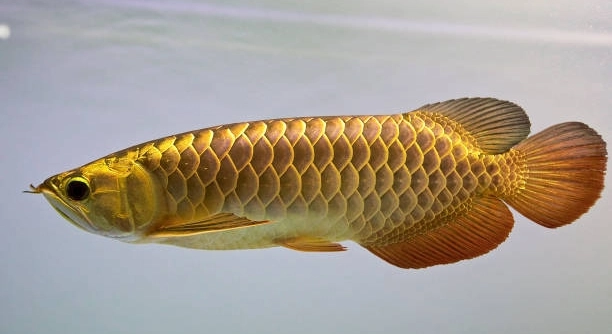
Have you ever noticed your arowana swimming expectantly near the surface around the same time every day? Observing this behavior can be fascinating for fish owners, especially when trying to understand their daily patterns and habits. Arowanas are capable of learning to anticipate feeding times through repeated exposure to consistent schedules. This behavior is influenced … Read more
What Do Arowana Do When They’re Content?

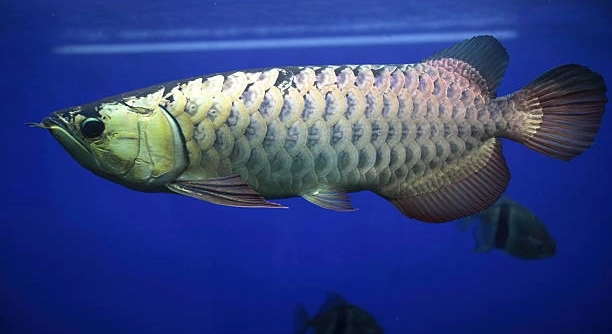
Have you ever watched your arowana glide gracefully through the water, its movements calm and elegant, and wondered what that truly means? When arowanas are content, they display slow, fluid swimming patterns, maintain a bright and even coloration, and interact calmly with their environment. Their fins remain fully extended, and they often hover near the … Read more

What to Do If Arowana Start Flinching at Movement

Are your arowanas suddenly flinching at every movement in the tank? This behavior can be concerning for any aquarist who wants a calm and healthy environment for their fish. Sudden reactions can indicate stress or discomfort in your aquatic pets. Arowanas often flinch due to sudden movements, poor water quality, or insufficient acclimation to their … Read more

Why Is My Arowana Avoiding the Heater Side?

Is your arowana spending more time on the cooler side of the tank instead of near the heater? Observing this behavior can be concerning, especially when you want your fish to remain comfortable and healthy in its environment. Arowanas may avoid the heater side due to uneven temperature distribution, water quality issues, or stress from … Read more

7 Foods to Never Feed an Arowana

Arowanas are majestic fish that require careful attention to their diet. Feeding them the wrong foods can lead to health issues and reduce their lifespan. Understanding which items to avoid is essential for responsible care. Certain foods, such as processed meats, high-fat snacks, live feeder goldfish, frozen feeder fish, excessive insects, human junk food, and … Read more

Can You Keep an Arowana in a 75-Gallon Tank?

Keeping an arowana can be a rewarding experience for aquarium enthusiasts. These fish are known for their graceful swimming and striking appearance, making them a captivating addition to any home tank. Their presence brings a sense of elegance. A 75-gallon tank is generally too small for an adult arowana. These fish can grow over two … Read more

7 Situations Where Arowana Might Refuse to Swim

Have you ever noticed your arowana staying still at the bottom of the tank, refusing to swim like it usually does? Arowanas may refuse to swim due to stress, poor water quality, illness, or unsuitable tank conditions. Factors such as temperature fluctuations, lack of oxygen, or infections can also cause lethargy and immobility in these … Read more

7 Warning Signs Your Arowana Is Overheating

Do you ever notice your arowana swimming strangely or resting at the surface longer than usual? Overheating can affect their behavior, health, and overall well-being. Recognizing the signs early helps you provide the care they need. Arowanas are sensitive to high water temperatures, which can cause stress, reduce oxygen intake, and lead to health complications. … Read more

7 Tips for Calming Arowana After Tank Maintenance

Are your arowana acting restless after a recent tank cleaning? Many aquarists notice changes in their fish’s behavior following maintenance. These reactions are common, as arowana are sensitive to sudden environmental changes and disturbances. To calm arowana after tank maintenance, it is essential to maintain stable water parameters, minimize sudden movements, provide hiding spots, and … Read more

7 Signs of Arowana Boredom You Might Miss

Are your arowanas swimming slowly or lingering in one corner of the tank more than usual? Noticing subtle changes in their behavior can reveal when they are experiencing boredom, which is often overlooked by aquarium owners. Arowanas exhibit signs of boredom through repetitive swimming patterns, lack of interaction with their environment, reduced appetite, and unusual … Read more