
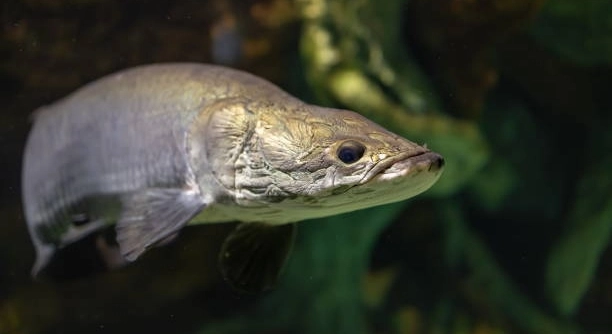
Are your arowana acting restless after a recent tank cleaning? Many aquarists notice changes in their fish’s behavior following maintenance. These reactions are common, as arowana are sensitive to sudden environmental changes and disturbances.
To calm arowana after tank maintenance, it is essential to maintain stable water parameters, minimize sudden movements, provide hiding spots, and gradually reintroduce stimuli. Consistent monitoring and controlled feeding help reduce stress and support their recovery efficiently.
Keeping arowana comfortable after tank work is possible with simple, consistent strategies. The following tips will guide you in creating a calm, stable environment for your fish.
Prepare the Tank Environment Before Maintenance
Before beginning any maintenance, it is important to prepare the tank properly. Remove decorations and equipment carefully, ensuring the arowana has a safe space to swim. Check water temperature, pH, and hardness before starting, as sudden changes can stress your fish. Use a gentle siphon to clean the substrate, avoiding abrupt disturbances. Keep lights dim during maintenance to reduce agitation. Remove uneaten food and check for waste buildup. Make sure filtration and heating systems are functioning properly before reintroducing the arowana to the cleaned tank. Planning ahead can prevent unnecessary stress and promote smoother recovery.
Prepping the environment ensures that your arowana experiences fewer shocks and maintains its usual routine after cleaning. Small adjustments make a noticeable difference in stress reduction.
Even minor changes in water conditions can affect your arowana’s behavior. By carefully monitoring parameters, handling equipment gently, and keeping a consistent routine, you reduce stress significantly. Adding temporary hiding spots like plants or driftwood can provide comfort. Maintaining quiet around the tank, avoiding sudden movements, and limiting direct interaction immediately after maintenance helps your arowana regain normal activity more quickly. These steps create a controlled environment that supports their natural behavior and overall health.
Gradual Reintroduction of Stimuli
After maintenance, avoid placing the arowana under bright lights or sudden noises. Limit tapping on the tank or sudden hand movements, as these can trigger stress.
Introduce stimuli slowly by turning on filters, heaters, and lights gradually. Monitor the arowana’s reactions closely during this period to ensure it remains calm and adjusts comfortably.
Give your arowana time to acclimate to post-maintenance conditions. Gradual exposure to environmental changes helps stabilize its behavior and reduces aggressive or erratic movements. Encourage calm by maintaining a consistent feeding schedule and slowly reintroducing interaction. Avoid crowding the tank with decorations immediately, and provide a few secure hiding spots. This careful approach supports long-term stress management and helps the arowana return to normal activity levels efficiently, making future maintenance less disruptive and keeping your fish healthier overall.
Monitor Water Parameters Closely
Regularly checking water parameters is crucial after maintenance. Temperature, pH, and ammonia levels can shift during cleaning. Keep a close eye on these values to prevent stress and ensure your arowana remains healthy. Quick adjustments can prevent behavioral issues and physical harm.
Even small fluctuations in water parameters can affect your arowana’s health. Immediately after tank cleaning, test for ammonia, nitrites, and nitrates, and adjust filtration or water changes as needed. Keep temperature consistent and avoid sudden shifts. Using a reliable water testing kit helps track changes and maintain a stable environment for your fish, minimizing stress and encouraging normal swimming and feeding patterns.
Maintaining proper water conditions includes monitoring dissolved oxygen, hardness, and salinity if applicable. Sudden deviations can trigger erratic movements or hiding behaviors. Consistent observation and timely intervention are essential. If parameters are off, partial water changes or adjusting the heater can restore balance. Remember, stable water fosters calmer arowana and supports long-term health. Routine checks after each maintenance session help prevent long-term stress, keeping your fish active, feeding normally, and less prone to illness.
Provide Temporary Hiding Spots
Adding hiding spots immediately after maintenance helps reduce stress. Use plants, driftwood, or decorations that allow your arowana to feel secure without restricting swimming space.
Temporary shelters give your arowana a sense of security while it adjusts to the changes in its tank. Hiding spots reduce anxiety and allow the fish to explore at its own pace. Avoid overcrowding the tank with decorations, as it can create additional stress and interfere with swimming. Ensure hiding places are stable and won’t shift during activity, which could cause injury. Proper placement and gradual introduction of shelters make your arowana feel safe and supported.
Providing temporary shelters is a simple yet effective way to calm your arowana after maintenance. Position plants and driftwood to allow open swimming areas while offering secluded spots. Hiding places reduce visual stress and help the fish regulate its activity. Monitor behavior to see how the arowana uses these areas. Remove or rearrange decorations gradually as the fish regains confidence. Maintaining a balance between open space and shelter ensures stress levels remain low, encourages normal feeding, and supports overall health. This strategy makes the transition after maintenance smoother and safer for your arowana.
Reduce Noise and Vibrations
Minimizing noise around the tank helps keep your arowana calm. Avoid loud talking, tapping on the glass, or moving furniture nearby. Sudden vibrations can make the fish uneasy and trigger stress responses.
Keep pumps, filters, and air stones running smoothly but quietly. Check that equipment is stable and does not rattle against the tank. Even small vibrations can disturb sensitive arowana. Position the tank in a low-traffic area to limit external disturbances, allowing your fish to feel safe and settle after maintenance.
Feed Smaller Portions
After maintenance, feed your arowana smaller meals to prevent digestive stress. Gradual feeding helps it adjust without overloading its system.
Smaller, controlled portions reduce waste in the tank and prevent spikes in ammonia. Feeding less at first ensures the arowana remains active while digesting properly. It also helps monitor appetite and behavior, allowing you to detect any lingering stress effects.
Keep Lights Dim
Dim lighting after tank maintenance reduces agitation. Bright lights can overwhelm the arowana and increase stress.
Lower light intensity for a few hours, then gradually return to normal. This helps the fish adapt calmly, maintaining a stable environment while avoiding sudden sensory overload.
FAQ
How long does it take for an arowana to calm down after tank maintenance?
Arowana behavior usually stabilizes within a few hours to a couple of days after maintenance, depending on the extent of the changes. Smaller, routine cleanings cause less stress, while larger maintenance or significant water changes may take longer. Monitoring behavior, feeding, and swimming activity helps determine when the fish has fully adjusted.
Is it normal for my arowana to hide after cleaning?
Yes, hiding is a natural response. After maintenance, the fish may feel vulnerable or stressed. Temporary shelters like driftwood or plants encourage the arowana to feel secure. Over time, it will start exploring more and return to its usual swimming patterns as it acclimates to the environment.
Should I feed immediately after maintenance?
It is better to wait until the arowana appears relaxed and active. Feeding too soon can cause stress-related refusal or digestive problems. Start with small portions, observe appetite, and gradually return to regular feeding routines. Maintaining consistent feeding helps reinforce calm behavior and supports recovery.
Can sudden temperature changes affect my arowana?
Yes, arowana are sensitive to temperature shifts. Even minor deviations can trigger stress, leading to hiding, erratic swimming, or reduced appetite. Always check water temperature before and after maintenance, and make adjustments gradually to avoid shocking the fish. Using a reliable heater and thermometer ensures stability.
How often should I check water parameters post-maintenance?
Daily testing is recommended immediately after cleaning. Focus on ammonia, nitrite, nitrate, pH, and temperature. Once the arowana returns to normal behavior and levels stabilize, testing can be reduced to a regular weekly schedule. Early detection of imbalances prevents stress-related issues.
Do arowana prefer dim lighting after maintenance?
Yes, dim lighting reduces sensory stress. Bright lights can overwhelm the fish, especially when the tank environment has been recently disturbed. Gradually increasing light intensity over several hours helps the arowana adjust comfortably. Temporary adjustment of light schedules can improve recovery.
What are the signs of stress in arowana?
Common signs include hiding, erratic swimming, rapid gill movement, loss of appetite, or rubbing against objects. Monitoring behavior during and after maintenance allows for quick intervention. Addressing environmental stressors like water quality, noise, and handling can prevent prolonged stress.
Can hiding spots be permanent?
Permanent hiding spots are beneficial, but they should not obstruct swimming space. Strategic placement of driftwood, plants, or ornaments provides security while maintaining open areas. Adjust decorations gradually to ensure the arowana remains comfortable without feeling confined.
Should I limit tank interaction after maintenance?
Yes, reduce tapping, hand movements, or sudden approaches to allow the fish to settle. Excessive interaction immediately after cleaning can prolong stress. Quiet observation and minimal interference help the arowana regain normal behavior more quickly.
Is it necessary to perform partial water changes after cleaning?
Partial water changes can help stabilize water parameters and remove any residual debris or chemicals. Make sure the replacement water matches temperature and pH closely. Gradual changes are safer than large, sudden adjustments, reducing stress and promoting recovery.
How do I know if my arowana is fully adjusted?
Signs of full adjustment include normal swimming patterns, regular feeding, exploration of the tank, and reduced hiding. Consistent observation over a few days confirms that the fish has returned to its usual activity levels and stress has been minimized.
Can adding plants help reduce stress long-term?
Yes, live or artificial plants provide visual barriers and hiding spots, which can reduce stress over time. They also contribute to a more stable and enriching environment. Proper spacing ensures the arowana can swim freely while feeling secure.
How often should tank maintenance be performed?
Routine maintenance, such as partial water changes and substrate cleaning, is typically performed weekly or biweekly. Major cleaning of decorations and full water replacement should be scheduled less frequently. Regular maintenance prevents accumulation of waste and maintains a healthy, calm environment for your arowana.
Is it safe to use new decorations immediately after cleaning?
New decorations should be rinsed thoroughly and, if possible, soaked to remove chemicals. Introducing them gradually allows the arowana to adjust without additional stress. Avoid sharp edges or unstable objects that could injure the fish during exploration.
What should I do if stress signs persist?
If your arowana continues to show signs of stress beyond a few days, recheck water parameters, tank conditions, and feeding routines. Consider consulting an aquatics specialist to rule out illness or environmental issues. Persistent stress can affect long-term health if not addressed promptly.
This FAQ covers common concerns after tank maintenance and provides practical steps to support calm, healthy arowana behavior. Consistency, observation, and gradual adjustments are key to ensuring your fish recovers comfortably.
Maintaining a calm and healthy arowana after tank maintenance requires consistent attention to their environment and behavior. Arowana are sensitive fish, and even small changes in water quality, lighting, or tank layout can trigger stress. Observing your fish closely and addressing potential stressors early can prevent prolonged agitation or health issues. By taking steps to stabilize water parameters, provide temporary hiding spots, and limit sudden disturbances, you create an environment where the fish feels secure. Regular checks of temperature, pH, and filtration systems are essential to ensure that conditions remain stable. Even routine tasks, like feeding and cleaning, benefit from careful planning and a gentle approach to reduce unnecessary stress.
Small adjustments in handling and tank setup can make a noticeable difference in an arowana’s recovery. Gradual reintroduction of stimuli, such as lights, pumps, and heaters, allows the fish to adapt without becoming overwhelmed. Providing temporary shelters, like plants or driftwood, helps your arowana feel safe while adjusting to changes. Feeding smaller portions initially prevents digestive strain and gives you a chance to monitor appetite and overall behavior. Quiet observation and minimal interference during this period are important to allow the fish to regain confidence and settle into a normal routine. Over time, these consistent, patient actions foster a sense of security, which reduces erratic movements, hiding, and other stress-related behaviors.
Long-term care is equally important for maintaining arowana well-being. Regular maintenance, consistent water quality monitoring, and stable environmental conditions help prevent future stress episodes. While post-maintenance adjustments are temporary, establishing ongoing routines for feeding, tank cleaning, and monitoring ensures the fish remains calm and healthy over time. Recognizing signs of stress early, such as hiding, erratic swimming, or reduced appetite, allows for timely interventions before problems escalate. By combining careful observation, gentle handling, and stable environmental conditions, you create a supportive habitat where your arowana can thrive. Attention to detail, consistency, and patience are key to fostering long-term health and a stress-free life for your fish.

Hello,
If you enjoy the content that we create, please consider saying a "Thank You!" by leaving a tip.
Every little bit helps us continue crafting quality advice that supports the health, happiness, and well-being of pets around the world, for pets of all shapes, sizes, and species.
We really appreciate the kindness and support that you show us!