
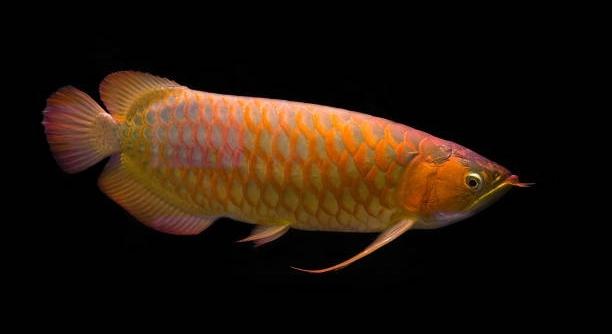
Is your arowana spending more time on the cooler side of the tank instead of near the heater? Observing this behavior can be concerning, especially when you want your fish to remain comfortable and healthy in its environment.
Arowanas may avoid the heater side due to uneven temperature distribution, water quality issues, or stress from tank conditions. Ensuring a stable, appropriate temperature range and proper habitat maintenance is essential for promoting natural swimming behavior and overall well-being.
Understanding why your arowana avoids the heater can help you improve its tank conditions and ensure a healthier, more comfortable environment for your fish.
Common Reasons Your Arowana Avoids the Heater
Sometimes, your arowana may spend more time on the cooler side of the tank because the water temperature is uneven. A heater can create hot spots that make certain areas uncomfortable. Water quality also affects where fish choose to swim. Poor filtration or high levels of ammonia, nitrites, or nitrates can make your arowana prefer cooler areas. Stress can play a role too, caused by sudden changes in the environment, loud vibrations, or overcrowding in the tank. Lighting can influence behavior as well; too much direct light near the heater may drive your fish away. Observing patterns over time can help you understand if the issue is temperature-related or caused by another factor. Adjusting tank conditions slowly and monitoring water parameters regularly ensures your arowana feels safe and healthy.
Uneven heating can make any fish avoid one side, so checking water temperatures is important.
By keeping your tank consistently clean and maintaining an even temperature, your arowana will naturally explore the entire tank. Regular testing of water and slight adjustments to the heater or placement can prevent areas from becoming too hot or stressful. Adding decorations or hiding spots near warmer zones can encourage your fish to move closer without feeling exposed. Proper circulation also helps distribute heat evenly, reducing the chance of hot or cold patches. Over time, a stable environment allows your arowana to maintain normal activity patterns, improving appetite and overall health. Consistency in daily tank care is key, and monitoring behavior helps you identify small changes before they turn into bigger problems. Your fish’s comfort depends on both temperature and water quality, and managing both ensures a calmer, more predictable habitat.
How to Adjust Heater and Tank Conditions
Check the water temperature regularly to ensure it is consistent throughout the tank. Small fluctuations can influence where your arowana prefers to swim.
Adjusting the heater placement and adding a water circulation system can help even out temperatures. Ensure the heater is appropriate for your tank size and that it maintains a steady range without spikes. Regularly test water parameters and perform partial water changes to keep the environment healthy. Overcrowding or strong water currents may also push your fish away from the heater side, so rearranging tank decorations can improve flow and comfort. Creating multiple zones of temperature within a safe range can allow your arowana to choose its preferred spot without stress. By monitoring behavior and water quality consistently, you can maintain a balanced environment that supports your fish’s health and natural swimming patterns.
Temperature Preferences of Arowanas
Arowanas naturally prefer a stable temperature range. Sudden changes or hot spots can make them avoid certain areas. Maintaining 75–82°F ensures they remain comfortable, healthy, and active throughout the day.
If the heater creates uneven zones, your arowana may avoid it even if the overall water temperature seems correct. Fish are sensitive to fluctuations and can detect slight differences between areas. Providing consistent warmth and slow adjustments can help them feel more secure. Using a reliable aquarium thermometer and spreading heat evenly with a circulation pump prevents avoidance behavior. Observing swimming patterns over time helps identify if temperature is the main factor affecting their comfort.
In addition to the heater, ambient room temperature affects your tank. Air drafts, direct sunlight, or nearby vents can influence water temperature near the heater. By controlling these external factors, you minimize fluctuations that make the warmer side uncomfortable. Consistency combined with gradual changes allows your arowana to explore all parts of the tank without stress or hesitation.
Water Quality and Its Effect on Behavior
Poor water quality can drive your arowana away from warmer areas, even if the heater is functioning correctly. Regular testing keeps the environment safe.
Ammonia, nitrites, and nitrates build up over time, making certain zones less appealing. Uneven filtration can create pockets of lower water quality near the heater. Maintaining proper filtration, performing partial water changes, and monitoring chemical levels prevents discomfort and promotes healthy swimming. Consistent care reduces stress and supports normal behavior.
Behavioral changes like avoiding the heater often indicate a need for improved water quality. Cleaning the substrate, removing uneaten food, and checking filter efficiency ensures contaminants don’t accumulate. Introducing aeration or circulation can help distribute water evenly, reducing stagnant areas that fish may avoid. By keeping water parameters within recommended ranges and providing a clean environment, your arowana will feel secure and more likely to explore the warmer side naturally.
Stress and Environmental Factors
Stress can make your arowana avoid the heater side, even when conditions seem fine. Loud noises, frequent tapping, or sudden movements near the tank can trigger this behavior and cause the fish to seek calmer areas.
Overcrowding or aggressive tank mates also increase stress. Your arowana may stay away from the heater side to escape interactions that feel threatening or uncomfortable. Providing hiding spots and reducing disturbances helps your fish feel safer.
Heater Placement Considerations
The position of the heater can affect swimming patterns. Placing it near the tank’s surface or corners may create uneven heat distribution, prompting avoidance. Adjusting placement for consistent warmth across the tank encourages exploration and reduces side preferences.
Circulation and Temperature Distribution
Proper water circulation ensures heat spreads evenly throughout the tank. Without adequate flow, warmer zones may become stagnant, leading your arowana to favor cooler areas. Using a filter or pump helps maintain a balanced temperature.
Observing Behavior Patterns
Tracking your arowana’s daily movement helps identify triggers for heater avoidance. Note times and conditions when it stays away to adjust tank settings accordingly.
FAQ
Why is my arowana avoiding the heater side even though it seems warm enough?
Even if the water appears warm, uneven temperature distribution can create hot spots that feel uncomfortable. Your arowana can detect small differences in water temperature and may avoid areas that feel too hot. Proper placement of the heater and a circulation system helps maintain even warmth.
Can water quality cause my arowana to avoid the warmer side?
Yes. High levels of ammonia, nitrites, or nitrates near the heater can make that area less appealing. Uneven filtration may leave pockets of poor water quality, prompting your fish to prefer cooler zones. Regular testing and partial water changes keep the entire tank safe and comfortable.
Could stress be making my arowana stay away from the heater?
Stress is a common reason for avoidance. Loud noises, vibrations, or sudden movements around the tank can make your fish feel unsafe. Aggressive tank mates or overcrowding also add stress. Providing hiding spots and reducing disturbances helps your arowana feel secure.
Does the placement of the heater really matter that much?
Yes, it does. Placing a heater in a corner or near the surface can create uneven heat zones. Your fish may avoid areas that feel too hot or stagnant. Positioning the heater for even warmth across the tank encourages your arowana to explore all areas.
Can tank decorations influence heater avoidance?
Decorations affect flow and comfort. Sharp or large objects near the heater can make your arowana hesitant to swim nearby. Rearranging décor to create open space near the heater while still providing hiding spots can encourage movement and reduce stress.
Is water circulation important for my arowana’s comfort?
Absolutely. Poor circulation can create stagnant zones around the heater that feel too hot or uncomfortable. Using a filter or circulation pump spreads heat evenly and improves oxygen levels, making the entire tank more inviting for your fish.
How do I know if my arowana is avoiding the heater because of temperature or stress?
Observe patterns carefully. If your fish avoids the heater only when there are disturbances or aggressive tank mates, stress may be the cause. If it consistently avoids one side regardless of activity, uneven temperature or poor water quality is more likely.
Can small adjustments to tank temperature make a difference?
Yes. Gradual changes help your arowana acclimate without triggering avoidance behavior. Sudden spikes or drops in temperature can create discomfort, even in a healthy environment. Monitoring with a reliable thermometer ensures stability.
Are there long-term risks if my arowana avoids the heater side?
Chronic avoidance can indicate underlying problems. If the warmer side is too hot, water quality is poor, or stress is high, your fish may develop health issues over time. Addressing the cause improves overall activity, appetite, and well-being.
Should I move the heater or adjust tank setup if avoidance continues?
Yes. Repositioning the heater for more even distribution, improving circulation, and checking water quality can resolve avoidance. Small changes in tank setup often lead to noticeable improvements in comfort and behavior.
Can diet or feeding times affect heater avoidance?
Indirectly. If your arowana associates feeding with a specific area, it may spend more time there and avoid the heater side if food is lacking. Keeping feeding areas consistent and balanced helps maintain normal swimming patterns.
How often should I test water parameters to prevent avoidance behavior?
Regular testing is crucial. Weekly checks for ammonia, nitrites, nitrates, and pH help ensure a healthy environment. Maintaining stable conditions prevents your arowana from seeking cooler or safer areas due to poor water quality.
Can multiple heaters help reduce avoidance?
Using two heaters can improve heat distribution in larger tanks. Even warmth reduces hot spots, encouraging your arowana to explore more freely and maintain natural activity throughout the tank.
What signs indicate that my arowana is adapting to heater changes?
Improved swimming patterns, exploration of previously avoided areas, consistent activity, and normal appetite are signs your fish is adjusting. Gradual changes combined with observation ensure your arowana feels safe and comfortable.
How do seasonal changes affect heater avoidance?
Room temperature fluctuations can influence tank conditions. Cooler ambient temperatures may make the heater more critical, while warmer rooms reduce reliance on it. Monitoring both the tank and room ensures your arowana remains comfortable year-round.
Can lighting near the heater impact my fish’s behavior?
Yes. Strong direct light near the heater can create a stressful area, causing avoidance. Adjusting lighting or placing the heater away from intense light sources helps your arowana feel safer.
Is it normal for arowanas to avoid the heater sometimes?
Occasional avoidance is normal, especially if they are exploring or resting. Persistent avoidance usually signals an environmental issue, such as uneven temperature, poor water quality, or stress, which should be addressed promptly.
How long should I observe before making changes to the tank setup?
Track behavior for at least a week. Short-term avoidance may be temporary, but consistent patterns indicate adjustments are needed. Recording times, temperature, and activity helps identify the underlying cause accurately.
Are there tools that help maintain a stable environment for my arowana?
Thermometers, circulation pumps, and reliable heaters are essential. Automated timers for lighting and regular water testing kits also support a stable, stress-free environment, encouraging healthy swimming and exploration.
What is the best approach to prevent heater avoidance in the future?
Maintain consistent temperature, good water quality, low stress, and even heat distribution. Gradual changes, careful observation, and proper tank setup ensure your arowana stays comfortable and explores the entire tank naturally.
Monitoring and patience are key. Small, consistent adjustments often resolve avoidance and improve your fish’s overall health and behavior.
Final Thoughts
Maintaining a comfortable environment for your arowana is essential for its health and happiness. Observing behavior patterns, like avoiding the heater side, can provide insight into its well-being. Temperature plays a major role, and even small fluctuations or uneven zones can make your fish feel stressed or uncomfortable. Ensuring consistent warmth across the tank allows your arowana to explore freely without hesitation. Proper placement of the heater, combined with water circulation, helps distribute heat evenly and prevents hot or stagnant areas that the fish may avoid. Alongside temperature, paying attention to water quality is equally important. Regular testing for ammonia, nitrites, nitrates, and pH ensures the environment remains safe. Partial water changes and efficient filtration maintain clean water, which directly affects your arowana’s comfort and willingness to swim near warmer areas.
Stress is another factor that can influence behavior. Loud noises, sudden movements, or aggressive tank mates can make your arowana retreat to cooler or calmer parts of the tank. Providing hiding spots or rearranging decorations can reduce stress and encourage natural activity. Monitoring your fish closely over time helps identify patterns and triggers. Gradual adjustments to the tank setup, heater placement, or room conditions are more effective than sudden changes, as abrupt modifications may increase anxiety and avoidance behavior. Paying attention to lighting is also useful; strong, direct light near the heater may make the area less inviting. Arowanas respond to both temperature and environmental cues, so creating a balanced, calm, and well-maintained tank is key to promoting healthy, confident swimming behavior.
Long-term comfort and health come from consistency and careful observation. Keeping the tank clean, stable, and appropriately heated ensures your arowana has a secure and predictable environment. Avoidance of the heater side is often a sign that adjustments are needed, whether it is temperature regulation, water quality, or stress reduction. By addressing these factors systematically, you can create a habitat where your arowana feels safe, explores the entire tank, and maintains normal activity levels. Understanding your fish’s preferences and behavior allows you to make informed choices about heater placement, water circulation, and daily care routines. With attention to detail and patient observation, you can maintain a healthy, comfortable environment that supports your arowana’s natural behavior and overall well-being.

Hello,
If you enjoy the content that we create, please consider saying a "Thank You!" by leaving a tip.
Every little bit helps us continue crafting quality advice that supports the health, happiness, and well-being of pets around the world, for pets of all shapes, sizes, and species.
We really appreciate the kindness and support that you show us!