
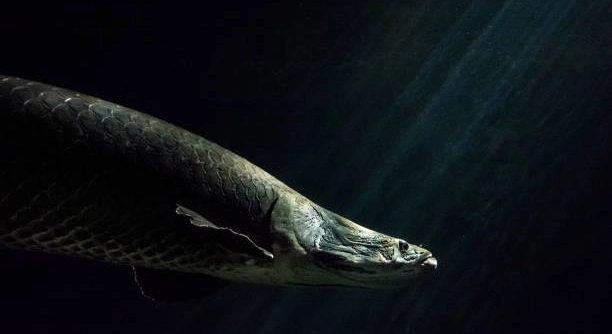
Have you ever noticed your arowana staying still at the bottom of the tank, refusing to swim like it usually does?
Arowanas may refuse to swim due to stress, poor water quality, illness, or unsuitable tank conditions. Factors such as temperature fluctuations, lack of oxygen, or infections can also cause lethargy and immobility in these sensitive fish.
Recognizing these situations early helps maintain your arowana’s health and restore its usual graceful movement in the water.
Stress from Environmental Changes
Arowanas are highly sensitive to sudden changes in their surroundings. When moved to a new tank, exposed to loud noises, or experiencing frequent disturbances, they may stop swimming. These fish thrive in calm, consistent environments where water quality and lighting remain stable. Stress affects their natural rhythm, making them hesitant to move or feed. Adjusting to a new habitat takes time, and forcing activity during this phase can worsen their condition. Gradually introducing changes, maintaining stable parameters, and minimizing stressors help them regain confidence and resume normal swimming behavior.
When your arowana feels stressed, it often displays sluggish movement or prefers staying near the surface. These are signs of discomfort and insecurity that should not be ignored.
Creating a peaceful environment, controlling lighting, and avoiding sudden movements around the tank will gradually help your arowana feel safe again. Consistency in care often restores its graceful swimming pattern naturally.
Poor Water Quality
Dirty or unbalanced water conditions can quickly affect your arowana’s behavior. High ammonia or nitrate levels, improper pH, and low oxygen make it difficult for the fish to breathe and move comfortably.
Maintaining pristine water is vital for your arowana’s health and activity. Frequent water testing, regular filtration checks, and partial water changes are necessary to prevent toxic buildup. Arowanas are large fish that produce significant waste, so filtration systems should match the tank size. Unbalanced parameters not only affect their movement but also their appetite and color. To restore normal behavior, start by testing the water for ammonia, nitrite, and pH. Perform a 25% water change weekly, and ensure strong aeration to maintain oxygen levels. Clean the filter without removing beneficial bacteria. Keeping the environment stable and clean allows your arowana to move freely again, displaying its natural elegance without distress.
Illness or Infection
When an arowana becomes sick, it may refuse to swim or remain at the tank’s bottom. Bacterial, parasitic, or fungal infections often cause lethargy, appetite loss, and clamped fins, signaling that something is wrong.
Common illnesses like ich, fin rot, or dropsy can make swimming painful and exhausting. Early detection is crucial because these conditions worsen quickly. Observe for signs such as white spots, bloating, or cloudy eyes. Quarantine affected fish, treat with proper medication, and maintain pristine water. Avoid overfeeding during treatment, as poor digestion can slow recovery. Keep water temperature stable, and ensure the fish has adequate oxygen circulation throughout its healing process.
Preventing illness begins with maintaining clean water and a balanced diet. Introducing new fish without quarantine often spreads infections. Regular monitoring, careful feeding, and consistent water testing help avoid disease outbreaks. A healthy environment keeps your arowana active and resilient against illness.
Inadequate Tank Space
Arowanas require large, spacious tanks to swim comfortably. Limited space can cause them to feel trapped, reducing movement and increasing stress. These fish grow large, and cramped environments restrict their ability to display natural swimming behavior.
A tank shorter than six feet in length is often too small for adult arowanas. Restricted movement leads to stress, poor growth, and even body deformities over time. It also increases aggression, as they feel confined and vulnerable. To encourage natural swimming patterns, provide enough horizontal space and minimal decorations that obstruct movement. Proper tank size, strong filtration, and an open layout create a sense of freedom. When given room to move gracefully, your arowana will regain its energy, confidence, and elegance, making the tank feel like a true aquatic home.
Low Oxygen Levels
Low oxygen makes it difficult for an arowana to breathe and swim properly. You may notice it gasping near the surface or refusing to move altogether. This usually happens when aeration is poor or the tank is overcrowded.
Increase oxygen by adding an air pump or adjusting water flow. Avoid overstocking and regularly clean filters to ensure proper circulation. Consistent aeration keeps oxygen levels stable, helping your arowana stay active and relaxed while preventing unnecessary stress.
Incorrect Water Temperature
Arowanas thrive in warm water between 75°F and 82°F. Sudden temperature drops or prolonged cold conditions slow their metabolism, making them lethargic. Use a reliable aquarium heater and thermometer to keep the temperature steady. Gradual adjustments prevent shock and keep your fish comfortable and mobile.
Poor Nutrition
Lack of a balanced diet affects an arowana’s energy and muscle strength, leading to inactivity. Feeding a variety of protein-rich foods such as shrimp, pellets, and worms supports healthy movement and bright coloration. Avoid overfeeding, as excess food quickly pollutes the tank.
FAQ
Why does my arowana stay at the bottom of the tank and not move?
When an arowana rests at the bottom and avoids swimming, it often signals discomfort or stress. Poor water quality, incorrect temperature, or illness can make the fish feel weak and inactive. Check ammonia, nitrite, and pH levels immediately. Dirty water or sudden parameter changes harm its gills and cause lethargy. Ensure there is enough oxygen in the tank, as low oxygen levels also lead to this behavior. Once the environment stabilizes, the fish usually becomes active again within a few days.
Can overfeeding make my arowana refuse to swim?
Yes, overfeeding can cause bloating and digestive issues, making the arowana sluggish and unwilling to move. Uneaten food also decays, reducing water quality and creating harmful bacteria. It’s best to feed small portions two times a day, ensuring all food is consumed within minutes. A balanced diet of pellets, shrimp, and insects provides enough nutrients without overloading their system. Consistency and moderation in feeding keep digestion smooth and energy levels steady.
How do I know if my arowana is sick or just resting?
A healthy arowana occasionally rests but remains alert and responsive. If your fish stays still for long periods, refuses food, or breathes heavily, illness may be the cause. Look for white spots, frayed fins, cloudy eyes, or swelling around the belly. These signs often indicate infections that need immediate attention. Isolate the fish if symptoms persist and treat it with proper medication or salt baths. Keeping water clean and stable helps prevent recurring illness.
What should I do if my arowana refuses to swim after a water change?
A sudden refusal to swim after a water change usually means the new water conditions shocked the fish. Always match the temperature and pH of replacement water with the tank’s original conditions. Chlorinated tap water can irritate gills, so use a dechlorinator before adding it. If the fish seems stressed, turn off bright lights and give it time to adjust. Gradual water changes and consistent parameters prevent this issue in the future.
Can lack of space make my arowana inactive?
Yes, arowanas need a large tank to swim freely. When the tank is too small, they feel trapped and stop moving as much. Cramped environments lead to stress, aggression, and body deformities. An adult arowana requires at least a six-foot-long tank with strong filtration. A spacious setup allows them to stretch, glide, and display their natural swimming patterns comfortably. Providing open space and minimal obstructions helps maintain both their physical and mental well-being.
Do tank mates affect an arowana’s behavior?
Incompatible tank mates can stress your arowana, especially if they nip fins or compete for food. Aggressive or overly active fish make them defensive, reducing swimming activity. Choose peaceful companions of similar size, such as large catfish or silver dollars. Avoid overcrowding and ensure enough space for each species. When the environment is balanced, your arowana feels secure enough to swim confidently without constant territorial tension.
How long does it take for an arowana to start swimming normally again?
Recovery time depends on the cause. After stress or minor temperature issues, normal swimming usually resumes within a few days. If illness or infection is involved, it may take a week or more with treatment and proper care. Monitor behavior closely, maintain clean water, and offer nutritious food during recovery. Patience and consistency are key. Once the fish feels stable and secure, it will return to its usual active, graceful movements.
Can lighting affect my arowana’s activity?
Yes, lighting plays a role in how comfortable your arowana feels. Bright or constantly changing light can stress the fish, while too little light may make it lethargic. Maintain a consistent light schedule that mimics a natural day-night rhythm. This helps regulate behavior and keeps your arowana calm and active. Avoid direct sunlight, as it can raise water temperature and encourage algae growth. Balanced lighting supports both health and natural movement.
Is it normal for an arowana to stay still sometimes?
It’s normal for a healthy arowana to rest briefly, especially during the night or after eating. However, prolonged stillness, heavy breathing, or loss of appetite should not be ignored. These could indicate environmental problems or early illness. Observing your fish’s daily patterns helps you notice unusual behavior quickly. Consistent care, stable conditions, and gentle observation ensure your arowana stays active, healthy, and thriving.
Final Thoughts
Caring for an arowana requires patience, consistency, and awareness of its delicate nature. These fish are not only beautiful but also sensitive to changes in their surroundings. When they stop swimming, it often signals that something is wrong within their environment or health. Whether it’s water quality, temperature shifts, or poor diet, each factor influences their overall well-being. Recognizing these subtle changes early helps prevent serious problems from developing. Arowanas thrive in stability, and maintaining a clean, balanced habitat is the best way to support their active and graceful behavior. Every small adjustment you make to improve their comfort can bring visible changes in their energy and swimming habits.
Consistency plays an important role in keeping your arowana active and healthy. Routine checks for water parameters, proper aeration, and suitable temperature ensure a stable environment. Feeding should also be done with care, offering a varied diet that supports muscle strength and vitality. Avoid sudden environmental changes, loud noises, or frequent rearranging of tank decorations, as these can trigger stress. When you provide a predictable, calm space, your arowana learns to feel secure and confident. Regular observation allows you to notice any difference in posture, movement, or appetite, making it easier to act before minor issues become serious. Taking time each day to observe and maintain the tank builds a strong bond and helps your fish feel safe.
Understanding your arowana’s behavior is essential for long-term care. Refusal to swim can seem worrying, but with patience and attention, most causes can be identified and corrected. Balanced conditions, enough space, and clean water all contribute to restoring natural movement. Illnesses can occur even in well-maintained tanks, so it’s important to remain attentive to early warning signs. Simple steps, such as quarantine procedures for new fish, avoiding overfeeding, and maintaining proper oxygen levels, help prevent many common problems. Arowanas respond positively to consistency, calm surroundings, and gentle care. When provided with the right conditions, they will glide through the water effortlessly, showing strength and beauty. Caring for them is a learning process, but it brings rewarding results. A healthy arowana reflects the effort and dedication you put into its environment, reminding you that stability and attention are key to its graceful presence in your home.

Hello,
If you enjoy the content that we create, please consider saying a "Thank You!" by leaving a tip.
Every little bit helps us continue crafting quality advice that supports the health, happiness, and well-being of pets around the world, for pets of all shapes, sizes, and species.
We really appreciate the kindness and support that you show us!