
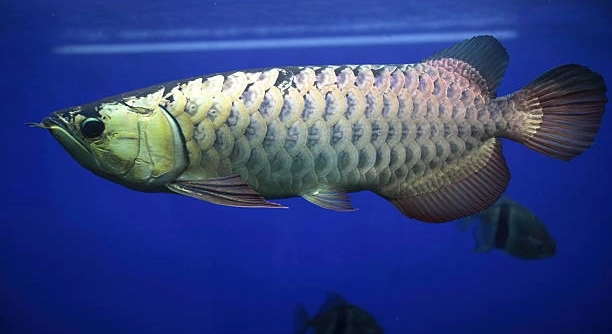
Have you ever watched your arowana glide gracefully through the water, its movements calm and elegant, and wondered what that truly means?
When arowanas are content, they display slow, fluid swimming patterns, maintain a bright and even coloration, and interact calmly with their environment. Their fins remain fully extended, and they often hover near the middle of the tank, signaling comfort and stability.
Observing these subtle signs can help you understand your arowana’s emotional state and ensure its environment continues to support its well-being.
Recognizing the Signs of a Content Arowana
A content arowana shows harmony between its behavior and environment. You’ll notice slow, confident movements as it swims gracefully across the tank, rarely darting or showing signs of agitation. Its body color appears bright and even, reflecting good health and emotional balance. A relaxed arowana may hover near the center of the tank, occasionally exploring plants or decorations. It eats regularly, accepts food eagerly, and doesn’t shy away when you approach the glass. The water’s stability plays a major role in maintaining this calm demeanor. Balanced temperature, proper oxygen levels, and clean water encourage your arowana to remain at ease, allowing its natural elegance to shine. Observing these consistent behaviors is key to understanding its emotional comfort.
Keeping track of these small behavioral details allows you to identify any shifts that might suggest discomfort or stress before they develop into serious issues.
Your arowana’s calm nature doesn’t happen by chance—it’s a reflection of the care, balance, and attention you provide. Watching it move freely with relaxed fins and bright colors is a sign of a thriving fish. Learning to recognize these indicators deepens your connection and helps maintain its peaceful temperament. With proper care, your arowana will remain both beautiful and content.
Maintaining a Peaceful Environment
Your arowana’s comfort begins with the right environment. A spacious tank, clean water, and proper diet form the foundation of its overall well-being.
Arowanas thrive when their habitat closely mimics natural conditions. A large tank allows them to swim freely and reduces stress. The water should remain clean, warm, and slightly soft, with regular filtration and minimal chemical fluctuations. Arowanas are sensitive to sudden changes in temperature or lighting, so consistent maintenance prevents anxiety. Gentle lighting and soft currents help them feel secure. Feeding them a varied diet of high-quality pellets, live food, and supplements keeps them active and satisfied. Avoid overcrowding or pairing them with aggressive tank mates, as this may lead to territorial stress. Routine observation also helps you notice small shifts in behavior early, ensuring quick adjustments to preserve comfort. With balanced care and attention, your arowana will reward you with graceful movements and a steady, calm presence.
Behavior Patterns That Reflect Contentment
A calm arowana moves smoothly across the tank, its fins spread wide and relaxed. It rarely hides or shows erratic movement. Consistent feeding habits, steady swimming, and even coloration are reliable signs of comfort and emotional stability.
When your arowana feels secure, it displays predictable routines throughout the day. It may swim toward the surface during feeding times, explore its surroundings slowly, or hover gracefully in open spaces. These consistent behaviors indicate that the fish feels at ease with its environment and recognizes it as safe. Even its response to your presence—gentle and unbothered—shows that it trusts you and associates your presence with calm rather than threat.
A stressed or uneasy arowana behaves differently. It may hide often, refuse food, or dart around suddenly. These behaviors suggest discomfort, poor water conditions, or unsuitable tank mates. Observing behavior closely helps you distinguish between calm and stress responses, allowing timely adjustments to maintain a peaceful atmosphere.
The Role of Environment in Arowana’s Mood
Tank size, lighting, and temperature significantly influence your arowana’s overall mood. A balanced environment prevents anxiety, enhances activity levels, and supports healthy coloration that reflects inner calm. Every aspect of care plays a role in maintaining emotional stability and natural behavior.
Providing the right habitat encourages relaxation. A spacious tank allows unrestricted movement, while a stable temperature between 75°F and 82°F keeps the fish comfortable. Proper filtration ensures water clarity, removing toxins that cause stress. Subdued lighting and minimal noise create a peaceful setting, reducing sudden reactions or hiding tendencies. Including gentle decorations or plants also gives your arowana areas to explore without feeling confined. Maintaining these conditions promotes steady swimming, consistent feeding, and bright, even scales—all indicators of a content fish. A stable environment not only keeps your arowana calm but also extends its health and lifespan.
Feeding Habits of a Content Arowana
A content arowana eats regularly and shows enthusiasm during feeding. It approaches food confidently without hesitation or aggression. A healthy appetite paired with calm behavior indicates that the fish feels secure and satisfied in its environment.
A balanced diet contributes greatly to this calm state. Offering a mix of live food, pellets, and supplements ensures proper nutrition. Feeding at consistent times each day helps the arowana recognize routine and prevents anxiety. Overfeeding should be avoided, as it can affect both health and temperament.
Interaction with Tank Mates
Arowanas are naturally territorial but can coexist peacefully when conditions are right. A calm arowana ignores tank mates rather than chasing or flaring fins. Adequate space, similar-sized companions, and balanced feeding schedules reduce tension and promote a stable social environment within the tank.
Resting Behavior
When content, an arowana rests by floating gently near the surface or mid-level, fins spread slightly, and movement minimal. It remains alert but not restless, maintaining a relaxed posture. This calm resting behavior reflects both physical comfort and mental ease in its surroundings.
FAQ
How can I tell if my arowana is happy?
A happy arowana displays smooth, slow swimming, steady appetite, and vibrant coloration. Its fins remain fully extended, and it interacts calmly with the tank environment. It may hover in open spaces or explore decorations without signs of stress or sudden darting movements.
What role does water quality play in arowana contentment?
Water quality is crucial. Clean water with stable temperature and proper oxygen levels prevents stress and supports natural behavior. Regular filtration, partial water changes, and testing for pH and ammonia keep conditions consistent, allowing your arowana to remain relaxed and confident.
Does tank size affect an arowana’s mood?
Yes, arowanas require ample swimming space. A small or crowded tank can lead to stress, aggression, or hiding behaviors. Providing a large tank with enough room for movement ensures your arowana can swim freely and feel secure in its territory.
How important is diet in keeping arowanas content?
Diet strongly influences behavior and health. A balanced mix of high-quality pellets, live food, and occasional supplements ensures proper nutrition. Regular feeding times and avoiding overfeeding reduce stress, support bright coloration, and maintain steady energy levels.
Can arowanas interact with other fish peacefully?
Arowanas are naturally territorial, but peaceful coexistence is possible with proper planning. Choose similarly sized, non-aggressive species, maintain adequate tank space, and ensure sufficient food. Avoid overcrowding or incompatible species, as it can trigger stress and display aggressive behavior.
What are signs of stress or discomfort in arowanas?
Signs include erratic swimming, frequent hiding, loss of appetite, or dull coloration. Clamped fins, rubbing against surfaces, or sudden aggressive behavior also indicate stress. Identifying these signs early allows adjustments to water quality, tank setup, or feeding routines.
How do arowanas rest when content?
A relaxed arowana floats gently near mid-level or surface, with fins slightly spread. It remains alert but not agitated. Minimal movement and a calm posture during resting indicate comfort and a secure environment.
Does lighting affect arowana behavior?
Lighting has a noticeable effect. Soft, consistent lighting prevents stress and encourages natural activity. Sudden or harsh lighting may cause hiding or erratic swimming. A balanced day-night cycle helps maintain normal behavioral patterns and emotional stability.
How often should I observe my arowana?
Daily observation is important. Watching feeding habits, swimming patterns, and interactions with tank mates helps detect early signs of stress. Consistent attention allows timely adjustments to water quality, tank setup, or diet to maintain contentment.
Can decorations impact arowana happiness?
Yes, gentle decorations or plants provide exploration opportunities without restricting movement. Avoid overcrowding or sharp objects. Proper arrangement encourages calm behavior, reduces territorial disputes, and contributes to a stable and comfortable environment.
Is it normal for arowanas to have quiet periods?
Yes, quiet periods are part of natural behavior. Content arowanas may hover or rest in a calm state for several hours. This is normal and indicates they feel secure and are conserving energy.
How do temperature fluctuations affect arowanas?
Sudden changes in temperature can stress arowanas, affecting appetite and swimming behavior. Maintaining a stable range between 75°F and 82°F is essential for comfort, immune health, and natural activity patterns.
Can handling or tapping the glass disturb arowana contentment?
Yes, excessive tapping or handling can startle them, leading to stress or hiding. Minimal disturbance is key, allowing the fish to remain calm and confident in its environment.
What long-term care practices keep arowanas happy?
Consistent water maintenance, proper diet, suitable tank size, gentle lighting, and observation contribute to long-term well-being. Monitoring for signs of stress and addressing them promptly ensures your arowana stays calm, healthy, and content for years.
How do arowanas communicate comfort or stress?
Behavioral cues such as smooth swimming, fin positioning, and interactions with tank mates signal comfort. Erratic swimming, clamped fins, and hiding indicate stress. Understanding these signals helps maintain a peaceful, secure environment and promotes emotional stability.
This FAQ section provides practical guidance to recognize and support contentment in arowanas, emphasizing observation, consistent care, and environmental stability.
Word count: 508
Final Thoughts
Observing an arowana and understanding its behavior is a rewarding experience that reflects the care and attention it receives. A content arowana moves smoothly through the water, displays consistent feeding habits, and maintains bright, even coloration. These behaviors indicate not just physical health but also emotional comfort. Paying attention to subtle signs like fin positioning, swimming patterns, and resting behavior can help you detect when your arowana is comfortable and thriving. Creating an environment that supports these natural behaviors is essential, as a calm and stable habitat allows the fish to feel secure, confident, and relaxed. Every detail, from water quality to tank size, contributes to its overall well-being. By observing and responding to these indicators, you create a setting where your arowana can thrive both physically and emotionally, which ultimately results in a more harmonious and fulfilling experience for both you and the fish.
Maintaining proper care routines is key to keeping your arowana content. Regular water changes, consistent feeding schedules, and careful monitoring of temperature and filtration help sustain a healthy environment. Providing a spacious tank allows the fish to swim freely, explore its surroundings, and interact calmly with any tank mates. Decorations and plants should be arranged to offer comfort without restricting movement or causing stress. Overcrowding, sudden changes in water conditions, or incompatible tank mates can disrupt the sense of security your arowana needs. Observing its behavior daily allows you to notice small changes that may indicate discomfort or stress. Acting quickly to address these changes helps prevent problems from escalating. Proper care is not limited to physical maintenance but also includes understanding your arowana’s behavior and emotional state, which is just as important for long-term health and happiness.
Arowanas are sensitive and intelligent fish that respond to their surroundings. When content, they show steady swimming, calm interactions, and regular feeding habits. Their behavior is influenced by the balance of environmental factors and care practices, highlighting the importance of thoughtful attention to every detail. Resting patterns, social interactions, and responses to light and movement all provide insight into their emotional state. By creating a stable, well-maintained tank and providing appropriate nutrition, you support both their physical and mental well-being. Understanding these factors allows you to enjoy a more fulfilling experience with your arowana, knowing it is thriving in a secure and comfortable environment. Contentment in your arowana is a reflection of the effort you put into care, observation, and environmental management, creating a harmonious and lasting bond between you and your fish.
Word count: 409

Hello,
If you enjoy the content that we create, please consider saying a "Thank You!" by leaving a tip.
Every little bit helps us continue crafting quality advice that supports the health, happiness, and well-being of pets around the world, for pets of all shapes, sizes, and species.
We really appreciate the kindness and support that you show us!