
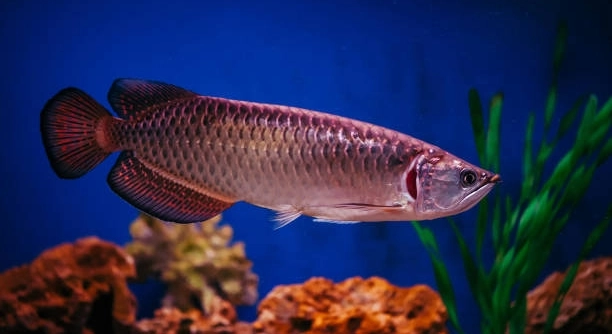
Are your arowanas swimming slowly or lingering in one corner of the tank more than usual? Noticing subtle changes in their behavior can reveal when they are experiencing boredom, which is often overlooked by aquarium owners.
Arowanas exhibit signs of boredom through repetitive swimming patterns, lack of interaction with their environment, reduced appetite, and unusual rest behaviors. Identifying these behaviors early helps maintain their mental stimulation and overall health in captivity.
Recognizing these cues ensures your arowana stays active and healthy, preventing long-term stress and promoting a more enriching environment in your aquarium.
Restless Swimming Patterns
When arowanas are bored, their swimming often becomes repetitive. They may pace back and forth along the same path, bumping lightly against the tank walls. This behavior is more than just idle movement; it signals a lack of mental stimulation. Over time, these repetitive patterns can stress the fish, impacting appetite and immune response. Observing your arowana during different times of the day can help determine if the pacing is consistent or triggered by environmental factors. Adding decorations, driftwood, or floating plants can break monotony and encourage exploration. Varied tank layouts and rearranging objects occasionally provide fresh stimuli that keep the fish engaged. Even small changes, like shifting feeding locations or using feeding tongs, can redirect attention. Recognizing these signs early allows you to respond effectively, ensuring your arowana maintains both physical and mental health. Paying attention to these subtle cues helps prevent long-term stress.
Restless swimming is often paired with reduced engagement in the tank, signaling that your arowana needs environmental enrichment.
Providing a mix of open space and structured hiding spots helps your arowana stay active, curious, and mentally stimulated, reducing stress and supporting healthy behavior patterns in the tank over time.
Lack of Interaction with Environment
Bored arowanas often ignore objects in their tank, swimming past decorations without interest. They may also show little curiosity toward new items or changes.
When arowanas do not interact with plants, ornaments, or floating objects, it is a clear indication of boredom. Regularly introducing new textures or hiding spots encourages natural behaviors like exploring and investigating.
Environmental enrichment is key to stimulating your arowana. Items such as floating logs, anchored plants, or gentle water currents can create subtle challenges that prompt movement and interaction. Rearranging objects periodically prevents monotony and promotes curiosity. Even simple changes, like varying feeding methods or locations, can engage their senses and improve mental stimulation. Over time, boredom can lead to inactivity or aggression, so consistent attention to tank dynamics is essential. Observing how your arowana responds to changes helps you gauge whether interventions are effective, ensuring your fish remains healthy and active.
Reduced Appetite
A bored arowana often shows less interest in food, leaving pellets or live feed untouched. Changes in feeding habits can indicate mental stagnation rather than illness.
Loss of appetite may stem from boredom because the fish lacks stimulation and motivation to eat actively. They might swim lazily around the tank, ignoring feeding times or chasing food halfheartedly. This behavior can affect growth and overall health if it persists. Adjusting feeding routines, offering varied food types, and incorporating interactive feeding methods can help re-engage their interest. Encouraging natural hunting behaviors with live or moving food provides both physical exercise and mental stimulation, reducing boredom-related feeding issues. Regular observation of eating patterns allows you to notice small changes before they become serious.
Ensuring your arowana remains motivated during meals improves overall well-being and keeps their diet consistent, preventing nutritional deficiencies and promoting a healthy, active lifestyle.
Unusual Resting Behaviors
Bored arowanas may spend excessive time resting in one spot, often against the tank walls or near decorations. This is different from normal sleep behavior.
When an arowana rests abnormally, it often shows little responsiveness to external stimuli. They may hover in the same position for hours, barely reacting to tankmates or feeding cues. This inactivity is a sign of mental stagnation, as the fish is not engaged with its environment. Introducing subtle changes, like water flow variations or movable decorations, encourages them to move and explore. Structured interaction through feeding or gentle tank rearrangements can stimulate curiosity. Resting in unusual spots repeatedly may also signal minor stress, so monitoring water quality, temperature, and lighting is essential. Prompt intervention can prevent long-term inactivity, supporting both mental and physical health.
Encouraging active behaviors through environmental modifications ensures your arowana balances rest and activity, maintaining overall vitality.
Repetitive Surface Breathing
Bored arowanas may repeatedly swim to the surface and gasp for air more often than usual, even in well-oxygenated water. This behavior is often a sign of restlessness rather than a health issue.
Consistent surface activity without signs of distress suggests the fish is seeking stimulation. Providing floating objects or gentle water currents can redirect their attention and reduce repetitive surface breathing.
Loss of Color Intensity
Arowanas experiencing boredom may show duller coloration over time. Vibrant scales often fade when mental stimulation is lacking.
Introducing varied lighting, new decorations, or rearranging tank elements can help restore engagement. A more dynamic environment encourages movement and interaction, which may gradually bring back their natural color intensity.
Increased Aggression
Bored arowanas can become more aggressive toward tankmates or even their reflection. This behavior stems from excess energy and lack of stimulation.
Aggressive interactions can lead to injuries or stress, affecting overall health. Providing sufficient space, hiding spots, and interactive elements reduces tension. Structured feeding times and enrichment strategies help manage energy levels, promoting calmer behavior.
Ignoring Social Cues
A bored arowana may fail to respond to other fish or signals in the tank. They might avoid interaction or display minimal curiosity toward companions.
This lack of engagement indicates mental stagnation. Encouraging exploration and structured social interaction can help maintain healthy social behavior and reduce signs of boredom.
FAQ
How can I tell if my arowana is bored?
Bored arowanas often show repetitive swimming, lack of interaction with tank objects, unusual resting spots, and reduced interest in food. Observing these behaviors over several days can help determine whether boredom is affecting your fish. Subtle changes in color or increased aggression may also indicate a lack of mental stimulation.
What changes can I make to prevent boredom?
Introducing new decorations, rearranging existing objects, or adding floating plants can encourage exploration. Interactive feeding, such as moving food with tongs or varying feeding times, also stimulates natural behaviors. Gentle water currents and occasional minor adjustments in the tank environment help maintain curiosity and activity.
Is arowana boredom harmful to health?
Yes. Mental stagnation can reduce appetite, increase stress, and affect immune function. Chronic boredom may lead to inactivity or aggressive behavior toward tankmates. Ensuring consistent environmental enrichment supports both physical and mental well-being, helping your arowana maintain healthy behaviors.
Can changes in feeding help reduce boredom?
Offering a variety of foods, including live or moving prey, encourages natural hunting instincts. Feeding at different locations or using interactive methods prevents monotony. Structured feeding routines paired with environmental changes help keep your arowana engaged and physically active.
How often should I rearrange the tank?
Small changes every few weeks are enough to keep the environment stimulating. Avoid drastic changes that may stress the fish. Even minor adjustments, like shifting ornaments or changing plant placement, provide new areas to explore and prevent repetitive behavior.
Are toys or objects necessary for arowanas?
While not essential, objects like floating logs, anchored plants, and subtle decorations provide opportunities for exploration and mental stimulation. These items allow the fish to display natural behaviors, reducing boredom and promoting overall health.
How do I manage aggression caused by boredom?
Providing enough space, hiding spots, and enrichment elements helps diffuse excess energy. Reducing repetitive surface activity and encouraging interaction through environmental changes can lower aggressive tendencies. Observing behavior closely allows for timely interventions if conflicts arise.
Can boredom affect my arowana’s lifespan?
Chronic boredom can indirectly impact longevity by increasing stress levels, reducing appetite, and weakening immunity. Consistent mental stimulation and a well-structured environment promote healthy activity levels and reduce stress, supporting a longer, more vibrant life for your arowana.
What role does tank size play in boredom?
Smaller tanks limit swimming space, increasing the likelihood of boredom. Larger tanks with varied environments allow for natural movement, exploration, and social interactions. Ensuring ample space is a key factor in preventing boredom and supporting mental well-being.
How can I tell the difference between illness and boredom?
Boredom usually presents as repetitive swimming, reduced interaction, or dull coloration without other signs of distress. Illness often comes with physical symptoms such as fin rot, bloating, or erratic swimming. Observing behavior patterns alongside physical health helps distinguish between the two.
Can changing water conditions help with boredom?
Stable water parameters are essential for health, but slight changes in flow or temperature can encourage exploration. Avoid rapid shifts that cause stress. Gentle modifications, like adding mild currents, simulate natural environments and reduce monotonous behavior.
How long does it take to correct boredom behaviors?
Response times vary depending on the fish and environment. Some arowanas show improvement within days of enrichment, while others may take weeks. Regular monitoring, combined with consistent stimulation and varied feeding, encourages gradual re-engagement.
Are certain arowana species more prone to boredom?
Larger and more active species may show boredom more quickly due to higher mental and physical needs. Tailoring the tank environment and enrichment strategies to the specific species ensures adequate stimulation and prevents repetitive behaviors.
What signs indicate that enrichment is working?
Increased exploration, curiosity toward tank objects, active feeding, and brighter coloration are positive indicators. Reduced pacing, less surface activity, and calmer behavior toward tankmates also show that your interventions are effective and your arowana is mentally engaged.
Can boredom affect breeding behavior?
Boredom may reduce reproductive activity by lowering energy levels and interest in mating. Creating a stimulating environment with appropriate hiding spaces, territory markers, and interaction opportunities encourages natural breeding behaviors.
How important is social interaction for arowanas?
Some species enjoy observing tankmates, while others prefer solitude. Ensuring appropriate social conditions prevents boredom-induced stress. Adjusting tankmates and providing sufficient space allows for healthy interactions without aggression.
Can I use automated devices to keep my arowana engaged?
Tools like moving feeders or mild current generators can supplement enrichment but should not replace natural environmental changes. Combining these devices with rearranged objects and varied feeding strategies promotes active engagement.
What is the best overall strategy to prevent boredom?
A combination of environmental enrichment, varied feeding, structured interaction, and monitoring behavior is most effective. Regular small changes, interactive elements, and attention to tank layout maintain curiosity, reduce stress, and support arowanas’ physical and mental well-being consistently.
How can I track progress effectively?
Keep a simple journal of behaviors, feeding patterns, and interactions. Noting changes in swimming, rest spots, appetite, or aggression helps assess whether enrichment strategies are working. Gradual improvements indicate engagement, while persistent boredom signals a need for additional interventions.
Are there long-term consequences if boredom is ignored?
Ignoring boredom can lead to chronic stress, increased aggression, health decline, and premature aging. Mental stimulation, environmental enrichment, and attentive care are essential to prevent negative effects and maintain a balanced, healthy life for your arowana.
Final Thoughts
Arowanas are intelligent and active fish that require both physical space and mental stimulation to thrive. Boredom can be subtle at first, showing as minor changes in swimming patterns, reduced interest in food, or less interaction with the tank environment. Over time, these behaviors can develop into more noticeable signs such as repeated surface swimming, unusual resting spots, or increased aggression toward tankmates. Observing your arowana carefully is essential. Spending time watching how it behaves during feeding, at different times of day, and when interacting with objects in the tank provides valuable insight into its mental state. Early recognition of boredom allows you to take action before it affects the fish’s overall health. Consistency in observation is important, as small changes often appear gradually and may be easy to overlook at first. By identifying these signs promptly, you can prevent long-term stress and ensure your arowana maintains healthy and natural behaviors.
Environmental enrichment is key to keeping arowanas engaged and mentally stimulated. Simple changes, like adding floating plants, ornaments, or rearranging existing decorations, encourage exploration and curiosity. Providing areas for the fish to hide or investigate reduces repetitive behavior and helps maintain a sense of novelty in the tank. Interactive feeding methods, such as moving food with tongs or using live or moving prey, replicate natural hunting instincts, keeping the fish active and focused. Even subtle adjustments in water flow or gentle currents can motivate movement and exploration without causing stress. These approaches not only reduce boredom but also support physical health by encouraging exercise. A well-structured environment that balances open swimming space with interesting features promotes mental engagement and overall well-being. Taking the time to create a stimulating environment ensures that your arowana remains active, healthy, and vibrant.
Addressing boredom is not just about preventing negative behaviors but also about enhancing the overall quality of life for your fish. A bored arowana is more prone to stress, which can weaken immunity and lead to health issues over time. By introducing a variety of stimuli, maintaining consistent monitoring, and making small but meaningful changes to the tank, you help your arowana remain curious, active, and emotionally engaged. Observing responses to environmental adjustments is equally important, as it helps determine which strategies are most effective. Ultimately, providing a balanced environment with mental and physical enrichment ensures your arowana enjoys a fulfilling and healthy life. Maintaining engagement in the tank is an ongoing process, but the rewards include a more active, vibrant fish and a more dynamic, lively aquarium.

Hello,
If you enjoy the content that we create, please consider saying a "Thank You!" by leaving a tip.
Every little bit helps us continue crafting quality advice that supports the health, happiness, and well-being of pets around the world, for pets of all shapes, sizes, and species.
We really appreciate the kindness and support that you show us!