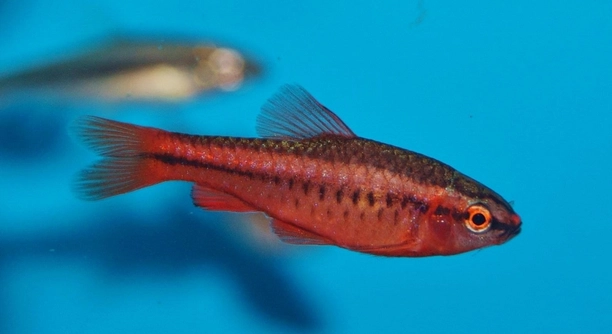
What Happens If You Keep a Lone Cherry Barb?
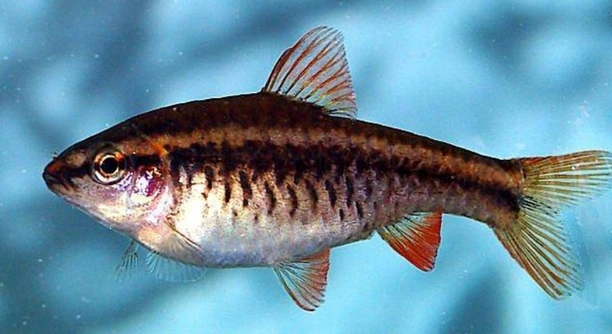
Have you ever brought home a cherry barb and wondered how it would do on its own in your aquarium? These small, colorful fish are popular among beginners and often chosen for their vibrant appearance and peaceful behavior. Keeping a lone cherry barb can lead to stress, reduced activity, and a weakened immune system. These … Read more
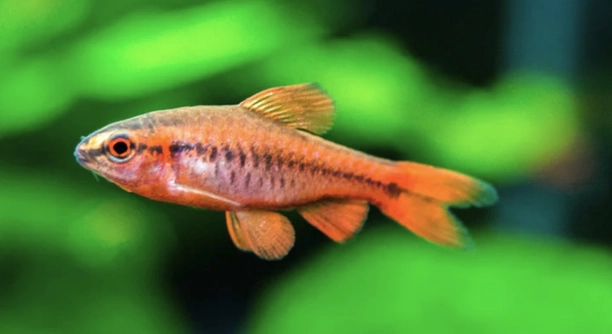
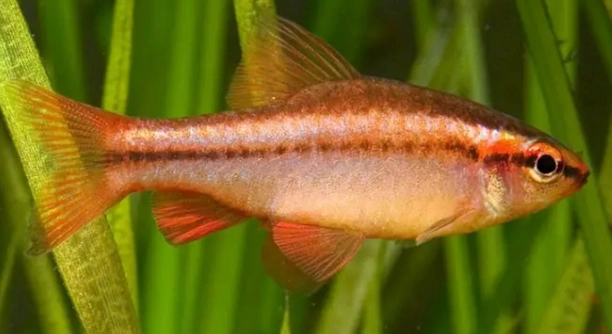
Why Is My Cherry Barb Swimming Weird? (+7 Causes)

If your cherry barb is swimming in a way that seems unusual, it can be concerning. Various factors could contribute to this behavior, and understanding them is crucial to ensure your fish’s well-being. The primary reason for abnormal swimming in cherry barbs is stress, often caused by poor water quality, incorrect tank conditions, or even … Read more

Do Cherry Barbs Need Frequent Water Testing?

Cherry Barbs are popular freshwater fish in many aquariums. They are known for their vibrant colors and peaceful nature. However, proper care is essential to ensure their health and well-being in a home tank environment. Cherry Barbs do not require frequent water testing unless there are visible issues with water quality. Regular maintenance, like water … Read more

7 Things to Try If Cherry Barbs Refuse Food

Cherry barbs are popular aquarium fish, but sometimes they can be picky eaters. If your cherry barbs are refusing food, it might be frustrating. Understanding the possible reasons behind this behavior can help you find a solution. The refusal of food in cherry barbs can be due to several factors such as water quality issues, … Read more

Do Cherry Barbs Know the Difference Between People?

Cherry barbs are small, vibrant fish often kept in home aquariums. People enjoy their lively behavior and colorful appearance, but there’s more to these fish than meets the eye. You may wonder if they can distinguish between humans. Cherry barbs have been shown to recognize individuals, particularly their regular caretakers. They can associate specific people … Read more

7 Signs You’re Overfeeding Your Cherry Barbs

Cherry barbs are popular aquarium fish known for their vibrant colors and peaceful nature. However, overfeeding can lead to health issues that affect their well-being. It’s essential to recognize the signs of overfeeding to keep them happy and healthy. Overfeeding cherry barbs can cause various problems, such as bloating, poor water quality, and digestive issues. … Read more

Why Are Cherry Barbs So Popular with Aquascapers?

Cherry barbs are becoming a favorite among aquascapers, known for their small size, striking colors, and peaceful nature. They fit well in both beginner and advanced aquascapes, making them a popular choice for various aquatic environments. The popularity of cherry barbs in aquascaping stems from their vibrant color and adaptability. They thrive in well-planted tanks … Read more

7 Signs Your Cherry Barb Is Feeling Confident

Cherry barbs are active, colorful fish known for their playful nature. When they feel confident, they display certain behaviors that are easy to spot. Observing these signs can help you understand your fish’s mood and health. Cherry barbs often exhibit bold behavior when they are comfortable in their environment. Confident fish swim freely, explore their … Read more

Can Cherry Barbs Coexist with Dwarf Cichlids?

Cherry barbs and dwarf cichlids are two popular freshwater fish species in aquariums. While both are relatively peaceful, it’s important to consider their compatibility when housing them together in the same tank. Both species can coexist, but certain conditions must be met for their success. Cherry barbs thrive in schools, while dwarf cichlids prefer more … Read more

7 Water Parameters Cherry Barbs Need to Thrive

Cherry Barbs are vibrant, peaceful fish that make a great addition to aquariums. However, to thrive, they require specific water conditions that support their health and well-being. Understanding these water parameters is key to keeping them happy. Cherry Barbs need a temperature range between 74-80°F, a pH level of 6.0-8.0, and soft to moderately hard … Read more