
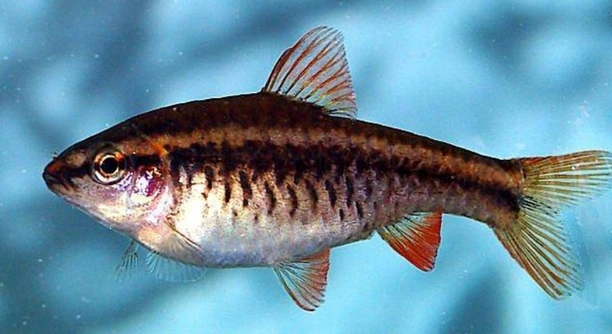
Have you ever brought home a cherry barb and wondered how it would do on its own in your aquarium? These small, colorful fish are popular among beginners and often chosen for their vibrant appearance and peaceful behavior.
Keeping a lone cherry barb can lead to stress, reduced activity, and a weakened immune system. These fish are naturally social and thrive in groups, so isolation can negatively impact their health, behavior, and overall lifespan.
Learning how social dynamics affect cherry barbs can help you make better care decisions and create a healthier environment in your tank.
Cherry Barbs Are Schooling Fish
Cherry barbs are naturally inclined to live in groups. In the wild, they form small schools that provide safety, comfort, and structure. Being in a group helps reduce stress and encourages normal, active behavior. When kept alone, a cherry barb may become withdrawn, hide often, or even stop eating. Over time, loneliness can lead to weakened immunity and a shorter lifespan. Group interaction also plays a key role in their social communication. These fish rely on each other for cues, whether it’s about feeding or avoiding perceived threats. Without others around, a lone cherry barb often becomes inactive and timid. Although some may adapt, the risks usually outweigh the benefits. Keeping at least five cherry barbs together is generally recommended for their well-being. In a group, they display their natural colors more vividly and remain more engaged in their environment.
A single cherry barb will likely become stressed without companions, showing signs of discomfort and reduced activity.
To keep them healthy and mentally stimulated, you need to replicate their social environment as closely as possible. Housing them in a school not only supports physical health but also enhances their natural behavior, creating a more dynamic and balanced aquarium. They’re more confident and responsive when surrounded by their own kind.
Behavioral Changes in Isolation
When cherry barbs are kept alone, behavioral changes usually happen quickly. They may stop exploring their surroundings and lose interest in food. This shift is not just emotional but physical, impacting their immune systems and overall health.
In some cases, the lone cherry barb may become territorial or overly shy. You might see it hiding in corners or refusing to come out, especially during feeding times. The lack of interaction can leave them disoriented and anxious. This stress builds up and can result in illness. Some may even develop stress-related conditions, such as fin rot or faded coloration. In contrast, cherry barbs kept in groups are far more interactive and engaged. They chase each other playfully and respond better to their environment. Social cues from other fish encourage them to remain active and curious. In short, keeping them alone deprives them of essential social behavior. It’s a form of deprivation that leads to a lower quality of life and potentially a shorter lifespan. For these reasons, keeping cherry barbs in groups is not only recommended—it’s necessary for their mental and physical well-being.
Tank Setup and Environment
A healthy environment supports the social and physical needs of cherry barbs. A well-planted tank with open swimming space, consistent water parameters, and calm tank mates helps reduce stress and promotes natural group behavior.
Cherry barbs thrive in community tanks with stable conditions. Keep the water temperature between 74–79°F, and maintain a slightly acidic to neutral pH around 6.5–7.5. Soft to moderately hard water works best. Use live plants to create hiding spots and natural borders, but leave enough space for free swimming. Cherry barbs feel more secure in shaded areas, so floating plants or dim lighting can help. Avoid pairing them with aggressive or very large fish, as this can make them feel threatened and disrupt their social habits. A quiet, balanced environment helps them behave more naturally, promoting their bright coloration and overall health.
In a group, cherry barbs often establish a loose hierarchy, where males may display brighter colors to compete gently for attention. This behavior disappears when the fish is isolated, leading to duller colors and less movement. In a well-set tank, group behavior adds life and variety to the aquarium. A stressed or lonely barb, even in a beautifully set tank, won’t behave the same way or thrive long term.
Alternatives to Keeping One Cherry Barb
If keeping a school of cherry barbs isn’t possible due to space or budget, there are still ways to meet their needs better than housing one alone. Always aim to keep a minimum of five if possible.
Look into nano setups designed for small communities. Even a 10- to 15-gallon tank can comfortably hold a small group. Reduce the number of other fish to focus on your cherry barbs. Alternatively, if you already have a community tank, try introducing more of them slowly, monitoring for compatibility. Some aquarists also choose to rehome lone cherry barbs to setups where other barbs are already thriving. It’s not ideal to keep them alone for long periods, but temporary isolation due to illness or quarantine is acceptable. Just be sure they’re returned to a group as soon as possible. If you’re unable to provide company, consider choosing a different species more suited for solitary living. Respecting their social nature supports a healthier and more humane setup.
Signs Your Cherry Barb Is Lonely
A lonely cherry barb often shows less color and hides more than usual. It may avoid swimming openly and stay near the bottom or in corners. These signs usually point to stress caused by lack of social interaction.
Changes in eating habits are also common. A cherry barb kept alone may stop eating or eat much less than usual. It can become more nervous during feeding time, especially if other fish are present but unfamiliar or too active.
How Long Can One Cherry Barb Live Alone?
A lone cherry barb might survive for several months, but its quality of life will steadily decline. Without social stimulation, it may become increasingly withdrawn and sick more often. The lack of interaction affects its immune system, leaving it more vulnerable to common illnesses. While it may still eat and move, these behaviors will likely be muted and less frequent. Over time, its vibrant red color may fade, and its activity levels will drop. These signs show that the fish is not thriving. In contrast, cherry barbs in schools often live longer, more active lives, and display more natural behaviors.
Final Thought on Housing
Always consider the needs of the species before setting up a tank. Cherry barbs rely on group living for comfort, health, and stability.
FAQ
Can a single cherry barb live with other species?
A single cherry barb can live with other species, but it will still miss the social interactions of its own kind. When housed with peaceful tank mates, it may adapt, but stress is likely. It’s important to choose tank mates that are non-aggressive and don’t compete for the same resources. Small, peaceful species like tetras, guppies, or corydoras can make good companions. However, if a cherry barb is alone for long periods, even a peaceful tank mate won’t fully compensate for the lack of group dynamics it needs.
How many cherry barbs should be kept together?
The minimum number of cherry barbs to keep together is five. This number allows them to establish a social hierarchy and feel secure. With a small group, they’re more active, and their natural behaviors, such as schooling and displaying bright colors, emerge. Anything fewer than five may cause stress and unhealthy behaviors. If you’re limited on space, it’s still better to have a small school of cherry barbs than to keep one alone. A group of five will improve the fish’s overall health and well-being.
Do cherry barbs need a specific tank size?
Cherry barbs are small fish, but they still need room to swim. A 20-gallon tank is a good minimum size for a small school. Smaller tanks can quickly lead to poor water quality, especially in a group. Keeping them in a spacious environment reduces stress and supports their natural behavior. If you plan to keep a larger group, consider upgrading to a 30-gallon or larger tank. The more space you provide, the better the chances of keeping the barbs healthy and happy. Avoid overcrowding, as it can lead to aggression and poor water conditions.
What water parameters do cherry barbs need?
Cherry barbs prefer stable water conditions. The ideal temperature range is 74–79°F, and the pH should be between 6.5 and 7.5. They also prefer soft to moderately hard water, with a hardness of 5–15 dGH. Regular water changes are crucial to maintaining good water quality and keeping cherry barbs healthy. They are sensitive to ammonia and nitrites, so be sure your tank is fully cycled before introducing any fish. Maintaining stable water conditions is key for cherry barbs to thrive, especially in a school where stress levels are lower.
Can I keep cherry barbs with shrimp?
Yes, cherry barbs can generally coexist with shrimp, but there are exceptions. Smaller shrimp, like cherry shrimp or ghost shrimp, may be at risk of being eaten by larger, more aggressive fish. However, since cherry barbs are peaceful, they’re unlikely to target shrimp unless they’re very small. It’s important to provide plenty of hiding spaces for shrimp and ensure they’re established before adding any fish. Larger shrimp like Amano or bamboo are usually safe from cherry barbs, and they can even help clean the tank by consuming algae and detritus.
Do cherry barbs need a filter?
Yes, cherry barbs need a filter to keep the water clean and properly oxygenated. A filter helps maintain the water quality by removing excess waste, uneaten food, and other debris that could lead to poor water conditions. Since cherry barbs are sensitive to water quality, a good filter is necessary to provide a healthy environment. However, avoid strong currents that could stress the barbs. A gentle filter with adjustable flow is ideal, as it creates a more comfortable environment for these small, peaceful fish.
How often should I feed my cherry barbs?
Cherry barbs should be fed twice a day in small amounts. They’re not picky eaters and will consume most types of food, including flake food, pellets, and frozen foods. A balanced diet that includes high-quality flakes or pellets, as well as occasional live or frozen foods like brine shrimp or daphnia, will keep them healthy and active. Avoid overfeeding, as excess food can pollute the tank and lead to health issues. Ensure all food is consumed within a few minutes to prevent water quality problems. It’s important to maintain a regular feeding schedule for consistency and to prevent underfeeding or overfeeding.
Can cherry barbs be kept with bettas?
Cherry barbs can be kept with bettas, but caution is necessary. Bettas are known for being territorial, and a male betta may become aggressive toward cherry barbs, especially if they are brightly colored. However, if you provide plenty of hiding spots and space, they can often coexist peacefully. It’s best to avoid keeping a betta in a tank with many other colorful fish, as this can trigger aggression. Female bettas are typically less territorial, so they may be more tolerant of tank mates like cherry barbs. Always monitor their behavior, and separate them if aggression arises.
Are cherry barbs good for beginners?
Cherry barbs are an excellent choice for beginner fish keepers due to their hardy nature and peaceful temperament. They are easy to care for and adaptable to a wide range of water conditions. Cherry barbs are also small, making them suitable for smaller tanks. As long as their basic needs, such as water quality, temperature, and social interactions, are met, they thrive in most aquariums. With proper care and attention, a group of cherry barbs will add vibrant color and activity to your tank, making them a rewarding choice for new hobbyists.
Final Thoughts
Keeping a lone cherry barb is not ideal for the fish’s health and well-being. While it may survive for a time, its stress levels will likely rise due to the lack of social interaction. Cherry barbs are naturally social creatures that thrive in groups, and a solitary existence can lead to a decline in their physical and behavioral health. Without other cherry barbs, they often lose their vibrancy, becoming less active and showing signs of stress. Providing them with a group of their own kind is the best way to ensure they live a full, healthy life.
When housing cherry barbs, consider the importance of tank mates. While they are peaceful fish, they still benefit from the presence of other cherry barbs. A minimum of five barbs in the same tank allows them to establish their social dynamics, feel more secure, and display their natural behaviors. Additionally, these fish need space, with a 20-gallon tank being the minimum size for a small group. Keeping the water clean and maintaining stable conditions will help prevent stress and improve the overall environment for your fish.
In conclusion, cherry barbs are best kept in groups to maintain their health and happiness. Their social nature makes them better suited to life with companions of their own species. Although they can live with other peaceful fish, the absence of other cherry barbs means they won’t be able to fully express their natural behavior. If you want your cherry barbs to thrive, providing them with a group and a suitable tank environment is key. This will not only keep them active and healthy but also enhance the beauty and activity level of your aquarium.

Hello,
If you enjoy the content that we create, please consider saying a "Thank You!" by leaving a tip.
Every little bit helps us continue crafting quality advice that supports the health, happiness, and well-being of pets around the world, for pets of all shapes, sizes, and species.
We really appreciate the kindness and support that you show us!