
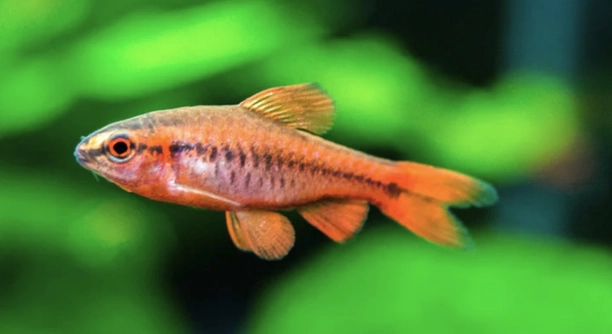
If your cherry barb is swimming in a way that seems unusual, it can be concerning. Various factors could contribute to this behavior, and understanding them is crucial to ensure your fish’s well-being.
The primary reason for abnormal swimming in cherry barbs is stress, often caused by poor water quality, incorrect tank conditions, or even aggression from other fish. Addressing these issues promptly can restore normal behavior.
Identifying the root cause can help you correct the problem and keep your cherry barb healthy and active.
Stress and Anxiety in Cherry Barbs
Cherry barbs can show abnormal swimming behavior when they are stressed or anxious. This can happen due to overcrowded tanks, sudden changes in water temperature, or new fish being introduced. Even loud noises or a bustling environment can cause stress. Stress may lead to erratic swimming, hiding, or even staying at the surface of the tank. It’s important to create a peaceful and stable environment for your fish to thrive. Ensure the tank is appropriately sized, the water temperature is consistent, and there are plenty of hiding spots to make your fish feel safe.
Some symptoms of stress include rapid swimming or swimming in circles. These behaviors might also be a sign of underlying health issues. Therefore, it’s essential to monitor the fish’s environment closely. Additionally, giving them space to avoid aggression can improve their comfort.
Proper water quality is critical for the health of any fish, including cherry barbs. Regular water changes and checking water parameters (such as pH, ammonia, nitrite, and nitrate levels) will help avoid stress-related issues.
Poor Water Quality
Water quality is a major factor in the health and behavior of cherry barbs. When the water is dirty or improperly balanced, it can cause discomfort for your fish. High levels of ammonia or nitrates, improper pH, or unclean water can lead to abnormal swimming patterns. It’s important to maintain a clean tank by performing regular water changes and ensuring your filtration system is functioning properly.
Fish also react to pH and temperature fluctuations. Sudden changes in water chemistry can stress your cherry barb, leading to erratic swimming. Keeping your water parameters consistent and checking them regularly will help maintain a comfortable environment for your fish.
Overfeeding is another issue that affects water quality. Excess food leads to excess waste, which can quickly degrade water conditions. Monitoring your feeding schedule and removing uneaten food is essential for keeping the water clear.
Aggression from Other Tank Mates
Cherry barbs are generally peaceful but can become stressed if they are housed with more aggressive tank mates. When fish are constantly chased or nipped at, they may display unusual swimming behavior, including darting or hiding. These signs are often a response to feeling threatened. Keeping peaceful species together and ensuring the tank has enough hiding spaces will help prevent aggression.
Aggression often escalates in overcrowded tanks or when fish are kept with species that have territorial tendencies. It is advisable to house cherry barbs with other non-aggressive fish to maintain peace in the tank.
Adding plenty of plants and decorations can provide hiding spots, giving your cherry barbs the opportunity to escape potential threats. This not only reduces stress but also mimics their natural habitat, which helps them feel more secure.
Illness or Injury
Cherry barbs may swim erratically due to illness or injury. Health problems like internal parasites, bacterial infections, or wounds can cause discomfort. If your fish is swimming unusually, check for signs of disease, such as discoloration, lesions, or changes in eating habits.
Injuries may also lead to abnormal swimming. A cherry barb can get hurt from aggressive tank mates, rough decorations, or even accidental falls. Injured fish often swim in a more cautious manner or may have difficulty staying upright. If you spot an injury, separate the fish from others to prevent further harm.
A thorough check for physical damage or symptoms of illness is important. Look for signs like swelling, visible wounds, or abnormal gill movement. Proper treatment, such as administering medication or improving the tank conditions, can aid recovery. Early intervention is key to ensuring your fish’s health.
Water Temperature
Water temperature plays a crucial role in the behavior of cherry barbs. These fish thrive in temperatures ranging from 72°F to 80°F (22°C to 27°C). Water that’s too cold or too warm can cause stress, leading to erratic swimming patterns. Extreme fluctuations can be dangerous.
If your cherry barb is swimming in an unusual way, check the temperature with a thermometer. Cold water slows down their metabolism, while high temperatures can cause hyperactivity or lethargy. Maintaining a steady, optimal temperature promotes healthy behavior and ensures the fish remain active and comfortable.
Consider using a reliable heater with a thermometer to maintain the ideal water temperature. If your aquarium experiences rapid temperature changes, it’s important to resolve this quickly to prevent further stress.
Overcrowding
Overcrowded tanks can cause cherry barbs to swim erratically due to stress. When there’s not enough space to move, fish may feel trapped, leading to unusual behavior like darting or hiding.
Ensure your tank has enough room for the number of fish you have. This helps reduce stress and promotes healthy swimming. A crowded environment can also cause poor water quality, which adds to the discomfort.
Increasing tank size or reducing the number of fish in the tank can help. Providing more space allows the fish to feel more secure and reduces aggressive behavior among them.
Poor Diet
Feeding your cherry barb an improper diet can lead to poor health and erratic swimming. Insufficient nutrients or unbalanced foods can cause lethargy or hyperactivity.
Cherry barbs require a varied diet, including high-quality flake food, pellets, and occasional live food. Without a proper diet, they may develop digestive issues or weakness, affecting their swimming patterns. A balanced feeding schedule ensures their energy levels are stable, reducing stress and promoting normal behavior.
Feeding a variety of foods prevents nutritional deficiencies. Make sure to avoid overfeeding, as leftover food can pollute the water, causing additional stress.
Poor Tank Maintenance
Poor tank maintenance can lead to a variety of issues for cherry barbs, including abnormal swimming behavior. Dirty tanks with high levels of toxins can stress fish out and affect their health. Regular cleaning is essential.
Maintaining proper filtration and performing weekly water changes will keep the environment clean. Dirty tanks contribute to poor water quality, which can lead to stress and illness. Keep an eye on water parameters to ensure your fish are comfortable.
FAQ
Why is my cherry barb swimming in circles?
Swimming in circles is often a sign of stress or an illness. If your cherry barb is swimming in circles, it could indicate an underlying health issue, such as a parasite or an infection. Stress caused by overcrowding, poor water quality, or aggression from other fish can also lead to this behavior. Ensure your tank has good filtration, proper water parameters, and adequate space for your fish to reduce stress. If the behavior persists, consider isolating the affected fish and seeking treatment for potential diseases.
What causes cherry barbs to swim at the surface of the tank?
Swimming at the surface may be a sign of water quality problems, particularly low oxygen levels or high ammonia. Fish often swim near the surface when they are struggling to get enough oxygen, especially in poorly aerated tanks. Check the water parameters to ensure they are within the proper range, and consider adding a filter or air stone to improve aeration. Also, ensure your tank is not overcrowded, as this can cause oxygen depletion.
How can I stop my cherry barb from swimming erratically?
To stop erratic swimming, first, identify the root cause. Check for stress factors such as poor water quality, aggressive tank mates, or incorrect temperature. Improving tank conditions by performing regular water changes, adjusting the temperature to the ideal range, and ensuring proper filtration can help. If aggression is the cause, separating the aggressive fish may also improve the situation. If the erratic swimming continues, consult a veterinarian for possible health issues.
Is it normal for cherry barbs to swim upside down?
Swimming upside down is not normal and may indicate a serious issue, such as a swim bladder problem. This condition affects a fish’s ability to maintain its position in the water. Swim bladder issues can be caused by constipation, injury, or an infection. You can try offering your cherry barb a varied diet and avoid overfeeding to prevent constipation. If the behavior persists, consider consulting an aquarium specialist or vet for further treatment.
How can I tell if my cherry barb is stressed?
Stress in cherry barbs can be identified by unusual swimming patterns, such as darting, erratic movements, or hiding more frequently. Additionally, stressed fish may lose their appetite, change color, or display signs of physical injury. Common causes of stress include overcrowding, sudden changes in water parameters, aggressive tank mates, or improper diet. Monitoring your cherry barb’s behavior and addressing environmental factors can help reduce stress.
What should I do if my cherry barb is hiding a lot?
Excessive hiding is a common sign of stress or illness in cherry barbs. If your fish is hiding more than usual, check the water quality and ensure the tank conditions are ideal. It may also be responding to aggression from other fish or feeling vulnerable in the tank. Adding plants or decorations to create more hiding spots can help your cherry barb feel secure. If the behavior continues, consider isolating the fish to observe its health more closely.
Can cherry barbs live with other fish without showing abnormal behavior?
Yes, cherry barbs are generally peaceful and can live with other non-aggressive species without showing abnormal behavior. However, tank mates that are overly aggressive or territorial can cause stress, leading to unusual swimming or hiding. It’s important to select tank mates that share similar environmental needs and are known to get along well with cherry barbs. Some good tank mates for cherry barbs include guppies, rasboras, and neon tetras.
Why is my cherry barb swimming in a zigzag pattern?
Zigzag swimming can be a sign of stress or an infection, particularly a parasite or bacterial issue. In some cases, it may also occur due to poor water quality. If your fish is swimming in a zigzag pattern, check the water parameters, especially ammonia, nitrites, and nitrates. Ensure the temperature is stable, and the tank is not overcrowded. If the behavior continues, isolate the fish and seek advice on potential treatments.
How do I know if my cherry barb is sick?
Signs of illness in cherry barbs include abnormal swimming patterns, loss of appetite, discoloration, or physical changes such as lesions or swelling. Fish that are sick may also isolate themselves from the group or rest at the bottom of the tank. If you notice these symptoms, it’s important to test the water quality first. If the water parameters are fine, the fish may be dealing with an infection or parasite, and it’s best to quarantine the fish and consult a professional.
What is the ideal tank size for cherry barbs?
For a small group of cherry barbs, a tank size of at least 20 gallons is recommended. This ensures enough space for swimming and reduces stress. An overcrowded tank can lead to aggression and poor water quality, both of which can cause abnormal swimming behavior. A larger tank also allows for proper filtration and provides the opportunity to add other peaceful tank mates.
Final Thoughts
Cherry barbs are active and peaceful fish that can be great additions to a community tank. However, like all fish, they require proper care to thrive. If your cherry barb is swimming weirdly, it’s important to assess the tank environment first. Factors such as water quality, temperature, overcrowding, and tank mates all play significant roles in their behavior. Identifying and addressing these factors can help restore your fish’s natural swimming patterns and overall health.
Maintaining a stable environment for your cherry barb is key. Ensure the water parameters are optimal, the temperature remains within the recommended range, and the tank is not overcrowded. Adding a good filtration system, performing regular water changes, and monitoring the fish for signs of illness will improve the chances of keeping your cherry barbs healthy. Stress from poor water conditions or aggressive tank mates can lead to erratic swimming or hiding, so it’s essential to provide a balanced environment for them.
If you continue to notice abnormal swimming behavior despite making these adjustments, it may be time to consult with a veterinarian or aquarium specialist. They can provide further guidance on potential treatments or suggest steps for managing illnesses such as internal parasites or swim bladder problems. Ultimately, your cherry barb’s well-being relies on your attention to detail and proactive care. Taking the necessary steps to keep them comfortable will help them live healthy, happy lives in your aquarium.

Hello,
If you enjoy the content that we create, please consider saying a "Thank You!" by leaving a tip.
Every little bit helps us continue crafting quality advice that supports the health, happiness, and well-being of pets around the world, for pets of all shapes, sizes, and species.
We really appreciate the kindness and support that you show us!