
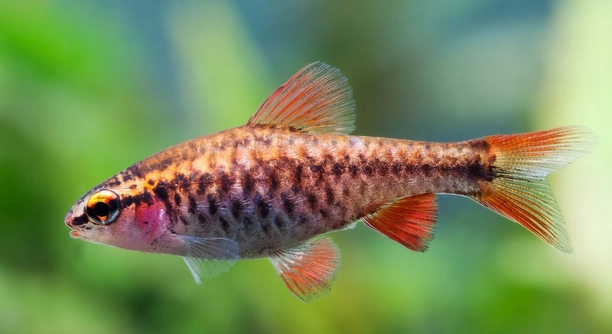
Cherry barbs and dwarf cichlids are two popular freshwater fish species in aquariums. While both are relatively peaceful, it’s important to consider their compatibility when housing them together in the same tank.
Both species can coexist, but certain conditions must be met for their success. Cherry barbs thrive in schools, while dwarf cichlids prefer more territorial space. Ensuring ample hiding spots and proper tank size will minimize territorial aggression.
Creating the right environment will lead to peaceful cohabitation. With the correct setup, these two species can live harmoniously in your aquarium.
Factors to Consider When Keeping Cherry Barbs with Dwarf Cichlids
When deciding whether cherry barbs and dwarf cichlids can coexist, several factors must be considered. Tank size plays a significant role, as both species require space to thrive. Cherry barbs are social fish that feel more comfortable in groups, so they should be kept in schools of at least six. Dwarf cichlids, on the other hand, are territorial and often prefer their own space. Providing adequate space for both species to establish territories without causing stress or aggression is crucial.
A well-planted tank can also help reduce territorial disputes. Dense vegetation offers hiding spots for cherry barbs and dwarf cichlids, ensuring that each species has its own private space to retreat when needed. The aquarium’s layout should include both open swimming areas and more enclosed spots to meet the needs of both fish.
Water parameters should be kept stable. Both species prefer slightly acidic to neutral water, with a temperature range between 74-80°F. Maintaining these conditions will help keep both species healthy and reduce stress levels, ensuring that they can coexist peacefully.
Tank Setup for Cherry Barbs and Dwarf Cichlids
When setting up a tank for both species, focus on creating a balanced environment. Ensure that there are plenty of hiding spots, such as rocks, caves, and dense plants, to allow both fish to feel secure.
Adding a proper filtration system is vital. Clean water supports the health of both cherry barbs and dwarf cichlids. Regular water changes are important to maintain good water quality.
Tank mates should also be chosen carefully. Avoid adding overly aggressive fish that may threaten either species. Peaceful and non-competitive fish will help create a harmonious tank environment for both cherry barbs and dwarf cichlids. Keep in mind that while these two species are relatively calm, their peaceful nature can be disturbed by stress or unfavorable conditions.
By focusing on the right tank setup, water conditions, and the careful selection of tank mates, you can successfully house cherry barbs and dwarf cichlids together. These steps will ensure a peaceful aquarium where both species can thrive.
Behavior and Temperament
Cherry barbs are generally peaceful and active. They tend to swim in groups, which helps them feel secure. On the other hand, dwarf cichlids can be more territorial, especially during breeding. This difference in behavior can lead to occasional conflicts if the tank is too small or not well arranged.
Cherry barbs are often peaceful but may become stressed if kept in smaller groups. They can tolerate a variety of tank mates, but overcrowding or competition for food may lead to stress. Dwarf cichlids are territorial, particularly when defending breeding sites. They are likely to claim a part of the tank as their own and may become aggressive towards other species, especially during mating seasons.
While cherry barbs are active and social, dwarf cichlids prefer to stay in their territories. Proper tank setup, with plenty of hiding spots, is necessary to keep the peace between the two. With enough space and decor, these two species can cohabit peacefully.
Feeding Considerations
Both cherry barbs and dwarf cichlids have relatively simple feeding needs. Cherry barbs will eat most standard fish food, including flakes and pellets. Dwarf cichlids require a slightly more varied diet, including live or frozen foods such as brine shrimp and bloodworms.
Although both species are omnivorous, it’s important to offer a diet that caters to their specific needs. Dwarf cichlids may need extra protein to support their health and growth, especially during breeding. On the other hand, cherry barbs are not as demanding and will happily accept a range of foods. Both species thrive on a balanced diet, and proper feeding will help prevent conflicts over food.
Feeding times should be spaced out to ensure that both species have access to their share. Avoid overfeeding, as this can lead to water quality issues and stress in the tank.
Water Conditions
Both cherry barbs and dwarf cichlids prefer similar water conditions. A slightly acidic to neutral pH, around 6.5 to 7.5, works well for both. The temperature should be maintained between 74°F and 80°F to ensure their comfort.
Maintaining stable water parameters is essential for both species. Regular water changes, along with filtration, will help keep the water clean and reduce stress. Cherry barbs are more tolerant of slight changes, but dwarf cichlids require consistent conditions, especially when breeding. A stable environment helps prevent aggression and ensures both species remain healthy.
Tank Size
The minimum tank size for housing both species together is 30 gallons. This provides enough space for cherry barbs to swim in schools and allows dwarf cichlids to establish their territories. A larger tank is preferable to avoid crowding.
Providing ample swimming space is crucial for both species. The tank should have various areas for the barbs to swim freely and enough hiding spots for the cichlids to retreat when needed. Overcrowding can lead to stress and territorial aggression, so ensure that the tank is large enough to accommodate both species comfortably.
Compatibility with Other Fish
Both cherry barbs and dwarf cichlids can live with other peaceful species, but it’s important to choose tank mates carefully. Avoid aggressive fish, as they may stress out both species.
Some good tank mates for cherry barbs and dwarf cichlids include other small, peaceful species like tetras and rasboras. These species won’t compete for space or food, which helps maintain harmony in the tank. Avoid overly active or larger fish that may intimidate the more reserved dwarf cichlids. Compatibility with other species relies on creating a balanced, peaceful environment.
FAQ
Can cherry barbs and dwarf cichlids live together peacefully?
Yes, cherry barbs and dwarf cichlids can coexist peacefully if the tank is large enough and well-planted. Cherry barbs are social and active fish, while dwarf cichlids can be territorial. Ensuring sufficient space and hiding spots for both species is key to minimizing conflict. Proper water conditions and feeding schedules also help reduce aggression.
What is the best tank size for cherry barbs and dwarf cichlids?
A 30-gallon tank is the minimum recommended size for housing both species together. This allows enough space for cherry barbs to swim in schools and gives dwarf cichlids space to establish their territories. A larger tank is ideal to further reduce stress and avoid overcrowding.
Do cherry barbs need a school to feel comfortable?
Yes, cherry barbs are social fish and prefer to be kept in schools of at least six individuals. A school provides them with the security they need to thrive. Without this, they may become stressed or less active, which can affect their health and behavior.
Do dwarf cichlids need a specific environment to thrive?
Yes, dwarf cichlids are territorial, particularly during breeding periods. They need spaces to establish their territories, such as rocks, caves, or dense plants. A well-planted tank with several hiding spots is essential to minimize aggression and provide the cichlids with a sense of security.
How do I prevent aggression between cherry barbs and dwarf cichlids?
Aggression can be minimized by ensuring the tank is large enough and properly set up. Providing plenty of hiding spots, plants, and decorations will give both species space to retreat when needed. A well-established tank with stable water conditions also helps reduce stress and aggression.
What water conditions do cherry barbs and dwarf cichlids prefer?
Both cherry barbs and dwarf cichlids prefer slightly acidic to neutral water, with a pH range between 6.5 and 7.5. The temperature should be kept between 74°F and 80°F. Regular water changes and proper filtration are essential for maintaining good water quality and preventing stress.
What should I feed cherry barbs and dwarf cichlids?
Both species are omnivorous but have slightly different dietary needs. Cherry barbs will eat most standard fish foods, such as flakes and pellets. Dwarf cichlids, however, benefit from a more varied diet, including live or frozen foods like brine shrimp and bloodworms. Offering a balanced diet helps maintain their health and avoid competition for food.
Can cherry barbs live with other fish?
Yes, cherry barbs are peaceful and can live with other non-aggressive fish. They do well with small species like tetras, rasboras, and other peaceful community fish. Avoid aggressive fish or large species that may threaten or intimidate them. The tank’s environment should foster harmony and reduce stress.
Are dwarf cichlids compatible with other fish?
Dwarf cichlids can live with peaceful fish but may become aggressive toward tank mates during breeding seasons or if they feel their territory is threatened. It’s best to keep them with other calm species. Avoid tank mates that are overly active or large enough to cause stress.
Do cherry barbs and dwarf cichlids get along during breeding seasons?
During breeding, dwarf cichlids can become more territorial and may exhibit aggressive behavior to protect their nests. Cherry barbs, being less territorial, might be affected by this aggression. To reduce stress, provide plenty of hiding spots and space for the cichlids to claim their territory.
What is the lifespan of cherry barbs and dwarf cichlids?
Cherry barbs generally live for 3 to 5 years with proper care, while dwarf cichlids have a lifespan of about 5 years. Providing stable water conditions, a balanced diet, and a peaceful environment will help both species live a long and healthy life.
Can cherry barbs be kept with other types of cichlids?
While cherry barbs are peaceful, they may not be compatible with larger or more aggressive cichlid species. It’s best to choose smaller, less territorial cichlids for tank mates. Ensure that the tank is large enough and offers sufficient hiding spaces to prevent any potential conflicts.
How do I maintain good water quality for cherry barbs and dwarf cichlids?
Good water quality is essential for the health of both species. Regular water changes, at least 25% of the tank volume every two weeks, help maintain clean water. Use a good filtration system and monitor water parameters, such as pH, ammonia, nitrites, and nitrates, to ensure they stay within the ideal range.
Should I add any plants to the tank?
Yes, adding live plants to the tank is beneficial for both species. Plants provide hiding spots, reduce stress, and help with water filtration. Cherry barbs enjoy swimming among plants, while dwarf cichlids can use them to establish territories. Choose plants that thrive in slightly acidic to neutral water.
Final Thoughts
Cherry barbs and dwarf cichlids can coexist in the same tank if their environment is carefully planned. The key to a successful setup lies in maintaining stable water conditions, providing enough space, and offering hiding spots for the cichlids. Both species are peaceful, but their differences in behavior and territorial instincts need to be considered. A well-sized tank with ample space for swimming and territory will help prevent stress and aggression.
Caring for both cherry barbs and dwarf cichlids requires attention to detail, particularly when it comes to tank size and setup. Cherry barbs thrive in schools, so they should be kept in groups of six or more. They are active fish that enjoy swimming in open spaces, while dwarf cichlids are more territorial, especially during breeding. Providing plants, rocks, and caves allows the cichlids to establish territories without causing harm to the barbs. A balanced diet for both species is essential, as cherry barbs will accept a variety of foods, while dwarf cichlids benefit from live or frozen options for a more varied diet.
By ensuring the water quality remains optimal and introducing species that are compatible, you can create a harmonious tank for both cherry barbs and dwarf cichlids. Keeping the tank clean, maintaining stable temperatures, and monitoring for any signs of aggression are all essential practices. Both species can live together peacefully, but careful planning and monitoring are necessary to ensure their long-term health and happiness. With the right approach, these fish can thrive in a shared environment, providing you with a vibrant and diverse aquarium.

Hello,
If you enjoy the content that we create, please consider saying a "Thank You!" by leaving a tip.
Every little bit helps us continue crafting quality advice that supports the health, happiness, and well-being of pets around the world, for pets of all shapes, sizes, and species.
We really appreciate the kindness and support that you show us!