
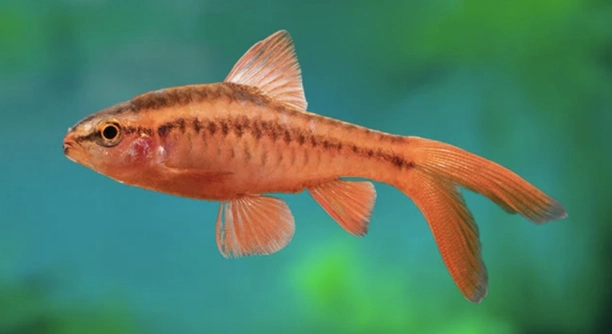
Cherry barbs are popular aquarium fish known for their vibrant colors and peaceful nature. However, overfeeding can lead to health issues that affect their well-being. It’s essential to recognize the signs of overfeeding to keep them happy and healthy.
Overfeeding cherry barbs can cause various problems, such as bloating, poor water quality, and digestive issues. Signs include an increase in leftover food, fish lethargy, or noticeable changes in behavior, all of which can harm their overall health.
Understanding how to properly feed your cherry barbs will help prevent complications and ensure they thrive in your aquarium.
Increased Leftover Food
When you overfeed your cherry barbs, leftover food often accumulates in the tank. This not only affects the water quality but can also stress your fish. Food sitting at the bottom of the tank decomposes, leading to ammonia buildup. This toxic compound harms both fish and plants. Over time, it can cause long-term health issues for your cherry barbs, including skin irritation, bloating, or a weakened immune system.
Leftover food can also attract unwanted pests like snails or bacteria, which complicate tank maintenance. The more food that remains uneaten, the more frequent water changes you’ll need to keep the environment healthy.
To prevent this, feed only what your fish can consume in a few minutes. This ensures they’re getting the nutrients they need while preventing uneaten food from affecting the tank.
Lethargy and Inactivity
Overfed fish tend to be sluggish and inactive. When cherry barbs eat more than they can handle, they may experience bloating or discomfort, which results in a lack of energy. In extreme cases, overfeeding can lead to digestive problems, making it difficult for the fish to move or swim properly.
When cherry barbs are overfed, they can also lose their interest in swimming and interacting with tank mates. Their movements become slow and deliberate, signaling that something isn’t right. This behavior may indicate a stressed fish trying to deal with excess food in its system.
Ensuring your cherry barbs receive a balanced amount of food daily can prevent this issue. Keep an eye on their activity levels, and if they start showing signs of lethargy, you might want to adjust their feeding schedule or portions.
Poor Water Quality
Overfeeding leads to excess food breaking down in the tank, which directly impacts water quality. This food decomposes into waste that raises ammonia levels, putting stress on your fish. High ammonia levels can cause harmful conditions, including skin issues, breathing difficulties, and increased susceptibility to disease.
To avoid this, you should perform regular water tests. Keep track of ammonia, nitrites, and nitrates, as an imbalance can signal overfeeding. In addition, ensure your filtration system is adequate to handle the waste load. If necessary, change the water more often to maintain a clean environment for your cherry barbs.
Over time, poor water quality can lead to long-term health issues, not just for the cherry barbs but for all the inhabitants of the tank. It’s essential to act early to avoid putting unnecessary strain on the ecosystem in your aquarium.
Digestive Problems
Overfeeding cherry barbs can lead to digestive problems. Excess food, particularly if it’s not consumed quickly, can cause the fish to experience bloating, constipation, or other digestive issues. This affects their overall health and energy levels.
If your cherry barbs seem bloated or are having trouble swimming, this could be a sign of overfeeding. In severe cases, it can cause internal issues, making it harder for your fish to absorb nutrients properly. While occasional bloating may not be harmful, consistently overfeeding your fish can have a lasting impact on their digestive system.
To avoid these issues, it’s crucial to feed your cherry barbs the appropriate portion size and remove any uneaten food after a few minutes. A healthy, well-balanced diet will ensure they stay active and happy, avoiding the risk of digestive problems.
Stress and Aggression
Overfeeding your cherry barbs can cause them stress, which may lead to aggressive behavior. When the tank is filled with uneaten food, it can alter the water chemistry and cause discomfort. Stress often makes fish more territorial or skittish.
The extra food and poor water quality can make your fish feel unsafe in their environment. This could lead to fights between your fish or aggressive interactions with other tank mates. Keeping feeding times consistent and avoiding overfeeding will help reduce stress levels in your cherry barbs.
Uneaten Food Attracting Pests
If food is left uneaten, it may attract pests like snails or harmful bacteria. These pests can disrupt the balance of the tank and complicate your maintenance routine. Regular cleaning and feeding the right portions will prevent this issue.
If left unchecked, pests may overpopulate your aquarium, making it harder to maintain water quality. Snails, in particular, can reproduce quickly, causing a mess in your tank.
FAQ
How much should I feed my cherry barbs?
Feeding your cherry barbs the right amount is essential for their health. You should offer them food they can consume in about two to three minutes. Overfeeding can cause uneaten food to decompose, which can lead to poor water quality. Make sure to remove any excess food after feeding to prevent it from affecting the water chemistry.
Feed them small amounts twice a day. If you notice leftover food at the bottom of the tank, consider reducing the portion size. Cherry barbs are small fish, so it’s easy to feed them too much without realizing it.
What happens if I overfeed my cherry barbs?
Overfeeding cherry barbs can lead to a variety of issues, such as poor water quality, digestive problems, and stress. Leftover food decomposes, raising ammonia levels in the tank. This can cause the water to become toxic for the fish, leading to skin problems, bloating, and other health issues.
Overfeeding also causes cherry barbs to become lethargic. They may lose interest in swimming or interacting with tank mates. Additionally, digestive problems such as constipation or bloating can arise, making the fish feel uncomfortable and reducing their quality of life.
How can I tell if my cherry barbs are overfed?
Look for signs such as leftover food in the tank, sluggish behavior, or bloating. If your cherry barbs aren’t swimming around much or seem uninterested in their surroundings, this could be a sign of overfeeding. Bloated fish often struggle to move or may hover near the surface or bottom of the tank.
Another indicator is poor water quality. Ammonia spikes due to excess food in the tank can be harmful to both fish and plants. If you notice any of these signs, consider adjusting the amount you’re feeding them.
Can I feed cherry barbs once a day?
While it’s generally recommended to feed cherry barbs twice a day, feeding them once a day can also work if the portions are appropriately controlled. Just be sure that the portion you provide is small enough that it can be consumed within a few minutes.
Feeding once a day can help reduce the chances of overfeeding, as long as you carefully monitor the water quality and fish behavior. If your fish show signs of hunger, you can adjust the feeding schedule accordingly, but always avoid overfeeding.
What should I feed my cherry barbs?
Cherry barbs are omnivores, so they require a balanced diet that includes both plant-based and protein-based foods. You can feed them high-quality flake food or pellets specifically designed for small tropical fish. Supplement their diet with live or frozen foods like brine shrimp, daphnia, or bloodworms.
Vegetables like blanched spinach, zucchini, or peas can be a good addition to their diet as well. Make sure to remove any uneaten vegetable pieces after a few hours to prevent water contamination. A varied diet will help ensure that your cherry barbs remain healthy and vibrant.
How do I maintain water quality while feeding cherry barbs?
Maintaining water quality is crucial when feeding cherry barbs. Start by feeding only what they can eat in a few minutes. After the feeding session, remove any leftover food promptly. This helps to prevent food from decomposing and raising ammonia levels in the tank.
You should also perform regular water changes, especially if you’re feeding your fish larger portions. Test the water frequently to monitor ammonia, nitrite, and nitrate levels. Ensure your tank has an efficient filtration system to help keep the water clean. Keeping a consistent feeding routine will also help maintain stable water quality.
Can overfeeding cause cherry barbs to get sick?
Yes, overfeeding can cause a range of health issues for your cherry barbs. The excess food in the tank decomposes and raises ammonia levels, which can lead to poisoning. Symptoms of ammonia poisoning include lethargy, skin lesions, and erratic swimming.
In addition to water quality issues, overfeeding can lead to digestive problems like constipation or bloating. Over time, this can weaken the immune system, making your cherry barbs more susceptible to infections and diseases. Keeping their diet balanced and feeding the right amount will help them stay healthy and strong.
Do cherry barbs need to be fed every day?
Yes, cherry barbs should be fed every day. A daily feeding schedule ensures they receive the nutrients they need to stay active and healthy. However, be careful not to overfeed. Stick to small portions that they can finish within a few minutes.
Feeding them once or twice a day is ideal. If you’re concerned about overfeeding, you can always monitor how much they consume and adjust accordingly. Skipping meals occasionally won’t harm them, but regular feeding is key to their overall well-being.
What should I do if my cherry barbs are bloated?
If your cherry barbs are bloated, it’s likely a sign of overfeeding or digestive issues. First, check the water quality. Ensure ammonia levels are in check and perform a partial water change if needed. Remove any uneaten food that may be causing problems.
If the bloating persists, consider fasting your cherry barbs for a day or two. You can also offer them a small amount of blanched peas, which are known to help with constipation. If symptoms persist, you may want to consult an aquarium vet to rule out any underlying health conditions.
Final Thoughts
Feeding your cherry barbs the right amount is essential to their health and the overall balance of your aquarium. Overfeeding can lead to various problems, such as poor water quality, digestive issues, and stress. Keeping a consistent feeding schedule and monitoring their behavior will help you avoid these issues. By feeding them only what they can consume within a few minutes, you can maintain a healthy environment for your fish and ensure they thrive.
Regularly check your water parameters and perform water changes as needed. Ammonia, nitrites, and nitrates can quickly build up when food is left uneaten in the tank, creating harmful conditions. Ensuring your filtration system is up to the task and removing excess food after feeding can help keep the water clean and the fish healthy. It’s also important to remove any uneaten food promptly, as it can attract pests and bacteria, further complicating your tank maintenance.
Ultimately, the goal is to find a balance that works for your cherry barbs. By feeding them the right amount of food, offering a variety of nutritious options, and maintaining proper water conditions, you can ensure their long-term health and well-being. Regular observation of their behavior and the tank’s water quality will help you spot any potential issues early, allowing you to adjust your feeding routine as necessary. With proper care, your cherry barbs will thrive in a well-maintained aquarium.

Hello,
If you enjoy the content that we create, please consider saying a "Thank You!" by leaving a tip.
Every little bit helps us continue crafting quality advice that supports the health, happiness, and well-being of pets around the world, for pets of all shapes, sizes, and species.
We really appreciate the kindness and support that you show us!