
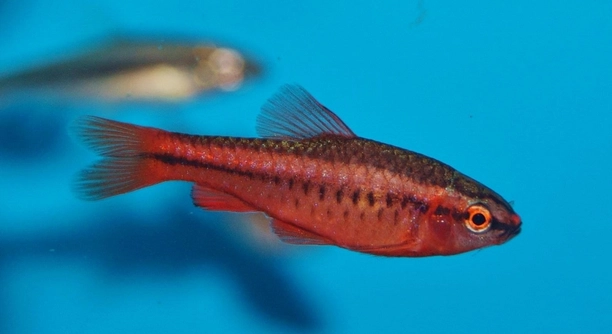
Cherry Barbs are vibrant, peaceful fish that make a great addition to aquariums. However, to thrive, they require specific water conditions that support their health and well-being. Understanding these water parameters is key to keeping them happy.
Cherry Barbs need a temperature range between 74-80°F, a pH level of 6.0-8.0, and soft to moderately hard water (GH 4-10 dGH). Maintaining stable water conditions is essential to avoid stress, which can lead to disease and reduced lifespan.
By paying attention to these key water parameters, you can help ensure your Cherry Barbs stay healthy and active. Understanding their needs will lead to a more vibrant and thriving aquarium.
Temperature Range for Cherry Barbs
Cherry Barbs thrive in a stable water temperature between 74°F and 80°F. These fish are sensitive to sudden temperature changes, so maintaining a consistent environment is important. When the water temperature fluctuates too much, it can cause stress, making them more susceptible to illness. A reliable aquarium heater can help maintain the desired temperature range, especially if the room temperature varies.
In aquariums without a heater, it’s important to regularly monitor the temperature. Even small shifts in water temperature can lead to discomfort for Cherry Barbs, which can affect their overall health.
When the water temperature falls outside the preferred range, Cherry Barbs may stop eating, become sluggish, or even develop health issues. Regularly check both the water and room temperature to avoid any disruptions in their environment, ensuring they stay active and healthy.
pH Level Considerations
Cherry Barbs do best with a pH level between 6.0 and 8.0. Keeping the pH stable within this range is essential for their long-term health. Sudden shifts in pH can be harmful.
Fluctuating pH levels can stress Cherry Barbs and make them vulnerable to diseases. It is vital to monitor and adjust the pH regularly, using appropriate methods.
Hardness Levels for Cherry Barbs
Cherry Barbs prefer soft to moderately hard water with a general hardness (GH) of 4-10 dGH. Too hard or soft water can lead to stress and affect their health.
Maintaining proper water hardness is important for their well-being. Hard water can cause mineral buildup, affecting their gills and kidneys. On the other hand, very soft water can result in low mineral content, affecting their biological functions.
It’s easy to check your aquarium’s hardness with a test kit. If the water is too hard, you can add water softening products. If it’s too soft, use a hardness increaser to stabilize the water. Regular testing is key to maintaining the correct levels.
Ammonia and Nitrite Levels
Ammonia and nitrite levels need to be kept at zero for Cherry Barbs to thrive. These substances are toxic, even in small amounts.
Ammonia builds up from waste, uneaten food, and decaying plant matter. Nitrites form as a byproduct of ammonia breakdown. Both compounds are harmful and can stress Cherry Barbs, leading to respiratory issues and even death.
To avoid toxic build-up, perform regular water changes and use a reliable filtration system. Additionally, adding live plants can help absorb excess ammonia.
Nitrate Levels and Cherry Barbs
Nitrate levels should stay below 20 ppm to keep Cherry Barbs healthy. High nitrates can lead to poor water quality and stress.
Regular water changes are the best way to keep nitrates low. Overfeeding and excess waste contribute to nitrate build-up, so it’s important to remove uneaten food and perform routine cleaning.
Oxygen Levels in the Aquarium
Oxygen is essential for Cherry Barbs, especially in well-stocked tanks. A well-maintained filter or air pump helps keep the water oxygenated.
Poor oxygen levels can lead to stress and cause Cherry Barbs to gasp at the water’s surface. Adding live plants and aerators will help maintain healthy oxygen levels for your fish.
FAQ
How often should I test the water for Cherry Barbs?
It’s best to test the water at least once a week to ensure all parameters remain stable. Regular testing helps you spot any issues early before they affect your fish. If you’re noticing any changes in behavior, more frequent testing might be necessary. Test for ammonia, nitrite, nitrate, pH, hardness, and temperature.
Can Cherry Barbs live in hard water?
Cherry Barbs can tolerate moderately hard water but do best in soft to moderately hard conditions. Water hardness above 10 dGH can lead to stress and potential health problems. If your water is too hard, you may need to soften it by using appropriate water treatments. Always monitor the hardness regularly.
What temperature is best for Cherry Barbs?
The ideal temperature range for Cherry Barbs is 74°F to 80°F. These fish prefer stable temperatures, so avoid sudden fluctuations. A consistent temperature within this range promotes their health and activity levels. Use a good aquarium heater to maintain the temperature, especially in cooler environments.
How can I lower ammonia levels in my aquarium?
Ammonia levels can be reduced by increasing filtration, performing regular water changes, and removing uneaten food. Live plants help absorb excess ammonia, as do beneficial bacteria in the filter. It’s also crucial to avoid overfeeding, as excess food contributes to ammonia buildup.
Are Cherry Barbs good for beginners?
Yes, Cherry Barbs are relatively easy to care for and can make a great choice for beginners. Their peaceful nature and adaptability to a variety of water conditions make them an ideal option for new aquarium owners. However, it’s still essential to monitor water parameters regularly.
Can Cherry Barbs live with other fish?
Cherry Barbs are peaceful and get along well with other non-aggressive fish. They do well in community tanks with other species that are similarly calm, like tetras, rasboras, and small catfish. Avoid aggressive fish or species that might bully them. Always research fish compatibility before adding new tankmates.
How do I know if my Cherry Barbs are stressed?
Stressed Cherry Barbs might display signs such as faded colors, lack of appetite, and erratic swimming. They may also become less active or hide more frequently. Stress in Cherry Barbs is often caused by poor water quality, temperature fluctuations, or overcrowding. If you notice these signs, check the water parameters and make necessary adjustments.
What should I feed my Cherry Barbs?
Cherry Barbs are omnivores and do best with a varied diet that includes high-quality flake food, live or frozen food like daphnia and brine shrimp, and occasional vegetable matter such as blanched spinach or zucchini. Offering a mix of foods ensures they receive all the necessary nutrients for their health.
Do Cherry Barbs need a filter?
Yes, Cherry Barbs require a filter to keep the water clean and maintain stable water parameters. A good filtration system removes toxins like ammonia and nitrite, ensuring a healthy environment for your fish. Choose a filter with the right flow rate, as too strong of a current can stress Cherry Barbs.
How can I adjust the pH of my aquarium water?
To lower the pH, you can add driftwood, peat moss, or use commercially available pH-lowering products. To raise the pH, you can add crushed coral, baking soda, or use a pH-raising product. It’s important to adjust the pH gradually, as sudden changes can stress the fish.
What is the lifespan of a Cherry Barb?
Cherry Barbs typically live for 3 to 5 years if cared for properly. A stable environment with consistent water parameters will help them reach their full lifespan. Regular water changes, a balanced diet, and tankmates that don’t stress them will all contribute to their health and longevity.
Can Cherry Barbs live in cold water?
Cherry Barbs are not cold-water fish and prefer temperatures between 74°F and 80°F. If the water temperature drops too low, they can become sluggish, and their immune system may weaken. A reliable aquarium heater is necessary to maintain the appropriate temperature range for their well-being.
What size tank do Cherry Barbs need?
A 20-gallon tank is generally recommended for a small group of Cherry Barbs. They prefer to be in schools of at least 5-6, as they feel more secure in larger groups. Ensure your tank is well-filtered and spacious enough to allow for peaceful swimming.
Do Cherry Barbs breed easily?
Cherry Barbs can breed in the home aquarium, though it’s not always easy. They require slightly acidic to neutral water conditions and a separate breeding tank is often recommended to protect the eggs from being eaten by other tank mates. Providing them with live plants or spawning mops encourages breeding.
Why are my Cherry Barbs swimming at the surface?
If your Cherry Barbs are swimming at the surface, it could be due to low oxygen levels or poor water quality. Check the water parameters, including temperature, ammonia, nitrite, and nitrate levels. If the levels are high, perform a water change and increase aeration.
Can Cherry Barbs eat algae?
Cherry Barbs will nibble on algae but aren’t considered an effective algae-eating fish. While they might graze on some soft algae, you will need other algae-eating species, such as otocinclus catfish or snails, to help keep the tank clean. Still, Cherry Barbs are not heavy feeders of algae.
Should I add salt to the water for Cherry Barbs?
Cherry Barbs do not require salt in their aquarium water. In fact, excessive salt can harm them. Stick to regular water changes and maintain appropriate water parameters to keep your Cherry Barbs healthy. Salt is only sometimes necessary when treating certain diseases, but it is not recommended for routine use.
How can I prevent disease in my Cherry Barbs?
The best way to prevent disease in Cherry Barbs is by maintaining optimal water conditions and avoiding overcrowding. Quarantine new fish before adding them to the tank to prevent the introduction of parasites or disease. Regularly inspect your fish for signs of illness and take immediate action if needed.
Final Thoughts
Caring for Cherry Barbs involves maintaining a stable environment with the right water parameters. These small, peaceful fish are resilient, but they still require specific conditions to thrive. Keeping the water clean, well-oxygenated, and at the proper temperature range will ensure that your Cherry Barbs live a healthy life. Regular testing and monitoring of water quality can help prevent issues before they become serious problems. Being consistent with water changes, feeding, and overall tank maintenance will also reduce stress on the fish.
Cherry Barbs are not particularly demanding when it comes to care, but they do benefit from a properly maintained environment. Ensuring they have the right tank mates is also crucial to their well-being. They do best in a peaceful, well-stocked community tank with other non-aggressive species. Cherry Barbs may be small, but their vibrant colors and active nature make them a great addition to any tank. With a little attention to detail, you can enjoy watching them swim and interact in your aquarium for years to come.
In conclusion, Cherry Barbs make a wonderful choice for aquarists, especially those new to fishkeeping. Their peaceful demeanor and adaptability make them easy to care for, as long as you provide the right conditions. By understanding their needs for water temperature, pH, hardness, and oxygen levels, you can create an environment where they can thrive. With proper care and attention, your Cherry Barbs will live a long and healthy life in your aquarium, adding beauty and life to your underwater world.

Hello,
If you enjoy the content that we create, please consider saying a "Thank You!" by leaving a tip.
Every little bit helps us continue crafting quality advice that supports the health, happiness, and well-being of pets around the world, for pets of all shapes, sizes, and species.
We really appreciate the kindness and support that you show us!