
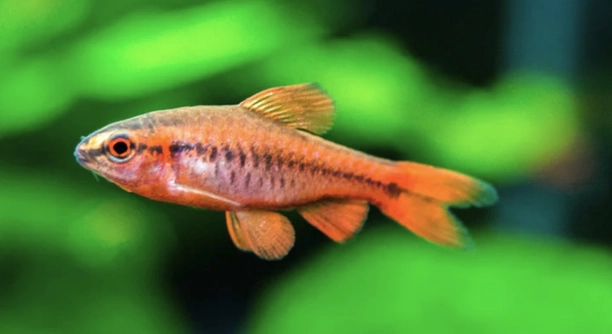
Cherry barbs are becoming a favorite among aquascapers, known for their small size, striking colors, and peaceful nature. They fit well in both beginner and advanced aquascapes, making them a popular choice for various aquatic environments.
The popularity of cherry barbs in aquascaping stems from their vibrant color and adaptability. They thrive in well-planted tanks and contribute to the aesthetic appeal of aquascapes. Their calm temperament and easy care requirements also make them ideal for aquascapers.
Their presence enhances the beauty and balance of aquascapes, making them a top choice for both new and experienced aquarists.
Why Cherry Barbs Stand Out in Aquascaping
Cherry barbs bring vibrant color to aquascapes, particularly with their rich red hue. Their compact size allows them to fit seamlessly into smaller tanks, while their peaceful nature makes them compatible with various tank mates. This blend of aesthetic appeal and compatibility is why they have grown in popularity among aquascapers. They require minimal care, which makes them suitable for both novice and experienced aquarists. When placed in a planted tank, their bright red coloration contrasts beautifully with green plants, enhancing the overall appeal of the aquascape. Furthermore, cherry barbs are hardy fish that adapt well to different water conditions, making them an excellent option for low-maintenance setups.
Their peaceful temperament is another reason they are preferred in aquascapes. They won’t disturb plants or aggressive fish, allowing for a balanced and harmonious environment. They also thrive in schools, adding to the lively yet calm atmosphere of a tank.
These fish do best when kept in groups of six or more, as they feel more secure. Keeping them in larger groups helps reduce stress, allowing them to show their full color potential.
Cherry Barbs: Ideal for Planted Tanks
In planted tanks, cherry barbs truly shine. Their natural behavior of swimming throughout the tank adds movement, creating a dynamic visual effect in the aquascape. Their activity level is moderate, which ensures they don’t disturb delicate plants or decor.
The interaction between cherry barbs and plants is essential to achieving a well-balanced aquascape. These fish are drawn to areas with dense plants, where they find shelter. The plants also provide hiding spots for shy or younger fish.
Why Cherry Barbs are Great Tank Mates
Cherry barbs get along well with a variety of tank mates. Their calm and non-aggressive nature makes them compatible with other peaceful species like tetras and rasboras. They won’t pick on smaller or slower fish, allowing for a harmonious tank environment. Their schooling behavior also helps reduce territorial aggression, ensuring a stress-free environment for everyone.
When introducing them to a new tank, it’s essential to keep the water parameters stable. They are peaceful but thrive in schools of at least six fish. Larger groups reduce the chances of stress or aggression and allow them to display their full color potential.
These fish adapt well to both freshwater and soft water environments. This makes them suitable for many aquariums, from low-maintenance setups to more specialized planted tanks. As long as the environment is peaceful, cherry barbs will thrive, offering vibrant color and lively movement without disrupting the balance.
Cherry Barbs and Tank Conditions
Cherry barbs thrive in aquariums with stable water conditions. They prefer slightly acidic to neutral water, with temperatures between 72°F and 78°F. Maintaining clean water is key, as they are sensitive to high levels of ammonia or nitrates. Regular water changes will help keep them healthy.
In terms of tank setup, cherry barbs are highly adaptable. They do well in planted tanks, especially when given plenty of hiding spaces. Using fine substrate or smooth stones also helps mimic their natural environment. While they can live in a variety of water types, it’s important to avoid sudden changes in water parameters, as this can stress the fish.
To keep them active and healthy, provide plenty of plants for shelter. Their natural behavior is to swim through dense vegetation, and this adds to their overall well-being.
The Feeding Habits of Cherry Barbs
Cherry barbs are not picky eaters. They will happily consume a variety of foods, including flakes, pellets, and live or frozen foods like brine shrimp and daphnia. Their small size means they require small amounts of food, so it’s essential to avoid overfeeding.
These fish are opportunistic feeders, meaning they will eat whenever food is available. Offering a balanced diet helps maintain their vibrant colors and overall health. Ensure their diet includes protein, as this supports their growth and energy levels. Feed them small portions two to three times a day to avoid waste and water quality issues.
Providing a varied diet keeps cherry barbs healthy and active. They are quick swimmers, so ensure food floats or sinks at their level. This way, they can easily access it without struggling or causing excess debris to accumulate in the tank.
Breeding Cherry Barbs in Aquariums
Breeding cherry barbs in aquariums is straightforward. They will naturally spawn when the water conditions are right. Providing plants and a slightly warmer water temperature can encourage them to breed. It’s important to keep a ratio of one male to two females to ensure successful breeding.
Once the fish spawn, the eggs will hatch in about 24 hours. The parents may eat the eggs, so it’s recommended to remove them or use a breeding net. The fry can be fed infusoria or finely crushed flakes until they grow large enough to eat regular fish food.
Health Concerns for Cherry Barbs
Cherry barbs are hardy fish, but they are not immune to common aquarium diseases. Poor water quality can lead to issues like fin rot or ich. Keeping the tank clean and maintaining proper water conditions is the best way to prevent these problems.
If you notice unusual behavior, such as lethargy or faded colors, it’s essential to check the water parameters. Stress from poor water conditions can weaken their immune system, making them more susceptible to illness. Regular water changes and monitoring will keep your cherry barbs in good health.
FAQ
How many cherry barbs should be kept together in a tank?
Cherry barbs should be kept in groups of at least six. This helps them feel secure and reduces stress. Keeping them in smaller groups can lead to more anxiety and potentially aggressive behavior, as they may become more territorial. Larger groups allow the fish to display their natural schooling behavior, which is not only more visually appealing but also reduces the chances of aggression.
What are the ideal water conditions for cherry barbs?
Cherry barbs prefer slightly acidic to neutral water, with a pH of around 6.0 to 7.5. The temperature should range between 72°F and 78°F. They can adapt to a variety of water conditions, but maintaining stable water parameters is key to their well-being. Regular water changes, along with a filtration system, are essential to keep their environment healthy.
Do cherry barbs need a heavily planted tank?
While cherry barbs are not strictly dependent on a heavily planted tank, they do thrive in environments with ample plants. Plants provide hiding spots and create a more natural habitat. This makes them feel secure and gives them areas to explore. Having plants also helps maintain good water quality by absorbing excess nutrients.
Can cherry barbs live with other fish?
Yes, cherry barbs are peaceful and can live with other non-aggressive fish. They are ideal tank mates for species like tetras, rasboras, and guppies. However, they should not be kept with overly aggressive fish, as they are small and could be bullied. The key to maintaining harmony in a tank is selecting compatible species that share similar water requirements.
Are cherry barbs easy to breed in aquariums?
Breeding cherry barbs is relatively simple in a home aquarium. They will spawn when the water conditions are right, typically when the temperature is slightly higher than usual. A male will display bright red colors to attract the female. After spawning, the eggs will hatch in about 24 hours, and the fry can be fed infusoria until they are large enough for regular food.
How long do cherry barbs live?
Cherry barbs typically live for around 3 to 5 years in captivity. Their lifespan depends on factors such as water quality, diet, and overall tank conditions. Ensuring stable water conditions and a balanced diet will help extend their lifespan and keep them healthy for as long as possible.
What do cherry barbs eat?
Cherry barbs are omnivores and will eat a variety of foods. They enjoy both plant-based foods like algae wafers and protein-rich foods such as brine shrimp or bloodworms. A varied diet is essential to keep them healthy and maintain their vibrant colors. Overfeeding should be avoided, as it can lead to water quality issues.
Do cherry barbs require a specific tank setup?
While cherry barbs are adaptable, they do best in a well-planted tank with plenty of hiding spots. A tank with a gentle filtration system and fine substrate is ideal. They prefer tanks that mimic their natural environment, which typically includes slow-moving water and lots of vegetation. Though not demanding, maintaining proper tank conditions is essential for their health.
Can cherry barbs tolerate low light conditions?
Cherry barbs are not highly sensitive to light, but like most aquarium fish, they prefer a moderate amount of lighting. Too much light can encourage algae growth, while too little light might not be enough for plants in the tank. A balance of ambient light and a light cycle that mimics day and night will help keep them healthy and active.
Are cherry barbs sensitive to water changes?
Cherry barbs can be sensitive to sudden water changes. Abrupt shifts in water temperature or pH can cause stress and make them more susceptible to illness. To avoid this, make sure to perform gradual water changes, especially if you’re changing large amounts of water. It’s also important to monitor water parameters regularly to keep them stable.
What is the best substrate for cherry barbs?
Cherry barbs do well in tanks with smooth, fine substrate. Gravel, sand, or a mix of both is often a good choice. The substrate should not be too sharp, as this could injure the fish. Additionally, a fine substrate helps plants root and absorb nutrients more efficiently, which is beneficial for both the fish and the plants in the tank.
Do cherry barbs need a filter in their tank?
Yes, cherry barbs benefit from having a filtration system in their tank. A filter helps maintain water quality by removing excess debris, waste, and toxins. However, the filter should not be too strong, as cherry barbs prefer calm waters. A gentle filter with moderate flow is ideal to keep the tank clean while maintaining a stress-free environment for the fish.
What are the signs that a cherry barb is stressed?
When cherry barbs are stressed, they may exhibit signs such as faded colors, excessive hiding, or erratic swimming. Stress can be caused by poor water quality, temperature fluctuations, or being kept with aggressive tank mates. It’s important to observe their behavior and address any issues promptly to keep the fish comfortable and healthy.
How can I prevent diseases in cherry barbs?
To prevent diseases in cherry barbs, it’s crucial to maintain clean water and stable tank conditions. Regular water changes, proper filtration, and avoiding overcrowding can all help reduce the risk of disease. It’s also important to quarantine new fish before introducing them to the tank to prevent the spread of potential illnesses.
What is the ideal tank size for cherry barbs?
For a group of cherry barbs, a tank size of at least 20 gallons is recommended. A larger tank allows them to swim freely and reduces stress. If you plan to keep other fish, you’ll need a larger tank to accommodate everyone comfortably. A spacious tank also helps maintain good water quality and balance.
Are cherry barbs good for beginner aquarists?
Yes, cherry barbs are an excellent choice for beginner aquarists. They are hardy, easy to care for, and adaptable to a range of water conditions. Their peaceful nature also makes them ideal for community tanks. With proper care and attention to water parameters, they thrive in many aquariums, making them a great option for those starting out in fishkeeping.
Final Thoughts
Cherry barbs are a great addition to many aquariums. Their peaceful nature and vibrant colors make them a popular choice for both beginner and experienced aquarists. They adapt well to different water conditions and can live with many other species, making them versatile tank mates. However, their well-being depends on maintaining a stable environment. Regular water changes, proper filtration, and feeding a balanced diet are essential to keeping them healthy.
These fish thrive in tanks with plenty of plants and hiding spots. While they are not overly demanding, they benefit from a gentle filter and moderate lighting. The presence of plants helps create a more natural environment, which reduces stress and gives them a sense of security. Even though cherry barbs do not require a heavily planted tank, incorporating plants and a few decorations will enrich their habitat and encourage natural behaviors. They appreciate a tank setup that mimics their natural surroundings with slow-moving water and abundant greenery.
Breeding cherry barbs is relatively simple, as long as the water temperature is right, and they are kept in suitable conditions. They will spawn naturally, and with proper care, the eggs will hatch within a day. However, it’s important to protect the eggs from the adult fish, as they may eat them. If you are looking to breed cherry barbs, a separate breeding tank may be needed to ensure the fry’s safety. Their hardy nature and ease of care, combined with their beauty and peaceful behavior, make cherry barbs an ideal choice for anyone looking to add a colorful and low-maintenance fish to their aquarium.

Hello,
If you enjoy the content that we create, please consider saying a "Thank You!" by leaving a tip.
Every little bit helps us continue crafting quality advice that supports the health, happiness, and well-being of pets around the world, for pets of all shapes, sizes, and species.
We really appreciate the kindness and support that you show us!