7 Ways Rasboras React to Overcrowding

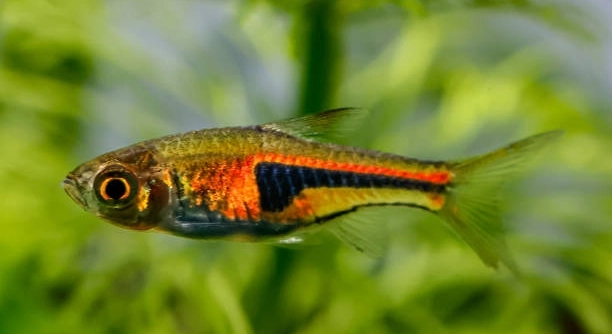
Overcrowding in aquariums can create stress for rasboras, affecting their behavior and overall health. Observing how these small fish respond to tight spaces is important for maintaining a balanced and thriving tank environment. Rasboras exhibit a range of reactions to overcrowding, including increased aggression, erratic swimming patterns, reduced feeding, higher susceptibility to disease, stunted growth, … Read more
7 Things That Might Cause Rasbora Stress

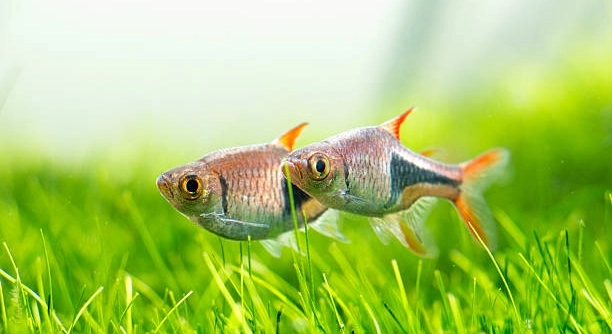
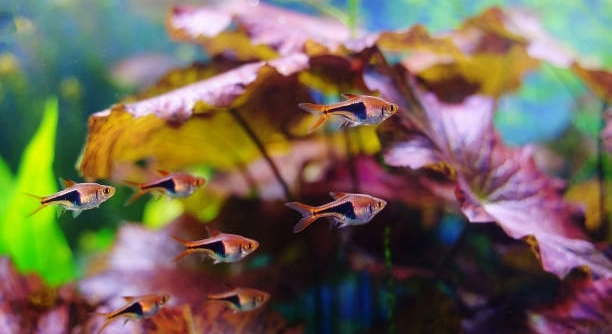
Rasboras are small, peaceful fish that brighten up any home aquarium. They thrive in calm, stable environments but can become stressed if conditions change suddenly or are not suitable for their needs. Observing their behavior helps keep them healthy. Stress in rasboras can be caused by poor water quality, sudden temperature changes, overcrowding, incompatible tank … Read more

7 Ways to Calm New Rasboras on Arrival

Acclimating new rasboras to a home aquarium requires patience and care. These small fish are sensitive to sudden changes in water conditions, and ensuring a calm transition can greatly improve their health and comfort. The most effective approach to calming new rasboras on arrival involves controlling water temperature, reducing light intensity, minimizing sudden movements, and … Read more

Are Rasboras Better in Odd or Even Numbers?

Are your rasboras swimming in a tank that feels a little empty or overcrowded? Small, colorful, and active, these fish thrive in well-planned groups, making the right number of companions important for their health and happiness. Rasboras generally fare better in odd numbers, as odd groupings reduce the likelihood of evenly split conflicts and promote … Read more

Can Rasboras React to Sudden Loud Sounds?

Rasboras are small, lively fish that brighten up home aquariums with their shimmering colors and energetic swimming patterns. Their delicate nature makes them sensitive to changes in their environment, including sudden noises and vibrations around the tank. Rasboras can react to sudden loud sounds with quick, startled movements or brief changes in swimming patterns. These … Read more

7 Visual Cues of Healthy Rasbora Behavior

Observing your rasboras can be a calming and enjoyable part of aquarium keeping. Their small size and shimmering scales make them captivating, yet subtle changes in behavior may reveal much about their overall health and comfort. Healthy rasboras display consistent swimming patterns, clear eyes, smooth scales, and active social interactions within their group. Regular feeding … Read more

Can Rasboras Live Peacefully with Shrimp?

Rasboras are small, colorful fish that often brighten up community aquariums. Many aquarium enthusiasts enjoy their peaceful nature and gentle movements. Pairing them with other species can be rewarding but requires careful planning to ensure harmony. Rasboras can generally live peacefully with shrimp if the tank is well-planted and provides plenty of hiding spaces. Aggression … Read more

7 Tricks to Reduce Rasbora Tank Aggression

Rasboras are usually peaceful fish, but sometimes aggression can sneak into a community tank. Even experienced aquarists notice occasional chasing or nipping among these small, colorful fish, which can stress the entire tank environment. Aggression in rasbora tanks is often caused by overcrowding, lack of hiding spots, or incompatible tank mates. Addressing these factors through … Read more

Why Are My Rasboras Ignoring New Fish?

Do your rasboras swim around the tank but ignore any new fish you introduce? It can feel discouraging when your peaceful community seems uninterested in newcomers. Understanding their behavior helps create a calmer, more balanced aquarium. Rasboras often ignore new fish due to stress, established social hierarchies, or environmental changes. Their cautious nature makes them … Read more

Why Is One Rasbora Always Off to the Side?

Some aquariums have one Rasbora that often swims apart from the group. This behavior can catch the eye of any fish keeper and make you wonder why one seems less social than the others. The primary reason a Rasbora isolates itself is due to stress, health concerns, or hierarchical behavior within the school. Fish may … Read more