
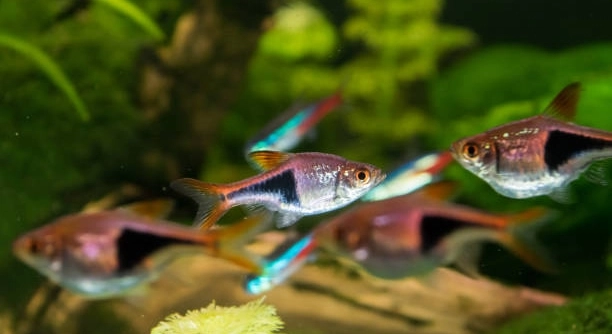
Rasboras are usually peaceful fish, but sometimes aggression can sneak into a community tank. Even experienced aquarists notice occasional chasing or nipping among these small, colorful fish, which can stress the entire tank environment.
Aggression in rasbora tanks is often caused by overcrowding, lack of hiding spots, or incompatible tank mates. Addressing these factors through proper stocking, structured decorations, and careful selection of companions can significantly reduce conflicts and promote a calmer aquatic environment.
Managing tank aggression ensures a healthier and more peaceful home for your rasboras. Learning the right methods can improve both their behavior and overall well-being.
Provide Plenty of Hiding Spots
Rasboras feel safer when they have places to hide. Adding plants, driftwood, and rocks gives them space to retreat when they feel threatened. I noticed that after arranging tall plants along the back and sides, the fish seemed calmer and less likely to chase each other. Dense greenery or floating plants helps break lines of sight, which naturally reduces aggressive interactions. Even simple decorations like small caves or PVC tubes can make a big difference. When creating hiding spots, consider spacing them evenly so that every fish has access to a safe area. Overcrowded decorations can have the opposite effect, making the tank feel smaller and increasing stress. Observing your tank for signs of stress can guide adjustments. If some fish are always chased, placing additional hiding areas near their usual spots can help balance the tank dynamics. It’s a small effort that can dramatically improve their behavior.
Hiding spots reduce stress and aggression by giving rasboras places to feel safe and avoid constant confrontation.
Once hiding spots are added, observe how the fish use them. Adjusting the layout over time keeps everyone comfortable and calm.
Maintain Proper Stocking Levels
Overcrowding increases stress and aggression in rasboras. Keeping the right number of fish for your tank size ensures each has enough space to swim freely. A moderate group of eight to twelve in a 20-gallon tank is usually ideal. Too many fish leads to constant competition for territory and resources, while too few can make them feel insecure, increasing aggression toward each other. I reduced my tank population slightly, and the chasing almost stopped within a few days. Stocking with compatible species also matters; avoid combining rasboras with very aggressive or territorial fish. When planning your tank, consider adult size, swimming habits, and temperament. Monitoring water quality is equally important because high fish density affects filtration and overall health. Clear water, proper flow, and regular maintenance all support calmer behavior. Remember, balanced stocking isn’t just about numbers; it’s about creating a comfortable, stress-free environment for every fish in the tank.
Keep Water Conditions Stable
Stable water reduces stress, which in turn lowers aggression. Sudden changes in temperature, pH, or hardness can trigger chasing or nipping among rasboras. Maintaining consistent conditions keeps them calm.
I learned quickly that rasboras are sensitive to fluctuations. When my heater failed and the temperature dropped slightly, a few fish became unusually aggressive. After restoring stable water conditions, their behavior returned to normal within a day. Using a reliable thermometer and regular water testing helps prevent sudden changes. Partial water changes with properly treated water also maintain stability without shocking the fish. Over time, a consistent routine makes the tank more predictable and peaceful. Observing the fish closely for subtle signs of stress can help catch problems before aggression escalates. A stable environment is often the most overlooked yet most effective method to keep rasboras happy.
Adjusting water slowly during maintenance prevents abrupt changes that can trigger conflicts and helps the tank remain harmonious over the long term.
Introduce Tank Mates Carefully
Choosing compatible tank mates reduces fights. Rasboras do best with peaceful species that occupy different areas of the tank and do not compete aggressively for food or territory.
I once added fast-moving tetras to my rasbora tank without considering their space needs. The result was constant chasing and stress among the rasboras. Switching to smaller, non-aggressive schooling fish like danios improved the situation immediately. It’s important to research the temperament, size, and swimming patterns of potential companions. Avoiding territorial or aggressive species minimizes conflicts and supports a calm environment. Even the slightest mismatch in behavior can trigger stress-driven aggression. Observing interactions carefully in the first few days after adding new fish can prevent long-term problems. Introducing tank mates slowly and monitoring the dynamics ensures that the community remains balanced and peaceful for everyone involved.
Feed Them Properly
Regular feeding keeps rasboras from becoming aggressive over food. Uneven or infrequent meals often lead to chasing and nipping among fish.
I noticed aggression reduced significantly after spreading food evenly across the tank. Feeding smaller amounts multiple times a day prevents competition and ensures all fish get their share.
Use Visual Barriers
Adding plants or decorations to break the line of sight reduces fights. Rasboras chase less when they cannot see each other constantly.
Introducing tall plants and floating greenery in my tank helped create natural partitions. These visual barriers make the environment feel larger and give shy fish a sense of security, reducing stress. Over time, aggressive behaviors decreased noticeably as fish had more space to retreat. Even small changes in layout, like repositioning rocks or adding driftwood, can have a calming effect. Visual barriers work best when they are spread throughout the tank, giving every area a sense of separation. It’s a simple adjustment that can change the dynamics of the tank entirely.
Avoid Overcrowding
Too many fish in one tank increases stress and triggers aggression. Keep groups within recommended limits.
How do I know if my rasboras are aggressive?
Aggression in rasboras usually shows as chasing, nipping fins, or cornering weaker fish. I noticed my fish would swim frantically after each other or keep one fish isolated for long periods. These behaviors are signs that the tank environment needs adjustment. Monitoring interactions daily helps catch problems early before injuries occur.
Can adding more hiding spots really help?
Yes, hiding spots give fish a sense of security. I added dense plants, small caves, and driftwood to my tank, and immediately, the chasing slowed down. Even shy fish felt safer and started exploring more. Strategically placing decorations ensures that every fish has access to a safe retreat, which reduces stress and aggressive encounters.
What tank size is best for rasboras?
A 20-gallon tank works well for a small group of eight to twelve rasboras. I once had a smaller tank, and the fish became more aggressive due to lack of space. Larger tanks allow more swimming room and the ability to arrange hiding spots effectively. Proper stocking density is key to maintaining a peaceful tank environment.
How often should I feed them?
Feeding smaller amounts two to three times a day works best. I used to feed once daily, and the fish became competitive during mealtime. Spreading food across the tank reduces fighting and ensures everyone eats. High-quality flakes, micro-pellets, or frozen foods provide proper nutrition without overfeeding.
Do water parameters affect aggression?
Absolutely. Rasboras are sensitive to temperature, pH, and water hardness. When my heater malfunctioned and the temperature dropped, aggression spiked. Keeping water stable within 72–78°F, pH 6.5–7.5, and soft to moderately hard helps reduce stress. Regular testing and careful adjustments prevent sudden changes that trigger conflicts.
Can tank mates influence rasbora behavior?
Yes, choosing peaceful, non-territorial tank mates is important. I added fast-moving tetras before and saw aggression rise. Switching to small schooling fish like danios calmed the tank. Avoiding larger or aggressive species prevents fights, ensuring rasboras remain calm and healthy.
Is overcrowding a problem?
Overcrowding causes stress and constant competition. I reduced my tank population slightly, and the chasing decreased immediately. Ensuring proper stocking numbers allows every fish to have enough space to swim, eat, and hide. Balanced populations are essential for maintaining long-term peace and reducing fin damage.
Will rearranging decorations help reduce fights?
Yes, changing the tank layout can reset territorial behaviors. I moved plants and driftwood to create new visual barriers, and the dominant fish became less aggressive. Rearranging periodically prevents stagnant hierarchies and gives shy fish a chance to feel safe, which lowers overall tension in the tank.
Can stress from aggression harm rasboras long-term?
Yes, prolonged stress affects immunity and growth. I noticed that stressed fish were less active and developed minor injuries. Reducing aggression through hiding spots, proper stocking, and careful feeding improves their health, growth, and lifespan. Healthy fish are calmer and more vibrant in color.
What should I do if aggression continues?
Persistent aggression may require separating the most aggressive fish temporarily. I isolated one rasbora that was constantly chasing others, which allowed the rest of the group to settle. Observing the group afterward and gradually reintroducing fish can help restore balance. In extreme cases, rehoming a very aggressive fish may be necessary for the tank’s peace.
This FAQ addresses common concerns and practical solutions. Following these strategies ensures that rasboras can thrive in a peaceful and healthy environment.
Managing aggression in a rasbora tank is all about creating a balanced environment. Small adjustments, like adding hiding spots or rearranging decorations, can make a big difference. Rasboras are sensitive fish, and even minor stress can trigger chasing or nipping. Providing dense plants, caves, and driftwood gives them places to feel safe. This reduces the need for constant territorial displays and allows the fish to swim freely without conflict. Over time, a well-structured tank becomes calmer, and the fish display more natural, peaceful behavior. Even floating plants can help break lines of sight, giving shy or weaker fish a chance to rest without being chased. Observing how each fish uses the space helps you refine the arrangement to benefit everyone.
Proper feeding and maintaining stable water conditions are equally important in keeping aggression low. Rasboras are competitive during mealtime, so spreading food evenly and offering smaller amounts multiple times a day prevents fights over a single feeding spot. Using high-quality flakes, pellets, or frozen foods ensures that all fish get enough nutrition without overfeeding. Sudden changes in temperature, pH, or hardness can also trigger stress-driven aggression. Regular water testing and slow adjustments help maintain stability, which keeps the fish calm. A routine for water changes and feeding creates a predictable environment, reducing anxiety among the fish. Combining stable water conditions with proper feeding routines helps create a tank where rasboras feel secure, which lowers aggressive behavior naturally.
Choosing the right tank mates and avoiding overcrowding are additional factors that support a peaceful community. Rasboras do best with other small, non-territorial fish that swim in different parts of the tank. Adding too many fish or introducing aggressive species can immediately trigger conflicts. Keeping groups of eight to twelve rasboras in a properly sized tank provides enough space for everyone to swim, hide, and feed without stress. In cases where aggression persists, temporary separation of aggressive individuals or minor adjustments in layout can restore balance. Overall, attention to tank structure, water stability, feeding, and stocking creates a healthier, calmer environment. When all these elements are combined, rasboras are more likely to thrive, showing their natural colors and peaceful schooling behavior. A little care and observation go a long way in keeping a harmonious tank.

Hello,
If you enjoy the content that we create, please consider saying a "Thank You!" by leaving a tip.
Every little bit helps us continue crafting quality advice that supports the health, happiness, and well-being of pets around the world, for pets of all shapes, sizes, and species.
We really appreciate the kindness and support that you show us!