
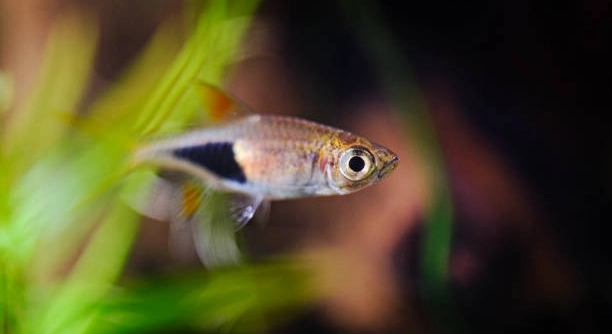
Overcrowding in aquariums can create stress for rasboras, affecting their behavior and overall health. Observing how these small fish respond to tight spaces is important for maintaining a balanced and thriving tank environment.
Rasboras exhibit a range of reactions to overcrowding, including increased aggression, erratic swimming patterns, reduced feeding, higher susceptibility to disease, stunted growth, frequent hiding, and disrupted social structures. Monitoring these behaviors is essential for proper aquarium management.
Recognizing these signs early helps ensure your rasboras remain healthy and your tank maintains a harmonious aquatic environment for all its inhabitants.
Signs of Increased Aggression
When rasboras are overcrowded, their normally peaceful interactions can quickly turn tense. You may notice chasing, nipping, or territorial disputes that were not present before. These behaviors are often subtle at first, showing as quick darting movements or brief skirmishes around feeding times. Over time, aggression can escalate, leading to injuries or stress-related health issues. Observing your fish daily can help you spot these early warning signs. Providing enough space and proper hiding spots can reduce tension. Sometimes, aggression occurs even in well-maintained tanks, especially if certain species or individuals do not tolerate close quarters. Adjusting tank layout, adding plants, and reorganizing decorations can create visual barriers that help lower stress. Feeding smaller amounts multiple times a day may also reduce competition. Keeping a detailed log of behaviors can help track changes and identify patterns. Overall, understanding their social dynamics is key to preventing conflicts and maintaining a balanced aquarium environment.
Aggressive behavior often indicates overcrowding, stress, or resource competition. Addressing these issues promptly prevents injuries and keeps the tank peaceful.
Monitoring aggression closely allows you to make adjustments before it escalates, ensuring rasboras coexist comfortably and maintain healthy social interactions over time.
Erratic Swimming Patterns
Erratic swimming is a clear indicator that your rasboras are stressed due to limited space. They may dart around rapidly, swim in circles, or bump into tank walls. Such behavior can signal discomfort and a lack of proper territory.
Erratic movement often leads to exhaustion, weakened immune systems, and increased vulnerability to disease.
Prolonged overcrowding can cause chronic stress, affecting both physical and mental health. Rasboras rely on smooth swimming to feed, explore, and interact with others. When space is restricted, their normal routines are disrupted, causing constant restlessness. Even well-fed fish can show erratic behavior if the tank is overcrowded. Plants, rocks, and other hiding spots can provide visual breaks, helping fish feel less exposed. Observing swimming patterns daily allows you to identify early stress signs and take corrective actions, such as reducing population density or rearranging tank decor. Prioritizing space management ensures a healthier, calmer environment where rasboras can exhibit natural behavior without constant agitation or fatigue.
Reduced Feeding
Overcrowded rasboras often struggle to get their share of food. Faster or more aggressive tank mates can outcompete them, leaving some fish undernourished and weak.
Limited access to food affects growth and overall health. Rasboras that consistently miss meals may become lethargic or develop nutrient deficiencies. Feeding smaller portions more frequently can help, giving all fish a fair chance. Placing food in multiple areas reduces competition. Observing which fish eat and which don’t allows you to adjust feeding strategies effectively. Over time, ensuring even access prevents malnutrition and supports balanced growth for the entire school.
Ensuring fair feeding practices is essential in crowded tanks. Dividing food and monitoring each fish’s intake helps maintain health and reduce stress.
Increased Susceptibility to Disease
Overcrowding elevates stress, which weakens immune systems and increases vulnerability to illness. Even minor infections can spread quickly in a dense tank. Stress-induced behaviors, like rubbing against surfaces, can create open wounds, further inviting pathogens.
Poor water quality compounds the problem. Higher fish density produces more waste, increasing ammonia and nitrate levels. These conditions encourage bacteria, fungi, and parasites to thrive. Regular water testing, partial water changes, and proper filtration are critical to reduce disease risk. Quarantining new fish before adding them to a crowded tank prevents introducing pathogens. Maintaining consistent temperature and monitoring for early symptoms allows faster intervention, improving recovery chances. Prioritizing health management in dense tanks protects both individual rasboras and the overall population.
Stunted Growth
Overcrowded tanks limit resources, leading to slower growth in rasboras. Fish may appear smaller or less vibrant than they would in a properly sized environment.
Competition for food and oxygen directly impacts development. Reducing population density helps ensure each fish reaches its full size and maintains good health.
Frequent Hiding
Rasboras often retreat when space is tight. Hiding among plants or decorations becomes a coping mechanism for stress.
Prolonged hiding can reduce feeding opportunities and social interaction. Ensuring enough open swimming areas alongside shelters helps balance security and activity for a healthier tank.
Disrupted Social Structures
Crowding interferes with natural schooling behavior. Rasboras may form irregular groups, isolate, or show unpredictable interactions.
Maintaining proper numbers and sufficient space supports normal social dynamics, allowing fish to display coordinated swimming patterns, reduce tension, and strengthen group cohesion.
FAQ
How can I tell if my rasboras are overcrowded?
Overcrowding usually shows through behavior changes. Fish may swim erratically, hide more than usual, or display aggression. Slower growth, frequent disease, and reduced feeding can also indicate that the tank has too many fish. Monitoring daily interactions helps identify early signs.
What is the ideal tank size for a school of rasboras?
A general rule is one gallon of water per inch of fish, but a minimum of 20 gallons is recommended for small rasbora species. This allows enough swimming space, reduces stress, and helps maintain water quality. Adding plants and hiding spots further supports their well-being.
Can I correct overcrowding without removing fish?
Sometimes adjustments can help, like rearranging decorations to create visual barriers, adding vertical space with plants, or increasing water circulation. These changes reduce stress, but long-term overcrowding is best resolved by reducing population to prevent health issues.
How often should I feed rasboras in a crowded tank?
Feeding smaller portions two to three times a day ensures each fish receives nutrients. Distributing food across the tank prevents dominant fish from consuming all the food, supporting balanced growth and overall health.
Are certain rasbora species more sensitive to overcrowding?
Yes, some species are naturally more timid or slower eaters. Harlequin and chili rasboras may show stress sooner, requiring more space and careful monitoring. Fast-moving or aggressive species can outcompete them, intensifying overcrowding effects.
What are the health risks associated with overcrowding?
Stress weakens the immune system, making fish susceptible to bacterial, fungal, and parasitic infections. Increased waste leads to poor water quality, further harming fish. Chronic stress can also stunt growth and reduce lifespan if not addressed promptly.
How do I manage water quality in a crowded tank?
Frequent partial water changes, efficient filtration, and testing ammonia, nitrite, and nitrate levels are essential. Avoid overfeeding, and remove uneaten food promptly. Plants can help absorb excess nutrients, improving water conditions naturally.
Can overcrowding affect breeding?
Yes, high density disrupts normal schooling behavior and stress levels, which can reduce spawning activity. Providing adequate space and secluded areas increases the likelihood of successful breeding for rasboras.
How quickly should I act if I notice signs of overcrowding?
Immediate action is important. Even small changes can improve comfort, but long-term solutions, like reducing the number of fish or expanding tank size, are necessary to prevent chronic stress and health decline.
Is there a safe way to introduce new rasboras to an existing tank?
Quarantine new fish for at least two weeks before adding them. Introduce them slowly to prevent sudden overcrowding and allow the existing school to adjust. Monitoring behavior during this period ensures all fish adapt safely.
Can overcrowding be avoided from the start?
Yes, planning the tank size, species compatibility, and future population helps prevent issues. Regularly assessing growth and social behavior ensures that the tank remains healthy and spacious enough as fish mature.
How do hiding spots help in crowded tanks?
Shelters reduce stress by giving shy or weaker fish a place to retreat. Plants, rocks, and decorations create natural barriers that mimic a larger environment, balancing safety with swimming space.
Will overcrowding affect the tank’s water chemistry?
Yes, higher fish density produces more waste, leading to elevated ammonia and nitrate levels. Poor water chemistry can harm fish health, making filtration, water changes, and careful monitoring critical in crowded conditions.
How can I reduce stress without changing tank size?
Improving tank layout with plants, decorations, and floating barriers can help. Adding gentle water flow and multiple feeding spots reduces competition. Observing behavior and adjusting environmental conditions gradually supports a calmer tank.
Are there long-term consequences if overcrowding continues?
Yes, chronic stress can stunt growth, increase disease risk, shorten lifespan, and damage social structure. Addressing overcrowding early ensures healthier, more active fish and a more balanced aquarium environment.
What is the easiest way to reduce fish numbers safely?
Rehoming excess fish through local aquarists, pet stores, or community groups is safest. Avoid sudden removal of large numbers at once, as it can stress the remaining population. Gradual adjustment is better for tank stability.
Can tank decorations worsen overcrowding effects?
Yes and no. Poorly arranged decorations can restrict swimming space, increasing stress. However, thoughtful placement with hiding spots and open areas can help reduce tension and give fish a sense of control.
Do rasboras recover from overcrowding stress?
With proper intervention, including population reduction, improved water quality, and enriched environment, rasboras can return to normal behavior, regain appetite, and exhibit natural swimming patterns. Early action improves recovery chances.
How can I monitor the tank to prevent future overcrowding?
Regular observation of behavior, growth, and feeding patterns is key. Tracking water quality and population changes ensures timely intervention before stress or disease develops, maintaining a healthy environment for all rasboras.
What role does schooling behavior play in overcrowding stress?
Rasboras rely on coordinated swimming for security. Overcrowding disrupts this behavior, causing disorientation, isolation, and tension. Maintaining appropriate group size and spacing supports natural schooling, reducing stress and promoting healthy interactions.
Overcrowding in a rasbora tank has noticeable effects on their behavior and overall health. These small fish rely on space to swim freely, interact naturally, and maintain a balanced social structure. When too many fish share limited space, signs such as aggression, erratic swimming, frequent hiding, and reduced feeding become common. Chronic overcrowding can also increase susceptibility to disease, weaken the immune system, and stunt growth. Observing your fish regularly allows you to identify stress early and take action before problems worsen. Paying attention to their behavior, appetite, and swimming patterns provides a clear picture of their comfort level and overall well-being.
Proper tank management is essential for preventing overcrowding and its negative effects. Ensuring the tank is large enough for the number of fish, providing sufficient hiding spots, and maintaining water quality all contribute to a healthy environment. Feeding practices also play a role in reducing stress, as distributing food evenly allows all fish to get adequate nutrition. Quarantining new fish before adding them helps prevent sudden spikes in population density and introduces potential health risks. Even minor adjustments, like rearranging plants or adding decorations, can improve space perception and reduce tension in the tank. Consistent monitoring and maintenance are key strategies for creating an environment where rasboras can thrive without the stress caused by crowding.
Taking proactive measures to manage overcrowding benefits both the fish and the overall aquarium ecosystem. Healthy rasboras display natural schooling behavior, maintain consistent feeding routines, and exhibit vibrant coloration. In contrast, crowded conditions can lead to long-term stress, weaker immune responses, and diminished activity levels. By managing population density and creating an enriched environment, you support the physical and mental well-being of each fish. Overcrowding is not only a challenge for individual health but can also affect the balance of the entire tank, including water quality and interactions among species. Maintaining a thoughtful approach to tank population ensures that rasboras remain active, healthy, and comfortable, promoting a stable and enjoyable aquatic environment for the long term.

Hello,
If you enjoy the content that we create, please consider saying a "Thank You!" by leaving a tip.
Every little bit helps us continue crafting quality advice that supports the health, happiness, and well-being of pets around the world, for pets of all shapes, sizes, and species.
We really appreciate the kindness and support that you show us!