
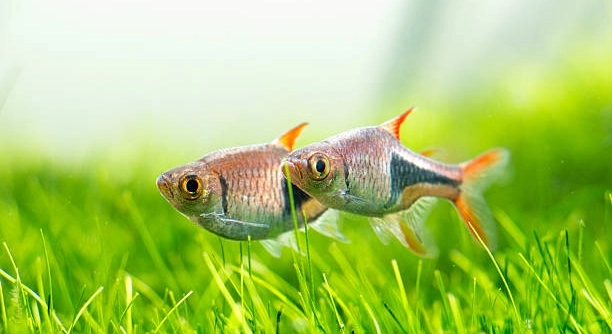
Rasboras are small, peaceful fish that brighten up any home aquarium. They thrive in calm, stable environments but can become stressed if conditions change suddenly or are not suitable for their needs. Observing their behavior helps keep them healthy.
Stress in rasboras can be caused by poor water quality, sudden temperature changes, overcrowding, incompatible tank mates, inadequate hiding spaces, improper diet, and excessive noise or vibrations. These factors negatively affect their health and natural behaviors.
Knowing what triggers stress is essential for their care. Learning these causes helps you create a stable and comfortable environment for your rasboras to flourish.
Poor Water Quality
Rasboras are very sensitive to their water environment. Even small changes in pH, ammonia, nitrite, or nitrate levels can make them stressed quickly. I’ve noticed that when water isn’t changed regularly, my rasboras become sluggish and lose their vibrant color. Regular testing with a water kit is key. Filters help, but they don’t replace consistent maintenance. Temperature stability is also important; sudden fluctuations can shock them. Sometimes, tap water alone isn’t enough, and using a water conditioner can remove harmful chemicals. Keeping the tank clean with partial water changes ensures healthier fish. Over time, poor water quality can lead to illness, making early attention critical. Observing behavior daily helps catch issues before they escalate. Clear, clean water isn’t just visually pleasing—it supports natural swimming, feeding, and social behaviors in rasboras.
Maintaining optimal water conditions requires regular testing, water changes, and careful filtration to prevent stress and promote healthy, active behavior in rasboras.
Monitoring water parameters consistently can prevent long-term health issues. Clean, stable water helps rasboras feel secure, reducing stress levels effectively.
Overcrowding
Rasboras need space to swim freely. Too many fish in a small tank can increase competition for food and hiding spots, causing stress.
Overcrowding can lead to aggressive behavior and poor water quality. Each rasbora requires adequate space to maintain health and natural activity levels. Stress from overcrowding often reduces their appetite and immune response. Observing your fish and keeping them in suitable numbers helps them stay calm. Proper tank planning and limiting fish quantity based on tank size ensures they have room to thrive. Overcrowding also affects oxygen levels, making water management more difficult. Even social fish need breathing space, so spacing is important. Regular monitoring of tank conditions and fish behavior prevents issues before they become serious. Creating a balanced environment supports their schooling behavior, which is essential for their comfort. Additionally, providing decorations and plants gives personal space, reducing conflict and stress within the tank. The goal is a peaceful, active group without overcrowding tension.
Sudden Temperature Changes
Rasboras react strongly to sudden shifts in water temperature. Rapid heating or cooling can shock their system, causing stress and hiding behavior. Maintaining a consistent temperature within their preferred range is essential.
Using a reliable aquarium heater and thermometer helps prevent fluctuations. I’ve learned that even small drops during water changes can make my rasboras swim erratically. Avoid placing the tank near windows or vents where temperatures swing. Gradual adjustments are necessary when changing water or moving fish. Stability allows them to feed normally and interact without panic. Temperature stress also weakens immunity, making them more vulnerable to disease. Consistency in warmth encourages calm swimming and natural schooling, which is essential for their well-being.
Observing the fish during temperature changes reveals subtle signs of stress, like darting or clamped fins. Keeping water within a steady range prevents these behaviors and promotes a healthier environment.
Incompatible Tank Mates
Some fish species are too aggressive or territorial for rasboras. Stress arises when they are constantly chased or harassed.
Aggressive tank mates can damage fins, restrict movement, and reduce access to food. I’ve had rasboras retreat for hours when placed with overly dominant species. Choosing peaceful, similar-sized fish ensures harmony. Introducing new fish gradually helps monitor interactions and prevent fights. Rasboras prefer calm companions, which allows them to display normal schooling patterns. Over time, peaceful tank mates contribute to better health, increased appetite, and vibrant coloration. Creating clear zones with plants or decorations reduces tension and provides safe hiding spots. Selecting compatible species based on temperament, size, and activity level minimizes stress, allowing rasboras to feel secure. The environment should encourage swimming freely without fear.
Inadequate Hiding Spaces
Rasboras need plants, decorations, or caves to feel safe. Without these, they often appear nervous and swim near the surface constantly.
Providing enough hiding spots reduces stress and allows them to rest. I’ve seen my fish become more active and confident once they have proper cover.
Improper Diet
Feeding rasboras the wrong type of food or inconsistent amounts can cause stress. They need a balanced diet of high-quality flakes, micro pellets, and occasional live or frozen foods. Overfeeding leads to poor water quality, while underfeeding weakens their energy and immune system. Observing their eating behavior helps maintain proper portions. Rotating foods ensures they get essential nutrients for growth and vitality. I noticed that after adjusting their diet, my rasboras became more colorful and active. A proper diet supports natural behavior, strengthens resistance to disease, and reduces stress caused by nutritional deficiencies.
Excessive Noise
Loud sounds, vibrations, or frequent tapping on the tank stress rasboras.
They are sensitive to external disturbances. Minimizing noise near the aquarium keeps them calm and encourages natural swimming.
How can I tell if my rasbora is stressed?
Stressed rasboras often show changes in behavior and appearance. They may hide more, swim erratically, or stay near the surface. Fins might appear clamped, and colors can fade. I’ve noticed my fish stop schooling when stressed, and their appetite often decreases. Watching them closely daily is the best way to spot early signs. Changes in swimming patterns, unusual lethargy, or frequent darting can all indicate stress. Observing interactions with tank mates and response to environmental changes also provides insight. Regular monitoring helps prevent stress from escalating into illness or long-term health problems.
What are the best water conditions for rasboras?
Rasboras prefer slightly acidic to neutral water with a pH of 6.5–7.5. Temperature should stay between 72–79°F (22–26°C). Consistent water changes and proper filtration maintain ammonia and nitrate levels within safe ranges. I always test my water weekly and perform partial changes to avoid sudden spikes. Soft to moderately hard water is ideal, and avoiding sudden chemical changes is critical. Stable conditions encourage natural behavior, schooling, and feeding. Over time, maintaining proper water parameters reduces disease risk and improves coloration. Plants and gentle water flow further mimic their natural habitat. Proper water conditions are one of the simplest ways to prevent stress.
How many rasboras should be kept together?
Rasboras are schooling fish, so they feel secure in groups of at least six. Smaller numbers may lead to anxiety and hiding behaviors. I keep my groups slightly larger to encourage natural swimming patterns and social interaction. Overcrowding, however, can cause stress and water issues. Space per fish should match tank size, and decorations can provide personal areas within the group. Watching how they interact helps determine if the group is comfortable. A well-sized, calm school promotes confidence and reduces stress-related behaviors, creating a more vibrant and active tank.
What are safe tank mates for rasboras?
Peaceful, small fish make the best companions for rasboras. I’ve paired them with tetras, guppies, and small livebearers successfully. Avoid aggressive or much larger species, which can chase or injure them. Calm tank mates allow rasboras to swim freely and maintain natural schooling. Providing hiding spots also helps reduce conflict. Observing the first interactions when introducing new fish is crucial. Keeping compatible species minimizes stress and encourages social behavior. It’s important to match activity levels; slow or overly timid fish may struggle in the same environment. A balanced community tank improves overall fish health.
What foods should I feed my rasboras?
A balanced diet keeps rasboras healthy and reduces stress. High-quality flakes or micro pellets work as a staple, while frozen or live foods like daphnia or brine shrimp provide variety. I rotate foods weekly to ensure nutrients and keep them interested in feeding. Overfeeding can harm water quality, so portion control is essential. Observing how much they eat in a few minutes prevents leftovers from polluting the tank. A varied diet supports bright colors, strong immune systems, and natural energy levels. Feeding small amounts multiple times a day works better than one large meal.
How can I reduce stress from tank noise or vibrations?
Rasboras are sensitive to sudden sounds or vibrations from nearby movement, tapping, or machinery. I place my tank away from high-traffic areas and avoid banging on the glass. Decorations and plants help buffer vibrations, giving them safe areas to hide. Maintaining a calm environment encourages normal swimming and schooling behavior. Avoid frequent rearranging of tank items, as this can create additional stress. Minimizing disturbances keeps them confident and active. Even subtle changes, like moving furniture or speakers close to the tank, can affect behavior. Consistency in their surroundings makes a noticeable difference in their overall health and activity levels.
Can poor water quality cause disease in rasboras?
Yes, poor water quality is a major factor in stress and illness. High ammonia, nitrite, or nitrate levels weaken their immune system, making them prone to infections like fin rot or ich. I’ve seen rasboras recover quickly after adjusting water parameters and performing regular changes. Monitoring water chemistry and maintaining filtration prevents buildup of harmful substances. Even slight changes can affect sensitive fish. Stress from dirty water amplifies disease risk and reduces lifespan. Keeping water clean, stable, and chemically balanced promotes healthy behavior, proper feeding, and vibrant appearance. Preventing water-related stress is one of the most effective ways to keep rasboras healthy.
How do I introduce new fish without stressing rasboras?
Acclimation is key. Float the new fish in a bag for 15–20 minutes to match water temperature, then gradually mix small amounts of tank water before releasing them. I use a quarantine tank when possible to avoid disease spread. Introduce newcomers slowly and observe interactions closely. Providing extra hiding spaces reduces initial stress. Avoid sudden additions or overcrowding, which can overwhelm the current group. Proper acclimation ensures a smooth transition, allowing rasboras to continue normal schooling behavior and feeding. This method prevents aggressive encounters and keeps all fish healthy and calm.
Rasboras are delicate fish that respond strongly to their environment. Small changes in water quality, temperature, or tank setup can cause noticeable stress. Observing their behavior regularly is important to understand how they feel. Stress can show up as clamped fins, faded colors, erratic swimming, or hiding for long periods. When these signs appear, it usually means something in their environment is off. Addressing the cause quickly prevents illness and keeps them active and healthy. Even small adjustments, like adding plants or rearranging hiding spots, can improve their comfort significantly. I’ve noticed that when my tank is well-maintained, the fish are more lively, swim in groups, and display their natural colors beautifully.
Maintaining stable water conditions is one of the most critical steps in preventing stress. Rasboras thrive in slightly acidic to neutral water with moderate temperature consistency. Regular water testing, partial changes, and proper filtration make a big difference. Overfeeding or underfeeding affects water quality and their overall health, so monitoring portions is essential. It also helps to keep tank mates peaceful and compatible, as aggressive or overly active fish can disrupt the calm environment they need. Providing enough space and avoiding overcrowding encourages natural schooling and reduces tension. By keeping the tank clean, balanced, and well-planned, rasboras can live comfortably and display behaviors that indicate they feel secure.
Diet, hiding spots, and minimal disturbances also play a role in reducing stress. Offering a variety of foods ensures they get proper nutrients, which improves color, energy, and immunity. Plants, caves, and decorations give them places to rest and feel safe, which is especially important in community tanks. Noise, sudden movements, or vibrations can cause unnecessary tension, so placing the tank in a quiet and stable area helps them remain calm. Paying attention to these details creates an environment where rasboras can thrive naturally. When all of these elements are managed carefully, stress is minimized, health is maintained, and their behavior becomes predictable and enjoyable to watch. A calm, structured environment benefits both the fish and anyone caring for them.

Hello,
If you enjoy the content that we create, please consider saying a "Thank You!" by leaving a tip.
Every little bit helps us continue crafting quality advice that supports the health, happiness, and well-being of pets around the world, for pets of all shapes, sizes, and species.
We really appreciate the kindness and support that you show us!