
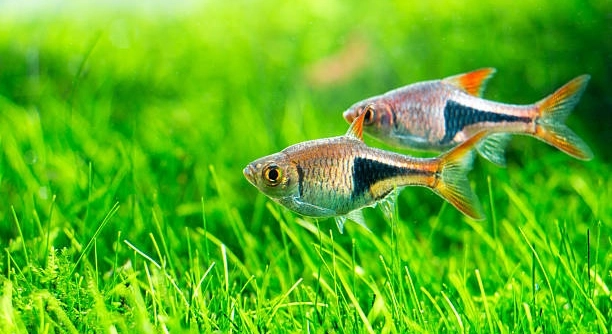
Rasboras are small, lively fish that brighten up home aquariums with their shimmering colors and energetic swimming patterns. Their delicate nature makes them sensitive to changes in their environment, including sudden noises and vibrations around the tank.
Rasboras can react to sudden loud sounds with quick, startled movements or brief changes in swimming patterns. These responses are natural stress reactions, reflecting their instinct to avoid potential threats, and can vary depending on individual temperament and tank conditions.
Observing their reactions carefully can help you create a calmer environment and better understand their behavioral needs. Small adjustments in tank placement and surroundings can make a significant difference.
How Loud Noises Affect Rasboras
Sudden loud noises can startle rasboras, causing them to dart quickly across the tank or hide among plants and decorations. Their small size and delicate nature make them highly alert to vibrations and sound waves, even those that seem minor to humans. In my experience, a dropped item near the tank or a loud clap can trigger visible stress. Over time, repeated exposure may affect their swimming patterns, feeding behavior, and overall well-being. Rasboras rely on a sense of safety and stability, so maintaining a quiet environment is important. Even routine household sounds, such as closing doors or appliances running nearby, can cause momentary spikes in stress levels. Creating a buffer, like placing the tank away from high-traffic areas, can help reduce these reactions. Observing their behavior closely allows you to notice subtle signs of distress and adjust their environment accordingly, supporting healthier and more relaxed fish.
Monitoring their environment consistently ensures that stress is minimized. Small changes in noise levels can have noticeable effects.
Long-term exposure to sudden sounds can impact rasboras’ health, leading to reduced appetite or erratic swimming. They are naturally skittish, and frequent disturbances may compromise their immune system, making them more susceptible to illness. Tanks with multiple hiding spots, gentle filtration, and stable water conditions help mitigate stress. I have found that using soft background noise or keeping the room quieter during peak activity hours makes a visible difference in their comfort. Watching rasboras respond to sounds also strengthens awareness of their needs, teaching patience and observation. While they are resilient in small bursts of stress, consistency in maintaining calm surroundings contributes to a stable and thriving aquarium. Simple adjustments like moving loud electronics away or placing soft padding under the tank can reduce vibrations and sudden disturbances. This approach not only benefits their behavior but also promotes longevity and better overall health for these delicate, lively fish.
Signs of Stress in Rasboras
Signs of stress include rapid gill movement, hiding more often, or sudden bursts of speed across the tank. Awareness of these behaviors helps in adjusting care routines quickly.
Recognizing stress early is crucial for rasboras’ well-being. When these signs appear, reviewing tank placement, sound levels, and environmental enrichment can prevent long-term health issues. Frequent disturbances may not always be obvious, but careful observation can catch subtle changes in behavior. Providing a stable, calm environment, including adequate space, proper lighting, and consistent feeding, helps maintain their natural patterns. Over time, rasboras become more confident and less reactive to minor disturbances, reflecting improved comfort in their habitat. By paying attention to both physical and behavioral cues, it becomes easier to support their needs effectively. A quiet, thoughtfully arranged tank allows them to thrive, reducing stress and encouraging natural behaviors such as schooling, exploring, and interacting with plants and decorations. Consistency and attention to detail create a safer and more balanced environment that benefits every aspect of their health.
Reducing Noise Around the Tank
Placing the tank away from doors, windows, and high-traffic areas reduces sudden disturbances. Soft padding under the tank and covering noisy equipment can help minimize vibrations that startle rasboras. A quieter room creates a calmer environment for them.
Limiting sudden sounds near the tank is essential for maintaining rasboras’ well-being. I noticed that even small household noises, like dropping a utensil or turning on a loud appliance, caused my fish to dart and hide. Using foam padding under the tank, keeping it on a stable surface, and positioning it away from loud activities made a visible difference. Over time, their swimming became smoother, and they appeared more relaxed.
Introducing soft background noise, like low music or white noise, can help mask sharp sounds that might otherwise startle rasboras. This approach keeps them accustomed to gentle, consistent sound levels without causing panic. Additionally, arranging plants and decorations strategically offers hiding spots that provide comfort during unexpected noises, giving them control over their environment.
Gradual Acclimation to Sounds
Exposing rasboras to mild, consistent sounds over time can reduce overreactions. Gentle habituation helps them adapt without stress. Their responses become less extreme with careful repetition.
I gradually introduced low-level sounds near the tank to help my rasboras get used to household noises. Starting with very soft sounds and slowly increasing volume over days allowed them to acclimate naturally. Observing their behavior, I noticed fewer sudden darting movements and less frequent hiding. Consistency is key, as sudden jumps in noise can undo progress. Pairing this with plenty of plants and open swimming areas ensures they feel safe. Over several weeks, they became more confident, swimming freely even when minor sounds occurred. This method supports their natural instincts while minimizing stress.
Common Triggers in the Home
Everyday household noises can startle rasboras, including clanging dishes, loud footsteps, or door slams. Even brief sounds can cause sudden movements or temporary hiding in the tank.
Appliances like vacuum cleaners, washing machines, and blenders produce vibrations that travel through floors and walls. These vibrations can be sensed by rasboras and trigger stress responses.
Using Plants and Decorations
Dense plants and decorations provide safe spots for rasboras to retreat during sudden noises. They act as visual barriers and reduce stress levels effectively. I found that arranging taller plants along the tank edges creates a calming environment while still allowing open swimming space.
Feeding and Noise Sensitivity
Rasboras may become hesitant to feed during loud noises. Ensuring a quiet feeding time helps them maintain regular eating habits.
Can rasboras hear loud sounds?
Rasboras do not have ears like humans, but they are sensitive to vibrations in the water. Loud sounds cause waves and vibrations that travel through the tank, which rasboras detect using their lateral line system. This system allows them to sense sudden changes in their environment and react quickly to potential threats. In my experience, even sounds that seem minor, like a drawer closing or a door slamming, can cause them to dart across the tank or hide among plants. Their reactions are instinctive and meant to protect them from predators.
How do rasboras react to sudden noises?
When startled, rasboras may swim erratically, dash to the bottom, or hide behind decorations and plants. Some may freeze briefly, while others dart in small groups. I noticed that their schooling behavior changes slightly during loud events, with tighter formations and more cautious movements. These reactions usually last a few seconds to a minute but can become more frequent if loud noises happen regularly. Their stress responses are subtle but visible, showing their need for a stable and quiet environment.
Can repeated loud sounds harm rasboras?
Yes, constant exposure to loud or sudden noises can stress rasboras over time. Chronic stress affects feeding, swimming patterns, and overall health. In my tank, repeated disturbances made some fish hide for longer periods and reduced their interest in food. Stress can also compromise their immune system, making them more prone to illness. Reducing exposure and creating a calm, buffered environment helps prevent these long-term effects and supports healthier, more confident fish.
How can I reduce noise for my rasboras?
Placing the tank away from doors, windows, and high-traffic areas is the first step. Using padding under the tank, such as foam or a soft mat, helps absorb vibrations. I also found that positioning appliances and electronics farther from the tank and keeping the room quieter during peak activity times makes a noticeable difference. Adding plants and decorations creates visual and physical barriers that reduce stress when unavoidable noises occur.
Can rasboras get used to household sounds?
Yes, gradual habituation works well. I introduced soft, consistent sounds near the tank over several days, slowly increasing volume while observing their reactions. This allowed the fish to adapt without becoming stressed. Combining this with plenty of hiding spots ensures that they feel safe while learning that not every sudden sound is a threat. Over time, they become more confident and less reactive to minor disturbances.
Do some rasboras react more than others?
Individual temperament plays a role. Some rasboras are naturally bolder, swimming more freely despite sudden sounds, while others are timid and hide quickly. I noticed that younger fish or new additions to the tank often react more strongly until they settle in. Watching their behavior helps identify which fish need extra protection or more gradual acclimation.
Does tank size affect reactions to noise?
Smaller tanks transmit vibrations more directly, so rasboras in compact setups may react more noticeably. In larger tanks, there is more space to dissipate vibrations, which can reduce sudden stress. I found that adding floating plants or ornaments in smaller tanks helps absorb some of the impact and provides hiding spots, improving overall comfort.
Can loud noises affect feeding habits?
Yes, rasboras may become hesitant to eat during or immediately after loud events. I observed that feeding during quieter times encourages consistent eating. Providing ample hiding spots and maintaining a calm environment during feeding ensures they get proper nutrition without stress interruptions.
Are there long-term solutions for noise sensitivity?
Maintaining a stable, calm environment is key. Quiet tank placement, gradual habituation to mild sounds, and plenty of plants or decorations create a safe and consistent habitat. Regular observation helps spot stress early. Over time, rasboras become more confident and less reactive, improving their health, behavior, and overall enjoyment in the tank.
Rasboras are delicate, lively fish that respond quickly to their surroundings. Sudden loud sounds can startle them, causing darting movements, hiding, or brief freezing. These reactions are natural and reflect their instinct to stay safe. Understanding how noise affects them is important for maintaining a healthy and stress-free aquarium. Observing their behavior carefully helps identify patterns and potential triggers. Over time, even small adjustments to their environment can make a noticeable difference in their comfort and overall well-being.
Creating a calm and stable environment is essential for rasboras’ health. Placing the tank away from doors, windows, and high-traffic areas reduces sudden disturbances. Using foam or soft padding under the tank minimizes vibrations from nearby appliances. Dense plants and decorations give them places to hide when noises occur. Gentle background noise, like low music or white noise, can help mask sharper sounds that might otherwise startle them. Gradual acclimation to mild, consistent sounds also supports their ability to adjust without stress. These steps, though simple, significantly improve their behavior and reduce the frequency of stress reactions.
Monitoring and adjusting the tank environment over time ensures rasboras remain relaxed and healthy. Individual temperament matters, as some fish may react more strongly than others. Regular observation allows you to notice subtle changes in swimming patterns, feeding habits, or hiding behavior. Consistency in care, including stable water conditions, quiet feeding times, and plenty of hiding spots, promotes natural behavior and overall confidence. By maintaining a calm environment and paying attention to their responses, rasboras can thrive despite occasional household noises. Small, thoughtful changes create a safer and more comfortable home for these delicate, energetic fish.

Hello,
If you enjoy the content that we create, please consider saying a "Thank You!" by leaving a tip.
Every little bit helps us continue crafting quality advice that supports the health, happiness, and well-being of pets around the world, for pets of all shapes, sizes, and species.
We really appreciate the kindness and support that you show us!