Why Is My Rasbora Suddenly Darting Around?
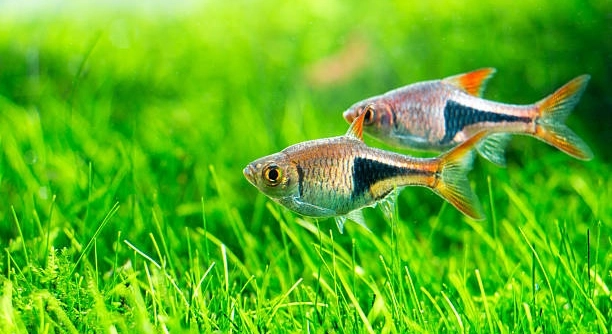
Is your rasbora suddenly darting around the tank more than usual? Many aquarium owners notice sudden bursts of movement that seem unusual for these typically calm fish. Observing this behavior carefully can reveal underlying causes. Sudden darting in rasboras is commonly caused by stress, changes in water conditions, or the presence of irritants. It may … Read more

7 Little Ways to Bond with Your Rasboras

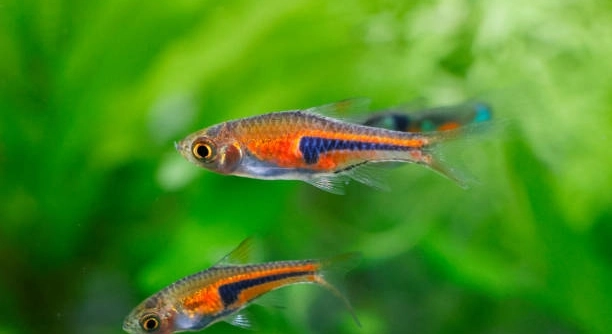
Rasboras are small, peaceful fish that bring life to any aquarium. Watching them swim gracefully can be relaxing, and spending time with them can create a quiet, enjoyable connection in your home. Bonding with rasboras involves consistent, gentle interaction, proper feeding routines, and maintaining a calm, stable environment. Providing hiding spots, observing their behaviors, and … Read more

Are Rasboras Scared of Loud Noises?

Aquarium owners often notice subtle changes in fish behavior, especially in peaceful species like rasboras. Sounds from daily life can travel through water, shaping how these small schooling fish react within their tanks at home. Rasboras exhibit heightened stress responses when exposed to loud or sudden noises, as vibrations disrupt their sensory perception. Such disturbances … Read more

Why Is My Rasbora Constantly Chasing Others?

Is your rasbora constantly chasing its tank mates, creating a swirl of movement and tension in your aquarium? Observing this behavior can be both fascinating and concerning for anyone trying to maintain a peaceful aquatic environment. The primary reason your rasbora chases others is territorial and social hierarchy behavior. Rasboras establish dominance, especially in confined … Read more

Why Are My Rasboras Only Swimming at Night?

Are your rasboras only active when the lights go out? Many aquarium owners notice this unusual behavior and wonder if something in their tank is affecting the fish. Nighttime activity can be surprising for those used to daytime movement. Rasboras are primarily nocturnal due to their natural instincts and environmental conditions. Low light, stress, or … Read more

What Are the Best Times to Feed Rasboras?

Rasboras are small, colorful fish that bring life to any aquarium. Caring for them involves understanding their habits, environment, and dietary needs to ensure they remain healthy and active in a home setting. The best times to feed rasboras are typically twice a day, once in the morning and once in the evening. Consistent feeding … Read more

7 Common Mistakes with Rasbora Water Temps

Many aquarists enjoy keeping rasboras for their vibrant colors and peaceful nature. Ensuring these fish thrive requires attention to details, especially water temperature. Small mistakes can lead to stress, illness, or even shorter lifespans for these delicate fish. The most frequent mistakes with rasbora water temperatures include sudden fluctuations, setting temperatures too high or low, … Read more

Do Rasboras Like a Darker Environment?

Have you ever noticed your rasboras swimming nervously in a bright tank and wondered how their environment affects them? These small, colorful fish respond to their surroundings in ways that may surprise many aquarium enthusiasts. Observing their behavior can reveal subtle preferences and comfort levels. Rasboras generally prefer a dimmer environment with subdued lighting and … Read more

7 Tank Mistakes That Cause Rasbora Panic

Are your rasboras often darting around the tank in panic, leaving you unsure of what triggered their stress? Sudden movements, loud noises, and tank disturbances can easily unsettle these small, sensitive fish, causing chaotic behavior. Many tank mistakes can lead to rasbora panic, including overcrowding, sudden water changes, improper filtration, lack of hiding spots, incompatible … Read more

7 Common Signs of Overstimulated Rasboras

Are your rasboras swimming erratically or hiding more than usual? Many aquarium owners may not realize that these small fish can become overstimulated by their environment. Overstimulation can affect their behavior and overall health in subtle ways. Overstimulated rasboras often display rapid swimming, sudden darting, frequent hiding, clamped fins, loss of appetite, aggression, or unusual … Read more