
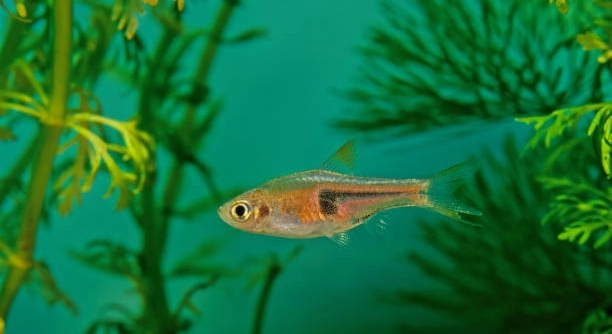
Observing your rasboras can be a calming and enjoyable part of aquarium keeping. Their small size and shimmering scales make them captivating, yet subtle changes in behavior may reveal much about their overall health and comfort.
Healthy rasboras display consistent swimming patterns, clear eyes, smooth scales, and active social interactions within their group. Regular feeding responses, proper coloration, and minimal signs of stress are key indicators that these fish are thriving in their environment.
Recognizing these cues allows you to maintain a supportive habitat and ensure your rasboras remain vibrant and active in your aquarium.
Consistent Swimming Patterns
Watching your rasboras glide through the water is one of the easiest ways to gauge their health. Healthy fish move smoothly and maintain a steady pace, without sudden jerks or erratic changes in direction. They should explore the tank evenly, using all levels rather than hiding constantly at the bottom. Consistent swimming also indicates comfort with their environment and proper water conditions. Groups of rasboras often swim together in coordinated patterns, demonstrating social cohesion. When a fish lags behind or isolates itself, it can signal stress, illness, or water imbalance. Paying attention to these patterns daily helps you notice subtle changes before problems become severe. Regular observation allows for timely interventions, whether adjusting water parameters, checking diet, or addressing tank dynamics. Even minor adjustments in temperature or pH can restore natural swimming behavior. Understanding these movement patterns builds confidence in your ability to care for your rasboras effectively.
Healthy swimming shows that your rasboras are comfortable and active in their environment, indicating proper care.
Consistent swimming also reflects good health and social interaction. Fish that dart, float awkwardly, or stay isolated may need immediate attention. Observing these patterns gives insight into water quality, tank setup, and overall well-being, allowing for quick adjustments to maintain balance.
Clear Eyes and Vibrant Scales
Healthy rasboras have bright, clear eyes without cloudiness or swelling. Their scales appear smooth and uniform, with natural coloration reflecting their species. Any dullness, discoloration, or raised scales can indicate stress, poor water conditions, or disease. Regular feeding and proper nutrition support vibrant scales.
Clear eyes and smooth scales are visual indicators of good health in rasboras, showing they thrive in their tank.
Eyes and scales reveal much about a fish’s condition. Cloudy eyes may suggest infections, while dull or patchy scales often result from nutritional deficiencies or parasites. Maintaining clean water, balanced diet, and avoiding sudden environmental changes helps preserve their natural appearance. Consistently monitoring these traits allows for early detection of issues, ensuring interventions can be applied before health deteriorates. Additionally, observing interactions among fish provides insight into stress levels and dominance behaviors, which can impact scale health and coloration. Lighting also plays a subtle role, as proper illumination enhances natural hues without stressing the fish. Over time, attentive care and regular observation make it easier to maintain healthy eyes and scales while preventing minor concerns from becoming serious problems.
Active Social Interaction
Rasboras are naturally social fish that thrive in groups. Healthy individuals interact regularly, swimming together and mirroring each other’s movements. Isolation or lack of response may indicate stress, illness, or poor water conditions, signaling a need for closer observation and adjustments in care.
Social behavior is a strong indicator of rasbora health. When fish engage with their group, follow each other, and maintain cohesive formations, it reflects proper acclimation to the tank. Healthy fish may chase each other lightly or coordinate turns, demonstrating comfort and natural instincts. Any disruption in these interactions, such as one fish lagging or hiding, suggests environmental or internal issues that require attention. Observing these dynamics daily helps ensure the tank remains a safe, stable habitat, and it supports monitoring other health indicators like feeding and coloration. Maintaining a consistent group size and avoiding aggressive tank mates reinforces social stability.
Monitoring these interactions allows you to notice early signs of stress or illness. Adjusting tank layout, water quality, and group composition often restores normal behavior and keeps rasboras thriving. Social cohesion is essential, and attentive observation ensures the fish remain active and engaged within the group, strengthening overall well-being.
Proper Feeding Response
Healthy rasboras respond quickly and actively during feeding, showing interest in food and competing naturally within their group. Lack of appetite or sluggish behavior may indicate illness, stress, or nutritional deficiency, requiring immediate attention to maintain overall health.
A prompt feeding response demonstrates that rasboras are well-adjusted to their environment and receiving adequate nutrition. Fish that eagerly approach food, chase it, or nibble consistently exhibit strong vitality. Slow or hesitant feeding can be caused by water quality issues, improper diet, or internal parasites. Ensuring a balanced diet with appropriate variety supports proper growth, coloration, and immune function. Monitoring feeding behavior helps detect subtle changes, allowing intervention before serious problems arise. Consistent feeding times reinforce natural routines, reducing stress and encouraging active participation within the group.
Regular observation of feeding behavior provides insight into both physical health and environmental comfort. Fish that refuse food or act unusually during mealtime may need water adjustments, dietary changes, or medical care. Maintaining clean feeding areas, providing a variety of suitable foods, and avoiding overfeeding support long-term health and prevent common issues like bloating, poor coloration, and weakened immunity. By carefully watching their response to feeding, you ensure your rasboras remain lively, strong, and responsive within the tank environment.
Proper Coloration
Healthy rasboras display bright, consistent colors that reflect their species. Dull or faded coloration can indicate stress, poor diet, or water quality issues, signaling that adjustments may be necessary to maintain optimal health.
Vibrant colors also show that the fish are comfortable in their environment. Stress, illness, or improper lighting can lead to muted or uneven hues, making color a reliable visual cue for overall well-being.
Clear Gills
Rasboras with clear, pinkish gills are generally healthy. Pale, inflamed, or swollen gills can indicate poor water conditions, low oxygen, or disease.
Minimal Signs of Stress
Observing behavior such as hiding, erratic swimming, or rapid gill movement can reveal stress in rasboras. Consistent calm activity suggests the fish feel safe and well-adjusted.
What is the ideal group size for rasboras?
Rasboras are schooling fish that feel most comfortable in groups. A minimum of six is recommended to encourage natural social behavior and reduce stress. Smaller groups often lead to hiding, erratic swimming, and diminished overall health. Observing your fish interact in a larger group helps maintain cohesion and active behavior. Group size also affects their swimming patterns, feeding dynamics, and general confidence in the tank. Keeping them in sufficient numbers ensures they display normal social interaction and reduces the chance of aggression or dominance issues.
How often should rasboras be fed?
Feeding frequency for healthy rasboras is typically once or twice a day. Overfeeding can pollute the water, leading to stress or disease. Provide small portions that can be consumed within a few minutes, observing how eagerly they respond. Variety is important—mixing high-quality flakes, micro-pellets, and occasional live or frozen foods helps maintain vibrant colors and strong immunity. Regular feeding schedules promote consistent activity and prevent dominance or bullying during mealtime. Removing uneaten food promptly also prevents water contamination, supporting clear gills, smooth scales, and active swimming.
What water conditions are best for rasboras?
Rasboras thrive in clean, slightly acidic to neutral water, typically with a pH between 6.5 and 7.5. Temperature should range from 24°C to 28°C (75°F to 82°F). Maintaining stable water conditions reduces stress, supports proper coloration, and encourages natural swimming behavior. Regular water changes, proper filtration, and monitoring for ammonia, nitrite, and nitrate levels are essential. Sudden changes in temperature or pH can trigger hiding, erratic swimming, or pale coloration. A planted tank with gentle flow helps mimic their natural environment, supporting clear gills, active feeding, and strong social interaction. Observing daily behavior alongside water testing ensures a healthy environment.
How can I tell if a rasbora is stressed or sick?
Signs of stress or illness include hiding, rapid gill movement, faded colors, and irregular swimming. Reduced appetite or isolation from the group also indicates potential problems. Monitoring these behaviors daily allows for early intervention before serious illness occurs. Stress may result from overcrowding, poor water quality, aggressive tank mates, or sudden environmental changes. Minor issues can often be corrected by adjusting temperature, improving filtration, or providing additional hiding spots. Severe or persistent signs may require medical treatment or quarantine. Early detection is key to restoring health, encouraging normal feeding, and maintaining proper coloration and activity.
Can rasboras live with other fish species?
Rasboras are peaceful and generally compatible with other small, non-aggressive species. Suitable tank mates include tetras, guppies, and small catfish. Avoid large or aggressive fish that may intimidate or injure them. A balanced community tank ensures healthy social interaction, proper feeding response, and consistent swimming patterns. Observing group behavior with new tank mates helps detect stress or dominance issues early. Introducing compatible species gradually reduces tension, while maintaining proper hiding spaces supports calm activity. Ensuring that all fish receive appropriate nutrition and have similar water requirements prevents health problems and promotes vibrant coloration.
What should I do if a rasbora shows unusual behavior?
Unusual behavior like sluggish swimming, floating at the surface, or refusing food signals an immediate need to check water conditions and diet. Test for ammonia, nitrite, nitrate, pH, and temperature fluctuations. Correcting water quality often restores normal activity quickly. Isolate sick fish if necessary to prevent spread of disease. Monitor gill movement, scale condition, and coloration to track improvement. Adjusting diet to include high-quality flakes, micro-pellets, or frozen foods can support recovery. Observing behavior daily ensures early detection of potential problems, keeping the group healthy and active. Consistent care prevents minor issues from escalating into serious health concerns.
How do I maintain vibrant colors in my rasboras?
Vibrant coloration depends on diet, water quality, and lighting. Feed a varied diet rich in natural pigments, including high-quality flakes and occasional live or frozen foods. Stable water parameters and a clean tank prevent stress that can dull colors. Proper lighting enhances natural hues without causing excessive algae growth or stress. Healthy social interaction and minimal aggressive behavior also contribute to bright colors. Avoid overcrowding, maintain appropriate temperature and pH, and observe swimming and feeding behavior regularly. When these factors are consistently managed, rasboras display their full coloration, showing signs of vitality and well-being within the tank.
What are common mistakes to avoid with rasboras?
Overcrowding, inconsistent feeding, and poor water maintenance are frequent mistakes. Aggressive tank mates, sudden environmental changes, and insufficient hiding spots can also cause stress. Monitoring behavior, gill condition, swimming patterns, and coloration helps prevent problems. Gradual acclimation and attention to water quality are essential. Providing a suitable group size and balanced diet supports social interaction, proper feeding response, and vibrant coloration. Avoid overfeeding, as uneaten food can pollute water, leading to health issues. Consistent observation ensures early intervention, maintaining a thriving, active community where rasboras exhibit natural behavior and optimal physical condition.
How can I encourage natural behavior in my rasboras?
Creating a planted tank with open swimming areas promotes natural movement. Maintaining stable water parameters and a suitable group size encourages schooling and social interaction. Regular feeding and hiding spots reduce stress, support active swimming, and enhance coloration. Monitoring behavior ensures a healthy, comfortable environment.
Rasboras are small but remarkable fish, and their behavior can tell us a lot about their health and well-being. Observing their swimming patterns, feeding habits, coloration, and social interactions gives clear insights into how they are adjusting to their environment. Consistent swimming and active engagement with their group indicate comfort and proper acclimation, while hesitation or erratic movements can signal stress or environmental issues. Clear eyes, vibrant scales, and healthy gills are physical indicators that reflect proper nutrition and water conditions. By paying attention to these visual cues, you are better able to address any concerns before they become serious problems. Regular observation is not just about noticing illness; it is also about appreciating their natural behaviors and ensuring they thrive in the tank.
Maintaining healthy rasboras requires a combination of proper tank setup, clean water, suitable group size, and a balanced diet. They perform best in stable water conditions with a slightly acidic to neutral pH and temperatures within their preferred range. Keeping a group of at least six fish encourages social cohesion and natural schooling behaviors, which help reduce stress and keep them active. Feeding them appropriate portions of high-quality flakes, micro-pellets, and occasional live or frozen foods supports coloration, immune function, and vitality. Overfeeding or irregular feeding schedules can lead to water contamination, stress, and behavioral changes, so it is important to remain consistent. Observing their response to feeding and monitoring for any signs of illness allows you to make adjustments to both diet and tank maintenance, ensuring their overall health remains optimal.
Understanding the visual cues of healthy rasboras helps create a harmonious and thriving aquarium. Noticing small changes in behavior, such as isolation from the group, hiding, or diminished activity, can serve as early warnings that adjustments are needed. Providing a balanced environment with adequate hiding spots, clean water, and compatible tank mates fosters natural behavior and reduces stress. Clear eyes, vibrant scales, consistent swimming, and proper feeding responses are all signs that your fish are comfortable and healthy. By regularly monitoring these cues, maintaining suitable conditions, and offering proper nutrition, you can ensure your rasboras live full, active, and vibrant lives. Careful attention to these factors not only supports their physical health but also allows you to enjoy observing their lively, engaging behaviors every day.

Hello,
If you enjoy the content that we create, please consider saying a "Thank You!" by leaving a tip.
Every little bit helps us continue crafting quality advice that supports the health, happiness, and well-being of pets around the world, for pets of all shapes, sizes, and species.
We really appreciate the kindness and support that you show us!