
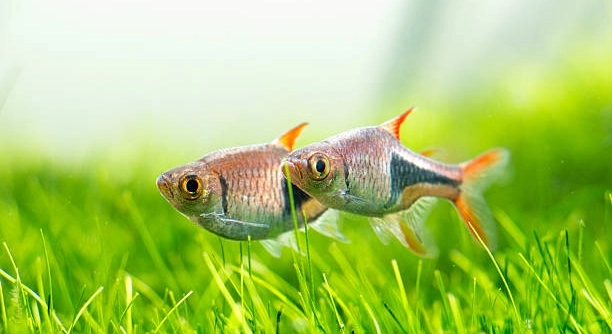
Rasboras are small, colorful fish that bring life to any aquarium. Caring for them involves understanding their habits, environment, and dietary needs to ensure they remain healthy and active in a home setting.
The best times to feed rasboras are typically twice a day, once in the morning and once in the evening. Consistent feeding at these times supports their metabolism, encourages natural behavior, and reduces the risk of overfeeding and water contamination.
Feeding schedules may seem simple, but timing plays a key role in keeping rasboras vibrant and healthy in your aquarium.
Adjusting Feeding for Tank Size and Population
The size of your aquarium and the number of rasboras it contains affect how much and how often you should feed them. Smaller tanks with many fish require careful portion control to prevent uneaten food from fouling the water. Overcrowding can increase competition for food, causing some fish to eat too much while others go hungry. Observing their interactions during feeding helps identify whether adjustments are necessary. Feeding in multiple small locations can reduce stress and ensure all fish get their share. Additionally, water filtration and regular maintenance play a role in managing leftover food. Keeping the tank clean allows for healthier feeding patterns and reduces the risk of disease. Monitoring both fish behavior and water quality helps establish a balanced routine. Adjustments may be needed as fish grow or the population changes, ensuring each rasbora maintains proper nutrition without compromising tank conditions.
Feeding amounts should match the number of fish and tank capacity to maintain clean water and healthy fish.
Regularly checking portions and observing feeding behavior helps prevent overfeeding. Balanced meals with controlled portions maintain water quality, fish health, and activity levels.
Providing appropriate portions based on tank size ensures a stable environment. Feeding too much in crowded conditions can cause leftover food, leading to cloudy water and increased bacterial growth. Observing the speed at which rasboras eat allows for fine-tuning portion sizes. Splitting feedings into several spots can help all fish access food evenly. Adjustments may be needed as the fish grow or if new members are added to the tank. Proper feeding also reduces waste, preventing the filtration system from being overworked. Maintaining this balance keeps water conditions optimal, supporting vibrant coloration and active behavior. Small, frequent feedings combined with regular tank maintenance ensure that rasboras remain healthy, energetic, and visually striking in their aquarium environment.
Seasonal Considerations for Feeding
Temperature and daylight affect rasboras’ feeding needs.
During warmer months, metabolism increases, requiring slightly larger or more frequent feedings. Cooler periods may call for reduced portions to prevent overfeeding and maintain health.
Monitoring seasonal changes helps adjust feeding times and amounts. Rasboras may eat more in higher temperatures and less when water cools. Keeping a consistent routine while accommodating seasonal shifts supports healthy growth, behavior, and overall well-being. Adjusting food type and quantity ensures they receive proper nutrition year-round.
Choosing the Right Food
Rasboras thrive on a balanced diet of flakes, micro-pellets, and occasional live or frozen foods. Variety ensures proper nutrition and supports their vibrant coloration, activity, and overall health.
Different types of food serve distinct purposes. Flakes and micro-pellets provide essential vitamins and minerals for daily health, while live or frozen foods stimulate natural foraging behavior and supply extra protein. Rotating food types keeps the diet interesting and reduces the risk of nutrient deficiencies. Careful portioning prevents leftover food from polluting the water, which can cause stress or illness. Observing their response to each food type allows for adjustments in both amount and variety, helping maintain a thriving aquarium environment where rasboras remain active and colorful.
Feeding small amounts multiple times a day is more effective than one large meal. This approach mimics natural feeding patterns and supports metabolism. Monitoring how quickly food is consumed helps avoid overfeeding.
Monitoring and Adjusting Feeding Habits
Keeping track of feeding schedules and portions helps maintain water quality and fish health. Regular observation ensures rasboras receive appropriate nutrition without stress or waste.
Adjusting feeding habits based on behavior, tank conditions, and seasonal changes is essential. Watch for signs of overfeeding, such as leftover food, or underfeeding, such as fish appearing sluggish or thin. Proper portions and timing encourage natural activity and prevent water quality issues caused by uneaten food. Seasonal temperature shifts can affect metabolism, requiring small adjustments in food quantity or frequency. Recording observations helps create a tailored feeding routine, keeping all rasboras healthy, active, and vibrant. Maintaining a balance between nutrition, tank cleanliness, and fish behavior ensures a sustainable environment for long-term well-being.
Timing and Frequency
Feeding rasboras twice a day, once in the morning and once in the evening, fits their natural activity cycle. Small, consistent meals help maintain energy levels and support healthy digestion.
Avoid irregular or excessive feedings, as they can stress the fish and degrade water quality. Consistency promotes predictable behavior and prevents overfeeding issues.
Observing Appetite
Carefully watching how quickly rasboras eat reveals if portions are appropriate. Fast consumption usually indicates the right amount, while leftover food signals overfeeding. Adjust portions accordingly to maintain balance in the tank and prevent waste buildup.
Seasonal Adjustments
Warmer months increase metabolism, requiring slightly more food, while cooler months reduce feeding needs. Monitoring water temperature and fish behavior guides portion adjustments for optimal health.
Avoiding Overfeeding
Excess food can lead to cloudy water and health problems. Offering small amounts at scheduled times keeps the tank clean and fish healthy.
FAQ
How often should I feed my rasboras?
Rasboras do best with two feedings per day, once in the morning and once in the evening. This routine aligns with their natural activity, keeps their metabolism stable, and prevents overfeeding. Splitting meals into small portions ensures all fish have access to food and reduces waste.
What types of food are best for rasboras?
A balanced diet of high-quality flakes or micro-pellets forms the daily base. Occasionally offering live or frozen foods, such as brine shrimp or daphnia, adds protein and stimulates natural foraging behavior. Rotating food types helps prevent nutrient deficiencies and keeps fish active.
How do I know if I am overfeeding?
Leftover food that remains after a few minutes indicates overfeeding. Overfed rasboras may also become sluggish or show signs of bloating. Adjusting portion sizes and monitoring behavior helps maintain proper feeding without compromising water quality.
Can rasboras go a day without food?
Yes, rasboras can safely skip a day occasionally, especially if the tank has leftover biofilm or small microorganisms. However, regular feeding is essential for consistent energy, growth, and coloration. Occasional breaks are acceptable but should not become routine.
Does tank size affect feeding?
Yes, tank size and population density directly influence how much food is needed. Small tanks with many fish require smaller, carefully measured portions to prevent water contamination. Larger tanks may allow slightly larger meals but still benefit from multiple small feedings.
What is the best time of day to feed rasboras?
Morning and evening feedings work best, reflecting their natural activity cycle. Morning meals energize them for exploration and activity, while evening feedings should be lighter to match slower movement and lower metabolism. Keeping consistent times helps reduce stress and maintain routine behavior.
How do I adjust feeding in different seasons?
Temperature changes affect metabolism. Warmer water increases appetite, requiring slightly larger or more frequent meals. Cooler water slows digestion, so reduce portions to avoid leftover food that can pollute the tank. Observing fish activity and behavior is key to seasonal adjustments.
Can rasboras eat plant-based foods?
Rasboras can consume some plant matter in flakes or pellets, but their diet should mainly be protein-based. Including occasional vegetable flakes or blanched vegetables can supplement nutrition, though live and frozen protein sources remain essential for healthy growth and coloration.
How can I encourage shy rasboras to eat?
Feed them in areas with hiding spots nearby to reduce stress. Splitting food into several spots allows timid fish to eat without competition. Smaller, frequent meals also help them gradually feel comfortable approaching food. Observation helps identify preferences and adjust feeding techniques.
What should I do if fish aren’t eating?
Check water quality, temperature, and tank conditions first, as poor conditions can reduce appetite. Offer a variety of foods in small amounts, and observe their behavior. Temporary fasting is acceptable, but persistent refusal may require investigating illness or stress factors.
Is it safe to feed rasboras human food?
Human food is generally not recommended. It lacks the nutrients rasboras need and can pollute the tank. Stick to flakes, pellets, and occasional live or frozen foods to maintain health, color, and activity.
How do I prevent food from polluting the tank?
Feed small portions that can be consumed in a few minutes. Remove leftovers immediately. Maintaining a consistent schedule and monitoring appetite ensures water remains clean and fish stay healthy. Proper portion control reduces stress on filtration systems and minimizes algae growth.
Can rasboras eat together with other fish?
Yes, but competition can affect feeding. Ensure food reaches all species by splitting portions and feeding in multiple locations. Observing interactions helps prevent dominant fish from overeating while shy ones are left hungry. Adjusting food type and placement keeps all fish nourished.
How long should a feeding session last?
A few minutes is ideal. Most rasboras eat quickly, and any leftover food should be removed to prevent water issues. Prolonged feeding sessions can encourage overfeeding and lead to water contamination, affecting both health and behavior.
Can I feed rasboras at irregular times?
Consistency is best. Irregular feedings can stress fish and affect appetite. Keeping a predictable schedule encourages natural behavior and supports digestion. Minor deviations are acceptable, but regular feeding times help maintain overall health and vibrant activity.
Should I adjust feeding for juvenile vs. adult rasboras?
Yes, juveniles need smaller, more frequent portions due to faster metabolism and growth needs. Adults require less frequent meals, but consistency remains important. Observing appetite and adjusting portion sizes ensures proper development and avoids overfeeding.
How do I know if my rasboras are getting enough nutrition?
Healthy rasboras are active, display bright colors, and eat consistently. Slow movement, faded colors, or leftover food may indicate improper feeding or nutritional imbalance. Regular observation and varied diet ensure they receive adequate nutrients for long-term health.
Is it better to feed more often or give larger portions less frequently?
Smaller, more frequent meals are preferable. They mimic natural feeding patterns, support metabolism, reduce waste, and prevent overfeeding. Large meals can stress the digestive system and lead to uneaten food, negatively affecting water quality and fish health.
Can rasboras overeat?
Yes, overfeeding is common and can lead to bloating, lethargy, and poor water quality. Stick to measured portions, observe behavior, and remove uneaten food promptly to maintain health and a clean aquarium.
What are the signs of underfeeding?
Signs include slow movement, thin bodies, faded coloration, or competition for food. Adjusting portion size or frequency can correct underfeeding. Ensuring all fish receive adequate nutrition supports energy levels, growth, and vibrant appearance.
How do I make feeding time efficient in a community tank?
Distribute food in multiple locations, use small portions, and observe fish reactions. This ensures all fish have access to nutrition and prevents dominant species from consuming the majority of food. Consistency and monitoring are key to maintaining balance.
Can feeding habits affect water temperature or quality?
Indirectly, yes. Uneaten food decomposes, raising waste levels and promoting algae growth. This can stress fish and strain filtration. Regular monitoring and proper portion control maintain stable water conditions and healthier rasboras.
Are there any supplements I should give?
Occasional vitamin-enriched flakes or pellets can support health and coloration. Live or frozen foods naturally provide nutrients, reducing the need for additional supplements. Monitor fish condition to determine if supplementation is necessary.
How long should I wait between feedings?
About 8-12 hours is ideal for a twice-daily schedule. This allows proper digestion and energy replenishment while avoiding overfeeding. Observing appetite and activity helps refine timing for each tank’s specific needs.
What is the best way to introduce new food?
Introduce gradually in small amounts to monitor acceptance and prevent waste. Mixing new food with familiar types encourages consumption. Observation ensures fish adapt without stress or disruption to feeding routines.
How do I maintain feeding consistency when away from home?
Automatic feeders can dispense controlled portions, but careful programming is required. Enlist help from someone familiar with the routine for longer absences. Consistent feeding prevents stress, overeating, and nutritional gaps.
How do feeding habits influence rasboras’ lifespan?
Proper feeding supports metabolism, growth, coloration, and immune function. Overfeeding or underfeeding can reduce lifespan by causing stress, disease, or poor water quality. Maintaining a balanced diet and consistent schedule promotes long-term health and activity.
Can feeding times affect aggression?
Yes, inconsistent or irregular feeding can increase competition and stress, leading to nipping or chasing. Predictable feeding routines reduce stress, ensure fair access to food, and support harmonious behavior within the tank.
How important is portion control?
Portion control is essential for health and water quality. Measuring food prevents overfeeding, reduces waste, and ensures all fish receive adequate nutrition. Regular observation and adjustment help maintain balance and prevent health issues in the aquarium.
Should I feed differently if I have a planted tank?
Yes, avoid excess food that may decompose and harm plants. Small portions and careful observation ensure both plants and fish thrive without nutrient imbalances or water pollution.
How can I tell if feeding times need adjustment?
Observe fish activity, appetite, and leftover food. If fish appear hungry or food remains uneaten, timing or portion size may need modification. Adjust gradually to maintain consistency and prevent stress.
What are the risks of feeding too much frozen or live food?
Excess live or frozen food can lead to overeating and nutrient imbalance. Always measure portions and mix with regular flakes or pellets to ensure balanced nutrition. Monitor behavior and digestion to prevent problems.
Can rasboras be fed at night?
Night feedings are unnecessary. Rasboras are less active after lights go off. Feeding during daylight or early evening matches their natural cycle and prevents leftover food from polluting the tank.
How do I track feeding habits effectively?
Use a simple log to record time, portion size, and behavior. Notes help spot trends, adjust meals, and maintain consistency. Tracking supports health, growth, and clean water conditions.
Is it okay to feed floating food only?
Yes, but consider sinking options if some fish are timid. Floating food encourages surface feeding, while sinking portions reach lower areas and ensure all fish are fed evenly.
Can stress affect feeding behavior?
Stress reduces appetite and alters behavior. Causes include poor water quality, overcrowding, or sudden environmental changes. Maintaining consistent feeding times and proper tank conditions minimizes stress and promotes healthy eating habits.
How long can rasboras go without food safely?
Up to one day occasionally is safe, but regular feeding is important. Longer periods without food can weaken immunity, reduce activity, and affect coloration. Consistency ensures vitality and proper growth.
What adjustments are needed for a new tank?
Feed smaller portions initially, as fish may explore more than eat. Monitor water parameters closely to prevent pollution from uneaten food. Gradually increase portions as fish settle into routine.
Can feeding influence breeding behavior?
Yes, proper nutrition and consistent feeding support energy levels and readiness to spawn. Offering protein-rich foods can enhance breeding success while maintaining overall health.
How can I make feeding less stressful for fish?
Feed in calm areas, avoid sudden movements, and offer food in small portions. Multiple feeding spots reduce competition and encourage timid fish to eat without stress.
What should I do if one fish dominates food?
Feed in several locations and use smaller portions. Observing interactions allows you to adjust feeding to ensure all fish get adequate nutrition. Patience and consistency help reduce competition over time.
Is it necessary to remove uneaten food immediately?
Yes, removing leftovers prevents water contamination, algae growth, and health issues. Clean water supports digestion, reduces stress, and maintains tank balance.
How do I balance feeding with tank maintenance?
Feed measured portions, remove uneaten food, and perform regular water changes. Balancing feeding and maintenance keeps water quality high and fish healthy.
Can feeding schedules affect coloration?
Yes, consistent, nutritious feeding supports vibrant coloration. Protein-rich foods and vitamins enhance natural pigments. Poor feeding habits can dull colors and reduce overall health.
What are common mistakes in feeding rasboras?
Overfeeding, irregular schedules, ignoring water quality, and offering an unbalanced diet are frequent mistakes. Careful observation, consistent timing, and variety prevent these issues.
How long does it take to establish a feeding routine?
Typically one to two weeks of consistent timing and portioning is enough. Observation ensures fish adapt, promoting stable behavior, proper nutrition, and a clean tank.
Are automatic feeders reliable for rasboras?
They can be useful for consistency but require careful programming. Too much food at once can overfeed, while mis-timed feedings may stress the fish. Monitoring and occasional manual feedings help maintain control.
Can feeding affect tank algae growth?
Yes, leftover food promotes algae. Proper portions, removal of uneaten food, and consistent cleaning prevent algae overgrowth, keeping the aquarium balanced.
Should I vary the feeding location?
Yes, multiple spots reduce competition and allow shy fish to eat. It also encourages natural foraging behavior and ensures all fish receive adequate nutrition.
How important is observation during feeding?
Observation is crucial. It reveals appetite, behavior, and potential health issues. Regular monitoring helps adjust portions, timing, and food types to maintain healthy, active rasboras.
What is the role of live food in feeding?
Live food stimulates natural hunting instincts and provides high protein. Used occasionally, it complements flakes or pellets without overwhelming the diet. Proper portioning ensures benefits without water contamination.
Can I feed too many supplements?
Yes, excess vitamins or enriched food can cause imbalances. Use supplements sparingly, monitor fish health, and rely mainly on a balanced diet for nutrition.
How do I transition rasboras to new food?
Mix small amounts of the new food with familiar types, gradually increasing the proportion. Observation ensures acceptance and avoids waste, maintaining nutrition and routine.
Is feeding behavior different for young vs. adult rasboras?
Yes, juveniles need smaller, frequent meals for growth. Adults require less frequent feedings but still benefit from consistent portions. Adjusting amounts ensures proper development and prevents overfeeding.
Can feeding affect fish temperament?
Yes, inadequate or inconsistent feeding can increase aggression. Predictable schedules and proper portions reduce competition and stress, promoting peaceful behavior.
What are signs of nutritional deficiency?
Faded coloration, slow growth, or lack of energy indicate deficiencies. Offering a varied diet of flakes, pellets, and occasional live or frozen food helps prevent these issues.
How do I maintain feeding consistency with multiple tanks?
Create a schedule for each tank, track feeding times, and adjust portions according to tank size and population. Consistency reduces stress and promotes health across all aquariums.
Are rasboras picky eaters?
Some may show preferences, but most accept a variety of flakes, pellets, and live foods. Gradually introducing new foods encourages a balanced diet and reduces selective eating.
How does feeding affect fish activity?
Proper feeding increases energy, exploration, and interaction. Overfeeding or underfeeding can reduce movement and activity, affecting overall health and coloration.
Can I feed directly in front of plants?
Yes, but monitor for leftover food that may decay. Small portions and careful placement prevent water issues while allowing fish to forage naturally.
What adjustments are needed for community tanks?
Feed in multiple spots to reduce competition. Observe all species’ behavior to ensure balanced nutrition. Portion size may need adjusting based on tank population and species needs.
How do I know if feeding portions are correct?
Fish should consume all food within a few minutes. Leftovers indicate overfeeding, while slow eating or constant hunger signals underfeeding. Observing behavior helps maintain balance.
Should I feed differently for stressed fish?
Offer small portions in calm areas and ensure water quality is optimal. Stress can reduce appetite, so feeding gently and consistently encourages consumption.
Can feeding impact breeding success?
Yes, proper nutrition and timing support reproductive readiness. Protein-rich foods enhance energy and increase chances of successful spawning.
How do I handle sudden changes in feeding needs?
Monitor appetite and behavior, adjust portions gradually, and consider environmental or seasonal factors. Gradual changes prevent stress and maintain health.
Is it okay to feed rasboras alongside other fish species?
Yes, but monitor competition. Feeding in multiple spots and offering varied foods ensures all species receive proper nutrition without overfeeding or stress.
Can feeding influence fish social behavior?
Yes, consistent, balanced feeding reduces stress and competition, supporting calmer and more predictable interactions among tank mates.
How long should I observe feeding before making adjustments?
Observe at least one week to understand appetite, behavior, and leftover food. Gradual changes ensure portions and timing are appropriate for all fish.
What is the ideal portion size per feeding?
A small pinch that all fish can consume in two to three minutes is ideal. Adjust based on population, age, and activity to prevent overfeeding.
Can feeding affect water clarity?
Yes, uneaten food decomposes and clouds water. Proper portioning, immediate removal of leftovers, and routine cleaning maintain clear water and healthy conditions.
Are frozen foods as good as live foods?
Frozen foods retain nutrients and offer protein, making them a good alternative. They stimulate natural behavior without the risk of introducing live pathogens.
How do I prevent selective eating?
Offer a variety of food types and distribute portions evenly. Gradual introduction of new foods encourages acceptance and balanced nutrition for all fish.
Can feeding routines affect tank maintenance frequency?
Yes, consistent feeding reduces waste buildup, lowering the frequency of water changes and filter cleaning. Overfeeding increases maintenance needs and stress on fish.
How do I encourage shy fish to eat?
Feed in quiet areas, use smaller portions, and spread food across multiple spots. Observation ensures timid fish have access without stress or competition.
Is it better to feed in one spot or multiple spots?
Multiple spots prevent dominant fish from monopolizing food, reduce stress, and encourage natural foraging behavior. It ensures even distribution and proper nutrition for all fish.
Can overfeeding lead to disease?
Yes, excess food can cause obesity, bloating, and water quality issues that increase susceptibility to bacterial or fungal infections. Controlled portions reduce these risks.
How do I track seasonal feeding changes?
Record water temperature, fish activity, and appetite. Adjust portions or frequency based on observed changes to maintain proper nutrition year-round.
What is the best method to introduce frozen food?
Thaw and rinse briefly before offering small amounts. Mix with familiar flakes or pellets to encourage consumption and prevent waste.
How do I prevent food from sinking to the filter?
Feed in smaller portions and distribute evenly across the tank. Removing uneaten food promptly prevents clogging and maintains water quality.
Can feeding affect breeding coloration?
Yes, proper nutrition enhances coloration, energy, and readiness to spawn. Protein-rich foods and vitamins support reproductive health.
How long should new food take to be accepted?
Gradual introduction over several days usually works. Mixing with familiar foods helps fish adapt without stress or rejection.
Can feeding too often cause stress?
Yes, constant feeding disrupts routine and increases competition. Stick to two daily feedings with measured portions to maintain calm behavior.
How do I handle picky eaters?
Offer a variety of foods, split portions across the tank, and mix new foods with familiar types. Observation ensures balanced nutrition and encourages acceptance.
Is it okay to feed at irregular intervals?
Occasional minor deviations are acceptable, but consistent timing reduces stress, supports digestion, and maintains healthy behavior.
Can feeding influence swimming patterns?
Yes, well-fed rasboras are active and explore the
Final Thoughts
Feeding rasboras correctly is a key part of keeping them healthy, active, and vibrant in the aquarium. Consistency in timing and portion sizes helps maintain their natural behavior and metabolism. Twice-daily feedings, once in the morning and once in the evening, usually work best, as these times align with their natural activity levels. Offering small portions rather than one large meal reduces the risk of leftover food, which can harm water quality and affect fish health. Observing their behavior during feeding allows adjustments in both quantity and timing, ensuring all fish receive proper nutrition without overfeeding. This careful approach helps avoid common problems such as bloating, sluggish movement, or water contamination. Over time, a steady routine supports long-term health, encourages active swimming, and preserves the bright colors that make rasboras so appealing in home aquariums.
Variety in diet is equally important for the well-being of rasboras. A mix of high-quality flakes or micro-pellets with occasional live or frozen foods provides essential nutrients and protein for growth and vitality. Live and frozen foods also stimulate natural foraging instincts, keeping the fish engaged and active. Rotating food types prevents nutritional deficiencies and supports immune function, helping the fish resist disease. It is important to measure portions carefully, observing how quickly the food is consumed and removing any leftovers to prevent water pollution. Seasonal changes should also be taken into account, as metabolism can vary with water temperature. During warmer months, slightly larger or more frequent portions may be needed, while cooler months require smaller amounts to prevent overfeeding. Paying attention to these details ensures that rasboras maintain consistent energy levels, coloration, and overall health throughout the year.
Maintaining a balanced feeding routine goes hand-in-hand with proper tank care and observation. Clean water, adequate filtration, and monitoring of fish behavior are all crucial in supporting a healthy environment. Feeding should be part of a broader approach that includes tank maintenance and observation of social interactions. Overcrowded tanks, aggressive behavior, or poor water conditions can impact feeding success and overall fish health. Providing multiple feeding locations can reduce competition and ensure timid fish have access to food. By combining proper feeding techniques, consistent schedules, and attentive observation, it is possible to create an environment where rasboras thrive. Following these practices not only promotes their long-term well-being but also makes caring for the aquarium more manageable, rewarding, and enjoyable. Healthy, active, and vibrant rasboras are the result of thoughtful feeding habits paired with careful attention to the entire aquarium ecosystem.

Hello,
If you enjoy the content that we create, please consider saying a "Thank You!" by leaving a tip.
Every little bit helps us continue crafting quality advice that supports the health, happiness, and well-being of pets around the world, for pets of all shapes, sizes, and species.
We really appreciate the kindness and support that you show us!