
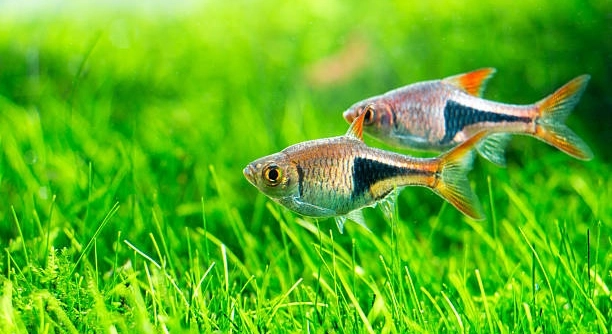
Is your rasbora suddenly darting around the tank more than usual? Many aquarium owners notice sudden bursts of movement that seem unusual for these typically calm fish. Observing this behavior carefully can reveal underlying causes.
Sudden darting in rasboras is commonly caused by stress, changes in water conditions, or the presence of irritants. It may indicate poor water quality, sudden temperature shifts, or nearby aggressive tankmates, requiring prompt attention to maintain fish health.
Understanding why rasboras behave this way can prevent further stress and promote a healthier environment for your fish. Careful observation and timely adjustments are essential for their well-being.
Common Causes of Darting Behavior
Rasboras often dart around due to sudden changes in their environment. Sharp movements in the tank, strong water currents, or newly introduced tankmates can trigger this response. Poor water quality is another common factor, as high ammonia, nitrite, or nitrate levels irritate fish, causing rapid swimming. Temperature fluctuations also contribute, especially if the water becomes too warm or too cold. Even stress from overcrowding or limited hiding spaces can lead to erratic swimming. Observing the tank closely helps identify patterns and possible triggers. Adjusting water parameters gradually and ensuring adequate cover can reduce sudden darting. Consistent feeding schedules and avoiding sudden disturbances near the tank also help maintain calm behavior. Some rasboras are naturally more active than others, but noticeable increases in darting usually point to environmental or health-related factors. Keeping the habitat stable and stress-free is essential for their comfort.
Monitoring water quality and tank conditions daily can prevent most sudden darting issues and ensure a healthier environment.
Persistent darting may indicate underlying health concerns. Parasites, infections, or swim bladder problems can cause erratic swimming. It is important to observe other signs, such as color changes, loss of appetite, or rubbing against surfaces, which may indicate illness. Quarantining new fish before introducing them reduces disease risks, while regular tank maintenance helps maintain proper water conditions. Maintaining the right temperature, pH, and ammonia levels supports overall health. Feeding a balanced diet and avoiding overfeeding prevents digestive issues that may impact movement. In some cases, stress from tankmates or sudden environmental changes can exacerbate health problems. Identifying the precise reason for darting requires patience and careful observation. Acting promptly can prevent more serious complications and keep your rasboras active and healthy. Regular monitoring and adjustments create a stable environment that supports normal behavior and reduces sudden bursts of movement.
Water Quality and Tank Environment
Water quality plays a major role in your rasbora’s behavior. Poor conditions often cause stress and rapid movements.
Keeping water clean, maintaining the correct temperature, and avoiding sudden changes are essential. Regular testing and filtration help stabilize their environment, minimizing stress and erratic swimming.
A balanced and stable tank environment prevents frequent darting episodes. Sudden ammonia spikes, pH shifts, or uncycled tanks can irritate fish, leading to constant movement. Providing plants or hiding spots reduces stress, giving rasboras places to feel secure. Overcrowding increases competition and can trigger sudden bursts of activity, so maintaining appropriate stocking levels is crucial. Filtration systems should avoid strong currents, which may overwhelm delicate fish, while consistent partial water changes help remove waste and maintain clarity. Lighting and feeding schedules also affect behavior; abrupt changes can increase anxiety. Observing fish regularly helps identify early signs of stress or environmental issues. Proactive measures, such as water testing, proper tank setup, and careful monitoring of interactions, create a calm habitat where rasboras can swim naturally. Stability and attentiveness are key to ensuring healthy and peaceful tank behavior.
Stress and Aggression
Stress from tankmates or sudden environmental changes can make rasboras dart around. Aggressive fish nearby or overcrowding increases tension, prompting rapid movements as they try to escape perceived threats.
Overcrowded tanks leave little room for natural swimming patterns, which increases stress. Even calm species can react to aggressive tankmates or sudden introductions, leading to bursts of erratic movement. Providing plants, decorations, and hiding spots reduces stress by giving fish secure areas. Observing interactions between species helps determine if aggression is the cause. Gradual introductions and monitoring fish behavior can prevent long-term tension, ensuring all tank residents feel safe and comfortable in their space. Stress management through careful tank planning is essential for calm, predictable behavior.
Persistent stress can compromise health, weaken the immune system, and increase susceptibility to disease. Rasboras under constant stress may show physical changes, lose appetite, or develop infections. Maintaining a calm, well-structured tank environment minimizes these risks and promotes natural behavior patterns. Regular observation and adjustments to tank conditions ensure a stable habitat that supports both physical health and mental well-being for all fish.
Feeding and Activity Patterns
Feeding schedules influence rasbora behavior, as irregular timing can trigger bursts of activity. Fish anticipate food, causing sudden swimming when they sense feeding time.
Properly timed meals prevent erratic movements. Overfeeding or underfeeding affects energy levels and can lead to stress. Consistent feeding routines help rasboras develop predictable patterns, reducing sudden darting.
Diet composition also impacts activity levels. High-protein foods can increase energy, while varied nutrition ensures overall health and stable behavior. Observing how rasboras respond to different foods can guide adjustments to their diet, promoting calmer swimming. Overfeeding contributes to poor water quality, which adds stress and encourages darting. Maintaining moderate portions and regular schedules supports both physical health and natural activity patterns. Balanced nutrition, combined with a stable tank environment, ensures rasboras remain active but not erratic, helping them thrive in a stress-free habitat.
Sudden Environmental Changes
Sudden changes in water temperature, lighting, or tank placement can cause rasboras to dart. Even minor shifts may startle them, leading to rapid swimming as they adjust to new conditions.
Moving the tank or changing decorations quickly can also stress fish. Gradual adjustments help minimize this behavior and keep the environment stable.
Health Concerns
Parasites, infections, or swim bladder issues often result in erratic swimming. Observing physical symptoms such as discoloration, bloating, or rubbing against surfaces can help identify health problems. Prompt treatment and isolation of affected fish prevent further complications and protect overall tank health.
Lighting and Activity
Bright or inconsistent lighting can trigger sudden darting. Keeping lighting gradual and stable supports normal behavior and reduces stress in rasboras.
FAQ
Why is my rasbora darting suddenly after I added new fish?
Introducing new tankmates can cause stress and territorial behavior. Rasboras may dart to avoid perceived threats or establish dominance. Gradual introductions and monitoring interactions help reduce tension. Providing hiding spots and plants allows fish to retreat when they feel unsafe, minimizing erratic swimming.
Can water quality cause darting behavior?
Yes, poor water quality is a leading cause of sudden darting. High ammonia, nitrite, or nitrate levels irritate fish and increase activity. Regular water testing, partial water changes, and proper filtration stabilize conditions. Maintaining pH, hardness, and temperature within species-specific ranges supports calmer swimming.
Does temperature affect rasbora behavior?
Rasboras are sensitive to temperature fluctuations. Sudden drops or rises can trigger darting as a stress response. Consistent temperature maintenance using a reliable heater and thermometer helps prevent erratic movements. Avoid placing the tank near windows, vents, or heat sources to maintain stability.
Could stress from tankmates cause darting?
Yes, stress from aggressive or overly active tankmates often results in rapid swimming. Overcrowding or incompatible species increase tension. Observing fish interactions, providing sufficient hiding spots, and maintaining proper stocking levels reduces stress-related darting. Gradual introductions of new fish help all species adjust safely.
Does diet impact rasbora activity levels?
Feeding patterns and diet composition affect activity. Overfeeding or irregular schedules can trigger bursts of swimming. High-protein foods increase energy, while balanced nutrition supports overall health. Maintaining consistent feeding times with appropriate portions reduces darting caused by anticipation or excess energy.
Can illness cause erratic swimming?
Yes, parasites, infections, and swim bladder issues often result in sudden darting. Look for additional symptoms like bloating, discoloration, or rubbing against surfaces. Prompt treatment, isolation of affected fish, and maintaining clean water conditions prevent further health complications. Regular observation is essential for early detection.
Do environmental changes trigger darting?
Sudden changes in lighting, tank placement, or decoration can startle rasboras. Gradual adjustments in lighting intensity and placement reduce stress. Maintaining a stable environment with familiar surroundings allows fish to establish normal swimming patterns and minimizes erratic movements.
Is darting normal behavior for rasboras?
Some darting is natural, especially during feeding or brief bursts of energy. However, frequent or intense darting usually indicates stress, poor water quality, or health issues. Observing patterns helps distinguish normal activity from problematic behavior. Addressing triggers ensures a calmer, healthier tank environment.
How can I prevent sudden darting?
Prevention focuses on maintaining stable water conditions, proper tank setup, compatible tankmates, and consistent feeding schedules. Avoid sudden environmental changes, provide hiding spaces, and monitor fish health regularly. Stability, careful observation, and proactive care minimize stress and promote natural behavior patterns.
When should I seek professional help?
If darting persists despite stable conditions, or if fish show signs of illness, it is advisable to consult an aquarium specialist or veterinarian. Prompt intervention can prevent serious health issues and ensure the long-term well-being of your rasboras.
Rasboras are naturally active fish, but sudden darting often signals that something in their environment is causing stress or discomfort. Observing their behavior closely can reveal important clues about their well-being. Many common causes, such as poor water quality, sudden temperature changes, or aggressive tankmates, can be addressed with simple adjustments. Keeping the tank clean, stable, and well-structured reduces stress and promotes calm behavior. Even small changes, like rearranging decorations gradually or providing additional hiding spaces, can make a noticeable difference in how comfortably your fish swim. Maintaining consistency in feeding schedules and water parameters helps rasboras establish predictable routines, which naturally reduces erratic movements. It is important to note that while occasional bursts of activity are normal, persistent darting should not be ignored, as it may indicate underlying health or environmental problems that need immediate attention.
Health concerns are another key factor that should not be overlooked. Parasites, infections, or swim bladder issues often manifest through rapid, erratic swimming. Monitoring physical changes such as bloating, discoloration, or rubbing against surfaces can help identify problems early. Quarantining new fish before adding them to the main tank minimizes the risk of spreading disease. Regular observation, combined with prompt intervention when abnormalities appear, is critical for maintaining the overall health of your rasboras. A proactive approach prevents minor issues from becoming severe and ensures that your fish remain energetic without experiencing unnecessary stress. Overfeeding or imbalanced diets can also contribute to darting behavior, so providing proper nutrition in measured amounts is essential. Consistent care and attention create a stable environment that supports both physical and behavioral health, allowing rasboras to swim naturally and remain comfortable in their habitat.
Ultimately, understanding the causes behind sudden darting allows you to take meaningful steps to support your rasboras. Stable environmental conditions, proper diet, compatible tankmates, and attentive care all play significant roles in reducing stress and encouraging calm, natural swimming patterns. Paying attention to both the behavior and health of your fish helps prevent potential issues before they escalate. By maintaining a balanced and thoughtful approach to tank management, you can create an environment where rasboras thrive, remaining active yet steady. Observing, adjusting, and responding to their needs ensures long-term well-being, giving your fish a comfortable and secure home. Over time, consistent care fosters a peaceful and healthy tank where darting behavior becomes minimal, allowing your rasboras to flourish in a supportive habitat that meets all their needs.

Hello,
If you enjoy the content that we create, please consider saying a "Thank You!" by leaving a tip.
Every little bit helps us continue crafting quality advice that supports the health, happiness, and well-being of pets around the world, for pets of all shapes, sizes, and species.
We really appreciate the kindness and support that you show us!