
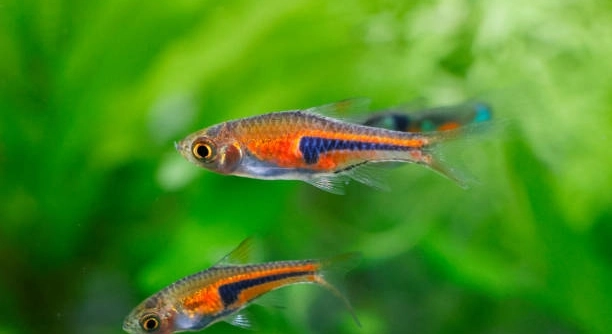
Are your rasboras often darting around the tank in panic, leaving you unsure of what triggered their stress? Sudden movements, loud noises, and tank disturbances can easily unsettle these small, sensitive fish, causing chaotic behavior.
Many tank mistakes can lead to rasbora panic, including overcrowding, sudden water changes, improper filtration, lack of hiding spots, incompatible tank mates, poor water quality, and inconsistent lighting. These factors collectively create stress, which directly impacts their health and behavior.
Recognizing these common triggers is essential for maintaining a calm, healthy environment for your rasboras. Implementing simple adjustments can significantly reduce their anxiety and improve tank harmony.
Overcrowding the Tank
When too many rasboras share a tank, they become stressed and disoriented. Crowded conditions prevent them from swimming freely and hide from each other, which increases panic episodes. Overcrowding also accelerates waste accumulation, leading to poor water quality. Small, active fish like rasboras thrive in spacious tanks with enough room to form natural shoals and move without obstruction. Avoid overstocking by calculating tank capacity based on each fish’s size and activity level.
A larger tank with fewer fish allows rasboras to establish territories and swim calmly without constant competition.
By keeping an appropriate number of fish, you reduce stress levels, improve water quality, and allow their natural behaviors to flourish. This creates a healthier, more balanced environment. Overcrowding not only impacts behavior but can also lead to disease. Adequate space, combined with proper filtration, makes it easier to maintain stable water conditions. Additionally, a well-planned layout with plants and hiding spots ensures rasboras feel secure and less prone to sudden panic. Regular monitoring of fish numbers and tank conditions keeps the environment peaceful and prevents long-term health issues.
Sudden Water Changes
Rapid water changes shock rasboras, causing frantic swimming and stress. Even small temperature or chemical differences can trigger panic.
Consistency is key when performing water changes to maintain stable conditions.
Gradual water adjustments help rasboras adapt without fear. Testing water parameters before adding new water ensures it matches tank conditions. Sudden changes in temperature, pH, or hardness can disrupt their delicate balance, resulting in panic responses. To prevent this, replace only a portion of the water at a time, ideally 10-20% weekly. Using a dechlorinator and matching temperature minimizes stress. Preparing water in advance and adding it slowly reduces sudden shifts. Over time, consistent practices foster a calm, stable tank environment, supporting rasboras’ health and natural behavior. Patience and attention to detail during water changes make a noticeable difference in preventing panic episodes.
Improper Filtration
A weak or inconsistent filter can create uneven currents, which stress rasboras. They prefer gentle, steady water flow and clean conditions, so a proper filtration system is essential for their comfort and health.
Filtration that is too strong causes rasboras to struggle against currents, increasing panic and exhaustion. In contrast, inadequate filtration allows waste to build up, lowering water quality and encouraging harmful bacteria growth. Choosing a filter appropriate for your tank size and flow preference ensures consistent water movement and cleanliness. Regular maintenance, like rinsing filter media and checking flow rates, prevents sudden surges or drops in water quality. Gentle circulation also helps distribute heat and oxygen evenly, supporting overall tank stability.
A well-maintained filtration system not only reduces stress but also creates a stable environment where rasboras can swim naturally and interact peacefully. Keeping up with routine cleaning schedules and monitoring flow levels ensures the tank remains safe and comfortable. Over time, stable water conditions reduce panic episodes, improve fish health, and enhance the visual appeal of the aquarium. Proper filtration is one of the most effective ways to maintain calm and thriving rasboras.
Lack of Hiding Spots
Rasboras feel vulnerable without places to hide, which can trigger panic. Plants, rocks, and decorations provide necessary shelter.
Adding sufficient hiding spots helps rasboras feel secure and reduces stress-related behavior.
Dense planting or strategic decorations create safe zones where fish can retreat when feeling threatened. Open tanks without cover leave them exposed to sudden movements, lights, or other fish, heightening panic responses. By incorporating floating plants, caves, or dense bushy areas, you provide options for rasboras to escape perceived danger. This not only lowers stress levels but also encourages natural shoaling behavior and calmer swimming patterns. Properly spaced hiding spots prevent territorial conflicts and give weaker or smaller individuals a chance to rest. Regularly rearranging decor slightly can also keep the environment stimulating without causing fear. Overall, a well-decorated tank with hiding spaces supports mental and physical well-being while minimizing panic episodes.
Incompatible Tank Mates
Aggressive or larger fish can intimidate rasboras, causing them to panic. Choosing peaceful species helps maintain a calm environment.
Even semi-aggressive fish can disrupt shoaling behavior, making rasboras constantly flee. Careful selection of compatible tank mates is essential.
Poor Water Quality
Dirty or unbalanced water stresses rasboras, leading to frantic movements and health issues. Monitoring ammonia, nitrite, and nitrate levels prevents panic. Regular testing and timely water changes keep the environment stable. Clean substrate and removing uneaten food also maintain water quality, ensuring fish remain calm and healthy.
Inconsistent Lighting
Sudden changes in lighting can startle rasboras, causing erratic swimming. Gradual transitions and stable light schedules reduce stress and maintain their natural rhythm.
What is the main reason rasboras panic in a tank?
Rasboras are small, sensitive fish that react strongly to changes in their environment. Sudden movements, loud noises, poor water quality, overcrowding, and lack of hiding spots are common triggers. Stress from these factors can cause frantic swimming, erratic behavior, and shoaling disruption.
How can I prevent overcrowding in my tank?
The first step is knowing the proper stocking levels for your tank size. Rasboras thrive in groups of at least six, but adding too many can create chaos. Calculate space based on adult size and swimming needs. A larger tank with fewer fish reduces stress and helps maintain water quality. Regularly observe their behavior and adjust numbers if needed.
Why is water quality so important for rasboras?
Rasboras are highly sensitive to ammonia, nitrites, and nitrates. Poor water quality causes stress, illness, and panic episodes. Maintaining stable parameters through filtration, partial water changes, and regular testing keeps them healthy. Uneaten food and waste should be removed to prevent toxins from accumulating. Using a reliable filter suitable for the tank size ensures clean, circulating water.
What kind of hiding spots do rasboras need?
Dense plants, rocks, and small caves provide shelter where rasboras can feel secure. Open tanks leave them exposed, increasing panic responses. Floating plants and bushy areas allow them to retreat and rest when stressed. Providing multiple hiding spots reduces competition for space and supports natural behavior, making the tank environment calmer.
How do incompatible tank mates affect rasboras?
Aggressive or larger fish intimidate rasboras, disrupting shoaling behavior. Even semi-aggressive species can trigger constant fleeing and stress. Peaceful fish of similar size are the best companions. Careful planning of tank mates ensures rasboras can swim freely without fear, reducing panic and supporting a balanced, healthy tank ecosystem.
Can sudden water changes cause panic?
Yes, rapid water changes shock rasboras, especially if the new water differs in temperature, pH, or hardness. Gradual changes, replacing only a portion at a time, prevent stress. Pre-testing water and using dechlorinators help maintain stable conditions. Regular, consistent water maintenance keeps fish calm and minimizes erratic behavior.
Why is consistent lighting important for rasboras?
Rasboras are sensitive to sudden changes in light. Abrupt shifts can trigger panic, while a stable lighting schedule supports their natural rhythm. Gradual transitions in brightness and duration help them adjust comfortably. Using timers ensures consistency, reducing stress and promoting regular activity and feeding patterns.
How often should I check water parameters?
Weekly testing is recommended to maintain safe ammonia, nitrite, and nitrate levels. Regular monitoring helps detect issues early before stress or panic develops. Keeping a simple log of readings allows you to track trends and prevent sudden changes. Maintaining stable parameters supports overall health and reduces anxiety in the tank.
What are signs that my rasboras are stressed?
Frequent darting, hiding excessively, clinging to corners, and refusing to eat are common indicators. Shoaling may break down, and fish may appear lethargic between panics. Monitoring behavior daily helps catch problems early. Correcting environmental factors like water quality, tank mates, and hiding spots can restore calm.
How can I make my tank environment more comfortable?
Providing proper space, gentle filtration, hiding spots, compatible tank mates, and stable water conditions creates a stress-free environment. Consistent lighting, gradual water changes, and routine maintenance all contribute. A calm tank allows rasboras to swim naturally, display normal behaviors, and reduce panic episodes. Regular observation ensures they remain healthy and comfortable.
What should I do if rasboras continue to panic despite improvements?
Evaluate all environmental factors carefully. Sometimes even minor inconsistencies in water parameters, tank layout, or lighting can trigger stress. Consider relocating aggressive tank mates or increasing hiding spots. Patience is essential, as rasboras may take time to adjust. Keeping a consistent, gentle routine gradually restores calm behavior.
Creating a calm and healthy environment for rasboras requires attention to detail and consistency. These small fish are sensitive to their surroundings, and even minor changes can cause stress or panic. Overcrowding, sudden water changes, improper filtration, lack of hiding spots, incompatible tank mates, poor water quality, and inconsistent lighting are all factors that can disrupt their sense of security. By understanding these common issues, you can take practical steps to prevent panic and support the overall well-being of your fish. A tank that meets their needs not only reduces erratic behavior but also encourages natural swimming patterns, allowing your rasboras to thrive.
Maintaining water quality is one of the most critical aspects of caring for rasboras. Testing for ammonia, nitrite, and nitrate levels regularly helps ensure a safe environment. Partial water changes, careful preparation of new water, and the use of appropriate filtration systems keep the tank stable. Rasboras respond positively to gentle water flow and clean conditions, so taking the time to monitor and maintain the tank pays off in reduced stress levels and improved health. Equally important is providing adequate hiding spots through plants, rocks, or other decorations. These allow fish to retreat when they feel threatened, giving them a sense of security that prevents sudden panic. Strategic placement of hiding spots also encourages natural shoaling behavior, creating a more peaceful tank overall.
Consistency and observation play a significant role in preventing rasbora panic. Regular routines for feeding, water changes, and lighting help the fish adapt to a predictable environment. Paying attention to their behavior can alert you to early signs of stress, such as excessive hiding, frantic swimming, or a breakdown in shoaling. Adjusting tank mates, rearranging decorations, or improving water quality based on these observations can restore calm. Over time, a carefully managed environment allows rasboras to develop regular, relaxed behavior patterns. By combining proper tank setup, consistent maintenance, and careful monitoring, you create a space where rasboras can feel secure, healthy, and comfortable, minimizing stress and panic while encouraging their natural instincts to flourish.

Hello,
If you enjoy the content that we create, please consider saying a "Thank You!" by leaving a tip.
Every little bit helps us continue crafting quality advice that supports the health, happiness, and well-being of pets around the world, for pets of all shapes, sizes, and species.
We really appreciate the kindness and support that you show us!