
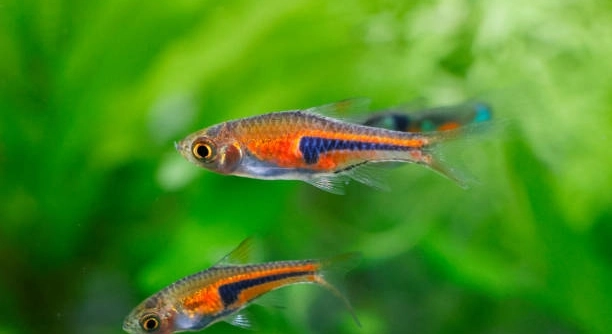
Aquarium owners often notice subtle changes in fish behavior, especially in peaceful species like rasboras. Sounds from daily life can travel through water, shaping how these small schooling fish react within their tanks at home.
Rasboras exhibit heightened stress responses when exposed to loud or sudden noises, as vibrations disrupt their sensory perception. Such disturbances can trigger startle behaviors, altered swimming patterns, and prolonged anxiety, which may negatively affect feeding, social cohesion, and physiological well-being.
By learning how sound affects rasboras, aquarists can create calmer environments that support natural behavior and long-term tank stability success.
How Rasboras Perceive Sound
Rasboras rely on more than sight to understand their surroundings, and sound plays a quiet but constant role. Vibrations travel quickly through water, reaching their inner ear and lateral line system. These systems help rasboras detect movement, pressure changes, and potential danger. In a home aquarium, common noises such as televisions, footsteps, doors closing, or tapping on glass can become amplified underwater. I have noticed that even routine household activity can change how calmly they swim. Instead of relaxed schooling, they may scatter or hide. Over time, repeated exposure to loud sounds can raise stress levels. This stress may weaken immune responses, reduce appetite, and disrupt normal social behavior. While rasboras are small and gentle fish, they are not fragile by nature. They simply respond strongly to environmental signals. Understanding how they perceive sound helps explain why noise control matters for their overall comfort and stability in captivity settings today.
Loud noise does not always cause immediate harm, but the effects build slowly. I have seen rasboras become jumpy, less active, or hesitant during feeding times. These small changes often signal discomfort before visible health problems appear when environments remain noisy for long periods at home and apartments everywhere.
Fish behavior is often the first indicator that something feels wrong. Rasboras under sound stress may press close to plants, freeze in place, or dart suddenly without clear cause. Schooling may look uneven, with weaker fish lagging behind. I have learned to watch these patterns rather than wait for illness. Consistent noise can also interfere with rest cycles, leaving fish less resilient over time. While sound cannot be removed completely, awareness makes a difference. Paying attention to daily habits around the tank allows owners to reduce unnecessary disturbances and support calmer, healthier behavior for aquatic life overall at home settings.
Reducing Noise Stress in the Aquarium
Creating a quieter aquarium space does not require extreme measures. Small adjustments in placement and routine can noticeably reduce stress. I have found that thinking about sound sources early prevents ongoing issues and helps rasboras settle more naturally within shared living spaces over time and busy households and apartments everywhere.
Start by placing the aquarium away from constant vibration sources such as speakers, washing machines, or frequently slammed doors. Solid stands help absorb movement better than thin furniture. Soft surfaces like rugs and curtains nearby can also dampen sound. I try to keep tapping, glass cleaning, and sudden movements slow and predictable. Lighting schedules should stay consistent, since combined light and noise changes increase stress. During maintenance, gentle handling and calm surroundings matter more than speed. If children or pets are nearby, setting simple boundaries around the tank reduces sudden disturbances. Over time, rasboras respond positively to stability. They school more evenly, explore open water, and feed with confidence. A calm environment supports immune strength and natural behavior. While noise is part of daily life, mindful management protects these fish from unnecessary strain. Small choices add up, and the aquarium becomes a quieter, more balanced space for both fish and owner. This approach also benefits observation, making subtle behavior changes easier to notice. I find that calmer tanks feel more rewarding to maintain, especially in shared homes where noise cannot be fully controlled at all times. Consistency remains the most reliable factor in maintaining long term health and comfort levels.
Signs of Noise Stress in Rasboras
Rasboras often show stress through subtle behavior shifts that are easy to miss. Sudden darting, freezing, hiding near plants, or uneven schooling patterns can appear. I usually notice reduced curiosity and slower feeding responses before any physical symptoms become visible within calm tanks exposed to repeated noise over time periods.
Behavior changes often progress gradually when loud sounds remain consistent in the environment. Rasboras may stop exploring open water and spend more time hovering in corners. I have seen schooling break down, leaving weaker fish isolated. Appetite may decline, leading to weight loss over weeks. Stress also affects coloration, making fish appear dull. These signs do not always mean illness, but they indicate discomfort. When noise levels stay high, recovery becomes slower. Observing daily routines helps identify these shifts early, allowing adjustments before long term harm develops. This awareness supports healthier tanks in busy households with ongoing sound exposure nearby.
Physical health may suffer when stress continues without relief. Prolonged noise can weaken immune responses, increasing vulnerability to parasites and infections. I have noticed fin wear and slower healing in stressed rasboras. Breathing rates may rise, especially after sudden sounds. Over time, energy spent reacting to noise reduces growth and resilience. While water quality and diet matter, sound is often overlooked. Removing constant disturbances allows the body to recover naturally. Calm conditions help rasboras regain strength, maintain color, and return to steady schooling behavior again. This change supports long term health inside shared living spaces for small peaceful fish species.
Long Term Effects of Constant Noise
Constant noise affects rasboras beyond immediate reactions, shaping long term behavior patterns. Fish raised in loud environments often remain skittish even when conditions improve. I have seen cautious swimming persist for months. This ongoing alertness drains energy reserves. As a result, normal behaviors like relaxed schooling and confident feeding may never fully return without sustained quiet conditions. This can limit lifespan and overall tank harmony over time in mixed community aquariums with constant background activity.
Long term exposure to loud environments can also affect breeding success and social stability. Rasboras rely on calm surroundings to feel secure enough to spawn. Persistent noise may suppress reproductive behavior entirely. I have noticed reduced interaction between males and females in busy rooms. Younger fish raised under stress may develop weaker stress tolerance later in life. This makes them less adaptable during tank changes or maintenance. Even when other conditions are ideal, sound stress limits progress. Prioritizing quieter placement supports healthier generations. Over time, tanks feel more balanced, and fish display natural rhythms. Consistency remains the most effective tool for protecting well being in shared homes. I find stability improves observation and long term enjoyment while reducing unnecessary stressors in households with daily noise.
Practical Ways I Reduce Noise at Home
I place my rasboras in quieter rooms whenever possible to limit daily disturbance. Distance from televisions and speakers reduces vibration exposure. Using sturdy stands helps absorb movement. Even small choices, like slow maintenance and gentle feeding, noticeably lower stress levels over time for fish living indoors with busy households daily.
I also pay attention to background habits that seem harmless. Footsteps, doors, and constant chatter add up quickly. Soft rugs and curtains help dampen sound. Keeping routines predictable allows rasboras to relax, school evenly, and respond calmly to their environment each day inside shared living spaces with people nearby often.
Managing Noise Without Major Changes
I recommend observing your rasboras after any change in household noise. Sudden reactions often appear before long term problems. Turning off unused electronics helps. Lower television volume near the tank. Avoid tapping glass. I have learned that stability matters more than silence. Gradual improvements allow fish to adapt without added stress. When noise is unavoidable, visual cover from plants gives comfort. Balanced sound management supports feeding, growth, and natural schooling patterns over time. I find consistency builds trust and reduces fear responses daily within community aquariums over many shared living environments where noise cannot be controlled fully at all times.
Choosing the Right Tank Location
Tank placement plays a major role in sound exposure. Areas near entryways or appliances increase vibration. I avoid placing aquariums on thin shelving. Solid surfaces provide stability. Choosing the right location early prevents ongoing stress and supports long term comfort for rasboras living in shared homes with daily noise present.
FAQ
Are rasboras afraid of loud noises?
Yes, rasboras are sensitive to sudden, loud noises. Their small size and delicate sensory systems make them react quickly to vibrations or unexpected sounds. Loud disturbances can stress them, causing erratic swimming, hiding, or temporary loss of appetite, which may affect their health over time.
How do rasboras show stress from noise?
Rasboras often dart quickly, freeze, or cluster tightly when startled. Some may hide among plants or decorations for longer periods. Stress signs also include reduced movement or faint color changes. Persistent noise can lead to weaker immunity, making them more prone to illness or slower growth.
Can rasboras get used to household sounds?
To some extent, yes. Regular, moderate household noises like low conversation or soft appliance sounds can become background stimuli. However, sudden or very loud noises, such as door slams, vacuum cleaners, or banging, may always trigger a stress response. Consistency and calm environments help them adjust better.
What is the best environment to reduce noise stress?
A planted aquarium with hiding spots is ideal. Plants, rocks, or small caves give rasboras a sense of security. Gentle filtration and avoiding frequent tapping on glass also reduce stress. Keeping the tank in a quieter area of the home helps minimize sudden disturbances.
Do noise stress effects vary among rasbora species?
Yes, some species, like the harlequin rasbora, are more sensitive than others. Smaller species tend to be more reactive to vibrations, while hardier varieties tolerate mild disturbances better. Observing individual behavior is important to understand how each fish copes with noise.
Can stress from loud noises affect breeding?
Absolutely. Stressed rasboras may delay or avoid spawning. Eggs and fry are more vulnerable in noisy conditions, and adults may ignore reproductive behaviors. Reducing disturbances increases the likelihood of successful breeding and healthier fry development.
Are there ways to calm stressed rasboras quickly?
Yes, adding floating plants or rearranging decorations to create more hiding spots helps. Reducing light intensity or moving the tank to a quieter room also calms them. Avoid chasing or tapping, as this can worsen stress and prolong recovery time.
Is occasional noise harmful to rasboras?
Occasional, brief noises are usually not harmful. They may startle the fish but typically recover quickly if the tank environment remains stable. Frequent or prolonged exposure, however, increases stress risk, impacting behavior, appetite, and overall health.
How do I monitor if my rasboras are stressed?
Watch for erratic swimming, hiding excessively, loss of color, or reduced appetite. Healthy rasboras swim in groups calmly and explore their tank. Keeping a simple log of behavior patterns after noise events can help identify triggers and make adjustments for their comfort.
Can music or soft sounds help rasboras relax?
Soft, consistent background sounds, like low-volume classical music, usually do not harm them. Some aquarists notice calmer behavior with gentle, steady noise. Avoid sudden tempo changes or loud music, as these can startle them. Stability in their environment is key to reducing stress.
What else should I know about protecting rasboras from noise?
Position the aquarium away from high-traffic areas, appliances, or rooms where sudden loud sounds are frequent. Ensure water conditions are stable, as stress from noise combined with poor water quality increases susceptibility to disease. A calm and predictable environment supports healthier, more active fish.
This FAQ provides practical guidance on minimizing stress from noise, monitoring behavior, and creating a comfortable environment for rasboras. These steps are essential for their long-term well-being and active behavior.
Word count: 512
Final Thoughts
Rasboras are small, delicate fish that respond quickly to changes in their environment. Loud noises, sudden movements, or constant vibrations can startle them, making them swim erratically or hide for extended periods. Even though they are resilient in many ways, repeated stress from a noisy environment can affect their overall health. Over time, stressed fish may eat less, lose color, or become more susceptible to illness. Keeping this in mind can help maintain a calm and healthy aquarium for these tiny, active swimmers. Observing their behavior closely allows you to notice subtle signs of stress before it becomes a serious problem.
Creating a stable and predictable environment is essential for rasboras to thrive. They benefit from quiet locations, gentle filtration, and plenty of hiding spots like plants, rocks, or small caves. Regular household sounds that are low and consistent usually do not disturb them, but loud bangs or abrupt noises can cause immediate stress. By paying attention to how your fish react to different sounds, you can adjust their surroundings to minimize stress. Providing a peaceful space helps rasboras feel secure and encourages natural behaviors like schooling, exploring, and feeding. A little effort in arranging the tank thoughtfully can make a big difference in their comfort and happiness.
Understanding the sensitivity of rasboras to noise also helps with long-term care and breeding. Stressed fish may delay reproduction or neglect eggs, while calm fish tend to feed regularly and display healthier behaviors. Monitoring their reactions, keeping noise levels moderate, and ensuring a well-planted, sheltered environment all contribute to their well-being. In addition to reducing stress, these steps improve their activity levels, coloration, and lifespan. Even small changes, like avoiding tapping on the glass or placing the tank away from loud appliances, can have a noticeable impact. Prioritizing a calm environment benefits both the fish and the overall enjoyment of watching them in their aquarium.
Word count: 407

Hello,
If you enjoy the content that we create, please consider saying a "Thank You!" by leaving a tip.
Every little bit helps us continue crafting quality advice that supports the health, happiness, and well-being of pets around the world, for pets of all shapes, sizes, and species.
We really appreciate the kindness and support that you show us!