
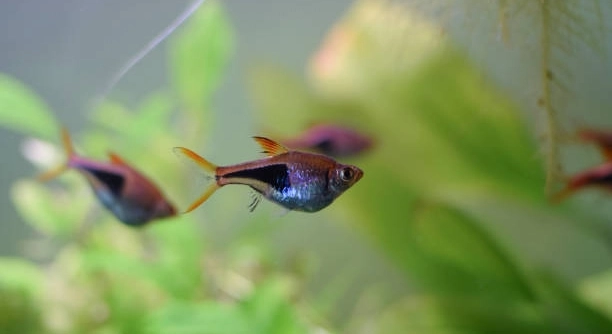
Are your rasboras only active when the lights go out? Many aquarium owners notice this unusual behavior and wonder if something in their tank is affecting the fish. Nighttime activity can be surprising for those used to daytime movement.
Rasboras are primarily nocturnal due to their natural instincts and environmental conditions. Low light, stress, or inadequate daytime hiding spots can cause them to remain hidden during the day and become active only at night, reflecting adaptive survival behaviors.
Observing their nighttime activity can reveal important insights about their comfort and tank setup, helping you create a more balanced environment for your fish.
Understanding Nocturnal Behavior in Rasboras
Rasboras are naturally more active during dim or low-light conditions. In their natural habitats, they often feed and swim under the cover of darkness to avoid predators. Many aquariums unintentionally mimic these conditions when lighting is too bright or daytime disturbances are frequent. Fish may feel safer hiding among plants, rocks, or decorations, limiting daytime activity. Observing this pattern is normal and not necessarily a sign of illness. Factors like water quality, tank size, and social environment also influence activity levels. Tanks with uneven lighting, lack of cover, or frequent sudden movements can increase stress, pushing fish to avoid the open during daylight hours. Adjusting the lighting gradually, adding plants, or creating shaded areas can encourage more balanced activity. Each fish may respond differently, and patience is important. With careful observation and minor adjustments, rasboras can exhibit a healthier, more natural routine in the aquarium.
Creating shaded areas and providing plants can make your fish feel secure and more comfortable in the tank.
Monitoring water conditions, including temperature and pH, helps maintain a stable environment. Ensuring adequate space and social companions allows rasboras to display natural behavior and reduces stress-related nighttime activity.
Adjusting Tank Conditions for Daytime Activity
Gradual changes in lighting can help rasboras adjust to daytime swimming.
Maintaining optimal water quality is crucial for balanced behavior. Clean, filtered water reduces stress, while stable temperature and pH levels support normal activity patterns. Overcrowded tanks can cause fish to hide more often, limiting daytime visibility. Arranging decorations strategically provides shelter without restricting movement, allowing rasboras to explore safely. Feeding routines also influence activity; smaller, more frequent feedings during daylight hours encourage movement. Social dynamics play a role, as rasboras are schooling fish and may feel vulnerable when alone. Observing their responses to changes helps determine what adjustments are effective. Gradual light transitions, such as dimming in the morning and evening, mimic natural conditions, making fish feel secure. Over time, these adjustments can lead to more consistent daytime activity, enhancing the overall enjoyment of the aquarium and supporting the health of your rasboras.
Feeding Habits and Nighttime Activity
Rasboras often feed more actively at night because they feel safer under low light. Daytime feeding may be limited if the tank is bright or there is frequent movement, making them retreat to hiding spots. Adjusting feeding routines can influence their activity patterns.
Smaller, more frequent feedings during daylight hours encourage rasboras to swim and explore the tank. Using floating or slow-sinking foods allows them to feed comfortably without feeling exposed. Overfeeding at night can reinforce nocturnal habits, while balanced portions throughout the day help maintain consistent activity. Observing how fish respond to feeding adjustments is essential for creating a comfortable environment. Gradual changes prevent stress and support healthier routines.
Tank mates also affect feeding behavior. Aggressive or overly active species may intimidate rasboras, limiting daytime feeding. Choosing compatible companions and placing food in safe areas ensures rasboras can feed without fear. Over time, this can reduce nighttime-only activity and create a more natural balance between day and night behavior.
Lighting and Environmental Adjustments
Dim, gradual lighting transitions support daytime activity by mimicking natural sunrise and sunset. Abrupt bright lights can stress rasboras, encouraging nighttime swimming.
Providing shaded areas, dense plant coverage, and strategically placed decorations helps rasboras feel secure. Gradual changes in lighting encourage exploration without causing stress. Adjusting light duration to match natural cycles supports healthy behavior. Observation is key to see how fish respond to each change. Avoid sudden tank rearrangements, as rasboras rely on familiar landmarks for comfort. Consistent routines in feeding, lighting, and water conditions promote predictable activity patterns and reduce excessive nighttime swimming. Over time, careful adjustments create a balanced, stable environment where rasboras feel safe to swim during the day while still respecting their natural nocturnal tendencies.
Water Quality and Its Impact
Poor water conditions can make rasboras more active at night and hide during the day. Regular water changes, proper filtration, and monitoring pH and temperature levels help create a comfortable environment that supports normal swimming patterns.
Maintaining clean water reduces stress, which is a key factor in encouraging daytime activity. Fluctuations in temperature or high ammonia levels can make fish retreat and become more nocturnal. Consistent care ensures they remain healthy and more visible during the day.
Tank Size and Space Considerations
A cramped tank can increase stress and limit movement, pushing rasboras to stay hidden. Adequate swimming space, along with open areas and hiding spots, allows fish to explore comfortably without feeling threatened.
Observing Stress Indicators
Changes in behavior, color, or appetite often indicate stress. Recognizing these signs early helps in adjusting tank conditions to improve the fish’s overall well-being.
FAQ
Why are my rasboras hiding during the day?
Rasboras hide during daylight hours primarily due to stress or feeling unsafe. Bright lighting, sudden movements near the tank, or aggressive tank mates can make them retreat. Providing plants, decorations, or shaded areas gives them places to feel secure and encourages more comfortable daytime activity.
Is it normal for rasboras to swim only at night?
Yes, it can be normal. Many rasboras are naturally more active under low-light conditions, especially in environments that mimic their natural habitats. Nighttime activity is often their way of avoiding perceived threats while still feeding and exploring safely.
How can I encourage my rasboras to swim during the day?
Gradually adjusting the lighting and feeding routines can help. Use dim, gradual light transitions in the morning and evening to simulate natural sunrise and sunset. Offering smaller, more frequent feedings during daylight hours encourages exploration and swimming without overwhelming or stressing them.
Could water quality affect my rasboras’ behavior?
Absolutely. Poor water conditions can increase stress and promote nocturnal activity. Consistent water changes, proper filtration, and monitoring pH, temperature, and ammonia levels create a healthy environment, helping rasboras feel safe and active throughout the day.
Do tank mates influence their swimming patterns?
Yes, they do. Aggressive or overly active fish may intimidate rasboras, causing them to hide during the day. Choosing calm, compatible companions and ensuring plenty of swimming space and hiding spots can reduce stress and encourage daytime movement.
What role does tank size play in their activity?
A small or overcrowded tank can limit movement and increase stress. Adequate swimming space allows rasboras to explore safely. Combining open areas with secure hiding spots supports balanced behavior and helps prevent nighttime-only activity.
Should I change their feeding schedule if they are nocturnal?
Adjusting the feeding schedule can help. Offering smaller portions multiple times during the day encourages daytime activity. Avoid large nighttime feedings that reinforce nocturnal habits. Positioning food near plants or shaded areas ensures rasboras feel safe while eating.
Can stress from environmental changes make them nocturnal?
Yes. Rearranging decorations, changing lighting abruptly, or introducing new tank mates can cause stress. Gradual adjustments in the tank environment give rasboras time to adapt, reducing hiding behavior and nighttime-only swimming.
Are there signs of illness I should watch for?
Changes in color, appetite, or unusual swimming patterns may indicate illness. Stress or poor conditions can weaken their immune system. Observing rasboras carefully and maintaining optimal water quality helps prevent health issues and supports regular activity.
How long does it take for rasboras to adjust to new conditions?
Adjustment time varies, but generally a few days to a couple of weeks is normal. Gradual changes in lighting, feeding, and tank layout allow fish to feel secure, helping them gradually increase daytime activity without causing stress.
Can adding plants encourage more daytime swimming?
Yes, plants provide shelter and a sense of security. Dense vegetation or floating plants create shaded areas that help rasboras feel safe while exploring during the day, reducing their reliance on nighttime swimming.
Is it okay if they remain mostly nocturnal despite adjustments?
Some rasboras naturally prefer low-light activity. As long as they are healthy, eating well, and showing normal behavior, occasional nocturnal preference is acceptable. Focus on maintaining water quality, tank space, and stress-free conditions to support their well-being.
Do lighting types affect their behavior?
Lighting intensity and duration can impact activity. Bright, harsh lights can make rasboras retreat, while softer, gradual lighting encourages natural movement. Simulating natural day and night cycles helps balance their swimming patterns and reduces excessive nighttime activity.
What is the best approach for creating a balanced tank environment?
Maintain consistent water quality, appropriate lighting, suitable tank mates, adequate swimming space, and safe hiding spots. Gradual adjustments, careful observation, and regular maintenance support healthy, predictable activity and overall well-being for rasboras.
Can nocturnal swimming be a temporary behavior?
Yes. Temporary stress, environmental changes, or recent tank introductions can cause short-term nocturnal activity. With proper adjustments and time, rasboras often return to more balanced day and night swimming patterns naturally.
Final Thoughts
Rasboras are delicate fish with unique behaviors that often surprise aquarium owners. Observing them only at night can feel concerning at first, but it is usually a reflection of their natural instincts. These small fish rely on low-light conditions for comfort and safety, and their tendency to hide during the day is often linked to feeling vulnerable in brighter or more exposed environments. Understanding this behavior helps create realistic expectations for how they interact with the tank. Adjusting the tank’s lighting, providing adequate hiding spots, and maintaining a stable environment are key steps to ensuring rasboras feel secure and display more balanced activity throughout the day and night.
Water quality plays a central role in the overall health and behavior of rasboras. Fish are highly sensitive to changes in temperature, pH levels, and the presence of harmful substances such as ammonia or nitrites. Poor water conditions can make them more prone to stress, pushing them to retreat and remain inactive during daylight hours. Consistent monitoring and maintenance, including regular water changes and proper filtration, reduce stress and support normal swimming patterns. Feeding routines also influence activity levels. Smaller, frequent feedings during daylight encourage rasboras to move and explore safely, while large nighttime feedings can reinforce nocturnal habits. Tank companions and space considerations are equally important. Overcrowding or aggressive tank mates can further limit daytime swimming, so providing adequate swimming areas along with plants or shaded zones ensures that rasboras feel safe and comfortable at all times.
Patience and observation are essential when working with rasboras. Behavior changes may not occur immediately, and each fish may respond differently to adjustments in lighting, feeding, or tank setup. Gradual changes allow them to adapt without additional stress. While some rasboras may remain more active at night, this is not inherently problematic as long as they are healthy, feeding well, and showing normal behavior. Creating a balanced, stable environment is the best approach to supporting their well-being and encouraging more predictable activity. By paying attention to their needs and making thoughtful adjustments, it is possible to foster a harmonious tank where rasboras feel secure and display natural behaviors during both day and night. Observing these small fish over time can be a rewarding experience, revealing how their environment shapes their activity and helping ensure they thrive in their aquarium home.

Hello,
If you enjoy the content that we create, please consider saying a "Thank You!" by leaving a tip.
Every little bit helps us continue crafting quality advice that supports the health, happiness, and well-being of pets around the world, for pets of all shapes, sizes, and species.
We really appreciate the kindness and support that you show us!