Can You Train Lemon Tetra to Respond to Food?
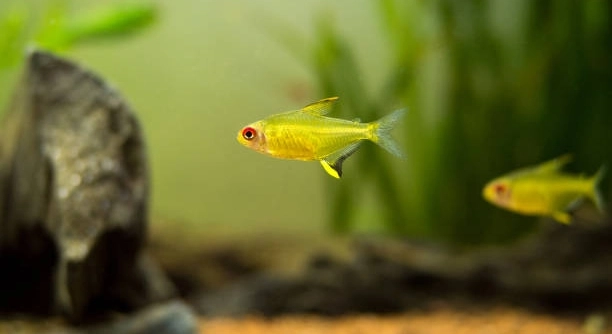
Do you ever find yourself watching your lemon tetra swim gracefully, wondering if it can learn to associate your presence with mealtime? These small, colorful fish often brighten home aquariums, adding charm and lively motion. Their behavior can be surprisingly engaging. Lemon tetras can be trained to respond to food through consistent feeding routines and … Read more
How to Tell If Lemon Tetra Are Forming a Bond

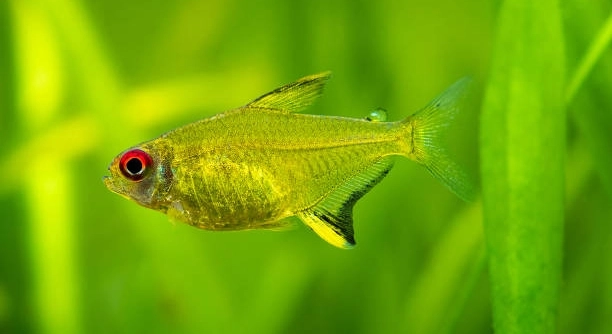
Lemon tetras are small, vibrant fish that bring life to any freshwater aquarium. Observing their behavior can be fascinating, especially when they start forming connections with one another over time in a calm environment. Lemon tetras form bonds through consistent close swimming, synchronized movements, and gentle nipping or nudging. These behaviors indicate social pairing and … Read more

7 Feeding Mistakes Lemon Tetra Owners Make

Do you ever find yourself unsure about how much food your lemon tetras truly need, especially when balancing their small size with their active habits in the aquarium each day of your home tank setup? Most feeding mistakes among lemon tetra owners arise from inconsistent portions, inappropriate food types, and poor scheduling, which affect digestion … Read more

7 Reasons Lemon Tetra Are Swimming Upside Down

Lemon tetras are small, bright fish that bring life to any aquarium. Watching them swim can be relaxing, but sometimes their movements seem unusual, especially when they appear to float upside down or struggle near the surface. Lemon tetras swimming upside down are usually experiencing swim bladder disorders, water quality issues, or stress. Poor diet, … Read more

7 Reasons Lemon Tetra Avoid the Filter Current

Are your lemon tetras constantly swimming away from the filter current in your aquarium? This behavior can be puzzling for fishkeepers, especially when these small, vibrant fish are known for their active nature and schooling tendencies. Lemon tetras tend to avoid strong filter currents due to their small size, delicate fins, and natural preference for … Read more

7 Ways to Make the Tank More Natural

Are your fish tank decorations leaving the environment feeling artificial and stiff? Many aquarists struggle to create a natural-looking habitat that feels balanced, calming, and realistic for both fish and plants. Small adjustments can make a big difference. Creating a natural tank involves careful attention to substrate, plants, hiding spots, and water flow. Arranging elements … Read more

Why Is My Lemon Tetra Digging the Substrate?

Have you ever noticed your lemon tetra behaving in new and subtle ways as it begins shifting through the substrate, creating tiny mounds and trails that catch your attention during routine moments near your aquarium. The primary reason a lemon tetra digs in the substrate relates to instinctive foraging behavior. This activity assists in locating … Read more

How to Keep Lemon Tetra Calm During Tank Cleaning

Keeping a Lemon Tetra tank clean is important for the fish’s health, but the process can be stressful for them. Many fish owners notice their Lemon Tetras become nervous or swim frantically during water changes and tank maintenance. The most effective way to keep Lemon Tetras calm during tank cleaning is by performing partial water … Read more

Why Are Lemon Tetra Staying Completely Still?

Are your lemon tetras staying completely still in their tank, leaving you unsure of what is happening? It can be concerning when these usually active fish pause for long periods, making their behavior seem unusual and puzzling. Lemon tetras may remain motionless due to stress, water quality issues, illness, or environmental changes. Maintaining proper tank … Read more

7 Situations Where Lemon Tetra Might Panic

Lemon tetras are small, vibrant fish that bring life to any aquarium. They are sensitive creatures and can react strongly to changes in their surroundings, making careful observation essential for their wellbeing and comfort. There are several situations that may trigger panic in lemon tetras, including sudden changes in water temperature, aggressive tank mates, overcrowding, … Read more