
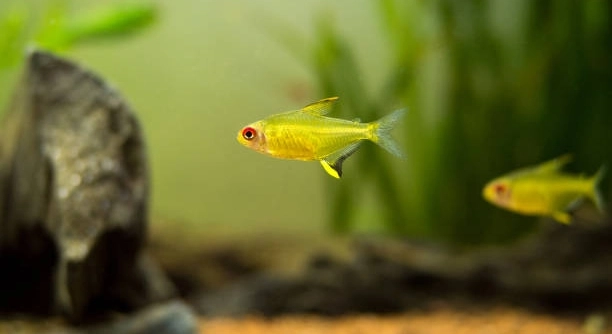
Do you ever find yourself watching your lemon tetra swim gracefully, wondering if it can learn to associate your presence with mealtime? These small, colorful fish often brighten home aquariums, adding charm and lively motion. Their behavior can be surprisingly engaging.
Lemon tetras can be trained to respond to food through consistent feeding routines and visual cues. By pairing specific actions, such as hand movements or tapping, with feeding, these fish learn to anticipate meals and exhibit conditioned responses.
Observing their reactions can be rewarding, and learning the proper methods ensures both enjoyment and the well-being of your fish.
Understanding Lemon Tetra Behavior
Lemon tetras are small, social fish that thrive in groups. They are naturally curious and respond to movement in their environment, which makes training possible with patience. Observing their daily patterns helps identify the best feeding times and how they react to visual cues. Consistency is key, as these fish quickly learn to associate repetitive actions with food. Their quick swimming and bright coloring make their reactions noticeable, creating an interactive experience for those who maintain aquariums. Even small gestures, like tapping on the tank or holding food in a specific hand, can signal feeding time. Over time, these fish begin to recognize patterns and respond promptly. Knowing their tendencies, such as favoring the middle and upper sections of the tank during feeding, helps guide training sessions. By understanding how lemon tetras behave naturally, you can implement effective and humane ways to encourage interaction while supporting their well-being in a home environment.
Training requires consistency, patience, and repetition. Daily practice helps the fish form habits.
The fish respond better when you feed them at the same time each day. Using the same gestures and maintaining a calm environment reinforces learning. Avoid sudden movements or loud noises that may scare them, as stress can hinder training. Starting with small portions allows you to gauge their responsiveness without overfeeding. Repetition over several weeks gradually builds a conditioned response, and each session can last only a few minutes. Observing their reactions carefully lets you adjust techniques for more effective results. Positive reinforcement, like providing high-quality food, strengthens the association between cues and feeding.
Training Techniques That Work
Start by selecting a consistent feeding cue, such as tapping on the glass or moving your hand above the tank.
Patience is essential when teaching lemon tetras. Begin with short, frequent sessions to encourage them to connect the cue with food. Over time, they will recognize the signal and swim toward the feeding area quickly. Use visual signals consistently, like holding food in the same position each day. Timing matters: offering food immediately after the cue ensures they understand the connection. Avoid distractions in the tank, such as other fish competing aggressively, which can disrupt learning. Keep sessions calm and predictable, reinforcing the behavior without stress. Positive reinforcement solidifies the habit, making future feedings smoother and more enjoyable for both you and the fish. Recording observations can help refine your methods and notice subtle improvements in responsiveness, making the process efficient and effective.
Adjusting the environment enhances training success. Proper lighting, minimal tank disturbances, and comfortable water conditions ensure the fish remain focused. Observing the group dynamics of lemon tetras helps determine the best time to signal food. Some fish may be bolder or more cautious, so adapt your approach to each personality. Combining visual cues with short feeding sessions encourages active participation. Repeating these practices daily strengthens memory, leading to faster responses. Over weeks, you will notice clear patterns in behavior, such as swimming to the top promptly or gathering near your hand. Monitoring progress allows you to fine-tune feeding cues, gradually improving precision and timing. This structured approach not only trains the fish but also promotes their health and reduces stress, resulting in a more lively and engaging aquarium.
Signs Your Lemon Tetra is Learning
Watching their reactions closely helps identify learning progress. Quick movements toward the food, anticipation near your hand, and increased alertness are clear signs.
Consistency in cues gradually strengthens these behaviors. Fish may start following your hand or tapping pattern before food appears, showing recognition. Some fish are faster learners, responding within a week, while others take longer. Positive reinforcement through high-quality food encourages repeated responses. Small gestures like gentle tapping or holding food in a specific spot become meaningful signals. Avoid overwhelming them with multiple cues at once, which can confuse the fish. Noting individual differences ensures each tetra receives proper attention and training adjustments. Over time, predictable routines foster trust and responsiveness.
Patience is key. Training sessions should be brief and consistent, preventing stress. Repeating cues daily allows memory formation. Observing reactions helps refine techniques. Sudden changes in the environment can interrupt progress, so maintain calm surroundings. Social behavior also plays a role; fish often learn by watching others respond to cues. Group dynamics can influence participation, with bolder fish taking the lead. Adjusting feeding times and methods based on responses improves results. Tracking improvements ensures the process remains effective and enjoyable for both you and your tetras.
Common Mistakes to Avoid
Overfeeding during training can lead to health issues and reduce motivation.
Rushing the process or expecting immediate results may frustrate both you and the fish. Consistency and calm signals are crucial for effective learning. Avoid sudden movements, loud noises, or changing cues frequently. Ignoring individual differences can hinder progress, as some fish are naturally more cautious. Training in a stressful environment diminishes responsiveness. Providing large portions or irregular schedules reduces the fish’s ability to form associations. Observing reactions and adjusting techniques ensures that learning occurs smoothly and safely. Proper pacing and attention to behavior improve outcomes while protecting the health of your tetras.
Training methods fail when cues are inconsistent or unclear. If visual signals are too subtle, the fish may not notice them. Abrupt changes in feeding locations or times can confuse the group, slowing learning. Some owners mistakenly try to train multiple behaviors at once, which overwhelms the fish. Stress from tank disturbances, aggressive tankmates, or poor water quality can reduce focus and responsiveness. Patience, repetition, and observing individual temperaments help correct these mistakes. Maintaining a steady routine, using clear cues, and rewarding proper responses ensure that training progresses efficiently. Proper care combined with consistent methods leads to more reliable behavior and a healthier, more interactive aquarium.
Creating a Routine
Feeding at the same time each day helps lemon tetras form habits. They quickly learn to anticipate food when signals are consistent.
Short, daily sessions work best. Avoid long or irregular training periods, as this can confuse or stress the fish.
Using Visual Cues Effectively
Hand movements, tapping, or holding food in the same spot act as strong visual cues. Lemon tetras respond faster when signals are clear and repeated consistently. Pairing these cues with feeding gradually builds recognition. Observing which gestures elicit quicker responses helps refine your technique. Avoid overcomplicating cues or using multiple signals at once. Subtle changes can delay learning. Maintaining a calm, predictable environment enhances effectiveness. Positive reinforcement through food strengthens the connection, encouraging the fish to associate the cue with meals reliably. Over time, this creates a structured routine that the fish understand and respond to naturally.
Patience and Observation
Monitoring reactions allows adjustments in training methods. Consistent observation ensures progress without causing stress or confusion.
FAQ
Can lemon tetras really learn to respond to food?
Yes, lemon tetras are capable of learning to associate specific cues with feeding. They respond to consistent hand movements, tapping, or visual signals when paired with food. Over time, this conditioning encourages predictable behavior, making their reactions noticeable and interactive. Patience and repetition are key to success.
How long does it take for them to learn?
The time varies depending on the fish and the consistency of training. Some lemon tetras respond within a few days, while others may take a few weeks. Regular, short feeding sessions using the same cues speed up the learning process. Avoid rushing or changing signals, as this can delay progress.
What kind of cues work best?
Visual cues are the most effective. Simple hand movements above the tank, gentle tapping on the glass, or holding food in the same position each day helps the fish associate these actions with feeding. Clear, consistent signals produce faster and more reliable responses.
How often should I train them?
Short, daily sessions work best. Five to ten minutes per session is enough to reinforce cues without stressing the fish. Overly long or irregular training can confuse them and reduce responsiveness. Consistency in timing and signals is more important than duration.
Can all lemon tetras in the tank learn at the same pace?
No, individual differences exist. Some fish are bolder and learn faster, while more cautious ones take longer. Observing each fish’s reaction allows you to adjust the training approach. Group dynamics also play a role, as fish may follow the lead of others, influencing learning speed.
What mistakes should I avoid?
Avoid overfeeding during training, which can reduce motivation and cause health problems. Don’t change cues frequently or use too many at once. Sudden movements, loud noises, or a stressful environment can hinder learning. Brief, consistent sessions with positive reinforcement produce the best results.
How do I know if training is working?
Signs of progress include swimming toward the food cue, gathering near your hand, or anticipating feeding times. Observing these behaviors indicates the fish are forming associations. Gradually, their response becomes quicker and more consistent, reflecting successful conditioning.
Does water quality affect learning?
Yes, poor water conditions can stress fish and interfere with training. Clean, stable water with proper temperature and pH ensures the fish remain active and responsive. Healthy fish are more likely to engage with cues and establish predictable feeding habits.
Can I train them to respond to multiple cues?
It’s best to start with a single cue. Once the fish reliably respond to it, additional cues can be introduced gradually. Too many signals at once may confuse the fish and slow learning. Keeping the process simple ensures consistent results.
Is training beneficial beyond feeding?
Yes, training provides mental stimulation and encourages natural curiosity. It can reduce stress, improve engagement in the tank, and allow owners to observe behaviors more closely. A structured routine supports both their well-being and a more interactive aquarium experience.
How do I maintain learned behavior over time?
Continue regular feeding routines with consistent cues. Even after the fish reliably respond, occasional reinforcement prevents the behavior from fading. Maintaining a calm environment, stable water quality, and predictable sessions keeps responses consistent and encourages ongoing interaction.
Are there signs of stress during training?
Signs include erratic swimming, hiding, or ignoring cues. Stress may result from sudden movements, loud noises, or overcrowded tanks. If observed, reduce session length, simplify cues, and ensure a calm, safe environment. Healthy, unstressed fish learn more effectively.
Can lemon tetras recognize individual humans?
They primarily respond to cues rather than recognizing people, but they may distinguish between handlers based on consistent feeding routines. Fish become familiar with movements, hand positions, and feeding patterns, showing anticipation and following specific gestures from recognized caretakers.
Does age affect trainability?
Younger fish often adapt more quickly, while older fish can still learn but may take longer to form associations. Consistency and patience remain important at all ages. Observing each fish individually helps tailor training techniques effectively.
Is it okay to use multiple food types during training?
Yes, but start with one preferred food to strengthen associations. Once the fish consistently respond, gradually introducing other foods can maintain interest. High-quality, nutritious food ensures both motivation and proper health.
Can training help manage aggressive behavior?
Indirectly, yes. Structured feeding routines and predictable cues can reduce stress and competition during meals. Fish that learn to anticipate feeding are less likely to engage in unnecessary chasing or stress-driven behavior, creating a calmer tank environment.
How should I track progress?
Keep notes on response times, cues used, and individual behavior. Recording sessions allows adjustment of techniques and recognition of improvement over time. Consistent monitoring ensures each fish receives attention and training remains effective.
What if some fish never respond?
Individual temperament varies. Some may remain cautious despite consistent training. Focus on gradual improvement and avoid forcing responses. Over time, observation and patience often lead to some level of participation, but it’s normal for not all fish to respond equally.
Can training improve feeding efficiency?
Yes, fish that recognize cues eat more efficiently, reducing waste and overfeeding. Predictable behavior allows for controlled portions and ensures all fish receive adequate nutrition without stress or competition.
How do I end a session properly?
End sessions promptly once fish have responded. Avoid lingering with food in hand or continuing cues unnecessarily. Short, focused sessions prevent fatigue, reinforce learning, and maintain a calm environment.
Lemon tetras are small, vibrant fish that can bring life and movement to any aquarium. They are naturally curious and social, which makes them more responsive to consistent routines and gentle cues. Training them to respond to food is possible with patience, observation, and regular feeding sessions. These fish thrive in environments where signals are clear and predictable, allowing them to learn associations without stress. Short, consistent sessions encourage recognition of cues, such as hand movements, tapping, or holding food in the same place. Over time, these signals become meaningful, and the fish begin to anticipate feeding, swimming toward the source of food and showing increased activity during training. This type of conditioning not only enhances interaction with your aquarium but also supports their mental stimulation, helping them stay active and engaged. Understanding their natural tendencies, such as favoring mid-to-upper tank levels and swimming in groups, can make training more effective. Observing each fish individually allows for adjustments that account for differences in personality and response time. Some fish will react quickly, while others may take several weeks to show consistent behavior. Recognizing these differences is important for creating a calm and structured training routine.
Consistency is a major factor in successfully training lemon tetras. Using the same visual cue every day, combined with feeding immediately afterward, reinforces the connection between signal and reward. Avoid changing cues too frequently, as this can confuse the fish and slow progress. Short sessions of five to ten minutes work best, ensuring that the fish remain attentive and not stressed. Overfeeding should be avoided, as it can reduce motivation and lead to health issues. Quality food and proper portions not only encourage learning but also maintain the overall well-being of the fish. A stable and clean environment is equally important. Proper water temperature, pH, and cleanliness ensure the fish are active and healthy, which directly impacts how well they respond to training. Noise, sudden movements, or aggressive tankmates can disrupt learning, so maintaining a calm environment is essential. With consistent observation and small adjustments, lemon tetras can learn to respond reliably to food cues, creating a more interactive and enjoyable experience in the aquarium.
Training lemon tetras is not only about teaching them to respond to feeding; it also improves your ability to understand and monitor their behavior. Observing reactions, noting differences among individuals, and adjusting methods accordingly makes the process efficient and safe. Over time, you can refine your techniques to ensure all fish receive appropriate attention, while also supporting their natural curiosity and social interactions. Even if some fish take longer to learn or do not respond as strongly, maintaining patience and consistent routines promotes overall engagement and reduces stress. The process encourages mental stimulation, enhances predictability in the tank, and allows owners to form a deeper connection with their fish through observation and gentle interaction. By focusing on calm, structured training and attentive care, lemon tetras can develop predictable responses to food, contributing to a healthier, more lively aquarium environment for everyone involved.

Hello,
If you enjoy the content that we create, please consider saying a "Thank You!" by leaving a tip.
Every little bit helps us continue crafting quality advice that supports the health, happiness, and well-being of pets around the world, for pets of all shapes, sizes, and species.
We really appreciate the kindness and support that you show us!