
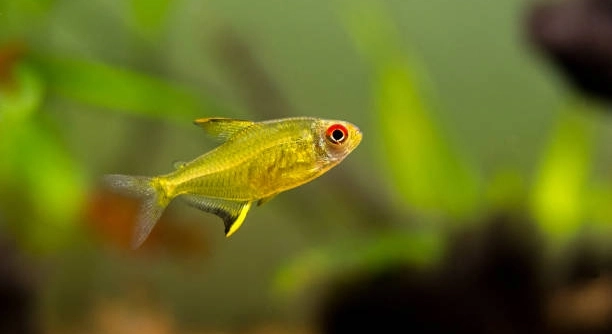
Lemon tetras are small, vibrant fish that bring life to any aquarium. They are sensitive creatures and can react strongly to changes in their surroundings, making careful observation essential for their wellbeing and comfort.
There are several situations that may trigger panic in lemon tetras, including sudden changes in water temperature, aggressive tank mates, overcrowding, poor water quality, sudden loud noises, rapid lighting changes, and unexpected handling. Each factor affects their natural behavior and stress levels.
Understanding these triggers will help you create a calmer environment for your fish. Recognizing signs of stress early is key to maintaining their health and happiness.
Sudden Changes in Water Temperature
Lemon tetras are highly sensitive to temperature shifts. Even a few degrees up or down can stress them, causing rapid swimming, hiding, or erratic movements. Maintaining a stable temperature is crucial. I once added warm water too quickly and noticed my tetras scattering immediately. Using a reliable heater and thermometer helps prevent shocks. Gradual adjustments during water changes reduce panic and allow the fish to adapt. Consistency in temperature promotes natural behavior and feeding patterns. Avoid placing the tank near air vents, windows, or direct sunlight. These can create unpredictable fluctuations that unsettle the fish. Monitoring daily changes ensures their environment remains calm. Even small variations over time can accumulate and trigger stress responses. Taking these precautions makes it easier to maintain a peaceful, healthy tank that encourages the tetras to swim confidently and interact normally.
Even minor temperature fluctuations can cause significant stress in lemon tetras, affecting their behavior and overall health in noticeable ways.
Gradual acclimation is the safest approach. When adding new water, mix it with tank water first, then slowly pour it in. Avoid large, sudden replacements. Using a heater set to a stable range keeps the tank consistent. Observing their behavior after changes helps identify stress early. A calm, steady environment encourages natural movement, proper feeding, and reduces the risk of illness. Small adjustments are far safer than sudden ones, and taking time ensures the fish remain comfortable.
Aggressive Tank Mates
Aggressive fish can intimidate lemon tetras, causing panic and hiding. Even generally peaceful species can behave unpredictably under stress, which affects the tetras’ swimming and feeding patterns.
Keeping compatible species together reduces stress and creates a more harmonious tank. Proper selection ensures all fish can coexist without fear or constant hiding.
Choosing the right tank mates requires research and observation. Tetras thrive with similarly sized, peaceful fish. Avoid larger or territorial species that may chase or nip. Overcrowding can worsen aggression, so provide adequate space and hiding spots. Observing interactions helps identify problems before they escalate. Rearranging decorations or plants can break visual territories, calming anxious fish. A carefully planned community tank allows tetras to swim freely, interact naturally, and display vibrant colors without constant stress.
Overcrowding
Overcrowding causes lemon tetras to panic quickly. Too many fish in a limited space leads to constant chasing, hiding, and stress. Maintaining proper stocking levels is essential to keep them calm.
Excessive fish density disrupts swimming patterns and feeding behavior. I noticed that when my tank had more than ten tetras in a small tank, they would dart back and forth, often colliding with decorations or glass. Providing sufficient space for each fish allows them to swim freely and reduces competition for resources. Overcrowding also impacts water quality, which further stresses the tetras. A balanced number of fish ensures they feel secure and display natural behaviors.
Space, combined with adequate hiding spots, reduces panic. Plants and decorations give tetras areas to retreat when they feel threatened. Separating overly active or larger species from smaller, sensitive ones prevents constant harassment. Monitoring behavior regularly allows adjustments before stress affects health. Ensuring proper space creates a calmer, more enjoyable environment for all tank inhabitants, helping lemon tetras thrive without fear or panic.
Poor Water Quality
Dirty or improperly maintained water immediately stresses lemon tetras. Ammonia spikes, high nitrates, and sudden chemical changes trigger rapid swimming and hiding. Regular water testing keeps conditions safe.
Maintaining clean water prevents disease and stress. I used to delay water changes, and my tetras became skittish, swimming frantically after feeding. Frequent testing of ammonia, nitrite, and nitrate levels ensures toxins remain low. Partial water changes remove waste and refresh minerals. Filtration must be adequate for the tank size and bioload. Even minor neglect in cleaning or testing can make a calm tank chaotic for sensitive fish. Stable, clean water supports healthy behavior, vibrant coloration, and consistent appetite.
Proper filtration, regular water changes, and careful monitoring prevent panic. Avoid using harsh chemicals or soaps, which can linger in water and harm tetras. Introducing new water should match temperature and pH levels. Observing fish daily highlights early signs of stress caused by water quality. Providing a well-maintained, stable environment keeps lemon tetras comfortable, encouraging normal swimming, social interaction, and feeding patterns, while minimizing the risk of sudden panic episodes that compromise health and wellbeing.
Sudden Loud Noises
Lemon tetras are startled easily by loud noises near their tank. Banging on glass, sudden claps, or vibrations from appliances can make them dart around frantically.
Even household sounds like vacuuming or moving furniture can trigger panic. Minimizing sudden loud noises helps the fish feel secure and swim calmly without stress.
Rapid Lighting Changes
Abrupt changes in lighting can unsettle lemon tetras. Turning lights on or off suddenly causes panic and erratic swimming, disrupting their natural rhythm. A gradual increase or decrease in light intensity supports a calmer environment and steadier behavior.
Unexpected Handling
Handling lemon tetras without care causes immediate stress. They are small and delicate, and rough movements or sudden netting can trigger intense panic. Always move slowly and gently when interacting or transferring them to reduce stress.
What should I do if my lemon tetras panic suddenly?
If your lemon tetras start panicking, first check for immediate triggers such as sudden noises, rapid lighting changes, or water disturbances. I’ve found that slowing down any movements around the tank can help them settle. Observe their swimming patterns and look for hiding or darting behavior, which signals stress. Ensuring the water temperature and quality are stable is key. Gradually calming the environment and giving them space allows the fish to recover without further agitation. Sometimes simply stepping away from the tank for a few minutes is enough for them to feel safe again.
How can I prevent panic caused by aggressive tank mates?
Aggressive or overly active tank mates often frighten lemon tetras. I learned that separating larger or territorial species from small, sensitive fish reduces constant chasing. Providing plants and hiding spots allows the tetras to retreat when stressed. Overcrowding worsens aggression, so maintaining proper fish density is important. Observing interactions regularly helps identify which species may provoke panic. Choosing peaceful community fish encourages calmer behavior and less erratic swimming. Rearranging tank decorations can also break visual territories, lowering tension and creating a more comfortable environment for all inhabitants.
Why do sudden water changes make lemon tetras panic?
Sudden water changes, especially with different temperature or pH, can shock lemon tetras. I make it a habit to mix new water with tank water and pour it slowly. This gradual acclimation prevents stress responses like rapid swimming or hiding. Maintaining a heater to stabilize temperature and testing water for ammonia, nitrites, and nitrates ensures conditions remain safe. Even small mismatches can upset sensitive tetras, so careful observation after any change is important. Consistent, gentle water management keeps them comfortable, encourages normal behavior, and reduces the risk of panic-related health problems.
How do lighting changes affect lemon tetras?
Abrupt lighting changes can startle lemon tetras and trigger erratic swimming. I’ve noticed that switching lights on suddenly after a long dark period causes immediate panic. Gradually adjusting light intensity, such as using a dimmer or a slow morning-on schedule, allows fish to adapt naturally. Consistent day-night cycles also support feeding and social behaviors. Avoid placing tanks in direct sunlight or near rapidly changing artificial lights. By controlling lighting transitions, tetras feel secure and are less likely to react fearfully, which supports their overall wellbeing and reduces stress-related problems.
Can poor water quality make lemon tetras panic?
Yes, poor water quality is a common reason for panic in lemon tetras. I experienced this when neglecting partial water changes, which caused frantic swimming and hiding. Ammonia, nitrite, or nitrate spikes can overwhelm sensitive fish. Using adequate filtration, regular water testing, and frequent partial water changes keeps conditions stable. Avoid harsh chemicals that linger in the tank. Stable, clean water encourages normal swimming, healthy coloration, and proper feeding habits. Observing your tetras daily helps detect early stress signs from water quality issues, preventing more serious health complications.
What role does overcrowding play in lemon tetra stress?
Overcrowding limits swimming space and increases competition for food, which directly causes panic. I noticed my tetras became anxious when there were too many in a small tank. Providing enough space for each fish, along with hiding areas, reduces constant chasing. Monitoring fish numbers and adjusting stocking levels ensures a calmer, more natural environment. Adequate space also supports social interactions without fear or stress. Overcrowding not only affects behavior but can impact water quality, so proper management of both population and tank maintenance is essential to keep lemon tetras healthy and stress-free.
How should I handle lemon tetras to avoid panic?
Lemon tetras are delicate, and rough or sudden handling causes instant panic. When I transfer fish, I move slowly and gently with a net. Minimizing direct contact and avoiding quick movements reduces stress. Preparing the destination tank properly, with similar water conditions, also helps. Handling should only occur when necessary, such as during tank cleaning or health checks. Calm, careful movements give the fish time to adjust and prevent erratic swimming or hiding. Over time, gentle handling becomes less stressful for both the fish and me, ensuring their environment remains peaceful.
Do household noises really affect lemon tetras?
Yes, lemon tetras are highly sensitive to vibrations and loud sounds. I’ve noticed that vacuuming or slamming doors causes them to dart around or hide immediately. Keeping noisy activities away from the tank or buffering vibrations with soft mats helps reduce panic. Even minor, frequent disturbances can add up and stress the fish. Creating a quieter environment supports their natural behavior and swimming patterns. Over time, minimizing noise-related triggers makes the tank calmer and prevents recurring panic episodes, which protects the tetras’ health and keeps them more relaxed and active in their space.
Lemon tetras are delicate, sensitive fish that respond quickly to changes in their environment. Maintaining a stable tank with proper temperature, clean water, and suitable tank mates is essential to prevent panic. Sudden shifts, whether in lighting, noise, or water conditions, can trigger stress that affects their behavior and health. Observing their movements and reactions on a daily basis helps identify potential problems early, allowing adjustments before stress becomes serious. Overcrowding or aggressive fish can further increase anxiety, so careful planning of tank population and compatible species is important. Providing hiding spots, plants, and decorations gives tetras areas to retreat, which helps them feel secure. A calm, consistent environment promotes natural swimming patterns, proper feeding, and overall wellbeing.
Handling lemon tetras requires patience and gentleness. Rough or sudden movements can cause immediate panic, leading to erratic swimming or hiding. When transferring fish or cleaning the tank, moving slowly and using minimal direct contact prevents unnecessary stress. Gradual acclimation to new water conditions or changes in the tank reduces the risk of shock. Even seemingly minor disturbances, such as vibrations from household appliances or sudden noise, can create panic in these sensitive fish. By paying attention to their environment and adjusting care practices, tetras are more likely to remain calm and healthy. Simple steps like careful water changes, stable lighting schedules, and observing behavior regularly make a significant difference in maintaining a peaceful tank.
Creating a supportive environment for lemon tetras requires consistency, observation, and thoughtful planning. Ensuring water quality remains high, selecting peaceful tank mates, and providing adequate space are key to reducing stress. Panic episodes often have identifiable triggers, and addressing these factors proactively prevents repeated stress events. Over time, lemon tetras thrive in a calm, well-maintained aquarium where their natural behaviors can be observed safely. Patience, careful monitoring, and steady care foster a stable habitat where fish feel secure and healthy. By prioritizing their comfort and responding to their needs promptly, you can enjoy the beauty and activity of lemon tetras without the interruptions caused by panic or stress.

Hello,
If you enjoy the content that we create, please consider saying a "Thank You!" by leaving a tip.
Every little bit helps us continue crafting quality advice that supports the health, happiness, and well-being of pets around the world, for pets of all shapes, sizes, and species.
We really appreciate the kindness and support that you show us!