
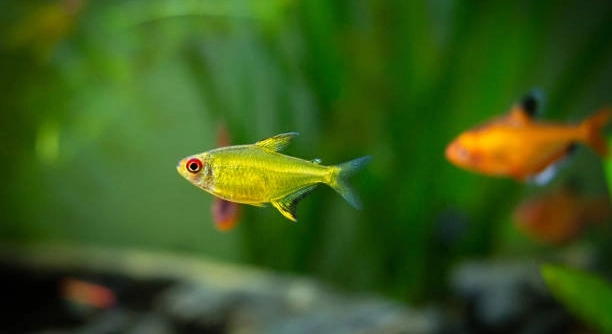
Lemon tetras are small, bright fish that bring life to any aquarium. Watching them swim can be relaxing, but sometimes their movements seem unusual, especially when they appear to float upside down or struggle near the surface.
Lemon tetras swimming upside down are usually experiencing swim bladder disorders, water quality issues, or stress. Poor diet, sudden temperature changes, and infections can also affect their buoyancy, leading to this abnormal swimming behavior that requires careful observation and intervention.
Knowing the possible causes of upside-down swimming can help maintain a healthy tank. Understanding these factors ensures your lemon tetras remain active, happy, and free from stress-related complications in their aquatic environment.
Swim Bladder Disorder
Swim bladder disorder is a common reason lemon tetras float upside down or struggle to maintain balance. This internal issue affects their buoyancy, making it difficult for them to swim normally. Causes often include overfeeding, constipation, or sudden changes in diet. In some cases, bacterial infections can inflame the swim bladder, which further disrupts their ability to stay upright. Observing a tetra that frequently flips onto its back or tilts unnaturally is usually a sign that something is wrong internally. It’s important to address this quickly, as prolonged issues can lead to severe stress or even death. Adjusting feeding habits, providing high-fiber foods, or consulting a veterinarian can often improve the fish’s condition. Maintaining stable water parameters also reduces the risk of these disorders, giving your lemon tetras a better chance of returning to normal swimming patterns.
Proper feeding and stable tank conditions are essential to prevent swim bladder problems in lemon tetras, ensuring their overall well-being.
Making small changes to diet and monitoring their swimming behavior daily can help detect early signs of this condition.
Water Quality Issues
Poor water quality can quickly affect lemon tetras, causing stress and abnormal swimming. High ammonia or nitrite levels, sudden pH shifts, or dirty tanks can make them float upside down or lose coordination.
Maintaining clean, balanced water with regular testing and partial changes keeps fish healthy and prevents buoyancy problems.
Tetras are particularly sensitive to their environment. Even minor fluctuations in temperature or chemical levels can stress them, affecting internal systems including the swim bladder. Frequent observation helps catch issues before they escalate. Performing partial water changes weekly, removing uneaten food, and using proper filtration keeps the tank safe. Testing parameters like ammonia, nitrites, nitrates, and pH ensures water stays within optimal ranges. Stable temperature and consistent conditions help reduce stress. If a fish shows signs of floating abnormally, immediate attention to water quality often improves their health. Providing clean water also supports digestion and immune function, indirectly helping prevent swim bladder or infection-related issues. With consistent care, lemon tetras can regain normal swimming patterns and maintain long-term health.
Temperature Fluctuations
Sudden changes in water temperature can stress lemon tetras, causing them to swim erratically or upside down. Even small shifts can affect metabolism and buoyancy, making it important to keep the tank temperature stable.
Consistent temperature is key for tropical fish like lemon tetras. Rapid drops or increases can lead to shock, affecting internal organs and swim bladder function. Using a reliable heater and thermometer helps maintain steady warmth. Avoid placing the tank near windows, vents, or direct sunlight, as these can create temperature swings. Gradual acclimation is important when adding new fish, reducing stress and maintaining normal swimming behavior. Keeping a stable environment ensures fish remain healthy, active, and less prone to buoyancy issues.
Monitoring behavior closely allows early detection of temperature-related stress. Observing floating, tilting, or slow swimming patterns helps you adjust tank conditions quickly to prevent long-term problems.
Stress from Tankmates
Aggressive or overly active tankmates can frighten lemon tetras, causing them to swim upside down or hide. High-stress environments affect appetite and overall health.
Stress impacts lemon tetras’ behavior and internal systems. Constant chasing, nipping, or overcrowding leads to erratic swimming and potential swim bladder problems. Providing hiding spots, plants, or gentle tankmates reduces stress and restores normal behavior. Separating aggressive fish or rearranging decorations can create a calmer space. Even subtle changes, like reducing noise or sudden light exposure, help maintain a peaceful tank. Tetras need a consistent, secure environment to feel safe, which directly affects their swimming patterns and buoyancy.
A stable, low-stress tank encourages proper swimming, digestion, and immune function. Creating a balanced community supports health, reduces injuries, and helps prevent abnormal upside-down behavior caused by tension or fear.
Overfeeding
Overfeeding lemon tetras can cause bloating and constipation, which directly affect their swim bladder. Uneaten food also pollutes the water, creating additional stress for the fish.
Feeding small, controlled portions once or twice a day helps prevent buoyancy issues. Observing their eating habits ensures they consume food quickly without leftovers, keeping both fish and tank healthier.
Bacterial Infections
Bacterial infections can invade internal organs, including the swim bladder, causing tetras to float upside down. These infections often result from poor water quality or stress. Maintaining clean water, avoiding overfeeding, and isolating sick fish helps reduce the risk.
Regular observation is essential. Early detection allows treatment with antibacterial medications or natural remedies. Ignoring symptoms can worsen health and lead to mortality. Keeping the tank environment stable, feeding properly, and quarantining new fish minimizes infection risk. Healthy tetras exhibit normal swimming patterns, while infected fish display erratic movement or lethargy. Prompt intervention supports recovery and prevents spread to other tank inhabitants.
Parasites
Parasites can interfere with digestion and buoyancy, making lemon tetras float abnormally. Treating infected fish early prevents complications and protects other fish in the tank.
Why is my lemon tetra swimming upside down all of a sudden?
A sudden change in swimming behavior is often linked to swim bladder issues, stress, or water quality problems. Rapid temperature shifts, aggressive tankmates, or overfeeding can trigger this behavior. Observing the fish closely and checking water parameters immediately is essential to prevent worsening conditions.
Can overfeeding really cause my lemon tetra to float upside down?
Yes, overfeeding can lead to bloating and constipation, which affects the swim bladder. Uneaten food also decays in the tank, increasing toxins like ammonia and nitrites. Feeding small amounts once or twice a day keeps digestion normal and prevents buoyancy problems.
How do I know if water quality is affecting my fish?
Symptoms like upside-down swimming, lethargy, or loss of appetite can indicate poor water quality. Testing for ammonia, nitrites, nitrates, and pH levels helps identify issues. Regular partial water changes, proper filtration, and cleaning debris maintain a safe environment.
Could temperature changes be stressing my lemon tetras?
Yes, lemon tetras are sensitive to sudden shifts in water temperature. Even a few degrees difference can cause stress and abnormal swimming. Using a reliable heater, thermometer, and placing the tank away from windows or vents keeps the water stable and stress-free.
Are aggressive tankmates a common reason for upside-down swimming?
Aggressive or overly active fish can frighten lemon tetras, leading to erratic or upside-down swimming. Providing hiding spots, rearranging decorations, or separating aggressive fish can create a calmer environment. Peaceful tankmates help tetras regain normal swimming behavior.
Can bacterial infections make lemon tetras swim upside down?
Bacterial infections can affect internal organs, including the swim bladder, causing buoyancy problems. Poor water quality, stress, or injuries increase the risk. Prompt treatment with antibacterial medication and maintaining a clean tank improves recovery chances. Quarantining new or sick fish prevents spread.
Do parasites contribute to abnormal swimming in lemon tetras?
Yes, parasites can interfere with digestion and internal organs, leading to upside-down swimming or lethargy. Regular observation and early treatment are important. Isolating infected fish and treating the entire tank if necessary prevents further complications and protects healthy fish.
How can I prevent my lemon tetras from swimming upside down?
Preventing this problem involves maintaining stable water conditions, feeding the right amount, avoiding sudden temperature changes, and providing a low-stress environment. Regular observation and proper tank care reduce the risk of swim bladder disorders, infections, or stress-related behaviors.
Is it possible for lemon tetras to recover fully from upside-down swimming?
Recovery is possible if the underlying cause is addressed promptly. Adjusting diet, improving water quality, treating infections, or reducing stress allows tetras to regain normal buoyancy. Recovery depends on the severity of the condition and how quickly corrective measures are taken.
How often should I monitor my tank to avoid these issues?
Daily observation is ideal. Checking swimming behavior, appetite, and water parameters regularly ensures problems are detected early. Weekly water tests and partial changes maintain a stable, healthy environment that prevents common causes of upside-down swimming.
What immediate actions should I take if a fish is floating upside down?
Isolate the affected fish if possible to reduce stress and prevent spreading infection. Test water parameters immediately, check temperature stability, and review feeding practices. Treatment may include dietary changes, medication for infections or parasites, and ensuring the tank remains clean.
Can adjusting tank decorations help lemon tetras swim normally?
Yes, rearranging decorations or adding plants creates hiding spots and reduces stress from aggressive tankmates. A secure environment helps fish feel safe, which supports normal swimming behavior and overall well-being.
How long does it take for a lemon tetra to return to normal swimming?
The timeframe varies based on the cause and severity. Minor stress or dietary issues may resolve within days, while infections or severe swim bladder problems may take weeks of treatment. Consistency in care and observation accelerates recovery.
Are there long-term effects if the upside-down swimming is ignored?
Ignoring the behavior can lead to chronic stress, infections, or death. Persistent swim bladder issues affect feeding, digestion, and overall health. Early intervention is critical to ensure your lemon tetras remain active and healthy.
Can diet alone fix upside-down swimming?
Diet can help if the issue is caused by constipation or overfeeding. High-fiber foods like peas or specially formulated fish diets can relieve bloating and restore buoyancy. However, other factors like water quality or infections may also need attention for full recovery.
Should I consult a veterinarian for my upside-down lemon tetra?
Yes, a veterinarian experienced with fish can diagnose internal issues, prescribe treatment, and guide care. Professional advice is especially important for persistent swim bladder problems, bacterial infections, or parasite infestations that home remedies cannot resolve effectively.
How can I reduce stress in my aquarium?
Stress reduction includes providing hiding spaces, stable water conditions, peaceful tankmates, and avoiding sudden changes. Low-stress environments improve immune function, digestion, and swimming behavior, keeping lemon tetras healthy and active.
Are all upside-down swimming cases serious?
Not always. Minor swim bladder issues from occasional overfeeding or brief stress may resolve quickly. Persistent or worsening cases, especially with other symptoms, indicate serious underlying problems that require immediate attention.
Can quarantine tanks help prevent upside-down swimming?
Yes, quarantining new fish before adding them prevents the spread of infections or parasites. It allows observation for abnormal behavior and ensures new additions do not stress the established community, maintaining overall tank health.
What are the key signs to watch for in lemon tetras?
Signs include floating upside down, tilting, lethargy, loss of appetite, or clamped fins. Noticing these early allows prompt action to correct water conditions, feeding practices, or treat infections, preventing serious health decline.
How does water hardness affect swimming behavior?
Extreme hardness or sudden changes in mineral content can stress tetras and affect internal systems. Maintaining consistent hardness appropriate for tropical fish ensures stable buoyancy and reduces the risk of upside-down swimming.
Are there natural remedies to help with swim bladder issues?
Soaking peas, fasting for a day, or adding live foods can help relieve constipation-related swim bladder problems. However, severe or infection-related cases require medical treatment and water condition adjustments for full recovery.
Can overcrowding contribute to upside-down swimming?
Yes, overcrowding increases stress, reduces oxygen, and raises waste levels. These factors can lead to erratic swimming, swim bladder disorders, and increased susceptibility to infections. Keeping an appropriate number of fish per tank size prevents these issues.
Is it normal for lemon tetras to float occasionally?
Occasional floating or brief tilting may happen during feeding or minor stress, but consistent upside-down swimming is abnormal. Regular observation helps distinguish between harmless behavior and a problem needing attention.
How important is filtration in preventing upside-down swimming?
Filtration removes toxins, maintains oxygen levels, and stabilizes water parameters. Proper filtration reduces stress, prevents infections, and supports normal swim bladder function, keeping lemon tetras healthy and swimming normally.
Can lighting affect swimming behavior?
Sudden bright lights or fluctuating lighting can stress tetras. Gradual transitions and moderate lighting help maintain normal activity and reduce erratic or upside-down swimming caused by environmental stress.
Are juvenile lemon tetras more prone to swimming upside down?
Yes, younger fish have developing swim bladders and are more sensitive to stress, diet changes, and water quality fluctuations. Extra care with feeding, tank conditions, and monitoring helps them grow healthy without buoyancy problems.
How can I tell if a fish has fully recovered?
Normal swimming patterns, regular feeding, active movement, and interaction with tankmates indicate recovery. Observing the fish over several days ensures buoyancy issues have resolved and overall health is restored.
Is medication always necessary for upside-down swimming?
Not always. Dietary adjustments, water quality improvements, or reducing stress can resolve mild cases. Medication is necessary when infections, parasites, or persistent swim bladder disorders are present.
What are the most common mistakes that worsen this problem?
Common mistakes include overfeeding, ignoring water quality, keeping aggressive tankmates, sudden temperature changes, and delayed treatment of infections. Addressing these factors promptly prevents escalation of buoyancy problems.
Can environmental enrichment help lemon tetras swim normally?
Yes, adding plants, hiding spots, and gentle water flow reduces stress and encourages natural swimming behavior. A comfortable environment supports overall health and proper buoyancy.
How often should I check for parasites or infections?
Weekly observation is sufficient for healthy tanks. Watch for unusual swimming, spots, or changes in appetite. Prompt intervention prevents spread and reduces complications related to upside-down swimming.
Are there any long-term dietary recommendations?
Feeding small, varied portions of high-quality fish food with occasional high-fiber treats like peas supports digestion, prevents constipation, and helps maintain swim bladder health. Avoid overfeeding or sudden diet changes.
Can stress from handling cause upside-down swimming?
Yes, excessive handling or sudden movement near the tank can stress lemon tetras. Gentle care and minimal disturbance prevent temporary or long-lasting buoyancy problems.
What combination of factors usually leads to this behavior?
Most cases involve multiple factors: poor water quality, stress, dietary issues, and temperature fluctuations. Addressing all aspects of tank care ensures tetras regain and maintain normal swimming behavior.
Are certain tank sizes better for preventing this problem?
Yes, larger tanks reduce stress, allow proper swimming space, and maintain stable water conditions. Overcrowding in small tanks increases risk of buoyancy issues and abnormal swimming behavior.
How can I track recovery progress effectively?
Take notes on swimming behavior, feeding, activity levels, and water parameters daily. Comparing trends helps determine whether interventions are working and ensures tetras are improving steadily.
Is it normal for only one tetra to show symptoms?
Yes, individual susceptibility varies. One fish may show stress or swim bladder issues while others appear healthy. Isolating and treating the affected fish prevents complications and spread of infections.
Can changes in water flow affect swimming?
Strong currents can stress lemon tetras, causing them to float or tilt. Moderate, consistent water flow supports natural swimming and reduces fatigue-related buoyancy problems.
What role does oxygen play in normal swimming?
Low oxygen levels can cause lethargy and abnormal swimming. Aeration, live plants, and proper filtration maintain oxygen, supporting metabolism and swim bladder function.
Are there warning signs before the fish starts floating upside down?
Yes, early signs include slower swimming, tilting, loss of appetite, clamped fins, or hiding. Catching these behaviors early allows prompt intervention before the problem worsens.
Can tank location affect swimming behavior?
Yes, tanks near drafts, vents, or direct sunlight may experience temperature fluctuations and stress. Placing the tank in a stable environment helps maintain normal swimming and overall fish health.
Is fasting helpful for swim bladder issues?
Short-term fasting, usually one day, can relieve constipation-related swim bladder problems. It helps clear the digestive system before returning to a controlled feeding routine, improving buoyancy.
Should I separate all fish when one shows upside-down swimming?
Separating only the affected fish is usually sufficient unless the issue is contagious. This reduces stress for the sick fish and protects healthy tankmates from potential infections.
How often should I clean the tank to prevent this behavior?
Weekly partial water changes, substrate cleaning, and filter maintenance prevent waste buildup, maintain water quality, and reduce stress that can cause upside-down swimming.
Does the age of the fish affect recovery?
Younger fish may recover faster if treated promptly, but very young juveniles are more vulnerable. Older fish with chronic swim bladder problems may require longer recovery and careful ongoing care.
Can probiotics help with digestive-related buoyancy issues?
Yes, probiotics in fish food can support gut health, improve digestion, and prevent constipation. Healthy digestion reduces pressure on the swim bladder and improves normal swimming.
Are there seasonal factors that impact lemon tetra behavior?
Yes, seasonal changes in room temperature or light exposure can stress fish, affecting swimming behavior. Maintaining consistent tank conditions year-round prevents seasonal buoyancy issues.
Is it safe to use aquarium salts for treatment?
Aquarium salts can help with minor stress, osmotic balance, and mild infections. However, proper dosing and monitoring are essential to avoid harming fish or exacerbating other problems.
Do some lemon tetras recover without intervention?
Occasionally, minor swim bladder issues resolve on their own if caused by temporary stress or mild overfeeding. Consistent observation ensures the problem does not worsen.
How long should I continue monitoring after recovery?
Continue daily checks for at least several weeks after recovery to ensure stable swimming behavior, proper appetite, and normal activity. This prevents recurrence and confirms long-term health.
Can changing the diet too quickly worsen swim bladder issues?
Yes, sudden diet changes can cause constipation, bloating, or stress. Gradually introducing new foods helps digestion and prevents additional buoyancy problems.
Are there any behavioral signs that indicate improvement?
Normal upright swimming, active feeding, and interaction with tankmates show improvement. Gradual restoration of energy and proper orientation in the water indicates recovery.
How can I prevent relapses?
Maintain stable water conditions, a balanced diet, appropriate tankmates, and monitor stress. Consistent care and observation minimize the risk of recurring upside-down swimming.
Do lighting schedules affect stress levels?
Yes, sudden light changes or excessive brightness can stress tetras. A regular, moderate lighting schedule supports natural behavior and reduces erratic swimming.
Can I use home remedies for parasites?
Some home remedies, like salt baths or herbal treatments, may help mild infestations, but severe cases require professional medication. Early intervention prevents escalation and protects other fish.
Is it important to quarantine new plants or decorations?
Yes, new items can introduce parasites or bacteria. Quarantining or thoroughly cleaning them before adding to the tank helps maintain a healthy environment and reduces risk of swimming problems.
How can I tell if a swim bladder problem is permanent?
Persistent upside-down swimming despite improved water quality, diet, and treatment may indicate chronic swim bladder damage. Consultation with a veterinarian can assess the severity and suggest long-term care options.
Are there signs that indicate a bacterial infection rather than stress?
Symptoms like redness, sores, clamped fins, cloudy eyes, or rapid breathing indicate infection. Stress alone may cause upside-down swimming, but physical symptoms suggest bacterial involvement needing treatment.
Can tankmates influence recovery speed?
Peaceful, non-aggressive tankmates create a calm environment that supports faster recovery. Aggressive or overly active fish may prolong stress and delay the return to normal swimming patterns.
What is the role of tank size in recovery?
A spacious tank allows unrestricted movement, stable water conditions, and less stress. Small, overcrowded tanks increase tension, waste accumulation, and slow recovery from swim bladder or stress-related issues.
Are there supplements that improve buoyancy?
High-quality fish food with fiber and occasional probiotics supports digestion, reducing swim bladder pressure. Supplements alone won’t fix infections or severe internal problems but aid recovery when combined with proper care.
Can stress from loud noises or vibrations affect swimming?
Yes, sudden loud sounds or vibrations can startle lemon tetras, causing erratic swimming or temporary upside-down behavior. Minimizing disturbances creates a stable environment for proper buoyancy and activity.
Is it normal for fish to tilt slightly when resting?
Minor tilting during rest is normal. Persistent upside-down swimming or constant tilting while active indicates a problem that requires observation and corrective measures.
How do I balance multiple interventions at once?
Address water quality, diet, temperature, stress reduction, and treatment in a coordinated manner. Monitor behavior daily, adjusting only one variable at a time to see what improves the fish’s condition.
Can stress from overcrowding cause infections?
Yes, overcrowding increases stress, reduces immunity, and accelerates bacterial or parasitic infections. Maintaining proper stocking levels helps prevent swim bladder problems and health decline.
Are there signs that indicate parasites rather than bacterial infection?
Scratching against objects, visible worms, or abnormal feces often indicate parasites. Bacterial infections usually show redness, sores, or fin deterioration. Correct diagnosis ensures proper treatment.
How important is a quarantine tank for new fish?
Quarantining new fish for 2-4 weeks prevents introducing infections or parasites, reducing the risk of upside-down swimming and maintaining the health of existing tankmates.
Can I mix treatments for multiple issues?
Mixing treatments is possible but requires careful monitoring. Always follow dosage instructions, observe fish for adverse reactions, and address water quality simultaneously to ensure effectiveness and safety.
Do certain foods trigger swim bladder problems more than others?
Yes, dry flakes or low-fiber foods can cause constipation, leading to buoyancy issues. Soaking flakes or including high-fiber foods like peas helps digestion and prevents upside-down swimming.
Is it normal for recovered fish to have minor relapses?
Occasional minor relapses can happen if water conditions change or stress occurs. Maintaining consistent care and monitoring prevents serious recurrence and supports long-term swimming health.
How does stress affect the immune system in lemon tetras?
Stress weakens immunity, making tetras more susceptible to infections or parasites. Reducing stress through calm tankmates, stable water, and proper feeding helps prevent abnormal swimming and maintains overall health.
Can adjusting pH levels help with buoyancy?
Yes, keeping pH stable prevents stress and supports metabolic and digestive processes. Rapid pH swings can lead to swim bladder problems, while consistent pH promotes normal swimming behavior.
How do I know if treatment is working?
Improved swimming, upright orientation, increased appetite, and normal activity indicate treatment success. Documenting daily progress helps track recovery and ensures interventions are effective.
Are younger fish more resilient to treatment?
Juveniles often respond faster to dietary or environmental corrections, but they are more sensitive to stress. Careful monitoring ensures treatment is effective without causing additional health problems.
Can minor injuries affect swimming?
Yes, injuries from rough tankmates or sharp decorations can impair movement and buoyancy. Treating injuries and providing a safe environment helps fish regain normal swimming.
How can I maintain consistent monitoring without stressing the fish?
Observe quietly, avoid sudden movements, and check water parameters externally whenever possible. Gentle daily checks provide information without adding stress, supporting recovery and long-term health.
Can stress from transport cause upside-down swimming?
Yes, moving fish or sudden changes in water conditions can temporarily affect buoyancy. Acclimating them slowly and providing a stable environment helps them recover normal swimming behavior.
Is it important to rotate food types?
Rotating foods prevents digestive issues, provides balanced nutrition, and reduces constipation-related swim bladder problems. A varied diet supports overall health and proper swimming patterns.
How do I ensure long-term prevention?
Maintain clean water, stable temperature, a balanced diet, proper tankmates, and regular observation. Address minor issues early to prevent
Lemon tetras are small, delicate fish that can brighten any aquarium, but their health and behavior depend on careful care. Observing your fish closely is one of the best ways to ensure they remain healthy. When a lemon tetra starts swimming upside down, it is usually a sign that something in its environment or diet is not right. Common reasons include swim bladder problems, stress from tankmates, temperature fluctuations, poor water quality, overfeeding, or even infections and parasites. Each of these issues can disrupt the fish’s ability to maintain proper buoyancy, and catching problems early is essential. Daily observation helps you notice small changes in swimming patterns, appetite, or general activity that may indicate a developing issue. Taking action quickly, whether it is adjusting water conditions, improving diet, or isolating sick fish, often leads to faster recovery.
Maintaining a stable and clean tank is the foundation of healthy lemon tetras. Regular water testing, partial water changes, and proper filtration prevent the buildup of harmful chemicals like ammonia and nitrites, which can stress fish and contribute to abnormal swimming. Temperature consistency is equally important because sudden shifts can interfere with metabolism and swim bladder function. The choice of tankmates also matters. Aggressive or overly active fish can scare tetras and create an environment that increases stress, which in turn affects behavior. Providing plants, hiding spaces, and gentle water flow helps create a secure space where fish can feel safe and swim naturally. Feeding practices play a role as well. Overfeeding can cause bloating, constipation, and water quality issues. Offering small portions of high-quality food and including occasional high-fiber treats supports digestion and prevents swim bladder problems. A combination of these careful practices reduces the likelihood of upside-down swimming and other stress-related behaviors.
Even with all precautions, lemon tetras can occasionally show temporary buoyancy issues. Minor tilting or floating for a short time can happen due to brief stress or dietary variations, but persistent upside-down swimming should never be ignored. Early intervention improves the chances of recovery and prevents complications like infections or chronic stress. If problems persist despite adjusting diet, water conditions, and tank environment, consulting a veterinarian experienced with fish is recommended. They can provide guidance on treatments for bacterial infections, parasites, or more serious swim bladder disorders. With consistent care, observation, and a stable environment, lemon tetras can recover and maintain healthy swimming patterns. Long-term attention to tank conditions, feeding habits, and stress reduction ensures your fish remain active, balanced, and healthy for years to come.

Hello,
If you enjoy the content that we create, please consider saying a "Thank You!" by leaving a tip.
Every little bit helps us continue crafting quality advice that supports the health, happiness, and well-being of pets around the world, for pets of all shapes, sizes, and species.
We really appreciate the kindness and support that you show us!