
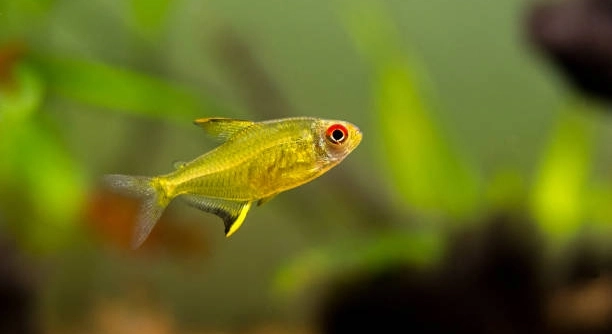
Keeping a Lemon Tetra tank clean is important for the fish’s health, but the process can be stressful for them. Many fish owners notice their Lemon Tetras become nervous or swim frantically during water changes and tank maintenance.
The most effective way to keep Lemon Tetras calm during tank cleaning is by performing partial water changes, maintaining consistent water temperature, and minimizing sudden movements. Using gentle suction and a slow approach reduces stress and supports their overall well-being.
Understanding these simple steps can make cleaning easier for both you and your fish, ensuring a calmer environment and healthier Lemon Tetras over time.
Preparing the Tank Before Cleaning
Before starting any cleaning, I always make sure to prepare the tank properly. This includes checking the water temperature and gathering all necessary tools like a siphon, a bucket, and a soft sponge. I avoid sudden movements around the tank, as Lemon Tetras are sensitive to vibrations. Turning off bright lights or using a dim lamp can also help keep them calm. Removing any decorations that need scrubbing beforehand prevents unnecessary stress for the fish. I fill the bucket with water from the tank to maintain the same temperature, reducing shock when water is replaced. Preparing everything in advance makes the cleaning process faster and less stressful, keeping the fish’s environment stable. I also make sure to check the filter and remove any debris carefully. Taking these steps ensures that the tank stays safe and comfortable for the Tetras during maintenance.
Being organized before cleaning helps the fish stay calm and reduces the time they are exposed to stress.
Cleaning becomes much easier when the environment is prepared in advance. The fish stay calmer, and water changes can be done more efficiently. I’ve noticed that when I skip preparation, Lemon Tetras dart around or hide, making it harder to clean. Preparing also gives me the chance to notice any issues, like algae buildup or cloudy water, before it gets worse. By keeping movements slow and predictable, the fish learn to associate cleaning with less danger. Using the siphon carefully prevents suctioning small fish or gravel, which can be dangerous. I also pay attention to plants, rinsing them gently without disturbing the fish too much. Overall, preparation is about maintaining routine, safety, and calmness, allowing Lemon Tetras to stay healthy while I clean their tank thoroughly.
Minimizing Stress During Water Changes
I keep water changes short and gradual to avoid shocking the Tetras.
Gradual water replacement, ideally around 20-30% at a time, helps maintain stable water parameters. I make sure the new water matches the tank temperature and is free of chlorine. Moving slowly and speaking softly near the tank also keeps them calm.
When I perform a water change, I always monitor the fish closely. Rapid or large changes can cause stress, affecting their behavior and even appetite. I use a siphon to remove debris carefully and replace water slowly. Avoiding sudden splashes or loud noises near the tank is important because Lemon Tetras are naturally skittish. I also clean the substrate gently, focusing on areas with the most waste while leaving undisturbed areas alone. By maintaining a calm atmosphere and consistent routine, the fish adjust better to changes and remain active without panic. Over time, I’ve noticed that following these steps reduces hiding behavior and keeps the school swimming together. Keeping a relaxed pace during cleaning not only protects the fish but also makes the task less overwhelming for me, creating a more manageable and stress-free maintenance routine.
Using Hiding Spots
Adding hiding spots helps Lemon Tetras feel secure during cleaning. I use plants, rocks, and small decorations to give them places to retreat. Even a simple plastic cave or dense foliage can reduce stress effectively.
I make sure the hiding spots are spread evenly across the tank. This way, Tetras have multiple options to escape if they feel threatened during maintenance. Dense plants near the middle and back corners work best, giving them coverage without overcrowding the swimming area. I also check that nothing has sharp edges that could injure the fish. Over time, I’ve noticed that having these shelters keeps the fish calmer and swimming more normally while I clean around them.
Hiding spots also help during water changes. When I siphon water or clean the substrate, the Tetras can retreat safely. I avoid moving decorations suddenly or pulling them out entirely, as this can frighten the fish. Small caves, plants, and gentle cover make a big difference in maintaining calm behavior. By leaving some areas undisturbed, I keep the tank balanced between open swimming space and secure retreats.
Maintaining Consistent Lighting
Keeping a consistent light schedule reduces stress for Lemon Tetras. I stick to the same times every day for turning the tank lights on and off.
Sudden changes in light intensity can startle the fish. I avoid switching from bright overhead lights to complete darkness abruptly. Using a timer ensures a stable schedule, which the Tetras learn to anticipate. During cleaning, I sometimes use a dim lamp instead of bright lights, keeping the environment familiar and calming. The gradual transition prevents frantic swimming or hiding.
I also consider natural light exposure. Direct sunlight through windows can cause temperature fluctuations and stress the fish. I make sure the tank is not in a spot where light changes suddenly. During maintenance, I work slowly and avoid casting shadows directly over the Tetras. This routine keeps their day-night cycle predictable, which helps regulate activity and feeding behavior. A stable lighting schedule, combined with hiding spots and gentle movements, creates a calm atmosphere that supports healthy schooling behavior. By respecting these details, cleaning becomes less stressful for both me and the Lemon Tetras.
Gentle Movements
I move slowly around the tank to avoid startling Lemon Tetras. Quick motions can make them dart or hide, increasing stress during cleaning.
Even small hand gestures near the tank can trigger sudden swimming. I focus on calm, deliberate actions to keep the environment predictable for them.
Temperature Stability
Maintaining water temperature is crucial during cleaning. I always match the new water to the tank’s temperature to prevent shock. Sudden changes can make Lemon Tetras lethargic or stressed. Using a thermometer ensures consistency, and I double-check before adding replacement water. Over time, keeping the temperature stable helps the fish remain calm and healthy.
Feeding Before Cleaning
I feed the Tetras a small portion before cleaning. This keeps them occupied and less likely to panic during maintenance.
Using a Soft Siphon
I use a soft siphon to clean the substrate gently. Harsh suction can frighten the fish or disturb them too much.
FAQ
How often should I clean my Lemon Tetra tank?
I clean my tank every one to two weeks, depending on its size and number of fish. Smaller tanks tend to accumulate waste faster, so partial water changes become more frequent. Regular cleaning prevents buildup of harmful bacteria and keeps the water clear, reducing stress for Lemon Tetras. I focus on removing debris from the substrate and checking the filter without disturbing the fish too much. Keeping a routine helps the Tetras stay calm because they begin to recognize the process as safe and predictable.
Can I clean the tank while the Tetras are swimming?
Yes, but it’s best to move slowly and avoid sudden movements. Lemon Tetras are sensitive to vibrations and quick gestures. I gently siphon debris while leaving the fish space to swim freely. Using a soft touch and working methodically prevents panicked swimming or hiding, keeping the school calmer. I also make sure the Tetras have hiding spots available so they can retreat if they feel stressed during the process. Small, consistent motions make cleaning easier for both me and the fish.
What temperature should the replacement water be?
Replacement water should match the tank’s current temperature as closely as possible. I use a thermometer to check both the tank and the water I plan to add. Sudden temperature changes can shock Lemon Tetras, causing erratic swimming or hiding. Gradually adding water at the correct temperature keeps their environment stable. I also avoid cold tap water unless it has been treated and warmed first. Consistent temperature ensures the fish remain active and stress-free during maintenance.
Should I turn off the filter during cleaning?
I usually turn off the filter briefly if I need to clean near it, but I don’t leave it off for long. Lemon Tetras benefit from consistent water movement and oxygenation. If the filter is off too long, water quality can drop quickly. I make sure to rinse filter components gently with tank water to avoid killing beneficial bacteria. Turning it off only when necessary and for short periods maintains a calm environment for the fish while still allowing effective cleaning.
Are live plants helpful during cleaning?
Yes, live plants provide hiding spots and reduce stress for Lemon Tetras. I arrange dense plants in corners and mid-tank areas so fish can retreat if cleaning disturbs them. Plants also help maintain water quality by absorbing nitrates. During maintenance, I handle plants gently, rinsing them in tank water if needed without uprooting them completely. Plants create a familiar environment that comforts the fish and makes the cleaning process less stressful.
What is the safest way to clean the substrate?
I use a soft siphon to remove debris without disturbing the fish. Moving the siphon slowly prevents the Tetras from panicking. I focus on areas with visible waste and avoid vacuuming near hiding spots or plants abruptly. Gradual substrate cleaning keeps the water clear while maintaining a calm atmosphere for the fish. I also perform partial water changes simultaneously, which reduces the impact of suction and helps the fish feel secure throughout the process.
How can I reduce stress during a full water change?
I break the process into smaller steps, changing 20-30% of the water at a time. I match the new water temperature, add it slowly, and minimize splashing. I make sure the Tetras have hiding spots and work quietly to prevent sudden disturbances. Gradual changes reduce stress and maintain a stable environment. Over time, this routine helps the Lemon Tetras feel safe and maintain normal behavior, even during more intensive cleaning sessions.
Should I feed Lemon Tetras right before cleaning?
Feeding a small portion before cleaning can keep them occupied and calmer. I avoid overfeeding, as leftover food can pollute the tank during maintenance. Feeding lightly ensures the Tetras are engaged and less likely to dart or hide, making the cleaning process smoother. I also observe their behavior during feeding to notice any changes in health or activity that might need attention.
How do I know if the Tetras are stressed?
Signs of stress include frantic swimming, hiding for long periods, clamped fins, or loss of appetite. I pay close attention during cleaning and adjust my approach if the fish show these behaviors. Slow movements, hiding spots, and stable water conditions usually reduce stress. Recognizing stress early helps me maintain a calm environment and keep the Lemon Tetras healthy.
Can I clean decorations during tank maintenance?
Yes, but I clean them gently with tank water to avoid harming beneficial bacteria. I avoid harsh chemicals and only scrub lightly to remove algae or debris. Removing decorations slowly and placing them back carefully prevents frightening the fish. Gentle cleaning of decorations complements substrate and water maintenance while keeping the tank safe and comfortable for the Lemon Tetras.
Keeping Lemon Tetras calm during tank cleaning requires patience and careful attention to their environment. Over the years, I have learned that simple adjustments can make a big difference. Preparing the tank beforehand, maintaining stable water temperature, and providing hiding spots are small steps that reduce stress for the fish. When I move slowly and work methodically, the Tetras stay calmer, swimming normally rather than darting or hiding. These changes not only protect their health but also make cleaning easier for me. Regular partial water changes and gentle substrate cleaning maintain water quality while keeping the environment predictable for the fish.
Lighting and routine play a major role in maintaining calm behavior. I stick to a consistent light schedule, avoiding sudden changes that can startle the fish. Even dimming the lights slightly during maintenance helps, as the Tetras do not experience a sudden shift in brightness. Hiding spots, whether plants, rocks, or small decorations, give them a sense of security and control. I have noticed that Tetras with access to multiple retreats adjust better during cleaning and recover quickly from any disturbances. The combination of routine, gentle movements, and proper tank setup makes a noticeable difference in their overall stress levels.
Finally, paying attention to small details like feeding, filter management, and gentle siphoning ensures the Tetras remain comfortable throughout the cleaning process. Feeding lightly before maintenance keeps them engaged, while careful handling of the filter and decorations avoids unnecessary shock. Gradual water replacement, matched in temperature, supports their health and reduces sudden stress. Over time, these habits create a calm, stable environment where Lemon Tetras thrive. Consistency and care during maintenance not only support their physical health but also promote more relaxed behavior. By following these steps, cleaning becomes a manageable task rather than a stressful event for the fish or for me. The overall experience strengthens the tank’s environment and the well-being of the Lemon Tetras, making maintenance a more pleasant part of fish care.

Hello,
If you enjoy the content that we create, please consider saying a "Thank You!" by leaving a tip.
Every little bit helps us continue crafting quality advice that supports the health, happiness, and well-being of pets around the world, for pets of all shapes, sizes, and species.
We really appreciate the kindness and support that you show us!