
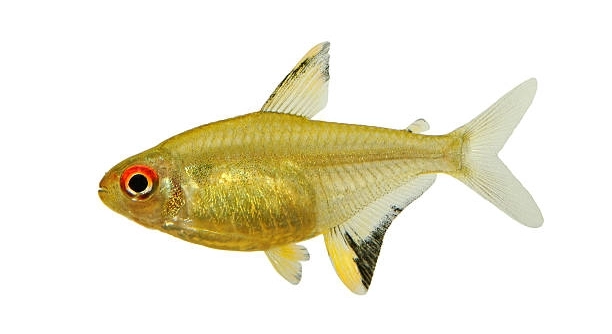
Have you ever noticed your lemon tetra behaving in new and subtle ways as it begins shifting through the substrate, creating tiny mounds and trails that catch your attention during routine moments near your aquarium.
The primary reason a lemon tetra digs in the substrate relates to instinctive foraging behavior. This activity assists in locating small food particles, easing stress, and exploring areas. Environmental changes, dietary needs, or adjustments can further influence this natural pattern.
Learning more about this behavior helps you support an environment and create balanced conditions that keep your lemon tetra thriving.
Understanding Substrate Digging in Lemon Tetras
Substrate digging in lemon tetras often appears gentle and rhythmic as they sift small particles while exploring their space. This behavior tends to reflect natural instincts that remain active even in a calm aquarium. Many lemon tetras engage in this action to locate leftover food release tension or adjust to subtle changes in their environment. You may also notice this behavior increasing after feeding times during aquarium maintenance or when new fish are introduced. Each of these moments can influence how secure your tetra feels. A comfortable fish uses the substrate in a relaxed and purposeful way while a stressed one may dig more insistently. Paying attention to the timing and frequency of this activity helps you understand your fish more clearly. When the pattern becomes familiar it becomes easier to notice when something feels different and may need a closer look as you continue caring for your aquatic pets.
Noticing digging helps you understand what your lemon tetra prefers within its space. This action often reflects comfort or mild curiosity especially when the tank is stable. By observing these small habits you can maintain conditions that support balanced behavior and create a calm setting for your fish to thrive.
When digging increases without clear triggers it helps to check several factors that influence daily behavior. Start by confirming water parameters remain steady since sudden shifts can cause subtle stress. Uneaten food can settle into the substrate and lead to frequent sifting so keeping a steady feeding routine supports cleaner conditions. Decorations with tight spaces may encourage more exploration while an overcrowded tank can create tension that shows through repetitive digging. Once you understand the cause adjustments become easier to make. Stable routines gentle lighting and consistent care help guide your tetra back into a balanced and comfortable pattern again.
Environmental Factors to Consider
Environmental conditions shape how often lemon tetras interact with the substrate. Stable water parameters support calm behavior while sudden changes may prompt increased activity. Ensuring steady filtration gentle movement and consistent lighting encourages predictable habits and reduces stress within the aquarium supporting a harmonious atmosphere for your fish to enjoy.
Creating a stable environment is one of the most reliable ways to manage substrate digging in lemon tetras. Even small fluctuations in temperature pH or hardness can influence how secure a fish feels within its surroundings. Regular testing allows you to correct issues early and maintain gentle consistency. Filtration also plays a meaningful role since strong currents can make fish more active near the bottom as they search for calmer areas. Decorations should be arranged in a way that offers both open swimming space and comfortable shelter as this balance encourages relaxed behavior. Fine sand or smooth gravel supports natural foraging motions without irritating delicate fins. Overfeeding should be avoided since excess food leads to unnecessary digging while settling into the substrate. Adding live plants softens the environment and creates natural boundaries that reduce tension. Lighting should remain steady and not overly bright to keep your tetra from feeling exposed. When each of these details works together your aquarium becomes a setting where digging appears as a natural activity rather than a sign of discomfort. With patience and regular care you support a peaceful atmosphere that helps your lemon tetra engage with its home in a calm and balanced way.
Feeding Habits and Their Impact
Feeding routines influence how often a lemon tetra digs since leftover food settles into the substrate. Consistent portions prevent extra particles from sinking while helping the fish maintain predictable habits. Balanced feeding supports calmer behavior and reduces unnecessary searching through the bottom of the tank.
Improper feeding amounts often lead to increased digging since the fish begins to rely on the substrate for additional food. Keeping meals small and evenly spaced encourages healthier routines and limits buildup within the gravel or sand. Slow sinking foods help reduce scattered particles that trigger substrate searching. Observing how quickly your tetra eats makes it easier to adjust portions without wasting food. Stability in feeding helps create a calmer environment that limits unnecessary activity while supporting proper digestion and steady habits.
Diet variety also plays a meaningful role in managing digging. A mix of high quality flakes small pellets and occasional protein sources gives your fish enough nutrients without relying on leftovers hidden in the substrate. When the diet is complete the fish spends less time sifting through the bottom for extra bites. Consistency matters since irregular feeding increases searching behavior. Maintaining a steady schedule lowers stress and helps your tetra remain balanced throughout the day. A clean substrate and tidy feeding routine support predictable patterns that keep the aquarium feeling organized and comfortable.
Behavioral Signs to Watch For
Certain behaviors appear alongside digging and help you understand what your lemon tetra may be experiencing. Increased hiding rapid movements or frequent substrate interactions can indicate mild stress or adjustment to recent changes. Observing these signs allows you to respond early and maintain a comfortable setting for your fish.
Behavioral changes often begin subtly showing through routines that feel slightly different from normal patterns. When digging becomes repetitive or paired with restlessness it may signal discomfort in the environment. Checking water parameters and reviewing tank conditions helps identify the cause. Aggression from tank mates can also influence how often your tetra uses the substrate as a safe space. Adding cover rearranging decorations or reducing crowding may ease tension. Watching for shifts in appetite color vibrancy or swimming style can offer additional clues. Small adjustments in care usually help restore a calm balanced rhythm that supports steady behavior in the aquarium.
Tank Setup Considerations
The type of substrate affects how lemon tetras dig. Fine sand or smooth gravel allows gentle sifting, while rough or sharp materials can discourage natural behavior and cause minor stress or injury. Proper substrate supports healthy foraging instincts.
Decorations and plants influence substrate digging by providing both hiding spots and open areas. Balanced placement encourages natural exploration while preventing overcrowding. Fish feel secure when their environment has a mix of cover and swimming space.
Water Quality Maintenance
Maintaining consistent water parameters is essential. Regular testing for temperature, pH, and hardness prevents sudden stress, which can increase substrate digging. Clean, stable water keeps lemon tetras comfortable and reduces unnecessary digging behavior.
Observing Social Dynamics
Interactions with other fish impact how often a lemon tetra digs. Aggressive tank mates or overcrowded conditions can increase substrate activity as a coping mechanism. Keeping a harmonious group reduces stress and supports natural behaviors.
FAQ
Why is my lemon tetra digging more than usual?
Increased digging usually signals a change in the environment or routine. Sudden shifts in water temperature, pH, or hardness can make a tetra feel insecure. Overfeeding or leftover food in the substrate may also prompt more searching behavior. Monitoring these factors helps determine whether digging is normal or stress-related.
Can substrate type affect digging behavior?
Yes, lemon tetras respond strongly to substrate texture. Fine sand or smooth gravel allows safe sifting and encourages natural foraging, while rough or sharp materials may reduce digging or cause minor injuries. Choosing a substrate that mimics a natural environment supports healthier behavior.
Is digging harmful to my lemon tetra?
Generally, digging is harmless if the substrate is safe and there are no sharp objects. It is a normal behavior for exploration, stress relief, and foraging. Excessive digging paired with unusual behavior, like lethargy or hiding, may indicate stress or environmental issues needing attention.
How does feeding impact digging?
Improper feeding routines often trigger substrate digging. Overfeeding leaves food particles on the bottom, prompting sifting. Irregular schedules may lead to searching for missed meals. Providing consistent portions, spaced evenly throughout the day, and using slow-sinking foods reduces unnecessary digging and keeps behavior predictable.
Do tank mates influence digging behavior?
Yes, social dynamics affect activity levels. Aggressive or overly active fish may stress lemon tetras, causing them to dig for safety or distraction. Overcrowding increases competition for space and resources, encouraging more substrate interaction. Maintaining a calm, compatible group reduces stress-driven digging.
Does lighting play a role in substrate digging?
Lighting affects comfort levels. Very bright lights can make tetras feel exposed, prompting substrate digging as a coping mechanism. Steady, moderate lighting supports normal activity without causing anxiety, helping fish feel safe while exploring and foraging.
Are plants and decorations important for digging habits?
Plants and decorations provide structure and security. Open spaces combined with hiding areas allow tetras to forage while feeling protected. Dense decorations may encourage digging as a form of exploration, while too few structures can increase stress-related activity. Balanced placement creates a comfortable environment for natural behavior.
How can I tell if digging is stress-related?
Stress-related digging is often paired with other behaviors such as hiding, rapid swimming, or loss of appetite. Changes in coloration or frequent fin clamping are additional signs. Observing overall patterns, not just digging, helps identify whether adjustments to the environment or care routine are needed.
Can water changes reduce excessive digging?
Regular water changes support stable conditions, reducing stress-driven digging. Removing waste and maintaining proper water chemistry keeps substrate clean, minimizes leftover food, and encourages natural, calm behavior. Consistency in changes helps the tetra feel secure and maintain healthy activity levels.
Should I adjust tank size to influence digging?
Yes, adequate space reduces stress-related digging. Overcrowding increases competition and tension, encouraging more substrate activity. Providing enough room for swimming, hiding, and exploration helps tetras feel comfortable and supports natural digging as a healthy, normal behavior rather than a reaction to discomfort.
Does diet variety matter for substrate behavior?
A varied diet helps prevent excessive searching for food. Including high-quality flakes, small pellets, and occasional protein supplements ensures tetras are nutritionally satisfied. When dietary needs are met, the fish spend less time digging through the substrate in search of extra bites.
How long does it take for digging to normalize?
If the cause is environmental or dietary, behavior usually stabilizes within a few days to a week after adjustments. Observing changes carefully during this period helps confirm whether interventions are effective and supports steady, balanced behavior in the aquarium.
Can digging indicate illness?
In rare cases, persistent digging combined with lethargy, weight loss, or abnormal swimming may signal illness. Checking water quality, diet, and observing for additional symptoms helps determine if veterinary consultation or quarantine is necessary. Early detection supports prompt treatment and reduces prolonged stress.
Are all tetras prone to digging?
Lemon tetras naturally explore and forage, but individual activity levels vary. Some may dig more than others due to personality, age, or prior environment. Providing consistent care, suitable substrate, and balanced tank conditions helps all fish express natural behaviors safely.
Is digging a sign of happiness in my tetra?
When substrate digging occurs alongside normal swimming, eating, and social interactions, it generally reflects healthy and comfortable behavior. Controlled, purposeful digging is part of their instinctive routine, showing the fish is engaging with its environment in a natural, contented manner.
How often should I monitor digging habits?
Regular observation is key. Noticing small changes daily helps identify trends or sudden deviations. Tracking frequency, intensity, and associated behaviors allows early intervention if stress, overcrowding, or dietary issues arise, supporting consistent health and comfort for your lemon tetra.
Can rearranging the tank reduce excessive digging?
Strategic rearrangement can help. Adding plants, decorations, or shelter areas gives tetras more options for exploration without overworking the substrate. Adjusting layout gradually avoids stress while guiding fish toward natural behavior and reducing repetitive digging linked to boredom or insecurity.
Is substrate digging more common in young or older fish?
Younger tetras tend to dig more as they explore and establish habits, while older fish may dig less but still engage in routine foraging. Both age groups benefit from a safe substrate and stable conditions to encourage calm, purposeful activity rather than stress-driven behavior.
Does tank temperature affect digging?
Temperature stability is important. Sudden shifts can increase activity or anxiety, leading to more substrate interaction. Maintaining the recommended range for lemon tetras ensures comfort, supports normal metabolic and digestive processes, and keeps digging behavior natural rather than stress-induced.
How can I balance cleaning with natural digging behavior?
Cleaning routines should remove excess waste without disturbing the substrate too often. Frequent vacuuming may disrupt normal foraging, while too little cleaning can leave food particles that encourage unnecessary digging. A balanced schedule supports a healthy, natural routine for your tetra.
Are there signs of boredom related to digging?
Repetitive, aimless digging without food or exploration often indicates boredom. Adding plants, hiding spots, and environmental enrichment encourages purposeful behavior and reduces stress-driven or idle substrate activity. Structured stimulation helps tetras engage naturally.
Does substrate depth matter?
Yes, depth affects how comfortably tetras can dig. Shallow layers limit sifting, while excessively deep substrates can trap debris and food, prompting more effort and stress. A moderate depth supports natural foraging without overwhelming the fish.
Can changing food type reduce digging?
Switching to slow-sinking or high-quality foods reduces leftover particles in the substrate, decreasing unnecessary digging. Providing food that the tetra can consume efficiently encourages calm, controlled behavior and prevents searching activity caused by excess debris.
How do I know if digging is normal for my tank setup?
Compare behavior to general species patterns. Gentle, periodic digging alongside normal swimming, feeding, and social interactions is expected. Sudden increases, paired with stress signs, indicate an environmental or dietary factor may need adjustment. Observation over time is the best guide.
Is digging a replacement for other natural behaviors?
Substrate interaction complements swimming, social engagement, and foraging. It is not a replacement but an integrated behavior supporting instinctual needs. When balanced, it indicates healthy engagement rather than frustration or stress.
What is the best approach to manage digging?
Focus on environmental stability, proper feeding, and social harmony. Safe substrate, balanced diet, adequate space, and consistent water parameters help tetras engage naturally. Observing and making minor adjustments ensures that digging remains a normal, healthy part of their routine.
Can seasonal changes influence digging?
Yes, subtle seasonal differences in light, temperature, or feeding schedules may increase activity. Adjustments should be gradual to maintain comfort. Stable routines minimize stress and prevent excessive substrate interaction linked to environmental fluctuations.
Does water current affect digging behavior?
Strong currents can make tetras seek calmer areas by digging or sifting in the substrate. Adjusting flow to moderate levels encourages natural exploration and reduces stress-driven substrate activity. A balanced current supports normal behavior throughout the tank.
How do I distinguish playful digging from stress digging?
Playful digging is gentle, intermittent, and occurs alongside normal swimming and feeding. Stress-related digging is frequent, frantic, or paired with hiding, color changes, or rapid movements. Tracking patterns over time clarifies whether intervention is needed to improve comfort.
Is substrate digging common in all aquarium setups?
It occurs more in tanks that replicate natural habitats with fine substrates and moderate structures. Bare-bottom tanks or tanks with sharp substrates often limit this behavior. Proper setup encourages safe digging while maintaining healthy engagement.
Can digging help maintain tank cleanliness naturally?
To some extent, digging can redistribute small debris and aerate the substrate, but it is not a replacement for regular maintenance. Observing the activity helps ensure it remains natural without compromising water quality or hygiene.
Should I worry if my tetra stops digging suddenly?
A sudden stop may indicate environmental change, illness, or stress. Check water quality, health, and tank dynamics. Minor adjustments or monitoring may restore normal activity. Consistency and observation are key to ensuring the tetra remains comfortable.
Can substrate size impact foraging efficiency?
Yes, fine gravel or sand allows easy sifting, while coarse substrate may trap food and discourage digging. Choosing an appropriate substrate size ensures effective foraging and prevents unnecessary stress.
Is digging more pronounced during certain times of the day?
Tetras often dig after feeding or during periods of lower activity when exploring. Recognizing these natural peaks helps differentiate normal behavior from stress-related digging. Scheduling maintenance around these times supports routine activity without disruption.
Does tank depth influence digging behavior?
Shallow tanks limit exploration, while very deep tanks may bury uneaten food, prompting more digging. Moderate depth balances natural foraging with comfort and reduces unnecessary effort.
Can substrate color affect digging?
Substrate that contrasts with food particles can make leftover food more noticeable, prompting increased sifting. Neutral tones reduce stress and create a more calming environment for natural behavior.
How do I support natural digging without encouraging stress?
Maintain stable water, provide safe substrate, consistent feeding, and a balanced group of tank mates. Gentle decorations, live plants, and moderate lighting support natural exploration while minimizing stress. Observation ensures behavior remains healthy.
Are some lemon tetras more prone to digging than others?
Individual temperament plays a role. Active or curious fish may dig more frequently, while shy or older individuals dig less. Tailoring the environment to accommodate various activity levels encourages natural behavior for all fish.
What role does tank maintenance play in substrate digging?
Cleaning schedules and water changes influence debris accumulation, which in turn affects digging. Maintaining stable, clean conditions reduces unnecessary searching while supporting healthy natural behavior patterns.
Can digging affect other fish?
Excessive digging may disturb other bottom-dwelling species, causing tension or stress. Balancing substrate activity through diet, tank layout, and social harmony ensures all fish interact comfortably.
How do I balance substrate digging with aquarium aesthetics?
Select visually appealing, smooth substrate and carefully place decorations and plants. Regular cleaning ensures natural behavior does not compromise appearance while keeping fish comfortable and engaged.
Is substrate digging more noticeable in certain lighting conditions?
Bright or uneven lighting may make fish feel exposed, increasing digging. Consistent moderate lighting creates a safe environment and reduces stress-driven activity while supporting natural routines.
Can substrate digging indicate reproductive behavior?
In some cases, digging may relate to preparing areas for spawning, especially if paired with specific courtship behaviors. Observing interactions and tank conditions helps clarify whether the activity is normal or environmentally influenced.
Does substrate size influence aggression during digging?
Smaller substrate allows easier sifting, reducing competition. Coarse or deep substrate may lead to disputes over access to optimal digging spots. Proper substrate reduces conflict and supports natural, calm behavior.
How often should I monitor substrate for leftover food?
Daily observation helps prevent buildup that triggers unnecessary digging. Removing excess food promptly supports balanced behavior, reduces stress, and maintains water quality for all tank inhabitants.
Are live plants helpful in managing digging behavior?
Yes, live plants provide natural boundaries and hiding spots, reducing stress-related substrate activity. They also offer foraging opportunities and contribute to overall tank health, creating a balanced environment for tetras to express natural behaviors.
Can substrate digging ever damage the aquarium?
When the substrate is appropriate and decorations are secure, digging is unlikely to cause damage. Excessive digging in unsuitable substrates or with loose décor may create minor disturbances. Careful setup prevents risks while allowing normal behavior.
How do I track substrate digging patterns effectively?
Observing daily, noting timing, frequency, and intensity, helps identify normal versus stress-driven activity. Recording changes alongside water parameters, diet, and social dynamics provides a clear understanding of behavior trends and supports targeted adjustments.
What is the long-term impact of proper substrate digging management?
Supporting healthy digging ensures balanced activity, reduces stress, and encourages natural behavior. Over time, consistent care and a safe environment promote overall well-being, allowing lemon tetras to thrive and engage fully in their aquarium habitat.
Final Thoughts
Substrate digging in lemon tetras is a natural and instinctive behavior that reflects their curiosity and need to explore their environment. Observing this activity can provide valuable insight into the health and comfort of your fish. Gentle digging is generally harmless, especially when the substrate is safe and the tank is properly maintained. It is a form of foraging and stress relief, allowing tetras to interact with their surroundings in a way that feels natural. Many fish owners notice digging more after feeding or when new elements are introduced into the tank, which is a normal response. Understanding the motivations behind this behavior helps you create a supportive environment that meets the needs of your lemon tetra. Rather than being concerned about occasional digging, it can be seen as an opportunity to observe and adjust care routines to ensure the fish remain healthy and comfortable.
Proper care and monitoring play an important role in managing substrate digging effectively. Consistent feeding routines prevent leftover food from accumulating and encourage predictable behavior. Choosing the right substrate, such as fine sand or smooth gravel, allows tetras to sift without risk of injury, while decorations and plants provide structure and hiding spaces that reduce stress. Maintaining stable water conditions is equally important, as sudden changes in temperature, pH, or hardness can trigger excessive digging. Social dynamics also affect behavior, with overcrowding or aggressive tank mates increasing the need for fish to seek security in the substrate. By keeping these factors in balance, you can ensure that substrate digging remains a natural and controlled activity rather than a response to stress or discomfort. Regular observation of your fish’s behavior allows early detection of any irregular patterns and provides an opportunity to make adjustments before problems arise.
Ultimately, understanding substrate digging as part of a lemon tetra’s natural instincts promotes better care and enhances the overall health of your aquarium. Encouraging this behavior through safe, supportive conditions helps your fish express normal activity while maintaining comfort and security. Monitoring water quality, diet, and tank layout ensures that digging does not become excessive or harmful. Observing small details, such as changes in frequency, intensity, or accompanying behaviors, helps you identify potential issues quickly. A well-maintained environment supports not only substrate interaction but also swimming, feeding, and social behavior. Recognizing substrate digging as a healthy, purposeful activity allows you to create a balanced, harmonious aquarium where lemon tetras can thrive naturally. By prioritizing stable routines, safe substrates, and thoughtful tank design, you promote both the well-being of your fish and the overall enjoyment of your aquarium.

Hello,
If you enjoy the content that we create, please consider saying a "Thank You!" by leaving a tip.
Every little bit helps us continue crafting quality advice that supports the health, happiness, and well-being of pets around the world, for pets of all shapes, sizes, and species.
We really appreciate the kindness and support that you show us!