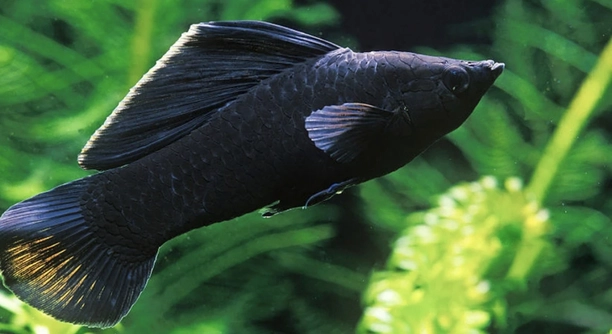
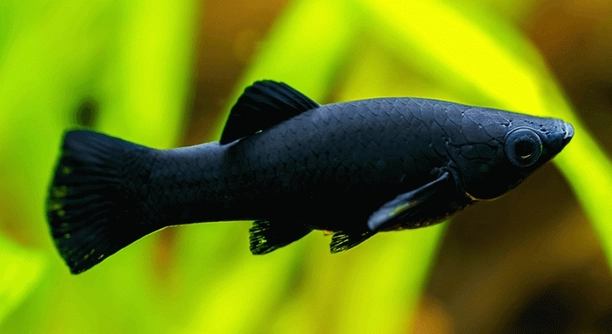
7 Best Foods for Black Molly (+Feeding Tips)
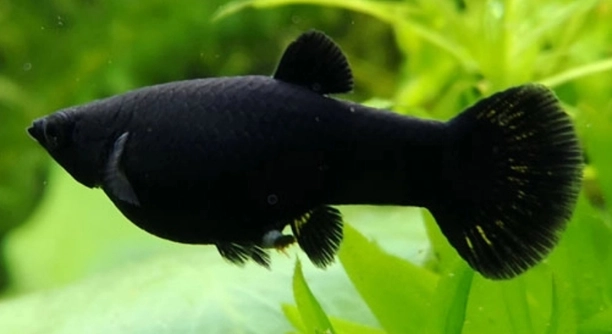
Black Mollies are small, peaceful fish that brighten any freshwater aquarium. Feeding them properly is essential for their health, growth, and vibrant colors. Choosing the right foods ensures they stay active and happy in their aquatic environment. The best foods for Black Mollies include high-quality flake foods, frozen or live brine shrimp, daphnia, bloodworms, spirulina-based … Read more
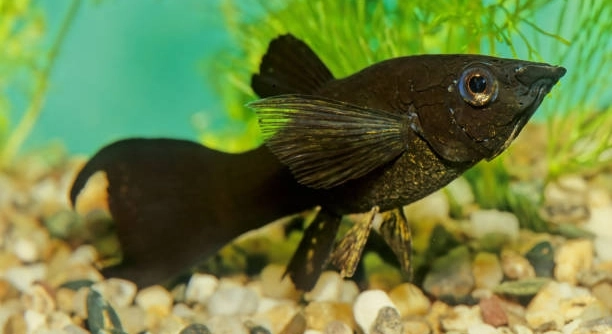
Why Is My Black Molly Attacking Other Fish?

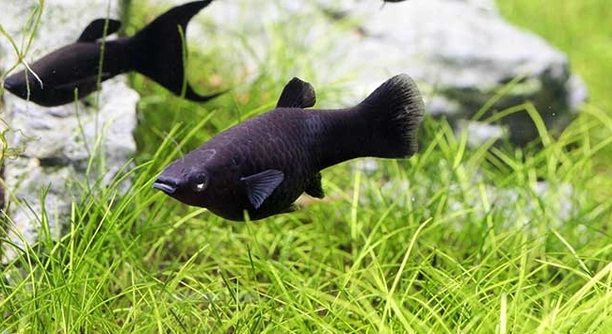
Many aquarists enjoy keeping black mollies because of their striking appearance and lively behavior. These fish often brighten home aquariums, making them a favorite choice among both beginners and experienced hobbyists alike. Black mollies often attack other fish due to territorial behavior, stress, overcrowding, or incompatible tank mates. Environmental factors like poor water quality and … Read more

When to Separate Fry from Black Molly Adults

Do your Black Molly fry seem smaller and more vulnerable than the adults in your tank? Many aquarists face challenges in keeping fry safe while allowing adults to thrive in a shared environment. Fry should be separated from adult Black Mollies within two to three weeks after birth. Early separation reduces the risk of predation … Read more

Why Are My Black Molly Fry Separating From the Group?

Do you ever notice your black molly fry swimming alone while the rest of the group sticks together? This behavior can feel worrying, especially when you want your fry to grow safely in a harmonious environment. The primary reason black molly fry separate from the group is related to stress, water conditions, or competition for … Read more

Why Is My Black Molly Tail Clamped?

Are your black mollies swimming quietly while one of them shows a tail that looks tightly held together? This introduction explores what might be affecting its comfort and helps you understand what could be happening. A clamped tail in a black molly typically indicates stress from poor water quality, abrupt parameter changes, or illness. This … Read more

7 Water Additives That Help Black Molly Thrive

Do you ever find yourself wanting to create a healthier environment for your Black Molly but feel unsure about which water additives truly support their well-being and comfort in the aquarium they call home today. Targeted water additives help Black Molly thrive by stabilizing water conditions and supporting core biological functions. These solutions provide essential … Read more

7 Quick Upgrades for a Black Molly Aquarium

Keeping a Black Molly aquarium vibrant and healthy requires attention to small details that make a big difference. Simple adjustments in decor, water quality, and lighting can transform the tank environment for these lively fish. Enhancing a Black Molly aquarium can be achieved through seven practical upgrades, including optimizing filtration, adjusting water parameters, introducing live … Read more

What Is the Lifespan of a Black Molly?

Black Mollies are popular freshwater fish, loved for their dark, shiny appearance and peaceful nature. Many people enjoy keeping them in home aquariums and watching them swim gracefully among plants and decorations. The average lifespan of a Black Molly is typically three to five years in a well-maintained aquarium environment. Proper care, including stable water … Read more

7 Unexpected Fry Behaviors During First Week

Do your new fry seem to behave in unusual ways during their first week? Observing their early development can be surprising, as their actions often differ from what many first-time keepers expect. Early fry behavior can seem unpredictable. During the first week, fry may display unexpected behaviors such as clustering in corners, sudden darting, or … Read more

7 Reasons for Strange Black Molly Fry Positions

Are your black mollies swimming in odd positions that catch your attention? Observing these fish can be fascinating, especially when their behavior seems unusual. Their movements may hint at health, environment, or social dynamics within the tank. Strange fry positions in black mollies often result from water quality issues, stress, or developmental factors. Ensuring proper … Read more