
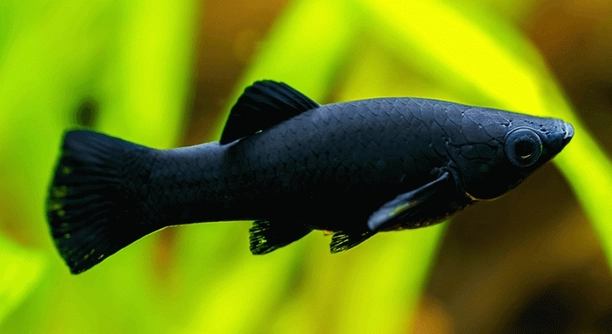
Are your black mollies swimming in odd positions that catch your attention? Observing these fish can be fascinating, especially when their behavior seems unusual. Their movements may hint at health, environment, or social dynamics within the tank.
Strange fry positions in black mollies often result from water quality issues, stress, or developmental factors. Ensuring proper tank conditions, nutrition, and social stability helps maintain normal swimming patterns and supports overall fry health.
Knowing why these behaviors occur can improve your care routine. Small adjustments in their environment and feeding can make a noticeable difference in their activity.
Water Quality and Tank Conditions
Maintaining clean water is crucial for black molly fry. High ammonia, nitrite, or nitrate levels can cause fry to swim abnormally. Even small fluctuations in temperature or pH can stress them, leading to erratic positions. Filtration and regular water changes keep the environment stable. Tank size also matters. Overcrowded tanks reduce swimming space, increase waste, and raise stress levels. Fry may float near the surface, tilt, or rest on the substrate if conditions are poor. Lighting and hiding spots affect behavior as well. Providing gentle filtration, stable temperature, and safe plants or decorations creates a more natural environment for the fry. Observing the water parameters regularly helps prevent problems before they affect the fry’s swimming. Young fish are particularly sensitive, so early intervention is key. Clean, stable water encourages healthy development, normal activity, and reduces unusual positioning.
Water quality directly influences fry health and behavior, making monitoring and maintenance essential for normal swimming patterns.
A properly maintained tank reduces stress and supports growth. Fry in stable conditions swim naturally, explore their environment, and feed actively. Adjusting water flow, temperature, and decorations can enhance comfort. Consistent care ensures healthy fry development and prevents abnormal positions from forming.
Nutrition and Feeding Practices
Poor or irregular feeding can cause black molly fry to display strange swimming behaviors.
Balanced nutrition is essential for growth and stability. Fry require small, frequent meals, rich in protein and vitamins. Overfeeding or underfeeding can lead to buoyancy issues or lethargy. Uneaten food decomposes, affecting water quality, which further stresses fry. High-quality fry food or finely crushed flakes provide necessary nutrients. Live or frozen foods, like baby brine shrimp, support development and encourage active swimming. Feeding at consistent times establishes a routine, reducing stress. Avoid sudden changes in diet, as fry are sensitive to variations. Observing how fry respond to feeding gives insight into their health and growth. Adjusting quantity and frequency based on fry activity can correct abnormal swimming behaviors. Proper nutrition and careful feeding help fry swim evenly, grow strong, and thrive in their environment.
Nutritional balance plays a critical role in promoting normal movement and overall fry health.
Feeding small, nutrient-rich meals regularly ensures fry have energy to swim properly. Avoiding overfeeding prevents water contamination. Combining flakes, live food, and occasional supplements supports healthy growth and activity levels. Tracking feeding responses can reveal early signs of health issues.
Stress and Tank Mates
Fry can display odd positions when stressed by aggressive or overly active tank mates. Close supervision and separating larger fish can reduce stress and help fry swim normally.
Stress affects fry by altering their swimming patterns and energy levels. Aggressive tank mates may chase or nip at fry, causing them to hide, tilt, or float near the surface. Even non-aggressive fish can create stress if the tank is overcrowded, as fry struggle to find space and maintain normal movement. Providing plenty of hiding spots and visual barriers helps fry feel secure. Tank design, such as plants or gentle currents, can reduce stress triggers. Observing interactions and adjusting the tank setup keeps fry calm. Consistent, peaceful conditions encourage normal swimming and development. Fry are more likely to explore, feed, and grow in stable environments without constant disturbances, which reduces the appearance of abnormal positions caused by fear or fatigue.
Calming the tank environment and carefully choosing tank mates supports fry swimming and overall health. Fry that feel safe are more active and develop properly, while stress-induced positions are minimized. Providing space, hiding places, and observing interactions can prevent unnecessary tension and promote balanced activity.
Genetic and Developmental Factors
Some fry positions result from genetic differences or developmental irregularities. These natural variations affect movement and posture.
Genetics can influence the way black molly fry swim. Certain traits, like body shape, fin size, or muscle development, affect balance and orientation in water. Fry with weaker fins or spinal irregularities may tilt or float unusually. Developmental issues during early growth stages can also impact swimming patterns, especially if eggs were exposed to fluctuating conditions or limited nutrition. While not all genetic or developmental differences are harmful, they can make fry more vulnerable to stress or environmental changes. Careful observation helps distinguish between harmless variations and conditions requiring intervention. Providing stable water, proper nutrition, and gentle tank conditions supports even genetically predisposed fry. Recognizing these differences allows adjustments to care routines to encourage better swimming and growth outcomes.
Monitoring growth and adjusting care for developmental variations ensures fry remain active. Supportive environments allow even genetically prone fry to move more normally, improving survival and overall health. Observing patterns and responding early helps reduce the impact of minor developmental differences.
Water Temperature
Fry positions can change when water temperature fluctuates. Consistent temperatures help them swim evenly and stay active.
Sudden drops or rises in temperature stress fry, causing them to tilt, float near the surface, or rest on the bottom. Using a reliable heater and thermometer keeps conditions stable.
Disease and Parasites
Fry may display unusual positions if affected by disease or parasites. Symptoms like lethargy, clamped fins, or erratic swimming often accompany infections. Early detection is essential for treatment and recovery. Proper quarantine and hygiene practices reduce the risk of spreading illness.
Oxygen Levels
Low oxygen can force fry to stay near the surface. Aeration and water circulation maintain proper oxygenation for healthy swimming.
Why are my black molly fry floating at the surface?
Fry often float near the surface when oxygen levels are low or the water temperature is too warm. Warmer water holds less oxygen, and fry may struggle to breathe, making them stay near the top. Ensuring good aeration, proper temperature, and gentle water movement helps them swim naturally.
Why do some fry tilt or swim sideways?
Tilting or swimming sideways usually indicates stress, poor water quality, or developmental issues. Weak fins, spinal irregularities, or uneven muscle growth can cause fry to struggle with balance. Stable water conditions, proper nutrition, and careful monitoring support healthier movement. Separating fry with physical difficulties can reduce stress from tank mates.
Can diet affect how fry swim?
Yes. Fry require small, frequent meals with high protein. Underfeeding reduces energy, causing lethargy or unusual positions, while overfeeding can pollute the water and increase stress. Offering high-quality flakes, baby brine shrimp, or finely crushed foods encourages normal swimming patterns and active growth. Feeding routines also help fry adjust to their environment.
Do tank mates influence fry behavior?
Aggressive or overly active fish can stress fry, causing abnormal positions. Fry hide, tilt, or float near the surface when constantly chased or crowded. Providing hiding spots, gentle tank mates, and space for exploration reduces stress. Observing interactions and adjusting the tank layout creates a safer environment for fry.
Could genetics cause unusual swimming positions?
Genetic and developmental differences can influence swimming patterns. Body shape, fin size, or muscle development may cause tilting or floating. While not always harmful, genetically predisposed fry are more sensitive to environmental stress. Supportive care, stable water, and proper feeding help them adapt and maintain activity.
How do I know if my fry are sick?
Signs of illness include clamped fins, lethargy, erratic swimming, discoloration, or loss of appetite. Parasites, bacterial infections, or poor water conditions can trigger these symptoms. Early detection is essential. Quarantining new fry, maintaining clean water, and observing changes daily helps prevent disease spread.
Can overcrowding cause strange fry positions?
Yes. Crowded tanks increase stress, reduce swimming space, and elevate waste levels, affecting water quality. Fry may float, tilt, or hide if they feel trapped. Providing adequate tank size, limiting the number of fry, and adding plants or decorations helps them feel secure and move normally.
How often should I monitor water conditions for fry?
Daily observation of temperature, pH, and ammonia levels is recommended. Even small fluctuations affect swimming and development. Using test kits, thermometers, and gentle filtration ensures stable conditions. Regular water changes and tank maintenance reduce stress and prevent abnormal positions.
Can lighting affect fry positions?
Lighting influences behavior. Too bright or harsh light can stress fry, making them hide or float oddly. Balanced lighting with natural day-night cycles helps fry explore and feed naturally. Plants and shaded areas provide shelter and comfort, encouraging normal swimming.
When should I separate fry from adults?
Separating fry early prevents accidental nipping or competition for food. Adult mollies may stress or harm fry, affecting their positions and growth. Using a breeding box or separate tank until fry are larger ensures safety, reduces stress, and promotes even swimming.
What is the quickest way to improve fry swimming behavior?
Addressing water quality, nutrition, and stress is the fastest method. Stable temperature, proper aeration, clean water, balanced feeding, and gentle tank mates encourage natural movement. Observing fry daily allows for quick adjustments to conditions, minimizing abnormal positions and supporting healthy growth.
Can small environmental changes cause abnormal swimming?
Yes. Even minor changes like adding new decorations, sudden water changes, or fluctuations in temperature can temporarily affect fry swimming. Making gradual adjustments and monitoring responses reduces stress and helps fry adapt smoothly. Consistency is key to maintaining normal behavior and activity.
How do I handle fry with persistent abnormal positions?
Persistent abnormal positions may indicate developmental issues, genetic traits, or chronic stress. Ensuring optimal tank conditions, gentle care, and minimal disturbances can improve swimming. If positions do not improve, consulting an experienced aquarist or veterinarian may help identify underlying problems and suggest targeted care.
What role does aeration play in fry health?
Aeration supplies oxygen, reduces water stagnation, and helps maintain stable conditions. Fry rely on sufficient oxygen for energy and movement. Air stones, gentle filters, and proper water flow prevent abnormal positions caused by low oxygen or uneven currents. Proper aeration supports growth, activity, and overall health.
How can I reduce stress in fry tanks?
Providing hiding spots, stable water conditions, gentle filtration, and consistent feeding reduces stress. Avoid sudden movements or introducing aggressive tank mates. Observing fry behavior regularly helps identify stress triggers early. A calm, stable environment encourages normal swimming and supports healthy development.
Can water flow affect how fry swim?
Yes. Strong currents can tire fry and force them into unusual positions, while stagnant water may limit activity. Gentle circulation promotes exercise, even swimming, and oxygen distribution. Adjusting filter output or creating calm areas ensures fry can move naturally and reduces the risk of stress-related behaviors.
Is it normal for some fry to be slower swimmers?
Some fry develop slower due to genetics, minor developmental differences, or health status. While normal, slower fry are more vulnerable to stress, competition, or predation. Providing extra hiding spots, separate feeding areas, and careful monitoring helps them thrive without being forced into abnormal swimming positions.
What are the most common mistakes in fry care?
Overfeeding, poor water quality, overcrowding, sudden environmental changes, and aggressive tank mates are common issues. Each can lead to unusual fry positions and stress. Consistent maintenance, proper nutrition, gentle handling, and monitoring prevent problems, supporting healthy development and normal swimming behavior.
How long do fry usually take to swim normally?
Fry may stabilize swimming within a few days to weeks if conditions are optimal. Factors such as genetics, tank environment, diet, and stress levels influence this timeline. Observing gradual improvement, adjusting care, and ensuring supportive conditions helps fry develop balanced swimming patterns efficiently.
Observing black molly fry in your tank can be fascinating, especially when they swim in unusual positions. These movements often provide insights into their health, environment, and development. Many factors can influence fry behavior, including water quality, temperature, oxygen levels, and the presence of other tank mates. Even minor fluctuations in these conditions can affect how fry move and position themselves. Stress, overcrowding, or poor nutrition can also lead to abnormal swimming patterns. Paying attention to these signals is an important part of caring for young fish. By noticing changes early, you can make adjustments that support their growth and overall well-being. Fry are delicate during their early stages, and their behavior reflects how well their environment meets their needs. Regular monitoring and careful observation allow you to detect potential issues before they become serious problems, ensuring the fry have the best chance of developing normally.
Proper water maintenance plays a central role in keeping fry healthy. Regular water changes, consistent temperature, and good filtration create stable conditions that reduce stress and promote natural swimming. Overcrowded tanks or sudden changes in water chemistry can disrupt balance, causing fry to tilt, float near the surface, or rest on the bottom. Fry are particularly sensitive to these factors, so even small improvements in their environment can make a noticeable difference. Along with clean water, nutrition is equally important. Providing high-quality, small meals rich in protein and vitamins supports energy levels, muscle development, and growth. Fry that receive proper food regularly are more active, swim evenly, and explore their surroundings. Neglecting diet or feeding inconsistently can result in lethargy or abnormal positions, highlighting the need for consistent care and attention.
While environmental factors are critical, genetics and development also influence fry behavior. Some fry naturally have differences in body shape, fin size, or muscle strength, which can affect balance and movement. Developmental irregularities may make certain fry swim differently from their siblings. These variations are not always harmful but may require additional observation and supportive care. Stress, poor water conditions, or disease can exacerbate these natural tendencies, so maintaining a calm and stable tank is essential. By monitoring water quality, feeding routines, tank mates, and overall health, you create conditions that allow all fry to thrive, even those with minor genetic or developmental differences. Consistent care and attention help fry grow strong, active, and healthy, ensuring their positions and swimming patterns stabilize over time. Observing their behavior carefully offers valuable information and guidance for improving their environment, which ultimately supports their long-term well-being.

Hello,
If you enjoy the content that we create, please consider saying a "Thank You!" by leaving a tip.
Every little bit helps us continue crafting quality advice that supports the health, happiness, and well-being of pets around the world, for pets of all shapes, sizes, and species.
We really appreciate the kindness and support that you show us!