
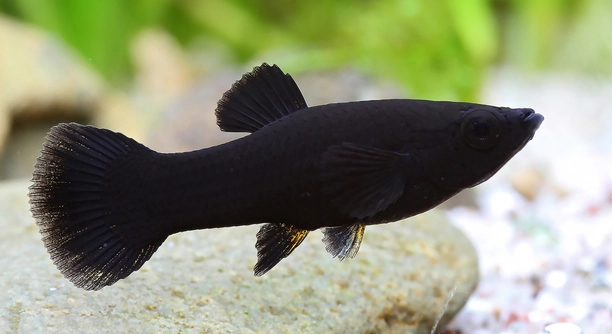
Keeping a Black Molly aquarium vibrant and healthy requires attention to small details that make a big difference. Simple adjustments in decor, water quality, and lighting can transform the tank environment for these lively fish.
Enhancing a Black Molly aquarium can be achieved through seven practical upgrades, including optimizing filtration, adjusting water parameters, introducing live plants, improving lighting, providing hiding spots, maintaining proper nutrition, and incorporating aesthetic enhancements that collectively support the health and activity of the fish.
These upgrades not only improve the tank’s appearance but also ensure your Black Mollies thrive in a more stimulating, comfortable environment.
Upgrade Filtration System
A strong filtration system is essential for keeping a Black Molly aquarium clean and stable. Old or weak filters can fail to remove debris, excess food, and waste, leading to cloudy water and unhealthy fish. Replacing the filter with one rated for a slightly larger tank can improve water flow and maintain oxygen levels. Consider a filter with multiple stages, including mechanical, chemical, and biological filtration, to address different needs simultaneously. Regular maintenance, such as rinsing filter media in tank water and checking for blockages, ensures consistent performance. A good filtration system also reduces the frequency of full water changes, saving time and minimizing stress for the fish. While investing in a quality filter may cost more initially, it pays off through healthier fish and a cleaner, more vibrant tank. Observing your Mollies’ behavior can help indicate when water quality is declining, prompting timely adjustments or upgrades.
Strong filtration supports cleaner water and healthier fish, reducing maintenance and stress for both you and your Black Mollies.
Maintaining the filtration system properly is as important as upgrading it. Regular checks prevent clogs, ensure proper flow, and sustain oxygen levels. Mechanical filtration removes floating debris, chemical filtration tackles dissolved impurities, and biological filtration fosters beneficial bacteria. Together, these processes create a balanced environment that keeps fish active and disease-free. Upgrading to a better system also reduces odors and keeps water clear. Over time, a stable filtration setup allows you to enjoy a thriving tank without constant worry. Mollies respond well to consistent water quality, showing brighter colors and more natural behavior. Even small improvements, such as adding a pre-filter sponge or adjusting the flow, can make a noticeable difference in tank cleanliness. By combining quality equipment with regular maintenance, your aquarium becomes a safer, more comfortable habitat, supporting both fish health and your ease of care.
Add Live Plants
Live plants improve water quality and create a natural habitat for Black Mollies. They absorb excess nutrients, provide hiding spots, and reduce stress for shy fish.
Choosing hardy plants like Java fern, Anubias, or Hornwort ensures easy care, as these species tolerate a range of water conditions. Planting in nutrient-rich substrate or using root tabs can encourage healthy growth. Plants also help balance oxygen levels during the day, benefiting both fish and beneficial bacteria. Strategically placing tall plants at the back and shorter ones in front creates a visually appealing aquascape while giving Mollies spaces to swim freely. Regular trimming prevents overgrowth and maintains water circulation. Even a few plants can transform a bare tank into a lively, enriched environment that mimics natural habitats. Live plants also reduce algae growth by competing for nutrients, which keeps the tank cleaner. Observing your Mollies interact with plants can provide insights into tank layout adjustments, ensuring they feel secure while exploring.
Adding plants enhances both water quality and visual appeal, offering a healthy, natural environment for Mollies to thrive.
Improve Lighting
Proper lighting enhances both the health of Black Mollies and the growth of live plants. Bright, full-spectrum lighting supports plant photosynthesis and helps Mollies display their natural colors. Avoid harsh or dim lighting, which can stress fish or slow plant growth.
Consistent light cycles of eight to ten hours per day maintain a natural rhythm for the fish. Using a timer ensures regularity, preventing sudden changes that can upset Mollies. Full-spectrum LED lights are energy-efficient and provide adequate brightness without overheating the water. Positioning the light correctly avoids shadows or overly intense spots, which could disturb the fish. Observing the Mollies’ behavior helps determine if the lighting is suitable. Healthy fish swim actively and show vibrant coloration, while proper light also encourages plants to grow strong roots and leaves. Adjusting intensity gradually allows both fish and plants to adapt without stress.
Lighting also influences algae growth. Too much direct light can promote algae, while insufficient light weakens plants. Balance is key to maintaining a visually appealing and healthy aquarium environment. Choosing adjustable LED systems helps control intensity, ensuring Mollies feel secure and plants receive adequate energy. Timed lighting creates predictable patterns, which benefits both plant photosynthesis and fish activity. Proper lighting contributes to a natural-looking tank and supports overall ecosystem stability. Even small improvements, like repositioning lights or extending plant-friendly wavelengths, can significantly improve aquarium conditions, helping Black Mollies thrive alongside their plants.
Provide Hiding Spots
Hiding spots reduce stress and encourage natural behavior in Black Mollies. Rocks, caves, and dense plant clusters create safe spaces for resting and retreat.
Incorporating decorations like driftwood, PVC tubes, or ceramic ornaments gives Mollies places to explore and hide. These areas prevent dominant fish from bullying others and help timid individuals feel secure. Strategically arranging hiding spots in different tank areas encourages activity and exploration, while also offering shelter during feeding times. Ensuring that the materials are aquarium-safe prevents water contamination or injury. Mixing hardscape with plants creates a varied environment that mimics natural habitats, providing both security and stimulation. Regularly checking for sharp edges or loose structures keeps the tank safe. Well-placed hiding spots support social balance, reduce aggression, and improve overall fish health. Observing how Mollies interact with these areas can guide future adjustments to the layout for optimal comfort.
Maintain Proper Nutrition
Feeding Black Mollies a balanced diet supports their health, growth, and coloration. A mix of high-quality flakes, pellets, and occasional live or frozen foods provides essential nutrients for energy and vitality.
Supplements such as spirulina or vegetable matter improve digestion and overall well-being. Avoid overfeeding, as excess food pollutes the water and stresses the fish.
Monitor Water Parameters
Keeping water parameters stable is crucial for Black Mollies. Regular testing for pH, hardness, ammonia, nitrite, and nitrate ensures a safe environment. Adjustments can prevent stress and disease.
Consistent maintenance, including partial water changes, helps maintain proper temperature and chemical balance. Observing water clarity and fish behavior gives early signs of potential problems, allowing timely corrections.
Enhance Aesthetic Appeal
Adding background decorations, colorful gravel, or themed ornaments improves the tank’s visual appeal. It creates a lively environment that highlights the Mollies’ colors.
Encourage Social Interaction
Black Mollies are social fish and thrive in small groups. Maintaining at least three to five individuals promotes natural schooling behavior and reduces aggression, creating a more active and harmonious aquarium environment.
FAQ
How often should I clean my Black Molly aquarium?
Regular cleaning is essential for maintaining a healthy environment. Perform partial water changes of 20-30% weekly to remove accumulated waste, uneaten food, and nitrates. Rinse decorations and gravel in tank water to preserve beneficial bacteria. Avoid complete water changes unless necessary, as this can disrupt the tank’s ecosystem. Observing fish behavior and water clarity helps determine when extra cleaning is needed. Proper maintenance keeps Mollies active, reduces disease risk, and ensures the filtration system works efficiently.
What is the ideal water temperature for Black Mollies?
Black Mollies thrive in slightly warmer water, typically between 74-80°F (23-27°C). Consistent temperature helps maintain metabolism, digestion, and immune function. Sudden temperature swings can stress the fish, weaken their immune system, and increase susceptibility to illness. Using a reliable aquarium heater with a thermostat ensures stable conditions. Monitoring the temperature daily or with an automated system can prevent accidental fluctuations, especially in rooms with variable temperatures.
Can Black Mollies live with other fish?
Yes, Black Mollies are generally peaceful and can coexist with other community fish that have similar water requirements. Avoid aggressive or fin-nipping species, which may stress Mollies. Suitable tankmates include tetras, guppies, and platies. Providing hiding spots and open swimming areas reduces territorial disputes and encourages natural schooling behavior. Observing interactions helps identify any compatibility issues early, allowing adjustments to the tank’s layout or population.
How often should I feed Black Mollies?
Feed adult Mollies once or twice a day with small portions they can consume within two to three minutes. Overfeeding can cause water pollution and health problems. Incorporate variety, including high-quality flakes, pellets, and occasional live or frozen foods such as brine shrimp or daphnia. Supplementing with vegetable matter like blanched spinach or spirulina improves digestion and supports vibrant coloration. Adjust portions based on activity levels and observe leftovers to avoid excess waste.
Do Black Mollies need live plants in the tank?
While not strictly required, live plants benefit both water quality and fish behavior. Plants absorb excess nutrients, improve oxygen levels, and create hiding spots, which reduce stress. Hardy species like Java fern, Anubias, or Hornwort are easy to maintain and adapt to varying conditions. Even a few plants can make the aquarium feel more natural and stimulating. Live plants also compete with algae for nutrients, helping keep the tank cleaner and visually appealing.
What should I do if a Molly looks sick?
Early detection is key. Look for signs such as lethargy, clamped fins, faded coloration, rapid breathing, or unusual spots. Isolate the affected fish in a quarantine tank to prevent disease spread. Test water parameters for ammonia, nitrite, nitrate, and pH, as poor water quality often triggers illness. Treat with appropriate medication if a specific infection is identified. Maintaining a stable environment and proper nutrition reduces the likelihood of sickness and promotes faster recovery.
How can I prevent algae growth in my Molly tank?
Control algae by maintaining proper lighting, avoiding overfeeding, and keeping water parameters stable. Introducing live plants helps compete for nutrients, limiting algae growth. Regular water changes and cleaning surfaces remove excess nutrients. Algae-eating snails or small fish can help manage growth, but they do not replace maintenance. Balancing light duration and intensity ensures healthy plants and fish while minimizing unsightly algae accumulation.
Do Black Mollies require hard or soft water?
Black Mollies prefer slightly hard, alkaline water with a pH between 7.5 and 8.5. Hard water supports healthy scales, fin growth, and reproductive behavior. Soft water can stress Mollies, making them more susceptible to illness. Test water regularly and use supplements or substrates if needed to maintain proper hardness and mineral levels. Consistency in water chemistry is more important than frequent adjustments.
How long do Black Mollies live?
With proper care, Black Mollies can live three to five years, sometimes longer. Maintaining stable water conditions, a balanced diet, and a stress-free environment extends lifespan. Regular monitoring of health and tank cleanliness ensures Mollies remain active and colorful throughout their lives. Observing behavior and promptly addressing health issues contributes to longevity.
Can Black Mollies breed in a home aquarium?
Yes, they are livebearers, giving birth to fully formed fry. Provide hiding spots for young fish, as adults may eat them. Feeding high-quality foods improves breeding success and fry survival. Maintaining proper water conditions, stable temperature, and healthy adults encourages natural reproduction in the aquarium. Separation of fry into a nursery tank increases survival rates and supports healthy growth.
Final Thoughts
Upgrading a Black Molly aquarium can seem like a small task, but each improvement contributes to a healthier and more vibrant environment for your fish. Simple changes, such as enhancing filtration, adding live plants, or improving lighting, have a measurable impact on water quality and fish behavior. These adjustments make it easier to maintain a stable tank, reducing stress for both the Mollies and yourself. Paying attention to water parameters, feeding habits, and tank layout ensures that the fish have a comfortable habitat where they can swim freely, explore, and interact naturally. Even small improvements, like adding hiding spots or rearranging decorations, can significantly affect how secure and active the fish feel in their environment. Observing your Mollies daily allows you to see how these upgrades influence their behavior, coloration, and overall health.
Maintaining proper nutrition is equally important when upgrading the aquarium. A balanced diet, including high-quality flakes, pellets, and occasional live or frozen foods, supports growth, coloration, and energy levels. Including plant matter or spirulina supplements improves digestion and strengthens the immune system, helping the fish resist illness. Overfeeding should be avoided, as excess food can quickly degrade water quality and increase the workload for filtration systems. By combining careful feeding practices with consistent maintenance, the tank remains clean, stable, and visually appealing. Fish are noticeably more active when their environment is healthy, which makes caring for them more enjoyable. Adding live plants and hiding spaces not only enhances aesthetics but also reduces stress and encourages natural behaviors, which is critical for the well-being of Black Mollies.
Ultimately, upgrading a Black Molly aquarium is about creating a balance between a comfortable habitat for the fish and an easy-to-maintain system for the caretaker. A well-thought-out setup that includes proper lighting, filtration, hiding spots, and plant life allows the fish to thrive while minimizing stress and illness. Regular observation, water testing, and timely adjustments keep the tank healthy over time, allowing the fish to display their natural colors and behaviors fully. Every small upgrade matters, from adjusting light cycles to providing secure hiding places, as these changes collectively contribute to a more stable, attractive, and functional aquarium. By focusing on these practical improvements, you ensure that your Black Mollies live longer, healthier, and more active lives, while you enjoy a visually appealing and harmonious aquatic environment that reflects thoughtful care and attention.

Hello,
If you enjoy the content that we create, please consider saying a "Thank You!" by leaving a tip.
Every little bit helps us continue crafting quality advice that supports the health, happiness, and well-being of pets around the world, for pets of all shapes, sizes, and species.
We really appreciate the kindness and support that you show us!