
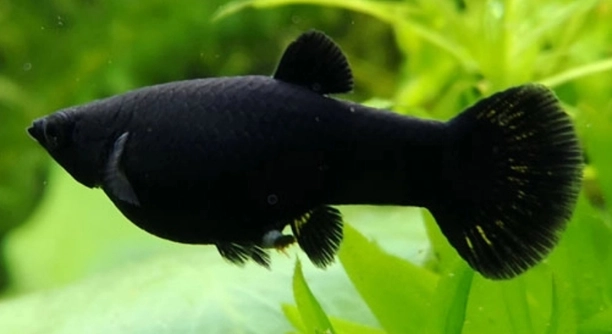
Black Mollies are small, peaceful fish that brighten any freshwater aquarium. Feeding them properly is essential for their health, growth, and vibrant colors. Choosing the right foods ensures they stay active and happy in their aquatic environment.
The best foods for Black Mollies include high-quality flake foods, frozen or live brine shrimp, daphnia, bloodworms, spirulina-based flakes, finely chopped vegetables, and occasional treats. Providing a varied diet supports their digestion, coloration, and overall well-being.
Learning the right feeding schedule and portion sizes will help your Black Mollies thrive while keeping your aquarium balanced and healthy for all its inhabitants.
High-Quality Flake Foods
Flake foods are a staple for Black Mollies because they are easy to digest and packed with essential nutrients. They provide proteins, fats, and vitamins that support growth and vibrant colors. When choosing flakes, look for those that list fish meal or other quality proteins as the first ingredient. Avoid low-quality flakes with excessive fillers like wheat or corn, as they offer little nutritional value. Feeding flakes in small amounts two to three times a day helps prevent overfeeding and maintains water quality. Over time, you may notice your Mollies swimming actively and displaying more vibrant fins. Rotating different brands occasionally can provide a broader range of nutrients. Flakes can be the base of their diet while supplements like vegetables or frozen foods enhance variety. Consistency is important, but small changes help ensure they get a balanced diet. Observing their eating habits helps determine if portions are right.
Flake foods are convenient and reliable for daily feeding. They support overall health and help maintain vibrant coloration in Black Mollies.
In addition to nutrition, flakes also encourage social feeding behaviors. Black Mollies tend to gather at the surface to eat flakes, creating a lively aquarium atmosphere. They can coexist with other peaceful fish, and flakes ensure everyone gets their share. Using a small spoon or feeding ring can reduce waste and prevent flakes from dispersing too quickly. If flakes are left uneaten for more than a few minutes, remove them to avoid water contamination. Pairing flakes with occasional live or frozen foods enriches their diet and prevents boredom. For young mollies, crush flakes into smaller pieces to make them easier to eat. Proper storage of flake foods in a cool, dry place preserves nutrients and prevents spoilage. Over time, observing the Mollies’ health and color intensity can guide adjustments in feeding routines. With consistent care, flake foods form the reliable foundation of a healthy Black Molly diet.
Frozen or Live Brine Shrimp
Frozen or live brine shrimp are excellent protein sources for Black Mollies. They help boost growth and enhance their natural coloration. Feeding small portions two to three times weekly keeps your fish healthy and active.
Brine shrimp are rich in nutrients and mimic natural prey, stimulating hunting behavior. They are easy to digest and complement a flake-based diet.
Using frozen or live brine shrimp adds variety and excitement to your Mollies’ meals. Live shrimp encourage natural foraging and improve activity levels, while frozen shrimp provide convenience and long-term storage. Always rinse frozen shrimp before feeding to remove excess ice and preservatives. Introduce them gradually if your Mollies are new to this diet. Small portions prevent overfeeding and water contamination, ensuring a clean tank. Pairing shrimp with flakes or spirulina-based foods gives balanced nutrition. Observing how quickly Mollies eat can help you adjust portions. Over time, this addition can enhance fin development and body shape, making your aquarium more visually appealing. Keeping a variety of protein sources in rotation strengthens immune systems and reduces the risk of nutritional deficiencies.
Do you want me to continue with the next foods on the list in the same format?
Daphnia
Daphnia are small, freshwater crustaceans that serve as a great natural food for Black Mollies. They are high in protein and help with digestion. Feeding them once or twice a week supports growth and keeps your fish active and healthy in the tank.
Daphnia provide a lively food option that encourages Mollies to forage naturally. Their movement stimulates the fish, which promotes exercise and helps maintain a healthy metabolism. They also contribute to clear water because Mollies tend to eat them quickly. Offering daphnia in small amounts prevents leftover food from polluting the tank. Combining daphnia with flakes or vegetables ensures a well-rounded diet, supporting immune function and overall vitality. Observing feeding patterns helps adjust portions and timing effectively, ensuring each fish gets enough.
Including daphnia in meals adds variety and prevents dietary monotony. It enhances natural instincts and keeps Mollies engaged, active, and visually vibrant. Feeding consistently ensures they benefit fully from these nutritional boosts.
Bloodworms
Bloodworms are a rich protein source that helps maintain muscle development and energy levels in Black Mollies. They can be fed frozen or live, and small portions prevent overfeeding and water contamination.
Regularly offering bloodworms encourages natural hunting behavior and improves color intensity. They are easy to digest and highly nutritious, supporting growth and vitality. Feeding once or twice a week is sufficient. Bloodworms complement staple foods like flakes or spirulina flakes, ensuring a balanced diet. Overfeeding can lead to poor water quality, so moderation is key. Rotating bloodworms with other protein sources like brine shrimp or daphnia reduces the risk of nutritional gaps. These treats are particularly beneficial for young or pregnant Mollies, providing extra protein when needed. Observing fish responses helps refine feeding schedules and portion sizes.
Using bloodworms strategically keeps your Mollies healthy while maintaining an active and dynamic aquarium environment. Their bright colors and movement make feeding times more engaging for the fish.
Spirulina-Based Flakes
Spirulina flakes are rich in plant protein and natural pigments that enhance Black Mollies’ coloration. They support digestion and overall health. Including these flakes in the diet a few times a week helps maintain vibrant fins and strengthens the immune system.
These flakes are particularly beneficial for algae-eating behavior. Mollies enjoy the taste, and the nutrients support both growth and energy. Regular feeding can improve overall vitality while keeping them active and healthy in the aquarium environment.
Finely Chopped Vegetables
Vegetables like spinach, zucchini, and peas provide essential fiber and vitamins. They aid digestion and prevent constipation in Black Mollies. Feeding small portions two to three times weekly ensures a balanced diet and promotes healthy growth.
Occasional Treats
Occasional treats like tiny fruit pieces or special fish snacks can add variety. They should be offered sparingly to prevent overfeeding and maintain water quality. Treats complement regular meals without replacing staple foods.
FAQ
How often should I feed my Black Mollies?
Black Mollies should be fed small portions two to three times per day. Overfeeding can lead to poor water quality and health problems, so it’s better to give them less food more frequently. Observing how quickly they eat will help adjust portion sizes appropriately.
Can Black Mollies eat only flake foods?
Flake foods can serve as the primary diet because they provide essential nutrients, but relying solely on flakes is not ideal. Including protein-rich foods like brine shrimp, bloodworms, or daphnia ensures balanced nutrition and supports proper growth and coloration.
Are live foods necessary for Black Mollies?
Live foods are not strictly necessary but are highly beneficial. They stimulate natural foraging behavior, encourage activity, and provide high-quality protein. Feeding live or frozen foods occasionally improves overall health and adds variety, preventing boredom in their diet.
What vegetables can Black Mollies eat?
Small, finely chopped vegetables like spinach, zucchini, peas, and cucumber are safe and beneficial. These vegetables provide fiber to aid digestion and essential vitamins. It’s best to blanch or soften harder vegetables to make them easier to eat.
Can Black Mollies eat fruit?
Occasional tiny pieces of soft fruits like melon or orange can be offered as treats. They provide small amounts of vitamins but should not replace staple foods. Treats must be given sparingly to prevent overfeeding and water contamination.
How do I prevent overfeeding?
Feed only what your Mollies can consume in 2-3 minutes. Remove uneaten food promptly to maintain water quality. Consistent monitoring and portion control prevent obesity, digestive issues, and ammonia spikes in the tank.
Do Black Mollies require different foods at different life stages?
Young Mollies benefit from finely crushed flakes and small live foods to support growth. Adults can handle larger flakes and occasional treats. Pregnant females may require extra protein, such as brine shrimp or bloodworms, to maintain health.
Can Black Mollies eat algae?
Yes, they naturally graze on algae in the tank. Algae provide fiber and trace nutrients. Supplementing with spirulina flakes or vegetables ensures they receive a more complete diet.
Is it okay to mix frozen and live foods?
Yes, mixing frozen and live foods provides variety and balanced nutrition. Frozen foods are convenient and safe, while live foods encourage natural foraging and activity. Rotate them regularly to avoid nutrient gaps.
How much protein do Black Mollies need?
Protein is essential for growth, coloration, and energy. A diet containing around 30–35% protein is ideal for adult Mollies, while young or breeding fish may require slightly higher levels. Balance with vegetables and flakes for complete nutrition.
Can I feed Black Mollies flake and frozen foods together?
Yes, combining flake foods with frozen or live protein sources creates a balanced diet. Flakes provide daily nutrition, while protein foods boost growth, coloration, and activity. Offer in small portions to avoid water pollution.
Are there foods Black Mollies should avoid?
Avoid foods high in fillers, such as low-quality flakes with excess wheat or corn. Also, never feed processed human foods, large fruits, or fatty meats. These can harm digestion, water quality, and overall health.
How can I tell if my Black Mollies are getting enough food?
Healthy Mollies are active, swim energetically, and maintain bright coloration. They eat quickly but not greedily. If they appear thin, lethargic, or lose color, it may indicate insufficient nutrition. Adjust portions and variety accordingly.
Can Black Mollies survive on frozen foods alone?
They can survive, but frozen foods alone do not provide all necessary nutrients. A combination of flakes, vegetables, and occasional frozen or live foods ensures a balanced diet and long-term health.
What is the best feeding routine for a community tank with Black Mollies?
Feed small amounts multiple times a day. Use a mix of flakes and protein sources. Observe all fish to ensure everyone eats. Remove leftovers promptly to maintain water quality and prevent conflicts or starvation.
How long can I leave food in the tank?
Uneaten food should be removed after 2–3 minutes. Leaving food longer can decay, increase ammonia levels, and harm water quality, which negatively affects Mollies and other tank inhabitants.
Do Black Mollies prefer live or frozen foods?
Preferences vary, but many enjoy live foods because they move, stimulating natural hunting behavior. Frozen foods are convenient, safe, and still nutritious. Rotating between both provides variety and promotes a healthier diet.
Can overfeeding cause health problems?
Yes, overfeeding can lead to obesity, bloating, swim bladder issues, and poor water quality. Moderation is key, along with regular observation to ensure proper feeding habits.
How do I prepare vegetables for Black Mollies?
Blanch hard vegetables like zucchini or peas for a few seconds to soften them. Chop finely to prevent choking. Soft leafy vegetables like spinach can be offered raw, washed, and cut into small portions.
Can Black Mollies live on a vegetarian diet?
A strictly vegetarian diet is not recommended. While vegetables provide fiber and vitamins, Black Mollies need protein from animal sources to maintain color, growth, and energy. Balance with flakes or occasional live/frozen foods for optimal health.
How can I introduce new foods to Black Mollies?
Start with small portions and observe reactions. Crush flakes or thaw frozen foods if needed. Gradually add variety to prevent digestive upset. Patience helps Mollies accept new foods and enjoy a balanced diet.
Are there special foods for breeding Black Mollies?
High-protein foods like brine shrimp, bloodworms, and daphnia support reproductive health. Feeding small portions multiple times daily helps pregnant females maintain energy and develop healthy fry. Balance with flakes and vegetables to avoid overfeeding.
What is the best way to store fish foods?
Keep flake, frozen, and dried foods in a cool, dry place, away from sunlight and moisture. Frozen foods should be kept sealed and used promptly. Proper storage preserves nutrients and prevents spoilage.
How do I make sure all Mollies get enough food?
Feed small portions in multiple locations. Rotate feeding spots and observe fish behavior. Remove leftovers to prevent dominant fish from eating all food. Variety and attention ensure every fish receives proper nutrition.
Can feeding affect Black Mollies’ color?
Yes, high-quality protein, spirulina flakes, and carotenoid-rich foods like brine shrimp or bloodworms enhance natural coloration. Balanced nutrition supports vibrant fins and overall health, making the fish more visually appealing.
How long can Black Mollies go without food?
They can survive a few days without food, but long-term fasting can cause stress, weaken immunity, and affect growth. Regular, balanced feeding is crucial for their health and longevity.
Can Black Mollies eat flakes from other fish?
Yes, they can eat flakes designed for other tropical fish if the nutritional content is suitable. Ensure the protein and vitamin content meets their needs for optimal health.
What is the best portion size for Black Mollies?
Feed amounts they can consume in 2–3 minutes. For a small group, this is typically a pinch of flakes or a few frozen/live items per feeding. Adjust based on tank population and fish size.
How do I know if my Black Mollies like a new food?
They will actively swim toward the food, eat eagerly, and remain energetic. Hesitation or ignoring the food may indicate dislike, unfamiliarity, or digestive issues. Introduce gradually to encourage acceptance.
Can feeding habits affect tank cleanliness?
Yes, leftover food increases ammonia and nitrate levels, leading to poor water quality. Proper portions, prompt removal of uneaten food, and routine cleaning help maintain a healthy aquarium.
What foods help Black Mollies stay active?
Protein-rich foods like brine shrimp, bloodworms, and daphnia provide energy. Spirulina flakes and vegetables also support digestion and vitality, keeping Mollies swimming actively throughout the day.
Are processed fish snacks necessary?
Not necessary, but they can be used occasionally to provide variety. They should not replace staple foods, as they are typically less nutritionally complete than flakes, vegetables, or live/frozen proteins.
Can feeding affect Black Mollies’ lifespan?
Yes, a balanced diet with proper nutrition, portion control, and variety supports long-term health, growth, and immunity, ultimately contributing to a longer, healthier life.
How do I combine different foods in one feeding?
Offer small amounts of each type to prevent overfeeding. Start with flakes, then add protein or vegetables. Monitor consumption and remove leftovers. This ensures balanced nutrition and prevents tank pollution.
Do Black Mollies eat at the top or bottom of the tank?
They are primarily mid- to top-level feeders. Flakes and floating foods are ideal, while sinking foods can be eaten if they reach the middle layer. Adjust feeding methods to suit their natural behavior.
Can feeding schedules vary by season?
Yes, slightly reducing feeding in cooler months can prevent slower digestion and water quality issues. In warmer months, regular feeding supports activity and growth. Observation helps maintain proper feeding year-round.
How do I feed a large group of Black Mollies?
Distribute food in multiple spots to prevent competition. Use a combination of flakes, vegetables, and protein sources. Small, frequent meals help all fish get enough without overcrowding or overfeeding.
Can Black Mollies eat homemade fish food?
Yes, homemade blends of vegetables, protein, and spirulina can work if balanced properly. Ensure ingredients are safe, chopped finely, and offered in moderation to prevent spoilage.
How long does it take for Black Mollies to finish a meal?
Typically 2–3 minutes for small portions. Observing this helps determine proper amounts and prevents leftover food from polluting the tank.
Do pregnant Black Mollies need special feeding?
Pregnant females benefit from high-protein foods like brine shrimp or bloodworms. Small, frequent feedings support growth of fry and maternal health without overloading the tank.
How do I reduce waste when feeding?
Feed small portions, use feeding rings or spoons, and remove uneaten food promptly. Rotating food types and observing eating behavior helps minimize leftovers.
Can Black Mollies become picky eaters?
Yes, sudden changes or poor-quality foods can lead to selectiveness. Introduce new foods gradually and maintain variety to prevent boredom and ensure balanced nutrition.
Are there signs of malnutrition in Black Mollies?
Signs include dull color, slow swimming, thin bodies, or poor fin development. Adjusting diet, adding protein sources, and observing feeding habits can correct deficiencies.
Can overfeeding cause algae growth?
Yes, uneaten food decomposes and adds nutrients to water, encouraging algae blooms. Proper portion control and prompt removal help maintain clean water.
How do I rotate foods effectively?
Alternate between flakes, protein sources, vegetables, and occasional treats. Rotating foods provides variety, reduces nutritional gaps, and keeps Mollies engaged in feeding.
Are there foods to avoid during breeding?
Avoid high-fat or heavily processed foods. Stick to protein-rich options, vegetables, and flakes. Balanced nutrition supports fry development and maternal health without affecting water quality.
Can Black Mollies eat frozen vegetables?
Yes, frozen vegetables like peas or zucchini can be thawed and fed. They retain nutrients and provide fiber, aiding digestion. Small portions are sufficient.
Is it okay to feed the same food every day?
Feeding the same food daily can lead to nutrient deficiencies. Variety in protein, flakes, and vegetables ensures balanced nutrition and supports overall health.
How do I tell if frozen foods are safe?
Check packaging for expiration dates and storage instructions. Avoid foods with ice crystals or discoloration. Proper thawing before feeding prevents digestive issues and maintains water quality.
Can feeding affect behavior?
Yes, varied and nutritious foods encourage activity, natural foraging, and social behavior. Poor diet can lead to lethargy, aggression, or slow growth.
What is the best combination for a daily diet?
A mix of high-quality flakes, small portions of protein like brine shrimp or bloodworms, and occasional vegetables ensures proper nutrition, energy, and healthy coloration.
Do Black Mollies need supplements?
Not usually if they receive a balanced diet. Occasionally, vitamins or spirulina flakes can support color and health, but overuse is unnecessary.
Can feeding times impact water quality?
Yes, feeding too much or too infrequently can lead to waste accumulation and ammonia spikes. Small, consistent portions maintain a clean and healthy tank.
Are there foods to improve longevity?
Balanced diets with high-quality protein, vegetables, and flakes, combined with controlled portions and variety, support long-term health, immunity, and lifespan.
How do I prevent digestive issues?
Feed small portions, provide fiber through vegetables, and rotate protein sources. Avoid overfeeding and ensure clean water to reduce bloating, constipation, and other digestive problems.
Can Black Mollies eat frozen bloodworms?
Yes, frozen bloodworms are safe and nutritious. Thaw before feeding and provide small amounts to prevent overfeeding and maintain water quality.
Are there foods to avoid for fry?
Fry require very small, easily digestible foods like crushed flakes, infusoria, or baby brine shrimp. Avoid large particles or dense foods that they cannot consume.
How do I adjust feeding for water temperature?
In cooler water, digestion slows, so reduce feeding frequency and portions. In warmer water, increase slightly to match higher metabolism while avoiding overfeeding.
What is the best way to introduce frozen foods?
Thaw completely and rinse if needed. Offer in small amounts to observe acceptance and prevent water contamination. Gradually increase portion if well-received.
Can feeding affect fin health?
Yes, balanced protein and vitamins support strong, vibrant fins. Poor nutrition or overfeeding can cause fin deterioration or sluggish growth.
Do Black Mollies eat sinking foods?
They primarily feed near the surface, but they will eat sinking foods if accessible. Monitor to ensure all fish get food and prevent waste accumulation.
How do I encourage picky Mollies to eat vegetables?
Blanch, chop finely, or mix with flakes. Gradually introduce small amounts alongside preferred foods to encourage acceptance and provide fiber.
Are there signs of overfeeding?
Signs include bloating, slow swimming, uneaten food in the tank, and poor water quality. Reduce portions and observe behavior to correct.
Can feeding times affect breeding success?
Consistent feeding with protein-rich foods supports reproductive health and fry development. Irregular feeding can stress adults and reduce spawning success.
Do Black Mollies need different diets in a community tank?
Yes, ensure all fish get balanced nutrition by distributing food in multiple locations and offering a mix of flakes, protein, and vegetables suitable for all species.
Can I feed flakes at night?
Feeding in the evening is okay, but ensure portions are small and uneaten food is removed. Overfeeding before nightfall can degrade water quality.
Are there signs of underfeeding?
Signs include thin bodies, dull colors, slow growth, and reduced activity. Adjust portion sizes and variety to meet nutritional needs.
Can feeding habits prevent disease?
Proper feeding supports immune health, digestion, and energy. A balanced, varied diet reduces stress and susceptibility to illness.
How do I balance protein and vegetables?
Provide protein a few times a week and vegetables 2–3 times weekly. Combine with flakes for daily nutrition. Monitor fish health to adjust balance.
Can feeding affect coloration over time?
Yes, carotenoid-rich foods, spirulina flakes, and protein sources enhance natural colors. Balanced nutrition prevents dulling and supports vibrant fins.
Is it okay to fast Black Mollies occasionally?
Occasional fasting for one day is safe and can help prevent overfeeding. Never extend fasting beyond a few days, as it may stress the fish.
Can Black Mollies eat freeze-dried foods?
Yes, freeze-dried foods like bloodworms or daphnia are convenient. Rehydrate before feeding to improve digestibility and prevent bloating.
Do feeding methods affect aggression?
Yes, proper portioning and spreading food across the tank reduce competition and aggression, ensuring all fish receive adequate nutrition.
Can feeding times be inconsistent?
Consistency is better, but minor variations are acceptable. Feeding at roughly the same times daily supports digestion and predictable behavior.
How do I handle new types of frozen foods?
Thaw completely, rinse if needed, and offer in small amounts. Observe reactions before increasing portion or frequency. Gradual introduction prevents digestive upset.
Are high-fat foods safe for Black Mollies?
Occasional high-fat treats like certain bloodworms are fine in small amounts, but overuse can lead to obesity and water quality issues.
Can Black Mollies survive on vegetarian flakes alone?
Vegetarian flakes alone do not provide enough protein for growth and coloration. Balance with animal protein sources to ensure proper nutrition.
What is the best way to feed pregnant females?
Offer small, frequent meals with protein-rich foods. Include flakes and vegetables to maintain health without overloading the tank. Monitor closely for overfeeding signs.
Do frozen foods lose nutrients over time?
Yes, prolonged storage or repeated thawing can reduce nutritional value. Keep frozen foods sealed and use promptly to maintain benefits.
How do I encourage all fish to eat in a group tank?
Feed small portions in multiple spots. Observe fish and adjust distribution to ensure every individual gets sufficient nutrition without overfeeding dominant fish.
Are there risks with feeding live foods?
Live foods can introduce parasites or bacteria if not sourced safely. Use reputable suppliers and quarantine if necessary to prevent disease.
Can feeding schedules change as Mollies age?
Yes, young fish need smaller, more frequent meals. Adults require moderate portions. Adjust frequency and quantity to support growth and maintain health.
Can overfeeding affect breeding?
Overfeeding can stress adults, degrade water quality, and reduce spawning success. Controlled feeding with proper portions promotes reproductive health.
Do Black Mollies need supplements if fed varied foods?
No, a balanced diet with flakes, protein, and vegetables usually provides all necessary nutrients. Supplements are optional for enhancing color or during special conditions.
Can feeding affect activity levels?
Yes, high-quality food supports energy, encouraging swimming and exploration. Poor or insufficient nutrition leads to lethargy and reduced activity.
How can I tell if they like a new vegetable?
They will nibble actively and finish the portion quickly. Hesitation or ignoring the food suggests unfamiliarity or dislike, which can improve over gradual introduction.
Are there foods to improve fry survival?
Small, protein-rich foods like infusoria, baby brine shrimp, and finely crushed flakes support fry growth. Fresh vegetables provide fiber, aiding digestion for young fish.
How do I balance feeding with tank maintenance?
Feed
Black Mollies are beautiful and active fish that bring life to any freshwater aquarium. Feeding them the right foods is essential for keeping them healthy, colorful, and energetic. A balanced diet includes a mix of high-quality flakes, protein-rich foods like brine shrimp, bloodworms, and daphnia, as well as vegetables such as spinach, peas, and zucchini. Flakes can serve as a daily staple, providing essential vitamins and proteins, while protein foods help with growth, coloration, and activity. Vegetables add fiber, supporting digestion and overall health. Including occasional treats in small amounts can provide variety without compromising their main diet. Offering a variety of foods prevents monotony and ensures that the fish receive all the nutrients they need to thrive.
Feeding habits are just as important as the types of food provided. Black Mollies do best when fed small portions two to three times a day. Overfeeding can lead to water quality issues, obesity, and digestive problems, while underfeeding may slow growth and dull their coloration. Observing how quickly they eat and adjusting portions accordingly can prevent waste and keep the aquarium clean. Frozen and live foods can be offered occasionally to mimic natural hunting behavior and stimulate activity. Vegetables should be softened or chopped into small pieces to make them easier to consume. A consistent feeding routine, combined with careful portion control, helps ensure that all fish in the tank receive enough nutrition without affecting water quality. Over time, proper feeding habits contribute to healthier, more active, and visually vibrant Mollies.
Long-term care for Black Mollies is not just about feeding the right foods but also monitoring their overall health and environment. Providing a varied and balanced diet supports strong immune systems, proper growth, and bright coloration. Regularly observing the fish helps identify signs of malnutrition, overfeeding, or illness early, allowing for quick adjustments to their diet or feeding schedule. Paying attention to their preferences, activity levels, and responses to different foods can make feeding more effective and enjoyable. Maintaining water quality, rotating foods, and offering supplements like spirulina flakes when needed ensures they get a complete nutritional profile. By combining careful feeding practices with a healthy environment, Black Mollies can live longer, remain active, and display the beautiful colors that make them such popular aquarium fish. Consistency, balance, and observation are the keys to their overall well-being and happiness in the tank.

Hello,
If you enjoy the content that we create, please consider saying a "Thank You!" by leaving a tip.
Every little bit helps us continue crafting quality advice that supports the health, happiness, and well-being of pets around the world, for pets of all shapes, sizes, and species.
We really appreciate the kindness and support that you show us!