
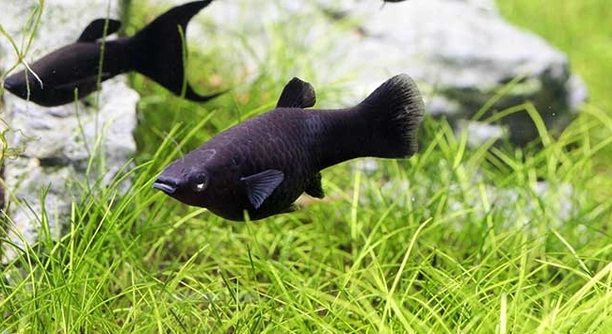
Many aquarists enjoy keeping black mollies because of their striking appearance and lively behavior. These fish often brighten home aquariums, making them a favorite choice among both beginners and experienced hobbyists alike.
Black mollies often attack other fish due to territorial behavior, stress, overcrowding, or incompatible tank mates. Environmental factors like poor water quality and lack of hiding spaces can also trigger aggression in otherwise peaceful mollies.
Learning how to manage tank conditions and social dynamics can help reduce aggression and create a more peaceful aquarium environment for all your fish.
Understanding Black Molly Aggression
Black mollies may become aggressive for several reasons, many of which are linked to their environment and social structure. Overcrowding is a common cause. When too many fish are kept in a small tank, mollies can feel threatened and display territorial behavior. Stress from sudden changes in water temperature, pH, or hardness can also make mollies more irritable, leading them to chase or nip at other fish. Sometimes aggression is a sign that your molly is not compatible with its tank mates. For example, slower or smaller fish may be seen as easy targets. Providing hiding spots and plants can reduce conflicts, giving stressed fish places to retreat. Male mollies, in particular, are prone to dominance displays, which can include chasing and biting. Observing their behavior carefully can help identify patterns of aggression and make necessary adjustments to tank conditions or social groupings. Consistency in care is key to maintaining harmony.
Black mollies also act aggressively when they compete for food, especially if feeding is uneven or rushed.
Maintaining proper tank size and water quality, along with balanced feeding routines, helps mollies feel secure. Adjusting the ratio of males to females can reduce male competition. Selecting compatible species and monitoring behavior allows early intervention before aggression escalates. With patience, most conflicts can be minimized, creating a calmer tank.
Tank Conditions That Influence Aggression
Improper tank conditions can increase aggression in black mollies. Poor water quality, such as high ammonia or nitrate levels, stresses fish, making them more likely to attack others.
Maintaining stable water parameters is crucial for black mollies to feel comfortable. A minimum tank size of 20 gallons for a small group allows space for swimming and establishing territories. Adding live plants, rocks, or decorations creates hiding places and reduces visual stress. Consistent water changes prevent buildup of harmful chemicals that can heighten irritability. Temperature stability is also important, as sudden fluctuations can trigger aggressive behavior. Overcrowding amplifies all these issues, so monitoring fish numbers is vital. Feeding should be done evenly, with attention to all fish, to prevent food-related disputes. Observing interactions regularly allows adjustments before aggression causes injury. Ultimately, a well-maintained tank with thoughtful social planning ensures mollies display natural, peaceful behaviors, making the aquarium enjoyable for both the fish and the caretaker.
Choosing Compatible Tank Mates
Black mollies are peaceful with some species but can be aggressive toward smaller or slower fish. Avoid keeping them with tiny tetras or guppies that may be nipped.
Careful selection of tank mates is key to reducing fights. Mollies do well with other livebearers like platies and swordtails, which have similar temperaments. Avoid mixing them with aggressive cichlids or fin-nipping species, as this can increase stress and provoke retaliation. Observing initial interactions helps gauge compatibility. If signs of constant chasing appear, separating fish may be necessary. Providing space and hiding spots allows shy fish to escape unwanted attention, balancing the tank’s social environment.
Maintaining groups with a proper male-to-female ratio also helps. Too many males can increase competition and aggression, while a well-balanced mix reduces stress. Mollies feel more secure when they can interact naturally without constant confrontations. Slow acclimation of new fish is important to prevent territorial disputes. Regular monitoring ensures that any aggression is addressed before it escalates.
Feeding and Its Role in Aggression
Uneven feeding can trigger aggression among black mollies. Dominant fish may chase others away from food, causing stress.
Feeding multiple small portions throughout the day reduces competition. Using sinking pellets and floating flakes ensures all fish get access to food. Overfeeding can also increase aggression, as excess food fouls the water and stresses fish. Monitor eating behavior and adjust quantities accordingly. Some mollies become more aggressive when they feel underfed, so consistent feeding times help maintain calm interactions. Observation during feeding can highlight which fish are being bullied or excluded.
Proper nutrition supports overall health and reduces irritability. Balanced diets with protein and vegetable content keep mollies energetic but less prone to aggression. Providing variety with occasional live or frozen foods enriches their environment and distracts from fighting. Feeding in different tank areas prevents dominant fish from controlling all food sources, ensuring everyone gets a share. Regular attention to feeding routines strengthens peaceful behavior and minimizes conflict, keeping the tank harmonious for all species involved.
Reducing Stress in Black Mollies
Stress increases aggression in black mollies. Overcrowded tanks, sudden changes in water, and lack of hiding spots can make them chase or nip other fish.
Providing plants, rocks, and decorations allows mollies to retreat. Stable water conditions and a consistent routine help them feel secure and less likely to act aggressively.
Monitoring Behavior Closely
Regular observation helps catch aggression early. Noticing chasing, fin-nipping, or hiding patterns allows quick action to prevent injuries.
Identifying which fish are instigators or victims can guide adjustments to tank layout, feeding, or social groupings. Recording behaviors over time provides insight into triggers and helps maintain a calmer environment for all fish.
Adjusting Aquarium Layout
Changing tank layout can reduce territorial disputes. Rearranging decorations and adding new hiding spots breaks established territories.
Mollies feel less stressed when they can explore freely without constant confrontation. Moving plants or rocks occasionally refreshes the environment, discouraging repeated aggression and promoting peaceful coexistence.
FAQ
Why is my black molly chasing my other fish?
Black mollies often chase other fish due to territorial instincts or stress. Overcrowded tanks, poor water quality, or incompatible tank mates can trigger this behavior. Male mollies are naturally more territorial, especially when competing for females, which can lead to frequent chasing incidents.
Can a black molly kill other fish?
Yes, while rare, aggressive black mollies can injure or even kill smaller or weaker fish. Continuous fin-nipping can lead to infections, exhaustion, or stress-related illness in the targeted fish. Addressing aggression quickly is important to prevent serious harm.
Does tank size affect molly aggression?
Absolutely. Small tanks increase stress and territorial disputes among mollies. A minimum of 20 gallons is recommended for a small group, with additional space for each added fish. Larger tanks reduce stress and provide room for natural behaviors, minimizing aggression.
How many black mollies should I keep together?
Keeping more than one male with a few females works best. Ideally, a ratio of one male to two or three females reduces male-on-male competition. Overcrowding or too many males can escalate aggression significantly.
Will rearranging decorations help reduce aggression?
Yes, changing tank layout can break established territories. Adding plants, rocks, or caves provides hiding spots for stressed or smaller fish. Rotating decorations occasionally helps prevent repetitive aggression and allows all fish to establish safe zones.
Does diet influence molly aggression?
Feeding routines can affect behavior. Uneven feeding or underfeeding can make dominant fish more aggressive toward others. Providing multiple feeding spots, balanced nutrition, and occasional live or frozen foods ensures all fish are fed, reducing food-related disputes.
Can black mollies live with other species peacefully?
Yes, with careful selection. Mollies do well with other livebearers like platies or swordtails. Avoid fin-nippers or very small species that may be targeted. Introducing new fish slowly and monitoring interactions helps maintain harmony in the tank.
How can I tell if aggression is stress-related?
Stress-related aggression often appears after environmental changes, like water fluctuations, overcrowding, or poor quality. Fish may chase, nip, or hide more than usual. Observing patterns after adjustments in tank conditions can confirm if stress is the cause.
Should I separate aggressive mollies?
Sometimes separation is necessary, especially if aggression results in injury. Isolating a particularly aggressive molly or providing additional hiding spots for victims can restore peace. Temporary separation allows fish to calm down and reduces continuous stress.
What long-term steps prevent aggression in black mollies?
Maintaining stable water parameters, proper tank size, balanced feeding, and careful social planning prevents most aggression. Regular observation and adjusting group ratios or layouts as needed ensures a calm, healthy aquarium environment for all fish over time.
How can I reduce male aggression in my tank?
Reducing male aggression involves keeping more females than males, providing hiding spots, and monitoring interactions. Avoiding overcrowding and introducing compatible species helps males focus less on dominance and more on normal swimming and feeding behaviors.
Are black mollies naturally aggressive?
They are not inherently aggressive but can display dominance behaviors under certain conditions. Stress, territorial instincts, or competition can make them act aggressively. Addressing environmental and social factors usually reduces these behaviors significantly.
Is water quality a major factor in aggression?
Yes, poor water quality increases stress and irritability in mollies. Maintaining stable pH, temperature, and low nitrate or ammonia levels is crucial. Regular water changes and filtration keep fish healthy and calm.
How long does it take for aggressive behavior to subside?
It varies. With proper adjustments to tank size, group ratios, feeding, and hiding spots, aggression can decrease within days to weeks. Consistent care and monitoring are key to achieving a stable, peaceful environment.
Can molly aggression affect reproduction?
Yes, excessive stress from aggression can reduce breeding success. Males chasing females or injuring them can prevent mating, while stressed fish may produce fewer or weaker fry. Providing a calm environment improves reproductive outcomes naturally.
What signs indicate that my molly is stressed or aggressive?
Signs include chasing, fin-nipping, hiding, rapid gill movement, or unusual swimming patterns. Persistent aggression toward certain fish or sudden changes in behavior often indicate stress or environmental issues that need correction.
Can adding plants help calm aggressive mollies?
Yes, live or artificial plants create hiding spaces and visual barriers, reducing confrontations. Plants give shy fish places to escape and allow aggressive fish to establish territories without constant direct contact, improving overall tank harmony.
Is male-to-female ratio the most important factor in aggression?
It is one of the most important factors. Too many males increase competition and dominance fights. Maintaining one male per two or three females usually reduces male aggression and promotes a peaceful group dynamic.
How often should I monitor interactions?
Daily observation is recommended, especially after introducing new fish or making tank changes. Regular monitoring helps identify aggression early, allowing quick intervention before injuries or stress affect the fish’s health.
Are there any quick fixes for aggressive mollies?
Temporary solutions include adding hiding spots, separating aggressive fish, or adjusting feeding practices. Long-term fixes require stable tank conditions, proper group ratios, and compatible tank mates to prevent aggression from recurring consistently.
Black mollies are beautiful and lively fish, but their occasional aggression can be challenging for aquarists. Understanding why your black molly attacks other fish is the first step in creating a calm aquarium. Aggression is rarely random; it usually comes from environmental stress, overcrowding, or incompatible tank mates. By paying close attention to your fish and their surroundings, you can spot the signs early and take action before any serious injuries occur. Watching their behavior carefully and noting when chasing or fin-nipping happens can give important clues about what might be causing the aggression.
Tank conditions play a major role in how mollies behave. Stable water parameters, including consistent temperature, pH, and low ammonia or nitrate levels, help reduce stress and aggressive tendencies. Overcrowded or poorly maintained tanks tend to make mollies more irritable and territorial. Providing enough space, hiding spots, and decorations allows fish to establish personal zones, making them feel safer. Feeding routines also affect their behavior. Uneven feeding or underfeeding can trigger chasing and fighting, while multiple feeding areas and balanced nutrition help ensure all fish get what they need without unnecessary competition. Simple steps like these often make a big difference in the overall mood of the tank.
The social structure in your aquarium is equally important. Male-to-female ratios, group size, and the choice of tank mates all influence aggression levels. Male mollies tend to compete for dominance, especially when there are too few females or too many males. Choosing compatible species and keeping a healthy mix can minimize fights. Sometimes temporary separation or rearranging decorations is necessary to break established territories and reduce stress. With patience and attention, aggressive behaviors usually decrease over time. Observing your fish, maintaining stable conditions, and carefully planning social dynamics can create a peaceful, thriving environment where your black mollies and other fish can coexist comfortably, allowing you to enjoy a beautiful and lively aquarium.

Hello,
If you enjoy the content that we create, please consider saying a "Thank You!" by leaving a tip.
Every little bit helps us continue crafting quality advice that supports the health, happiness, and well-being of pets around the world, for pets of all shapes, sizes, and species.
We really appreciate the kindness and support that you show us!