
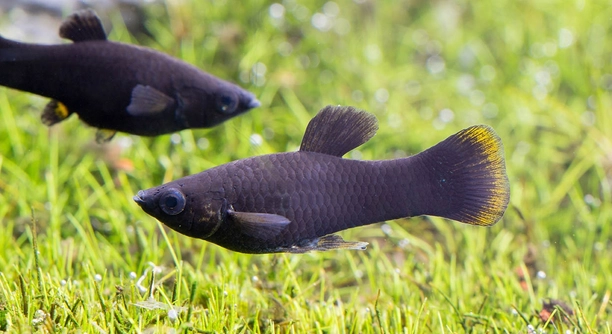
Are your black mollies swimming quietly while one of them shows a tail that looks tightly held together? This introduction explores what might be affecting its comfort and helps you understand what could be happening.
A clamped tail in a black molly typically indicates stress from poor water quality, abrupt parameter changes, or illness. This response shows the fish conserving energy and reacting to environmental strain, emphasizing the need for prompt evaluation and improvement measures.
Understanding these signs will guide you toward creating a healthier environment for your molly, offering clarity as you continue exploring.
Possible Reasons Behind a Clamped Tail
A clamped tail in a black molly often develops when the environment becomes uncomfortable or unstable. This condition can appear when water parameters shift too quickly or when ammonia and nitrite levels rise beyond safe limits. A molly may also react this way if tank mates behave aggressively or if its diet lacks variety and essential nutrients. Even small changes, like a sudden temperature drop, can create enough stress to affect its posture. Parasites or infections may also contribute, especially when combined with weakened immunity. Paying attention to these early signs helps protect your molly’s well-being and prevents further issues from developing, allowing you to maintain a more peaceful aquarium.
Environmental and health factors play a strong role in creating this behavior, so understanding them helps you support your molly in a calm and consistent way.
The more you learn about these triggers, the easier it becomes to identify what needs improvement and what can be adjusted to support your fish.
How To Help Your Black Molly Recover
Supporting a black molly with a clamped tail involves careful, steady steps meant to restore comfort and stability. Clean water is the foundation, so testing your parameters and correcting any imbalance is essential. Maintaining regular water changes prevents lingering stress.
Once water quality is stable, give your molly a peaceful environment with gentle tank mates and predictable conditions. Adjust temperature slowly to avoid additional stress. If you notice signs of illness, consider medicating with products designed for common aquarium infections and parasites. Keep feeding simple but nutritious, offering high quality flakes, vegetables and occasional protein-based options. Good nutrition strengthens the immune system and helps your molly regain energy. Consistency matters in every step you take, since frequent changes or disruptions can slow recovery. Given enough care and stable conditions, your molly often begins to relax its fins again, showing you it feels more at ease in its home.
Common Health Issues Linked to Tail Clamping
Tail clamping can appear when internal or external parasites begin affecting a molly’s comfort. These organisms irritate the fish, making it hold its tail tightly. Poor immunity and weakened health make the fish more sensitive, so addressing these concerns early helps prevent further discomfort.
Some black mollies experience clamped tails when dealing with bacterial infections that develop from poor water conditions or lingering waste. These infections can create stiffness, lethargy and changes in fin posture. Early treatment with appropriate medications and steady maintenance helps reduce symptoms. Clean water, controlled feeding and limited stress help your molly respond better to treatment while recovering gradually.
Fungal issues may also influence tail position, especially when immunity drops due to ongoing tank stress. These infections appear on weakened fish that have difficulty fighting off environmental challenges. Improving the environment, maintaining stable temperatures and using reliable antifungal products help your molly regain strength while reducing the chance of repeated flare ups.
Environmental Stress Factors
Many cases of tail clamping begin when small water changes add up, creating an uncomfortable environment. Even small spikes in toxins or sudden temperature shifts can make a molly tense its fins. Steady monitoring, consistent changes and gentle handling help support a more comfortable tank that allows the fish to relax.
Crowded tanks and incompatible tank mates create unnecessary pressure that affects your molly’s behavior. Loud surroundings, frequent disruptions and irregular feeding routines also contribute to long term stress. Reducing noise, adjusting stocking levels and offering a predictable daily schedule help your molly feel more secure. A calmer setting encourages more natural movement, steadier swimming and healthier fin posture over time, allowing your molly to regain confidence in its environment.
Water Quality Considerations
Stable water conditions prevent unnecessary fin tension in black mollies. Ammonia and nitrite should always remain at zero, and nitrate kept low. Regular testing and small, frequent water changes help prevent sudden shifts that create stress and cause a molly to clamp its tail.
Maintaining a consistent temperature supports healthier behavior. Sudden changes weaken immunity and make fish more sensitive to environmental discomfort. Using a reliable heater and monitoring the tank daily helps you keep conditions stable. This simple routine supports a more relaxed posture and encourages steady swimming.
Behavioral Signs To Observe
Watching how your molly interacts with its surroundings makes it easier to identify stress early. Fin posture, swimming patterns and response to feeding reveal important information about its comfort. Consistent observation helps you respond quickly when behavior changes or when tail clamping appears.
When To Separate Your Molly
Separating a stressed molly helps reduce pressure from tank mates while treatment begins. A calm space allows the fish to regain strength without competing for food or dealing with harassment. Steady conditions in a smaller setup support easier monitoring and smoother recovery.
FAQ
Why is my black molly tail clamped all the time?
A black molly may keep its tail clamped continuously due to stress, illness, or poor water conditions. Persistent ammonia, nitrite spikes, sudden temperature changes, or aggressive tank mates can make the fish hold its tail tightly. Observing behavior along with water testing can help identify the root cause and guide proper adjustments to improve comfort.
Can diet affect tail clamping?
Yes, a poor diet lacking essential nutrients can weaken a molly’s immunity and contribute to stress. Feeding high-quality flakes, vegetables, and occasional protein helps maintain health and encourages natural swimming behavior. Balanced nutrition supports recovery from minor infections or environmental stress.
How long does it take for a molly to recover from tail clamping?
Recovery time depends on the underlying cause. With improved water quality, stable temperatures, and proper diet, minor stress-related tail clamping can improve within a few days. If caused by illness, treatment may take one to two weeks or longer, depending on severity. Consistency in care speeds up recovery.
Should I isolate my molly if it has a clamped tail?
Isolation is sometimes helpful, especially if tank mates are aggressive or if the molly is showing signs of illness. A separate, calm environment reduces stress and allows for easier monitoring of water conditions and treatment, supporting faster recovery.
Can tail clamping be a sign of parasites?
Yes, external parasites can irritate the fish, causing clamped fins and unusual swimming patterns. Look for additional signs like rubbing against surfaces, tiny spots, or visible worms. Treatment with appropriate medications and improving tank hygiene can reduce parasite load.
Is tail clamping dangerous for my molly?
Tail clamping itself is a symptom rather than a disease. It signals that the fish is under stress or dealing with health issues. If the cause is not addressed, prolonged stress can weaken immunity and lead to further illness, making it important to act promptly.
Can sudden water changes trigger tail clamping?
Yes, rapid changes in water parameters, like temperature or pH shifts, can stress a molly. Performing gradual water changes and maintaining stable conditions helps prevent stress-related tail clamping and keeps your fish comfortable.
Will tail clamping go away on its own?
Sometimes minor stress-related tail clamping resolves with time if environmental conditions improve naturally. However, if water quality, temperature, or health issues persist, the behavior may continue or worsen. Monitoring and adjustments are usually required for consistent improvement.
What is the best water temperature for black mollies?
Black mollies thrive in stable temperatures between 75°F and 82°F (24°C–28°C). Fluctuations outside this range can cause stress and tail clamping. Using a reliable heater and checking temperatures daily supports their overall health and fin posture.
How can I prevent tail clamping in the future?
Consistent water quality, a balanced diet, stable temperatures, and peaceful tank mates are key. Observing behavior regularly, performing routine water testing, and addressing issues early reduces stress and keeps your molly active and comfortable. Maintaining these habits ensures long-term fin health.
Can overcrowding cause tail clamping?
Yes, crowded tanks increase stress and competition for food and space. High population density can lead to dominance behaviors, harassment, and limited swimming space, causing mollies to clamp their tails as a protective response. Adjusting tank size or reducing fish numbers improves behavior and fin health.
Are medications always necessary for a clamped tail?
Not always. If tail clamping is caused by stress or environmental issues, improving water quality, diet, and reducing stress can resolve the problem without medication. Medications are only needed when infections, parasites, or fungal issues are confirmed. Correct diagnosis ensures proper and safe treatment.
Can tail clamping indicate old age?
Older mollies may occasionally show tail clamping as a result of natural aging, slower movement, or declining health. While age can play a role, persistent or sudden tail clamping usually points to stress or illness rather than normal aging. Monitoring other health signs is essential.
Do tank decorations influence tail clamping?
Yes, rough or overcrowded decorations can stress mollies or restrict swimming space. Sharp edges may injure fins, causing discomfort. Providing smooth surfaces, sufficient open swimming areas, and natural hiding spots helps reduce stress and supports relaxed fin posture.
Is tail clamping linked to breeding stress?
Female mollies may show temporary tail clamping during breeding periods due to hormonal changes or harassment from males. Providing enough space and hiding spots allows them to swim comfortably and reduces tension. This behavior usually resolves once stressors are minimized.
How often should I monitor my molly’s tail posture?
Daily observation is ideal. Noticing subtle changes early helps identify stress, illness, or environmental issues before they worsen. Regular checks combined with water testing and feeding routines maintain your molly’s comfort and overall health.
Final Thoughts
Black mollies are sensitive fish that respond quickly to changes in their environment. A clamped tail is one of the most noticeable signs that something is wrong. This behavior usually points to stress, illness, or discomfort caused by water quality, temperature fluctuations, tank mates, or dietary issues. It is not just a cosmetic problem; it reflects the fish’s overall well-being. Paying attention to tail posture, swimming patterns, and general activity helps you detect problems early and take action before conditions worsen. Regular observation and care are essential in maintaining a healthy and comfortable environment for black mollies.
Water quality remains the most critical factor in preventing tail clamping. Stable temperature, proper filtration, and consistent water changes reduce the stress that often leads to fin clamping. Testing water parameters such as ammonia, nitrite, nitrate, and pH ensures that the tank remains safe for your molly. Even small fluctuations can have a noticeable effect, especially in sensitive fish. Maintaining a balanced and varied diet is equally important. Proper nutrition strengthens the immune system and helps the fish recover from minor stress or illness. Combining these factors with a calm environment and compatible tank mates supports natural behavior and reduces the likelihood of tail clamping.
Recovery from a clamped tail requires patience and attention to detail. Isolating a stressed or sick molly can be helpful, but it is only one part of a larger strategy that includes maintaining water quality, controlling temperature, and providing good nutrition. Identifying and treating any infections, parasites, or injuries early prevents more serious problems. Avoid sudden changes or unnecessary stressors, and focus on creating a stable, peaceful environment where your molly can feel safe. Over time, with consistent care, the fish will begin to relax its tail and return to normal swimming patterns. Observing small improvements and maintaining steady habits is the most effective way to ensure long-term health and comfort for your black molly.

Hello,
If you enjoy the content that we create, please consider saying a "Thank You!" by leaving a tip.
Every little bit helps us continue crafting quality advice that supports the health, happiness, and well-being of pets around the world, for pets of all shapes, sizes, and species.
We really appreciate the kindness and support that you show us!