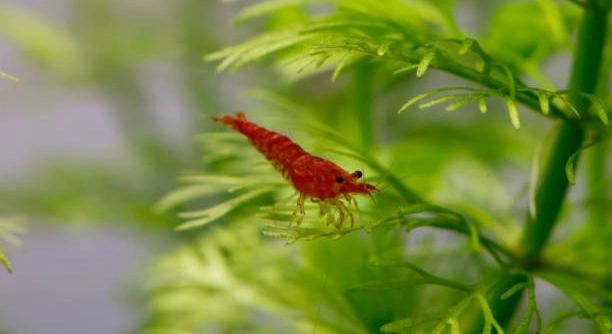
Why Is My Cherry Shrimp Always Scratching?
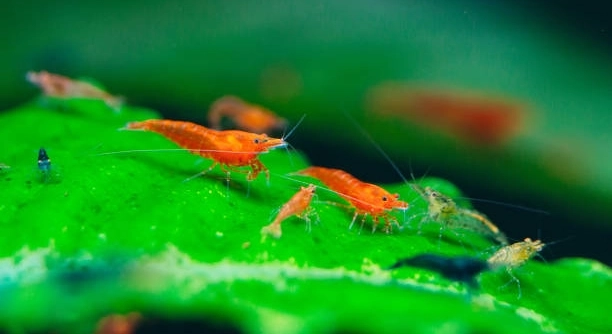
Is your cherry shrimp constantly rubbing against surfaces in the tank and leaving you worried about its well-being? Observing this behavior can be concerning for both new and experienced shrimp keepers alike. It may signal environmental or health issues. The primary reason cherry shrimp scratch themselves is due to irritation caused by parasites, water quality … Read more
7 Myths About Shrimp That Don’t Hold Up

Have you ever wondered if shrimp are really as simple as they seem when it comes to nutrition and safety? Many people assume common beliefs about shrimp are true without checking the facts behind them. Shrimp are often misunderstood due to widespread myths regarding cholesterol, sourcing, and preparation methods. Scientific research indicates that many of … Read more

Why Your Cherry Shrimp Stay in the Shadows

Are your cherry shrimp hiding in the corners of your tank, only appearing when no one is watching? Many aquarists notice these tiny creatures prefer staying in the shadows, leaving their vibrant colors largely unseen for long periods. Cherry shrimp often remain hidden due to stress, environmental factors, or natural behavior patterns. High light levels, … Read more

7 Simple Foods to Boost Shrimp Color Naturally

Shrimp are a popular choice for many home cooks and seafood enthusiasts. Their natural color can be dull at times, affecting the presentation of a dish. Simple adjustments in their diet can influence their hue over time. Feeding shrimp foods rich in carotenoids, such as krill, spirulina, and paprika, naturally enhances their coloration. Regular inclusion … Read more

7 Unexpected Shrimp Tank Problems Solved

Keeping a shrimp tank can be relaxing, but sometimes small issues quietly affect the health of your shrimp. Even with careful setup, unexpected problems may appear, making it hard to keep the tank stable and thriving. Unexpected shrimp tank problems often stem from water quality fluctuations, hidden pests, or overlooked equipment issues. Addressing these concerns … Read more

Why Are Cherry Shrimp Crawling Out of the Water?

Are your cherry shrimp leaving the safety of their aquarium and crawling onto surfaces outside the water? Observing this behavior can be surprising and a little concerning for any shrimp keeper, especially when it seems sudden or frequent. Cherry shrimp often leave the water due to poor water conditions, lack of oxygen, or stress caused … Read more

7 Reasons Your Cherry Shrimp Are Inactive

Are your cherry shrimp moving less than usual in their tank? Inactivity can be concerning for hobbyists who take pride in maintaining a vibrant and healthy shrimp community. Observing their behavior closely helps identify underlying issues. Cherry shrimp may become inactive due to a variety of environmental, dietary, and health-related factors. Common causes include poor … Read more

Why Shrimp Only Explore at Certain Times

Have you ever noticed your shrimp only leaving their hiding spots at certain times of the day? Many aquarists find this behavior puzzling, especially when their tanks seem calm and safe for exploration. Observing these patterns can be quite fascinating. Shrimp explore at specific times primarily due to their natural circadian rhythms and environmental cues. … Read more

7 Ways Shrimp Show Interest in Their Environment

Shrimp are small creatures that live in both fresh and saltwater environments. They move carefully and observe their surroundings. Their behavior can show how they respond to changes in their habitat or the presence of other animals. Shrimp show interest in their environment through specific movements and sensory behaviors. They use antennae to explore, react … Read more

Why Cherry Shrimp Might Stay Out in the Open

Cherry shrimp are small, colorful creatures that brighten up any aquarium. They are often shy, hiding among plants, but sometimes they appear out in the open, moving around and exploring their surroundings. Observing them can be quite calming. Cherry shrimp may stay out in the open due to comfortable water conditions, sufficient food availability, and … Read more