
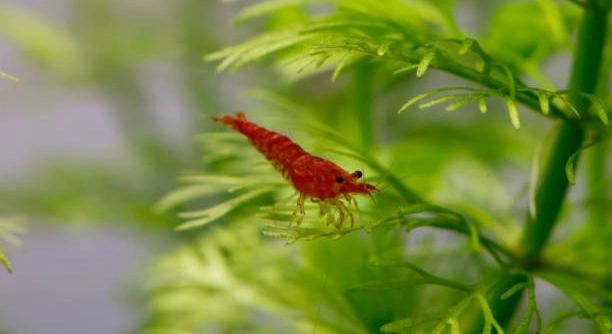
Cherry shrimp are small, colorful creatures that brighten up any aquarium. They are often shy, hiding among plants, but sometimes they appear out in the open, moving around and exploring their surroundings. Observing them can be quite calming.
Cherry shrimp may stay out in the open due to comfortable water conditions, sufficient food availability, and lack of perceived threats. These factors reduce their instinct to hide, allowing them to exhibit normal exploratory and social behaviors freely.
Watching these tiny shrimp can reveal surprising details about their habits and preferences. Understanding their behavior helps ensure a healthy and balanced tank environment for them.
Water Conditions and Their Role
The clarity and stability of water in a shrimp tank can greatly influence how comfortable cherry shrimp feel. When temperature, pH, and hardness are stable, shrimp are less stressed and more willing to venture out. In my experience, even small fluctuations in water can make them retreat immediately to hiding spots. Clean water with proper filtration also encourages them to explore because they do not have to worry about pollutants. I noticed that in tanks with gentle currents, shrimp often come to the front or middle of the tank. Plants and decorations also play a role; providing shelter nearby allows them to feel secure while being out in the open. Observing them in these conditions can be rewarding because they move more naturally, graze on biofilm, and interact with one another in ways that show confidence and comfort in their environment.
Stable water conditions promote healthier shrimp. When everything is balanced, they are more active and visible.
Good water management not only keeps cherry shrimp alive but also improves their behavior. Tanks with consistent temperature and pH reduce stress, helping shrimp maintain their natural rhythms. Oxygen levels and ammonia content must be monitored closely. Even minor changes in water hardness can affect their molting cycles. Plants and hiding spots allow them to explore safely. Observing their daily activity can indicate the tank’s overall health. Feeding routines also impact their confidence; regular but moderate feeding encourages them to leave hiding spots without risk.
Food Availability and Behavior
Cherry shrimp are more likely to be seen when food is plentiful.
Providing the right type of food at consistent times influences their willingness to explore. Shrimp graze on algae, biofilm, and small flakes, so having these accessible makes them comfortable leaving cover. I noticed that after feeding, they often move into open areas to forage, while empty tanks make them retreat. Overfeeding can also cause water quality issues, so moderation is key. Live plants help supplement their diet and give them confidence to roam. Observing feeding patterns gives insight into their personality and social structure within the tank. Ensuring food is evenly distributed prevents competition and allows even the shyest shrimp to feel safe enough to come out. Tracking these habits over time can reveal their preferences and tendencies, helping create a more balanced tank. Regular feeding routines and observation improve both health and visibility of cherry shrimp, making them a joy to watch.
Tank Mates and Safety
Cherry shrimp often stay out in the open when their tank mates are peaceful. Aggressive fish or larger creatures make them hide. I’ve seen them come forward only when the tank feels calm and secure.
Peaceful tank mates reduce stress for cherry shrimp, allowing them to explore freely. Shrimp are naturally cautious, so when other inhabitants are slow-moving or small, the shrimp gain confidence. Shrimp will often graze in open areas if they know there is no immediate threat. Fast or predatory fish can cause them to retreat even if water conditions and food are ideal. Observing their behavior with different companions shows that social balance is crucial. Over time, calm tank mates create an environment where shrimp feel safe enough to interact and move without constant fear.
The number of tank mates also matters. Overcrowding or competition for space can limit visibility and movement. Shrimp may feel trapped or stressed and stay hidden despite ideal water and food. Proper stocking levels and compatible species encourage natural behavior. Even minor changes in tank population can affect confidence, movement patterns, and social interactions. Plants and decorations also provide refuge, helping shrimp venture out safely. Monitoring shrimp behavior alongside tank mate dynamics ensures a balanced, stress-free environment.
Lighting and Visibility
Bright or harsh lighting can make cherry shrimp hide more than usual.
Lighting affects shrimp behavior because they rely on natural cycles for comfort and activity. I noticed that in tanks with soft or diffused light, shrimp are more active and visible. Sudden changes in light intensity cause stress and make them retreat quickly. Timers help maintain consistency, and indirect lighting can simulate natural conditions. Plants and decorations create shaded spots, allowing shrimp to move confidently between light and cover. Proper lighting not only showcases their colors but also supports algae growth, which serves as a food source. A stable, gentle light environment encourages them to explore while keeping stress low.
Adjusting the duration and intensity of light can significantly change shrimp behavior. Too long or too bright exposure increases hiding tendencies, while too dim light may reduce feeding activity. Moderate, consistent lighting allows shrimp to balance activity and rest. I observed that gradually increasing light in the morning and dimming in the evening helps maintain natural patterns. Using floating plants or decorations for partial shade provides choice, letting shrimp feel secure while being visible. Correct lighting improves not just visibility but overall tank health, supporting plant growth and natural shrimp behavior.
Molting and Shrimp Confidence
Cherry shrimp often hide before molting to feel safe. I noticed they choose secluded spots, staying out of reach until their new shell hardens.
After molting, shrimp gradually return to open areas. Their behavior depends on how comfortable and secure they feel in the tank environment.
Seasonal Changes
Temperature and daylight shifts can affect shrimp activity. I observed that cooler periods make them less active, while stable, warmer conditions encourage exploration. Consistent conditions reduce stress and help maintain normal behavior throughout the year.
Tank Size Impact
Smaller tanks can limit movement, causing shrimp to stay near cover. Larger tanks provide room for exploration and more visible activity. Proper space helps them feel secure while encouraging natural behavior patterns.
Observation and Adjustment
Watching shrimp behavior carefully helps identify stressors or discomfort. Adjusting water, food, or tank layout can improve confidence and encourage them to stay out in the open.
FAQ
Why do cherry shrimp hide all the time?
Cherry shrimp hide frequently when they feel unsafe or stressed. In my experience, common reasons include sudden changes in water conditions, aggressive tank mates, or insufficient hiding spots. Even small fluctuations in temperature or pH can make them retreat. Providing plenty of plants and decorations gives them a sense of security, allowing them to leave cover gradually when they feel comfortable. Monitoring water parameters and observing their interactions with other tank inhabitants helps reduce constant hiding.
Can cherry shrimp stay out in the open permanently?
Cherry shrimp rarely stay out in the open all the time. Their natural instinct is to seek shelter when threatened or stressed. However, in stable water conditions, with peaceful tank mates and plenty of food, they spend more time exploring visible areas. I noticed that once they become accustomed to the tank’s rhythm and environment, they appear more frequently near the front or middle sections. Even then, they will retreat occasionally to molt or feel safe during sudden disturbances.
Does feeding affect their visibility?
Yes, feeding strongly influences shrimp behavior. When I scatter food evenly across the tank, shrimp often venture into open areas to graze. Regular, moderate feeding encourages activity while reducing competition stress. Overfeeding, on the other hand, can cause water quality issues and lead them to hide more. Providing a mix of algae, biofilm, and occasional specialized shrimp foods keeps them engaged and visible. Live plants also supplement their diet, making them feel comfortable exploring while grazing naturally.
Do tank mates influence how often they are seen?
Tank mates play a major role. Aggressive or fast fish can cause shrimp to hide constantly, while peaceful, slow-moving species make them confident to explore. I found that keeping small, non-predatory fish or snails alongside cherry shrimp increases their activity. Overcrowding or competition for food also discourages open movement. Observing shrimp with new tank mates helps determine if adjustments are needed to maintain a safe, stress-free environment.
How does lighting affect their behavior?
Lighting is surprisingly important. Harsh or overly bright light makes them retreat, while soft or diffused lighting encourages exploration. I use timers to maintain a consistent day-night cycle. Floating plants or decorations provide shaded areas, helping shrimp feel secure while still visible. Proper lighting also supports algae growth, which serves as a natural food source and encourages grazing in open areas. Gradual changes in light intensity in the morning and evening help them establish a natural routine.
Why do they suddenly disappear after appearing out in the open?
Shrimp may disappear quickly due to stress, molting, or environmental changes. Even minor disturbances like vibrations or water changes can trigger hiding. I observed that they often return after a short period if the tank remains calm and conditions are stable. Providing multiple hiding spots and avoiding sudden movements or loud noises can reduce these sudden retreats.
Does tank size matter for their visibility?
Yes, tank size influences behavior. Smaller tanks may feel crowded, prompting shrimp to stay near cover. Larger tanks provide room for exploration and make it easier for them to balance safety and activity. I noticed that when tanks have open areas combined with plants, shrimp gradually spend more time in the middle of the tank while still having secure zones nearby.
Can seasonal changes impact their activity?
Temperature fluctuations and changes in daylight affect shrimp activity. Cooler water slows metabolism and reduces movement, while stable, slightly warmer conditions increase confidence and visibility. Maintaining consistent temperature and light cycles helps them feel secure and encourages regular behavior, regardless of seasonal shifts.
What are signs they are comfortable in the tank?
Visible grazing, moving freely in open areas, and social interactions with other shrimp indicate comfort. I noticed that confident shrimp explore the front of the tank, feed actively, and interact with plants without hiding constantly. Regular observation helps ensure they are healthy and at ease.
How can I encourage shy shrimp to come out more often?
Maintaining stable water, providing proper hiding spots, ensuring peaceful tank mates, and feeding regularly all help. I often scatter food in different areas and use soft lighting to encourage exploration. Patience is key, as shrimp gradually gain confidence when they feel safe.
Are there behaviors that signal stress even if they are visible?
Yes, excessive twitching, erratic movement, or constant hiding between activities indicate stress. Even shrimp that spend time out in the open may still be reacting to water quality, lighting, or tank mate issues. Observing patterns over time helps identify problems before they escalate.
Do decorations influence their willingness to stay out?
Decorations provide security without forcing them into hiding. I found that moss, caves, and plants give choice, letting shrimp venture out while retreating if needed. Open areas with nearby shelter balance comfort and visibility, increasing time spent in the open.
How often should I check water parameters?
Frequent monitoring is essential. I check temperature, pH, ammonia, nitrite, and nitrate at least once a week. Stable parameters reduce stress, promote natural behavior, and encourage shrimp to explore open areas confidently. Small adjustments over time are better than sudden large changes.
Does social behavior affect visibility?
Shrimp are more likely to stay out when they feel secure with their group. I noticed that when some shrimp venture out first, others follow. Shy individuals gain confidence by observing bolder shrimp, showing that social dynamics impact activity and comfort in the tank.
Can stress from handling affect them?
Handling or frequent tank maintenance can make shrimp hide temporarily. I minimize disturbances and perform gentle water changes. Shrimp gradually return to open areas when they feel the environment is safe again, showing that patience and careful handling are important.
Are there food types that encourage them to explore more?
Yes, natural foods like algae, biofilm, and specially formulated shrimp flakes encourage grazing in open areas. I often mix these with occasional blanched vegetables to stimulate activity. Balanced nutrition supports health and makes shrimp confident to leave hiding spots.
Does water current impact their willingness to stay out?
Strong currents make shrimp cling to surfaces or hide, while gentle flow encourages natural movement. I observed that moderate filtration with soft circulation allows them to explore without feeling stressed, making open swimming more frequent and comfortable.
How long does it take for shrimp to adjust to a new tank?
Adjustment time varies, usually one to three weeks. I found that providing hiding spots, stable water, and consistent feeding helps shrimp acclimate. During this period, they may hide often, gradually increasing time spent in visible areas as they feel secure.
Can molting affect visibility?
Yes, shrimp hide before and after molting. I noticed they choose secluded spots to avoid threats until their new shell hardens. Afterward, they return to open areas gradually, balancing safety and normal activity. Proper water conditions and hiding spots help minimize stress during this vulnerable time.
Do cherry shrimp recognize their environment over time?
Yes, familiarity increases confidence. I saw shrimp spend more time in open areas after a few weeks, knowing where to find food and shelter. Consistent conditions and predictable routines make them feel secure, encouraging natural behavior and more visible activity.
How does algae growth influence behavior?
Algae provides a natural food source and encourages grazing. I noticed shrimp frequently explore open surfaces with biofilm, feeling safe because food is available without exposing themselves to danger. Maintaining controlled algae growth supports health and activity.
Are there indicators that shrimp are unhappy despite being visible?
Yes, minimal movement, refusal to eat, or abnormal coloring indicate stress. Even if they appear in open areas, observing their posture, feeding habits, and interaction with tank mates helps detect issues early. Addressing water quality, diet, or social conditions improves comfort and activity.
Can adding plants make shrimp stay out more often?
Yes, strategically placed plants provide cover without isolating them. I arrange moss and leafy plants so shrimp can explore freely while having nearby shelter. This combination of safety and openness encourages natural behavior and frequent visibility.
Is there a link between tank cleanliness and visibility?
Definitely. I found that clean tanks with stable water parameters promote confidence. Algae and debris should be controlled, and regular maintenance keeps water quality high, reducing stress and encouraging shrimp to remain out in the open.
Do cherry shrimp prefer specific areas in the tank?
Yes, they favor areas with a balance of food, shelter, and gentle water flow. I noticed they spend time in mid-level and front sections where they feel safe, forage easily, and can retreat if needed. Designing the tank to accommodate these preferences increases their visible activity.
How do I know if my shrimp are thriving?
Healthy shrimp show bright colors, regular grazing, normal molting, and active movement. I track behavior over weeks to ensure they are confident in open areas. Monitoring water, food, and tank mates consistently supports long-term health and natural activity patterns.
What small changes can make a big difference?
Adjusting lighting, providing additional plants, maintaining stable water, and choosing peaceful tank mates significantly impacts shrimp visibility. I noticed even minor improvements in comfort and confidence result in more time spent in open areas and natural behaviors.
Are cherry shrimp active at certain times of day?
Yes, they tend to be more active during moderate lighting periods. I observed increased movement and grazing in early morning and late afternoon. Consistent light cycles help maintain regular activity, making them more likely to stay out in the open.
Can introducing new shrimp affect current ones?
Yes, new additions can cause stress initially. I add them slowly and provide extra hiding spots. Over time, the established shrimp adjust, and the group resumes normal activity patterns, eventually increasing visibility once they feel secure again.
How important is observation for long-term behavior?
Observation is key. I track feeding, movement, and interactions to identify stressors or environmental issues early. Regular monitoring allows adjustments that keep shrimp confident, healthy, and visible, ensuring their comfort in the tank over time.
Do cherry shrimp interact with decorations?
Yes, they use decorations for grazing, climbing, and hiding. I noticed they balance exploration with shelter, using structures to feel safe while moving around. Arranging decorations thoughtfully encourages natural behavior and more frequent time in open areas.
How do I handle sudden behavior changes?
Sudden hiding, inactivity, or unusual movement often signals stress or water changes. I check water parameters, observe tank mates, and adjust feeding or lighting. Careful intervention helps restore comfort, gradually encouraging shrimp to return to visible areas and normal routines.
Does tank maintenance routine affect shrimp confidence?
Yes, gentle and consistent maintenance reduces stress. I perform partial water changes, clean filters carefully, and avoid sudden disturbances. Regular but calm maintenance keeps shrimp comfortable, supporting natural behavior and time spent out in the open.
Can water chemistry variations cause hiding?
Absolutely. Shifts in pH, hardness, or ammonia levels cause stress. I found that maintaining consistent, balanced water chemistry encourages open movement and confidence, while fluctuations lead to frequent hiding, even in otherwise ideal conditions.
Do shrimp prefer planted or bare areas?
Planted areas with nearby open spaces encourage exploration. I arrange moss, caves, and leafy plants so shrimp feel secure while venturing into visible areas, balancing safety with the opportunity to forage and interact naturally.
Is there a difference in behavior between juveniles and adults?
Yes, juveniles tend to hide more until they grow accustomed to the tank. Adults show more confidence, explore open areas, and interact socially. I observed that over time, young shrimp gradually become bolder as they adapt to their environment.
How does water flow direction impact shrimp activity?
Shrimp prefer gentle, predictable water flow. I noticed that strong currents cause hiding, while soft circulation encourages grazing and exploration. Adjusting flow to minimize stress helps them remain active and comfortable in open areas.
Can seasonal algae blooms affect shrimp behavior?
Yes, abundant algae increases grazing in open areas, while sudden die-offs or poor growth reduce visible activity. I maintain balanced algae levels to ensure continuous food availability, supporting confidence and exploration.
Do shrimp recognize feeding patterns?
Yes, consistent feeding routines increase activity. I observed that shrimp anticipate food at regular times and venture into open areas accordingly, balancing exploration with safety and food access.
Does water temperature affect behavior significantly?
Yes, colder water reduces activity and encourages hiding. Slightly warmer, stable temperatures promote confidence and grazing in open areas. I maintain consistent temperature to ensure shrimp remain comfortable and visible throughout the day.
Are there behavioral signs of illness?
Shrimp showing lethargy, discoloration, abnormal swimming, or refusal to eat may be ill. I isolate affected individuals, check water quality, and monitor closely. Early detection ensures treatment and supports normal activity and comfort for healthy shrimp.
Can decorations mimic natural hiding spots?
Yes, moss, caves, and dense plants provide safe spaces without isolating shrimp completely. I arrange these thoughtfully to encourage natural behavior, allowing shrimp to explore while retreating quickly if needed.
How do I know if they are stressed from lighting?
Shrimp hiding excessively during bright periods or staying at tank edges indicates stress. Softening light intensity, using floating plants, or adjusting duration helps them feel secure and encourages open-area activity.
Can social hierarchy influence visibility?
Yes, bolder shrimp may lead exploration while shy ones follow. I noticed that confident individuals encourage others to leave hiding spots, demonstrating how group dynamics impact visibility and comfort.
Do cherry shrimp need quiet environments?
Yes, excessive noise, vibration, or sudden movement can cause hiding. I keep the tank in a stable area with minimal disturbances to encourage confidence and visible activity.
Are there benefits to observing shrimp behavior daily?
Daily observation helps identify stress, health issues, and environmental adjustments needed. I track movement, feeding, and interactions to maintain a balanced, comfortable tank, ensuring shrimp remain active and visible.
How long after adding plants or decorations do shrimp adjust?
Adjustment typically takes a few days to a week. I observed that shrimp explore gradually, using new elements for grazing and shelter while becoming more visible over time. Patience ensures natural behavior develops without stress.
Can adding more hiding spots reduce visible activity?
Excessive hiding options may lead to shrimp staying out less. I balance shelter and open space, ensuring safety without limiting their exploration, which promotes natural, confident behavior.
Does tank location in the room matter?
Yes, tanks near constant movement or vibrations can stress shrimp. I place tanks in quiet, stable areas to encourage confidence and frequent visibility, allowing shrimp to behave naturally.
How can I encourage molting shrimp to feel safe?
Providing secluded spots and minimizing disturbances is essential. I notice shrimp return to open areas gradually once their new shell hardens, balancing safety with normal activity.
Are there common mistakes that make shrimp hide more?
Sudden water changes, aggressive tank mates, inconsistent feeding, harsh lighting, and overcrowding often increase hiding. I learned that careful adjustments, patience, and observation improve confidence and visible activity.
Do cherry shrimp interact with each other while out in the open?
Yes, they graze near each other, follow movements, and occasionally touch antennae. I observed that social interaction increases when shrimp feel safe, encouraging more open-area exploration.
Can feeding frequency influence their activity?
Yes, consistent but moderate feeding keeps them active and visible. I scatter small amounts regularly, ensuring they forage naturally without water quality issues, encouraging open movement and grazing behavior.
Do water additives affect visibility?
Some additives, like stress reducers or minerals, can influence comfort and activity. I noticed that maintaining safe, consistent supplementation supports molting, health, and confidence in open areas.
How does tank decoration placement influence behavior?
Strategic placement balances safety and visibility. I arrange plants and caves so shrimp can venture out while retreating quickly if needed, promoting natural grazing, exploration, and social interaction.
Do cherry shrimp prefer certain surfaces?
Yes, smooth rocks, moss, and plant leaves attract grazing. I observed that providing varied surfaces encourages exploration, feeding, and confident behavior throughout the tank.
Can stress from previous tanks affect behavior?
Yes, shrimp may hide more initially after transfer. I noticed gradual adaptation occurs when water conditions, food, and shelter mimic previous environments, helping them regain confidence.
Are there differences in behavior between males and females?
Females often appear bolder, especially when carrying eggs. Males may graze more cautiously. I observed subtle differences, but overall, both sexes benefit from safe environments and consistent routines.
Does the substrate type influence open-area activity?
Yes, fine gravel or sand allows easier grazing and movement, encouraging exploration. I noticed that uneven or harsh substrates make shrimp hesitant, increasing hiding tendencies.
Can new equipment stress shrimp?
Filters, heaters, or decorations can cause temporary hiding. I introduce new items gradually and monitor behavior to ensure they adjust without prolonged stress, allowing them to return to open areas naturally.
Do cherry shrimp show preference for corners or open spaces?
They balance exploration with safety. I observed they spend time in mid-tank and front areas with nearby cover, venturing into open spaces while knowing hiding spots are accessible.
Are there signs that shrimp are adapting well?
Frequent grazing, visible movement, interaction with tank mates, and gradual use of open areas indicate positive adaptation. I track these behaviors to assess tank comfort and shrimp confidence.
Can adding live plants improve confidence?
Yes, live plants provide food, shelter, and shaded areas. I noticed shrimp explore more freely with plants while feeling secure, increasing activity in visible areas and supporting natural behavior.
Does water hardness affect shrimp comfort?
Yes, maintaining appropriate hardness levels supports molting, health, and confidence. I observed that stable water chemistry reduces stress, encouraging shrimp to explore and spend more time in open areas.
Can overstocking reduce visibility?
Yes, overcrowding increases competition and stress. I keep shrimp density moderate to allow natural behavior, ensuring they feel safe enough to venture into open spaces without constant hiding.
Do cherry shrimp respond to gentle currents differently than strong ones?
Yes, gentle currents encourage grazing and exploration, while strong flows cause hiding or clinging. I adjust filtration and flow to balance activity with comfort, promoting natural behavior.
Are there seasonal factors besides temperature that affect shrimp behavior?
Light duration, algae availability, and feeding patterns influence activity. I maintain consistent care routines to reduce seasonal stress, ensuring shrimp remain confident and visible despite environmental changes.
Can gradual environmental changes improve confidence?
Yes, slow adjustments in water, lighting, or tank layout reduce stress. I noticed shrimp adapt faster and explore open areas more readily when changes are incremental, supporting natural and healthy behavior.
Do cherry shrimp recognize regular feeding areas?
Yes, repeated feeding in consistent spots encourages grazing in open areas. I scatter food evenly to prevent competition, promoting confidence and natural foraging behavior.
Can water clarity affect their behavior?
Yes, clear water encourages exploration, while murky conditions increase hiding. I maintain proper filtration and partial water changes to keep water clear and shrimp visible without stress.
Does tank cover like lids or backgrounds matter?
Yes, partially covered tanks reduce stress by providing security. I use backgrounds and floating plants to create a sense of safety while allowing visibility, promoting natural open-area behavior.
**
Cherry shrimp are delicate but resilient creatures that add life and color to any aquarium. Observing them in the open can be both relaxing and rewarding, but their behavior depends on many factors. Water conditions, including temperature, pH, hardness, and cleanliness, play a key role in their comfort. When these parameters are stable, shrimp feel secure enough to explore and graze in visible areas. Sudden changes in water quality or improper maintenance can cause stress, leading them to hide. Providing proper filtration and performing regular water checks ensures a healthy environment. Over time, maintaining stable conditions helps shrimp build confidence and gradually increases the time they spend out in the open.
Tank mates also have a strong influence on their behavior. Aggressive or larger fish can make shrimp retreat quickly, while peaceful, slow-moving species encourage them to move freely. Overcrowding or competition for food can also reduce visibility, as shy individuals stay hidden to avoid confrontation. I have observed that providing a balanced mix of tank mates creates a calm environment where shrimp can explore without fear. Decorations, plants, and hiding spots further enhance this sense of security. When shrimp have safe places nearby, they are more willing to venture into open areas. Floating plants or moss mats provide shaded zones that make shrimp feel protected while grazing. The combination of proper companions and thoughtful tank setup supports both health and natural behavior.
Food availability, lighting, and environmental changes also affect their activity. Regular feeding with algae, biofilm, and occasional shrimp-specific foods encourages them to explore while searching for nourishment. Harsh or inconsistent lighting can stress shrimp, causing them to retreat, while soft, diffused light encourages natural movement. Seasonal shifts and molting periods may temporarily reduce their activity, but consistent routines and gentle care help them adjust. Monitoring their behavior over time is important, as it shows when conditions are ideal or need adjustment. Cherry shrimp gradually adapt to a well-maintained tank, showing confidence and comfort in visible areas. By providing stable water, safe tank mates, proper food, and appropriate lighting, shrimp are more likely to spend time in the open, allowing owners to enjoy their natural behaviors and subtle interactions. This careful attention to their environment supports long-term health, activity, and overall well-being.

Hello,
If you enjoy the content that we create, please consider saying a "Thank You!" by leaving a tip.
Every little bit helps us continue crafting quality advice that supports the health, happiness, and well-being of pets around the world, for pets of all shapes, sizes, and species.
We really appreciate the kindness and support that you show us!