
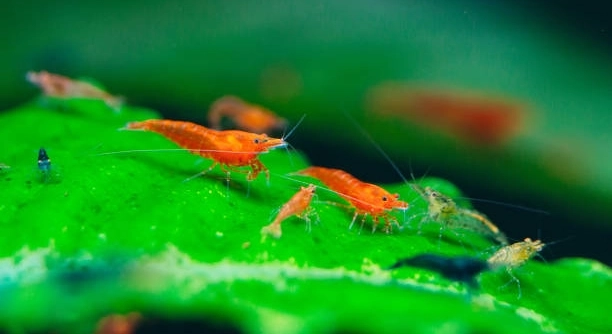
Is your cherry shrimp constantly rubbing against surfaces in the tank and leaving you worried about its well-being? Observing this behavior can be concerning for both new and experienced shrimp keepers alike. It may signal environmental or health issues.
The primary reason cherry shrimp scratch themselves is due to irritation caused by parasites, water quality imbalances, or molting difficulties. Poor water conditions or the presence of tiny parasites can trigger discomfort, leading to excessive rubbing against tank surfaces.
Understanding why this behavior occurs will help you improve your shrimp’s environment and prevent future health problems. Paying attention to subtle cues can make a significant difference in their overall care.
Common Causes of Scratching in Cherry Shrimp
Cherry shrimp often scratch due to stress from environmental factors or health issues. Poor water quality, such as high ammonia or nitrite levels, can irritate their delicate exoskeletons. Sudden changes in temperature or pH may also make them more sensitive. Parasites, like gill flukes or external protozoans, can attach to their bodies and trigger constant rubbing against plants, decorations, or the substrate. Molting difficulties are another major reason for scratching. Shrimp shed their exoskeletons regularly, and if water conditions are not ideal or minerals are lacking, this process can become painful. Overcrowding or aggressive tank mates can add stress, increasing the likelihood of scratching. Observing these behaviors closely can help you identify which factor is affecting your shrimp. Small adjustments in water parameters, gentle handling, and proper tank maintenance often reduce scratching and keep your shrimp healthier.
Proper water testing and stable tank conditions are essential to prevent further irritation and scratching.
Careful attention to water chemistry, such as maintaining consistent pH, temperature, and mineral content, supports molting and reduces stress. Keeping the tank clean and avoiding sudden changes ensures shrimp remain comfortable and less prone to scratching.
Preventing and Treating Scratching
Regular tank maintenance is key to keeping cherry shrimp healthy and minimizing scratching behaviors.
Addressing scratching begins with stabilizing water parameters. Test ammonia, nitrite, nitrate, and pH levels frequently, aiming for the recommended ranges for cherry shrimp. Soft or slightly alkaline water is ideal, while sudden changes should be avoided. Providing minerals through specialized shrimp supplements supports proper exoskeleton formation and makes molting less painful. Quarantining new shrimp can prevent parasite introduction, while inspecting plants and decorations helps reduce hidden threats. Feeding a balanced diet with high-quality shrimp food ensures they have enough nutrients for growth and immunity. Stress from overcrowding or aggressive tank mates should be minimized by maintaining an appropriate shrimp-to-tank ratio and adding hiding places like moss, caves, and plants. Observing your shrimp daily helps detect early signs of irritation, allowing for quicker corrective actions. Consistency in care is the most effective way to stop scratching and support long-term shrimp health.
Adjusting Water Parameters
Maintaining stable water parameters is essential to reduce scratching. Sudden fluctuations in temperature, pH, or hardness can irritate cherry shrimp and cause them to rub against surfaces repeatedly.
Keeping water conditions stable requires frequent testing and careful adjustments. Use a reliable test kit to monitor pH, ammonia, nitrite, and nitrate levels. Make small, gradual changes instead of large corrections to prevent shock. Ideal conditions for cherry shrimp include a pH between 6.5 and 7.5, low ammonia and nitrite, and moderate hardness. Temperature should remain consistent, usually between 72°F and 78°F. Adding mineral supplements can help with exoskeleton development and support molting, reducing irritation that leads to scratching.
Filtering and aeration also play important roles. A gentle filter prevents waste buildup and keeps water oxygenated without creating strong currents. Using driftwood, plants, and moss provides natural hiding spots, lowering stress and reducing scratching. Ensuring tank cleanliness, along with steady parameters, creates an environment where cherry shrimp feel secure and healthy.
Diet and Nutrition
Balanced nutrition prevents molting issues and maintains shrimp health. Poor diets can weaken exoskeletons, making scratching more frequent.
Cherry shrimp need a variety of foods, including algae, biofilm, and specialized shrimp pellets. Supplementing with blanched vegetables, such as zucchini or spinach, provides essential vitamins and minerals. Calcium-rich foods or supplements support exoskeleton strength, reducing molting problems and irritation. Avoid overfeeding, as leftover food can pollute the tank and stress shrimp. Observing feeding behavior helps ensure all shrimp receive adequate nutrition without waste accumulation.
A consistent feeding schedule helps maintain water quality and shrimp well-being. Nutrient deficiencies often show as frequent scratching, slow growth, or failed molts. Combining plant-based foods, protein sources, and minerals ensures shrimp receive a complete diet. Fresh, high-quality food encourages healthy behavior and reduces stress. By prioritizing nutrition, shrimp are less likely to scratch, remain active, and develop strong, healthy exoskeletons over time.
Parasite Control
Parasites can attach to cherry shrimp, causing constant scratching. Regular observation helps detect early signs of infestation.
Quarantining new shrimp and inspecting plants before adding them to the tank reduces the risk of parasites. Treatments may be necessary if visible parasites appear, following shrimp-safe protocols carefully.
Tank Cleanliness
Keeping the tank clean prevents irritation and stress. Remove uneaten food, decaying plants, and waste regularly. A clean substrate and gentle water flow help maintain water quality and lower the risk of scratching, ensuring a healthier environment for cherry shrimp.
Molting Support
Proper molting is crucial to prevent discomfort. Providing minerals, stable water, and hiding spots supports successful exoskeleton shedding.
Stress Reduction
Overcrowding, aggressive tank mates, or sudden environmental changes can stress cherry shrimp. Maintaining a calm and stable habitat encourages natural behavior and reduces scratching.
FAQ
Why is my cherry shrimp constantly scratching itself?
Scratching is usually a sign of irritation or discomfort. Common reasons include parasites, poor water quality, or molting problems. Stress from sudden changes in temperature, pH, or tank crowding can also make shrimp rub against surfaces. Monitoring water parameters and observing behavior closely can help pinpoint the cause.
Can poor water quality cause scratching?
Yes. High levels of ammonia, nitrites, or nitrates can irritate a shrimp’s exoskeleton. Sudden pH shifts or temperature fluctuations increase sensitivity. Keeping water stable and testing regularly is essential to prevent discomfort and maintain overall shrimp health.
Do parasites make shrimp scratch more?
Parasites attach to the body or gills, causing irritation that leads to rubbing. External parasites, such as gill flukes or protozoans, are common triggers. Quarantining new shrimp, inspecting plants, and using shrimp-safe treatments when needed can help control infestations.
How does molting affect scratching?
Molting is a vulnerable process. If water lacks essential minerals or conditions are unstable, shedding the exoskeleton can be painful. Shrimp may scratch surfaces to relieve discomfort. Providing calcium and magnesium and ensuring stable water supports healthy molting.
Can diet impact scratching behavior?
Yes. A poor diet weakens exoskeletons and slows growth, making scratching more likely. A mix of algae, biofilm, shrimp pellets, and blanched vegetables ensures shrimp get the nutrients they need. Calcium supplements help strengthen exoskeletons and reduce irritation.
Is tank overcrowding a problem?
Overcrowded tanks cause stress and increase scratching behavior. Shrimp need space and hiding spots to feel safe. Maintaining an appropriate shrimp-to-tank ratio and adding plants, moss, or decorations lowers stress and supports natural behavior.
Do aggressive tank mates affect shrimp behavior?
Yes. Fish or other animals that nip or chase shrimp can trigger scratching from stress or injury. Providing a shrimp-only area or carefully selecting peaceful tank mates minimizes stress and helps maintain a calm environment.
Can scratching indicate disease?
Sometimes. Infections or bacterial growth on the exoskeleton can cause irritation. Watch for discoloration, lethargy, or other unusual behaviors. Addressing water quality and nutrition can help prevent disease-related scratching.
How can I reduce scratching naturally?
Maintaining stable water, proper nutrition, and a clean tank is key. Adding hiding spots and gentle water flow reduces stress. Observing shrimp daily allows early detection of issues like parasites or molting difficulties, minimizing excessive scratching before it worsens.
When should I worry about scratching?
Occasional rubbing is normal, but persistent or aggressive scratching signals a problem. If accompanied by lethargy, color changes, or missing limbs, immediate attention is needed. Checking water quality, diet, and potential parasites is essential to prevent serious health problems.
Can water additives help with scratching?
Certain shrimp-safe mineral supplements support exoskeleton health and molting. They can reduce irritation caused by weak shells. Always follow recommended doses and avoid harsh chemicals that could stress shrimp further.
Does scratching affect shrimp survival?
Frequent scratching itself rarely kills shrimp, but it indicates stress or health issues. Ignoring the root cause can lead to molting failure, disease, or weakened immunity, which can threaten survival over time.
How often should I monitor my shrimp?
Daily observation is ideal. Look for scratching, color changes, or unusual behavior. Regular water tests weekly or biweekly ensure conditions remain stable, preventing irritation and supporting overall health.
Are certain plants better for preventing scratching?
Dense plants, moss, and decorations give shrimp places to hide and rest during molting. Providing cover reduces stress, lowers irritation, and helps minimize scratching behaviors naturally.
Can temperature swings cause scratching?
Yes. Sudden increases or decreases in temperature can irritate the exoskeleton and stress shrimp. Keeping water within a steady range between 72°F and 78°F reduces scratching and supports overall health.
Does scratching affect shrimp molting cycles?
Persistent scratching can delay molting by causing stress or minor injuries. Stress slows growth and makes exoskeleton shedding more difficult. Providing stable conditions, proper nutrition, and hiding spots ensures smoother, less stressful molting cycles.
How long does it take for scratching to improve?
Improvement depends on the cause. Adjusting water, nutrition, or treating parasites usually shows results within days to a week. Continuous observation and gradual corrections are key to reducing scratching and restoring normal behavior.
Can scratching be prevented entirely?
While occasional rubbing is normal, persistent scratching can often be prevented. Stable water, proper diet, regular tank maintenance, and stress reduction make shrimp more comfortable and minimize the behavior. Early intervention is critical to preventing escalation.
What signs indicate a serious problem beyond scratching?
Signs like lethargy, discoloration, lost limbs, or abnormal swimming suggest a deeper health issue. These may indicate disease, severe parasite infestations, or poor water conditions. Immediate corrective measures improve survival and reduce stress.
How do I safely treat parasites?
Use shrimp-safe treatments specifically designed for freshwater invertebrates. Avoid chemicals meant for fish that can harm shrimp. Follow dosage instructions carefully, and consider quarantining affected individuals to prevent spreading infestations.
Does scratching vary with age or size?
Younger or recently molted shrimp are more sensitive and may scratch more. Adult shrimp with strong exoskeletons usually scratch less unless water quality or stressors are present. Providing stable conditions supports all life stages.
Can scratching affect shrimp behavior long-term?
Chronic irritation may increase stress, reduce feeding, or delay molting. Addressing causes early helps prevent long-term behavioral changes and supports healthier growth and activity. Consistent care ensures shrimp remain active and comfortable.
Are there visual cues to identify why shrimp are scratching?
Look for parasites, discoloration, or rough patches on the exoskeleton. Observe tank conditions and behavior patterns. These cues often point to water quality, nutrition, or environmental stress as the underlying issue.
How do I balance treatment with daily care?
Treat any issues carefully while maintaining regular water changes, feeding schedules, and observation. Avoid overhandling shrimp, and combine treatments with supportive care like hiding spots, stable water, and minerals for best results.
Does scratching increase during molting periods?
Yes, shrimp may scratch more before or during molting as the old exoskeleton loosens. Supporting molting with minerals and stable water conditions reduces discomfort and the need to rub against surfaces.
Can scratching be a one-time event?
Occasional scratching is normal, often linked to minor irritation or exploration. Persistent or aggressive scratching, however, indicates underlying issues that need attention to prevent stress or health problems.
How can I track progress after addressing scratching?
Monitor daily behavior, molting success, feeding activity, and coloration. Improvements in these areas indicate that environmental adjustments, diet, or treatments are effective, reducing scratching and supporting overall shrimp health.
Does tank layout influence scratching?
Yes. Smooth surfaces, lack of hiding places, or strong currents can increase scratching. Providing plants, moss, and gentle water flow reduces irritation and supports natural shrimp behavior.
Is scratching more common in certain shrimp types?
While cherry shrimp are commonly affected, all freshwater shrimp can scratch if stressed, poorly nourished, or exposed to parasites. Proper care applies to all types to minimize irritation and scratching behaviors.
Can scratching lead to infections?
Repeated scratching can cause minor injuries or abrasions. Open wounds increase the risk of bacterial or fungal infections. Maintaining clean water, proper nutrition, and reducing stress helps prevent secondary infections.
How important is observation in preventing scratching?
Daily observation is crucial. Noticing early signs of irritation or stress allows for quick intervention. Regular checks of water, behavior, and tank conditions prevent small issues from escalating into persistent scratching.
Can supplements improve exoskeleton health?
Yes. Calcium, magnesium, and trace minerals support molting and strengthen the exoskeleton. Proper supplementation reduces irritation, helps prevent scratching, and contributes to overall shrimp health.
Are there environmental adjustments to reduce scratching?
Yes. Maintain stable water parameters, avoid overcrowding, provide hiding spots, and keep decorations smooth. Gentle water flow and regular tank maintenance create a comfortable environment that lowers scratching frequency.
How do I know if scratching is due to stress?
Signs of stress include rapid movement, hiding, lack of feeding, or frequent surface rubbing. Environmental instability, tank mates, or overcrowding often trigger stress-related scratching. Correcting these factors improves behavior.
Can scratching affect shrimp reproduction?
High stress or poor nutrition from persistent scratching may delay molting and reduce reproductive success. Healthy, comfortable shrimp are more likely to breed successfully. Ensuring stable water, diet, and shelter supports reproduction and reduces scratching.
Is scratching seasonal or constant?
Scratching can occur at any time, often linked to molting cycles, water changes, or stress. Consistent care and observation help reduce frequency and maintain shrimp comfort year-round.
Can scratching indicate mineral deficiency?
Yes. Lack of calcium or magnesium weakens the exoskeleton, making molting painful and leading to scratching. Supplementing minerals ensures proper shell development and reduces irritation.
Are there long-term consequences if scratching is ignored?
Ignoring persistent scratching can lead to molting failures, stress-related illness, or secondary infections. Early identification and correction prevent long-term health problems and ensure shrimp remain active and healthy.
How do I distinguish normal rubbing from problem scratching?
Occasional rubbing or brushing against surfaces is normal. Persistent, aggressive, or repeated scratching combined with other stress or health signs indicates an underlying problem requiring intervention.
What is the fastest way to reduce scratching?
Immediate steps include checking water parameters, removing aggressive tank mates, providing hiding spots, and supplementing minerals. Addressing the root cause quickly prevents prolonged discomfort and supports shrimp well-being.
Can scratching behavior return after treatment?
Yes, if environmental conditions, diet, or stressors return. Consistent care and monitoring prevent relapse and maintain shrimp health, reducing the likelihood of scratching returning.
Are there visual changes to watch for after reducing scratching?
Shrimp should appear more relaxed, feed normally, and show smoother exoskeletons. Reduced rubbing and increased activity indicate improvements. Monitor molting cycles to ensure ongoing health.
How does stress from water changes affect scratching?
Rapid or large water changes can shock shrimp, leading to irritation and scratching. Gradual, small changes maintain stability and reduce stress-related rubbing.
Can scratching be contagious among shrimp?
No. Scratching itself is not contagious, but parasites or poor water conditions affecting one shrimp can impact others. Treating the environment prevents widespread discomfort.
Do certain decorations cause more scratching?
Rough or sharp decorations can injure shrimp, increasing scratching. Smooth surfaces, moss, and plants provide safer options for rubbing and resting without causing harm.
Can scratching be a sign of aging?
Older shrimp may be more sensitive, but persistent scratching usually points to environmental or health issues rather than age alone. Proper care supports all life stages.
How do I create a scratching-free environment?
Maintain stable water, provide minerals, ensure proper diet, add hiding places, and avoid overcrowding or aggressive tank mates. Regular observation helps detect issues early and keeps shrimp comfortable.
Does lighting affect scratching?
Bright or sudden lighting changes can stress shrimp, causing rubbing. Gentle, consistent lighting with shaded areas reduces stress and scratching behaviors.
Can scratching lead to lethargy?
Yes. Persistent irritation and stress from scratching may reduce activity and feeding, making shrimp appear weak or lethargic. Correcting underlying causes restores normal behavior.
How often should I check for parasites?
Regularly inspect shrimp and plants, especially when adding new individuals. Early detection prevents infestations from causing persistent scratching.
Are certain water types better for reducing scratching?
Soft to moderately hard water with stable pH and mineral content supports healthy exoskeletons and molting, lowering irritation that causes scratching.
Can scratching indicate poor tank filtration?
Yes. Inadequate filtration can lead to waste buildup and poor water quality, irritating shrimp and increasing scratching. Proper filtration maintains a cleaner, healthier environment.
How long after correcting conditions does scratching stop?
Improvement is usually seen within several days to a week, depending on the severity of irritation or stress. Consistent care ensures continued reduction in scratching.
Does frequent scratching affect shrimp coloration?
Chronic stress and irritation may cause fading or dulling of colors. Correcting water, diet, and stressors helps shrimp regain normal, vibrant coloration.
Can scratching occur at night?
Yes. Shrimp may scratch at any time, especially if parasites, irritation, or stress are present. Observation during day and night cycles helps identify persistent problems.
Is scratching common in new tanks?
Yes. Newly established tanks may have unstable water parameters or biofilm imbalances, leading to irritation. Careful monitoring reduces scratching during the initial period.
Can scratching be linked to tank size?
Small, overcrowded tanks increase stress and irritation, making scratching more frequent. Adequate space supports natural behavior and reduces rubbing.
Do shrimp heal from scratches quickly?
Minor scratches usually heal if water quality is good and stress is reduced. Severe or repeated injuries may increase risk of infection. Maintaining clean, stable conditions ensures faster recovery.
Are there signs that scratching is improving?
Reduced rubbing, more active behavior, regular feeding, successful molting, and smoother exoskeletons all indicate improvement. Continuous observation confirms long-term progress.
Can scratching occur after adding new tank mates?
Yes. New or aggressive tank mates may stress shrimp, triggering rubbing. Gradual introductions and peaceful species prevent stress-related scratching.
How do I balance shrimp health with visual observation of scratching?
Check behavior without disturbing the tank excessively. Minimize handling and provide supportive care while monitoring for persistent rubbing or irritation to protect shrimp health.
Does substrate type affect scratching?
Rough or sharp substrates may irritate shrimp. Fine sand, smooth gravel, or planted areas reduce scratching while providing a comfortable environment for natural behavior.
Can scratching indicate overfeeding?
Indirectly. Excess food can pollute the water, creating irritation and stress that lead to scratching. Feed sparingly and remove leftovers to maintain water quality.
Are there preventive measures for long-term scratching control?
Yes. Stable water, proper diet, regular cleaning, hiding spots, careful tank mate selection, and mineral supplementation all help prevent persistent scratching and support shrimp health.
Can frequent scratching indicate stress from handling?
Yes. Overhandling or moving shrimp frequently increases stress and rubbing. Minimize handling and ensure a calm environment to reduce scratching.
Does scratching vary with light cycles?
Irregular or sudden light changes can stress shrimp, increasing scratching. Consistent light schedules with shaded areas reduce irritation.
How do I distinguish scratching from normal exploration?
Normal exploration is brief and gentle, while persistent, aggressive, or repeated rubbing signals irritation, stress, or health problems.
Can scratching affect shrimp lifespan?
Persistent scratching itself is not fatal, but if caused by stress, poor water, or parasites, it can reduce lifespan. Addressing underlying issues supports longevity.
Are there signs that water supplements are working?
Shrimp become less irritable, molting improves, and exoskeletons strengthen. Reduced scratching indicates the supplements are effective in supporting shell health.
Do temperature extremes make scratching worse?
Yes. Water too cold or hot can irritate the exoskeleton and stress shrimp, increasing rubbing behavior. Maintaining moderate, stable temperatures reduces scratching.
How do I prevent scratching during molting?
Provide hiding spots, stable water, and mineral supplementation. Avoid disturbances and maintain calm conditions to support comfortable molting and minimize rubbing.
Can scratching return after fixing water quality?
If other stressors, parasites, or diet deficiencies persist, scratching may return. Continuous observation and care are essential to maintain improvement.
Does scratching occur more in male or female shrimp?
Both can scratch, but females may be more sensitive during molting or reproductive cycles. Providing stable conditions benefits both sexes equally.
How long should I monitor after treatment?
Observe daily for at least one week to ensure scratching decreases, molting occurs normally, and behavior returns to typical patterns.
Can scratching be seasonal?
Environmental or tank changes can cause fluctuations, but consistent care and stable conditions reduce seasonal variations in scratching behavior.
Does scratching affect social behavior?
Yes. Stressed shrimp may hide more or reduce feeding. Minimizing scratching supports normal interaction and activity within the tank.
Can scratching indicate mineral imbalance?
Yes. Low calcium or magnesium makes shells weak and molting painful. Supplementation strengthens exoskeletons and reduces rubbing.
Are certain water additives harmful for shrimp?
Yes. Chemicals not designed for invertebrates can cause stress, irritation, or death. Always use shrimp-safe products when treating or supplementing water.
Can scratching indicate molting failure?
Persistent rubbing may signal incomplete or difficult molts. Supporting water quality, minerals, and stress reduction improves molting success.
Does scratching decrease after tank stabilization?
Yes. Stable water, proper diet, and stress reduction usually lead to a noticeable decline in scratching within days to a week.
Can scratching occur without visible causes?
Yes. Subtle water imbalances, early parasites, or minor stress may trigger scratching before more obvious signs appear. Regular observation and testing catch problems early.
Are there long-term monitoring tips for scratching?
Keep a log of water parameters, diet, behavior, molting, and tank changes. Tracking trends helps identify patterns and prevent recurring scratching.
How do I prevent scratching when adding new plants?
Rinse and quarantine plants to remove parasites or chemicals. Introduce them gradually to maintain water stability and reduce irritation.
Can scratching indicate a lack of hiding spots?
Yes. Without shelter, shrimp feel exposed and may rub surfaces to relieve stress. Adding plants, moss, or caves reduces scratching and promotes comfort.
Does scratching affect shrimp feeding habits?
Stress and irritation can reduce appetite. Providing a calm environment and proper nutrition encourages normal feeding behavior while minimizing scratching.
Are there visual signs that scratching is worsening?
Increased frequency, intensity, or visible abrasions indicate worsening. Monitoring closely helps determine if interventions are needed to prevent injury or stress.
Can scratching be related to pH imbalance?
Yes. Sudden or extreme pH changes irritate shrimp and trigger rubbing. Maintaining a stable pH prevents discomfort and supports health.
Is scratching a common problem in planted tanks?
It can occur if water parameters fluctuate or minerals are insufficient. Dense plants can provide hiding spots that reduce irritation and rubbing.
Does scratching affect shrimp activity levels?
Yes. Persistent irritation may cause hiding, reduced swimming, or lethargy. Correcting the cause restores normal activity and energy levels.
Can scratching indicate overexposure to light?
Bright or prolonged lighting may stress shrimp, increasing rubbing behavior. Consistent, moderate lighting with
Final Thoughts
Cherry shrimp are delicate creatures, and observing them scratch can be unsettling. This behavior usually points to some form of irritation, stress, or health concern. It is not just random or playful movement. Paying attention to these signs helps maintain a healthy tank environment and ensures your shrimp remain active and comfortable. Consistently checking water parameters, maintaining stable conditions, and monitoring their behavior are essential parts of responsible shrimp keeping. Small changes in the tank, such as adding new decorations or adjusting the water flow, can have a bigger impact than it might seem. By staying observant, you can prevent minor issues from becoming serious problems.
Water quality is one of the most critical factors affecting scratching behavior. High levels of ammonia, nitrites, or nitrates, sudden pH shifts, or temperature fluctuations can irritate the shrimp’s exoskeleton. Regular testing and careful adjustments prevent stress and discomfort. Supplementing minerals such as calcium and magnesium is also important for maintaining a strong exoskeleton, supporting healthy molting, and reducing irritation. Providing hiding spots, plants, and moss helps shrimp feel secure, lowering stress and encouraging natural behavior. A well-maintained tank, with clean substrate, gentle filtration, and consistent parameters, creates an environment where shrimp can thrive without excessive scratching or other stress-related behaviors.
Diet and nutrition also play a key role in preventing scratching. A balanced diet that includes algae, biofilm, high-quality shrimp pellets, and blanched vegetables provides the nutrients necessary for growth and exoskeleton development. Calcium-rich foods and supplements strengthen shells, making molting less painful and reducing the urge to scratch. Avoiding overfeeding is just as important, as leftover food can pollute the water and add to irritation. Stress from overcrowding or aggressive tank mates should also be minimized. By combining proper diet, stable water conditions, and a calm environment, you create a setup that supports long-term health and reduces scratching behavior. Consistently following these steps ensures that your cherry shrimp remain comfortable, active, and vibrant in your tank.

Hello,
If you enjoy the content that we create, please consider saying a "Thank You!" by leaving a tip.
Every little bit helps us continue crafting quality advice that supports the health, happiness, and well-being of pets around the world, for pets of all shapes, sizes, and species.
We really appreciate the kindness and support that you show us!