
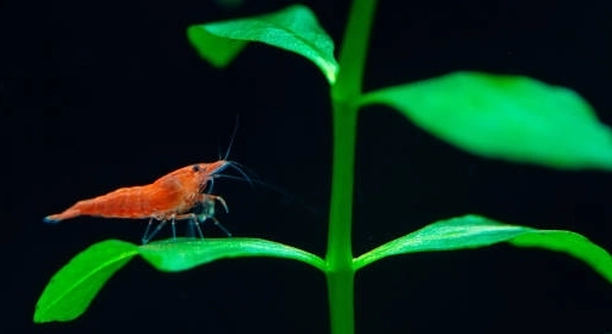
Keeping a shrimp tank can be relaxing, but sometimes small issues quietly affect the health of your shrimp. Even with careful setup, unexpected problems may appear, making it hard to keep the tank stable and thriving.
Unexpected shrimp tank problems often stem from water quality fluctuations, hidden pests, or overlooked equipment issues. Addressing these concerns with consistent monitoring, proper filtration, and regular maintenance helps maintain a stable environment, ensuring shrimp health and preventing long-term complications.
These common yet surprising issues can disrupt your tank if left unchecked, but solutions exist that make maintaining a healthy shrimp habitat much easier.
Cloudy Water
Sometimes, your shrimp tank may appear cloudy even if you recently changed the water. This can happen due to leftover food, decaying plant matter, or bacterial blooms. Tiny particles float in the water, making it hard to see the shrimp clearly. Overfeeding is a common reason for cloudiness. Uneaten food quickly decomposes and promotes bacteria growth. In some cases, a new tank experiences “new tank syndrome,” where beneficial bacteria haven’t fully established. Filtration systems help, but they may need extra time to stabilize water clarity. Regularly siphoning debris from the substrate reduces particles and prevents excessive bacterial growth. Changing a portion of the water, around 20% weekly, can maintain balance. Avoid using chemicals unless necessary, as shrimp are sensitive. Patience is key while the tank naturally clears. Maintaining a clean environment benefits shrimp health, reducing stress and promoting molting. Observing subtle changes helps identify issues before they escalate.
Cloudy water can be reduced by routine cleaning, controlling feeding amounts, and ensuring a well-established filtration system.
Proper lighting and minimal disturbance also improve water clarity. Gentle water flow keeps particles suspended long enough for filtration, while hiding places for shrimp prevent stress.
Shrimp Hiding Excessively
Shrimp may suddenly start hiding more than usual, staying under rocks or plants. Stress, poor water quality, or sudden changes in temperature can cause this behavior.
Excessive hiding usually indicates discomfort. Low oxygen levels, high ammonia, or inappropriate tank mates can trigger this response. Observing shrimp behavior alongside water testing helps pinpoint problems. Maintaining stable conditions keeps shrimp active.
If the tank is overcrowded, shrimp may feel threatened and retreat. Adding more plants or decorations provides shelter without overcrowding. Sudden changes, like moving decorations or cleaning too aggressively, can also increase hiding. Gradual adjustments help shrimp feel secure. Temperature swings stress shrimp, so a consistent heater setting is important. Introducing new shrimp slowly and quarantining them reduces disease transmission and stress. Balanced feeding ensures all shrimp get nutrients without leftover food causing water issues. Monitoring shrimp molting patterns provides insight, as stress can delay or disrupt shedding. Over time, maintaining a stable environment reduces hiding, promotes activity, and encourages natural behaviors, creating a healthier, more visible shrimp population.
Uneaten Food
Uneaten food can quickly pollute a shrimp tank, causing cloudy water and higher ammonia levels. Removing leftovers promptly prevents bacteria growth and keeps water conditions safe for shrimp.
Even small amounts of uneaten food decay rapidly. Shrimp may not always eat all pellets or flakes, especially if they are molting or stressed. Regularly checking the tank after feeding helps catch leftovers before they create problems. Using a feeding schedule and only providing what shrimp can consume in a few hours keeps waste minimal. Overfeeding not only affects water quality but also encourages algae growth. Siphoning the substrate occasionally removes hidden food particles, maintaining cleaner conditions. Adjusting the amount fed based on shrimp activity ensures they get enough nutrients without excess waste.
Some foods, like sinking pellets, tend to accumulate in corners or under decorations. Stirring gently or repositioning food spots encourages shrimp to eat more evenly. Monitoring behavior after feeding allows you to spot picky eaters or overactive feeders, helping maintain a balanced tank. By controlling leftover food, water clarity improves, ammonia levels drop, and shrimp remain healthier.
Algae Overgrowth
Algae can grow quickly in a shrimp tank when there is too much light or excess nutrients. Controlling both factors helps keep algae manageable and prevents it from overtaking the tank.
Too much light, especially direct sunlight or prolonged artificial lighting, accelerates algae growth. Excess nutrients from uneaten food or decaying plants feed algae, creating green water or film on surfaces. Scrubbing tank walls and removing excess plant matter slows growth. Introducing algae-eating species, like certain shrimp or snails, can help naturally control algae. Balancing feeding routines ensures nutrients aren’t left to fuel unwanted growth.
Regular water changes and monitoring light cycles are essential. Shortening light periods to six or eight hours and keeping consistent feeding reduces nutrient spikes. Some fast-growing plants compete with algae for nutrients, naturally limiting overgrowth. Avoiding sudden fertilization or chemical treatments prevents shocking shrimp. Combining physical removal, plant competition, and proper maintenance creates a stable environment where algae remains under control, supporting healthier shrimp and clearer water overall.
Molting Issues
Shrimp may struggle to molt if water conditions are not ideal. Hard or soft water imbalances, low calcium, or sudden changes in temperature can make shedding difficult and stressful.
Providing proper minerals, stable temperatures, and hiding spots supports successful molting. Avoid handling shrimp during this vulnerable stage to reduce stress and injury.
Disease Outbreaks
Diseases in shrimp tanks often appear when water quality is poor or new shrimp introduce pathogens. Bacterial or fungal infections can spread quickly, affecting many shrimp. Maintaining clean water, quarantining new arrivals, and observing behavior daily are essential steps to minimize risks. Early detection and isolation prevent larger outbreaks.
Filter Malfunction
A failing filter can reduce water circulation and oxygen levels, stressing shrimp. Regular maintenance and timely replacements are essential to keep water conditions stable and shrimp healthy.
FAQ
How often should I change the water in my shrimp tank?
Changing 20–25% of the water weekly is usually sufficient. This helps remove excess nutrients, prevent ammonia spikes, and maintain stable water chemistry. Completely changing all the water at once can shock shrimp, so gradual adjustments are safer.
What is the best way to feed shrimp?
Feed only what they can consume in a few hours. Overfeeding leads to leftover food, cloudy water, and algae growth. Observe shrimp during feeding to ensure all get enough, and adjust portions based on activity and number of shrimp.
Why are my shrimp hiding so much?
Shrimp hide when stressed. Common causes include poor water quality, sudden temperature changes, aggressive tank mates, or overcrowding. Providing more plants or decorations gives shelter while maintaining water parameters keeps them active and reduces hiding.
How do I control algae naturally?
Limit light to six–eight hours daily and avoid direct sunlight. Reduce excess nutrients by removing leftover food and decaying plants. Introducing algae-eating shrimp or snails and keeping fast-growing plants in the tank also helps control algae without chemicals.
My shrimp are having trouble molting. What should I do?
Molting issues often come from calcium deficiency, unstable temperatures, or poor water quality. Provide mineral-rich food, stable temperatures, and plenty of hiding spots. Avoid handling shrimp during molting to prevent injuries and reduce stress.
Can new shrimp bring diseases into my tank?
Yes, new shrimp can introduce pathogens. Quarantining new additions for two to three weeks helps prevent disease outbreaks. Keep an eye on behavior and physical changes, and maintain clean water to reduce stress and improve resistance.
Why is my tank water cloudy?
Cloudy water is usually caused by bacterial blooms, leftover food, or decaying plant matter. New tanks may also experience “new tank syndrome.” Regular cleaning, siphoning debris, and partial water changes help restore clarity and maintain healthy conditions.
How can I prevent filter problems?
Clean filters regularly and replace media as needed. Check water flow to ensure proper circulation and oxygenation. Avoid overloading the filter with debris, and monitor for unusual noises or reduced performance. A well-maintained filter keeps water stable and shrimp healthy.
Is it normal for shrimp to die suddenly?
Sudden deaths often indicate stress, poor water quality, or disease. Check ammonia, nitrite, and nitrate levels, along with temperature and pH. Removing affected shrimp and addressing water issues promptly can prevent further losses and maintain a stable environment.
What decorations are best for shrimp?
Smooth rocks, driftwood, and live plants are ideal. They provide hiding spots, surfaces for biofilm, and reduce stress. Avoid sharp or rough materials that could injure shrimp during molting. Balanced decoration placement also allows good water flow and easy maintenance.
How do I know if my shrimp are healthy?
Healthy shrimp are active, feed regularly, molt successfully, and show vibrant colors. Lethargy, constant hiding, discolored shells, or missing limbs can indicate stress or disease. Regular observation and water testing help identify issues early.
Can I use tap water for my shrimp tank?
Tap water can be used if treated to remove chlorine and chloramines. Testing for hardness, pH, and ammonia is important. Conditioned tap water ensures shrimp remain healthy and supports stable water chemistry.
Why is my shrimp tank smelling bad?
A foul smell usually comes from decaying food, dead shrimp, or poor filtration. Remove debris, perform partial water changes, and maintain proper filtration. Avoid overfeeding and monitor water parameters to keep the tank clean and odor-free.
How do I encourage breeding in shrimp?
Stable water conditions, a well-established tank with plenty of hiding spots, and nutritious food help promote breeding. Avoid stressing adults, maintain consistent temperatures, and ensure proper water chemistry for healthy eggs and juvenile growth.
Can shrimp live with other fish?
Some small, peaceful fish are compatible, but aggressive or large species may harm shrimp. Monitor interactions closely. Providing plenty of plants and hiding spaces reduces stress and risk, allowing coexistence in a shared tank.
Keeping a shrimp tank can be rewarding, but it comes with challenges that are sometimes easy to overlook. Even small problems, like leftover food or cloudy water, can affect the health of your shrimp. Paying attention to daily changes in behavior, water clarity, and tank conditions is important. Shrimp are sensitive creatures, and subtle issues can quickly become serious if ignored. By observing your tank carefully and addressing problems early, you can maintain a healthier environment and reduce stress for your shrimp. Routine maintenance, such as water changes, filter cleaning, and monitoring feeding, creates stability that allows shrimp to thrive. Small steps taken consistently often prevent larger problems from occurring, saving time and effort in the long run.
Providing the right environment for shrimp is not just about clean water but also about balance. Water parameters like pH, hardness, and temperature need to be stable and suitable for the species you keep. Algae growth, excessive hiding, or molting difficulties often signal imbalances in these areas. Adding appropriate decorations, plants, and hiding spots helps shrimp feel secure, which reduces stress and encourages natural behavior. Feeding carefully and avoiding overfeeding prevents nutrient buildup, keeping water clear and healthy. Even simple adjustments, like regulating light exposure or providing extra calcium, can make a noticeable difference in shrimp health. Understanding these small but important factors allows you to create an environment where shrimp can grow, molt successfully, and breed naturally.
A successful shrimp tank depends on consistency and attention to detail. Problems may seem unexpected at first, but most can be prevented or corrected with regular care and observation. Keeping track of water quality, maintaining equipment, and watching shrimp behavior helps you respond quickly when something is off. Disease outbreaks, filter malfunctions, or water quality changes can be stressful, but timely intervention prevents lasting damage. Patience and careful observation are key, as shrimp often respond best to gradual changes rather than sudden adjustments. Creating a stable, balanced habitat supports shrimp longevity, bright colors, and active behavior. Over time, these practices make maintaining a shrimp tank simpler and more rewarding, ensuring your aquatic pets remain healthy and vibrant.

Hello,
If you enjoy the content that we create, please consider saying a "Thank You!" by leaving a tip.
Every little bit helps us continue crafting quality advice that supports the health, happiness, and well-being of pets around the world, for pets of all shapes, sizes, and species.
We really appreciate the kindness and support that you show us!