
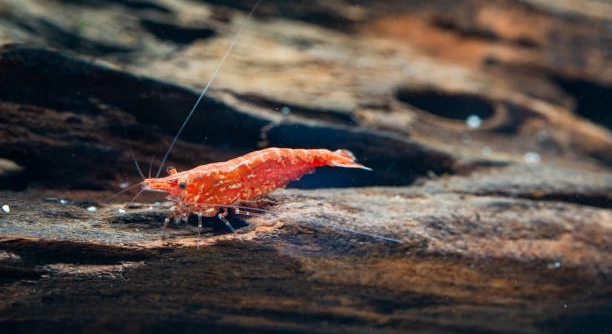
Are your cherry shrimp leaving the safety of their aquarium and crawling onto surfaces outside the water? Observing this behavior can be surprising and a little concerning for any shrimp keeper, especially when it seems sudden or frequent.
Cherry shrimp often leave the water due to poor water conditions, lack of oxygen, or stress caused by sudden changes in temperature or water chemistry. Addressing these environmental factors is crucial for their survival and well-being.
Understanding why your shrimp behave this way can help you create a healthier habitat. Small adjustments can prevent future escapes and improve their overall health.
Common Reasons Cherry Shrimp Leave the Water
Cherry shrimp often leave the water because something in their environment is uncomfortable. Poor water quality, such as high ammonia, nitrites, or nitrates, can make the tank unsafe. Low oxygen levels also push them to explore surfaces above the water. Sudden changes in temperature or pH can stress shrimp, causing them to act differently. Overcrowding or aggressive tankmates may force shrimp to escape perceived threats. Even a lack of hiding places can make shrimp feel vulnerable, prompting them to crawl out. Observing your tank closely can help identify the problem before it worsens. Regular water testing and maintenance are essential. Providing plants and decorations gives shrimp safe areas to explore and hide.
Maintaining stable conditions and monitoring behavior are key. Most escapes happen when shrimp feel stressed or unsafe.
By checking water parameters, adjusting temperature, and creating hiding spots, you can reduce shrimp stress. Consistent care ensures your shrimp stay healthy and remain in their habitat without frequent escapes.
Water Quality and Oxygen Levels
Low oxygen in the tank is a major reason shrimp leave the water. Without enough oxygen, they seek areas where breathing is easier.
Regular water changes and proper filtration help maintain oxygen levels. Adding air stones or surface agitation also improves oxygenation and keeps shrimp comfortable.
Monitoring ammonia, nitrite, and nitrate levels is vital. High toxins cause shrimp to behave unusually or leave the water. Keep a regular schedule for water testing, and act quickly if levels rise. Temperature fluctuations can reduce oxygen availability, so keeping a consistent temperature supports shrimp health. Plants not only provide hiding spots but also help oxygenate the water. Avoid overfeeding, as decaying food increases toxins and decreases oxygen. Observing your shrimp daily helps detect stress early. Adjusting environmental factors can prevent escapes and improve longevity. Proper tank maintenance, along with careful attention to behavior, ensures your shrimp thrive and remain active in the water.
Stress and Tank Conditions
Stress can make cherry shrimp leave the water. Overcrowding, sudden changes, or aggressive tankmates can push them to seek safer areas outside the tank.
Keeping the tank environment stable is essential. Rapid temperature shifts, water chemistry changes, or inconsistent lighting can stress shrimp. Adding plenty of plants and hiding spots gives them security. Observing their interactions can reveal if certain tankmates are causing fear. Stress also weakens their immune system, making them more prone to illness. Simple adjustments, like spreading out decorations and avoiding overcrowding, can reduce stress. Regular monitoring ensures your shrimp feel safe and remain in the water.
Even small stressors accumulate over time. Regular maintenance, gentle handling, and thoughtful tank design help shrimp feel secure. Creating a calm environment prevents them from climbing out and keeps them healthy.
Feeding and Nutrition
Poor nutrition can influence shrimp behavior. If they lack proper food, they may search outside the water for sources.
Providing a balanced diet is important. Cherry shrimp thrive on high-quality shrimp pellets, blanched vegetables, and occasional protein supplements. Overfeeding can cause water pollution, while underfeeding leads to weakness and abnormal behavior. Observing shrimp while feeding helps ensure all shrimp are eating. Uneaten food should be removed promptly to maintain water quality. Feeding small, consistent amounts daily supports growth and activity. Proper nutrition strengthens shrimp, making them less likely to leave the tank.
Variety is key. Including both plant matter and protein supports molting and overall health. Well-fed shrimp remain active in the water, reducing the urge to escape. Attention to diet prevents stress-related behaviors and ensures their long-term survival.
Tank Escapes and Decorations
Shrimp often use decorations to climb out of the water. Plants, rocks, and driftwood can create pathways that make escaping easier.
Providing secure surfaces and ensuring water levels are safe can reduce climbing. Avoiding sharp or unstable objects also prevents injury while they explore.
Molting and Vulnerability
During molting, cherry shrimp are softer and more vulnerable. They may leave the water temporarily to find a safe spot to shed their exoskeleton.
A stress-free environment with hiding places helps shrimp molt safely. Maintaining water quality and consistent temperature supports successful molting and reduces the urge to leave the tank.
Temperature Fluctuations
Sudden changes in temperature can make shrimp uncomfortable. Cooler or warmer water than they are used to can trigger escape behavior.
Keeping the tank temperature stable within recommended ranges helps shrimp feel secure. Gradual adjustments during changes prevent stress and discourage climbing out.
FAQ
Why are my cherry shrimp crawling out of the water?
Cherry shrimp usually leave the water when they feel stressed, unsafe, or uncomfortable. Poor water quality, low oxygen, sudden temperature changes, overcrowding, and aggressive tankmates are common reasons. Creating a stable, clean environment with hiding spots helps prevent this behavior.
Can low oxygen really make shrimp leave the tank?
Yes. Cherry shrimp need well-oxygenated water to survive. If oxygen levels drop, they may crawl out seeking air. Proper filtration, surface agitation, and occasional air stones maintain oxygen levels. Monitoring water parameters ensures they remain comfortable and reduces escape attempts.
Does water quality affect their behavior?
Absolutely. High ammonia, nitrite, or nitrate levels cause stress and can be fatal. Even minor fluctuations in pH or hardness can trigger unusual behavior. Regular testing and partial water changes keep water safe and shrimp healthy.
Do shrimp climb out during molting?
Yes. Molting is a vulnerable time for shrimp, and they may leave the water to find safer spots. Providing plants, moss, and other hiding places allows them to molt securely without trying to escape.
Could temperature changes be a factor?
Sudden shifts in temperature stress shrimp. Too warm or too cold water can prompt escape behavior. Maintaining a consistent temperature appropriate for cherry shrimp, around 72–78°F, prevents stress-related climbing.
Does diet influence their behavior?
Poor nutrition or irregular feeding can lead shrimp to explore outside the water. Balanced meals including shrimp pellets, blanched vegetables, and occasional protein help them stay healthy and active in the water. Overfeeding should be avoided to prevent water pollution.
Are tank decorations causing escapes?
Some decorations create easy climbing paths. While plants and rocks are necessary, unstable or sharp objects can encourage shrimp to leave the water. Secure decorations and adequate water depth minimize the risk.
How does stress from tankmates affect shrimp?
Aggressive or territorial fish can scare shrimp. Even larger peaceful species may intimidate them. Overcrowding also increases stress. Observing shrimp interactions and rearranging tankmates can reduce fear and keep them in the water.
Can insufficient hiding places lead to escape?
Yes. Cherry shrimp need secure spots to hide and feel safe. Moss, plants, and caves reduce stress and the urge to crawl out. Lack of cover leaves them exposed, prompting them to explore above water.
How can I prevent shrimp from leaving the water?
Maintain clean, well-oxygenated water, consistent temperature, a proper diet, and plenty of hiding spots. Minimize stress by choosing compatible tankmates and avoiding overcrowding. Observing shrimp behavior daily helps catch problems early and ensures they stay safely in their environment.
Is it normal for shrimp to leave the water occasionally?
Occasional exploration can happen but frequent attempts indicate a problem. Persistent climbing usually points to water quality issues, stress, or environmental discomfort. Taking preventive measures ensures shrimp remain healthy and reduces escape incidents.
Do older or weaker shrimp leave the water more often?
Older, weaker, or molting shrimp may climb out more frequently due to vulnerability or discomfort. Providing supportive conditions, safe hiding places, and stable water parameters helps them stay secure.
Will adding more plants help prevent escape?
Yes. Dense plant growth gives shrimp safe areas to hide and climb without leaving the water. Plants also improve water quality and oxygenation, reducing stress and keeping shrimp active and comfortable.
Can shrimp survive outside the water?
Cherry shrimp cannot survive long out of water. Exposure dries them out quickly and can be fatal. Quick action to return them to a safe, well-maintained tank is essential if they are found outside.
Does water movement affect climbing behavior?
Water that is too stagnant can reduce oxygen, while overly strong currents can stress shrimp. Balanced water flow helps maintain comfort, encouraging them to stay in the tank. Proper circulation is key to preventing escapes.
How often should I test water parameters?
Testing once a week is recommended for most tanks. Parameters like ammonia, nitrite, nitrate, pH, and temperature are critical. Frequent checks allow early detection of problems and reduce the likelihood of shrimp leaving the water.
Do shrimp need tankmates to feel secure?
Shrimp do not rely on tankmates for security. They feel safer with hiding spots, stable water, and calm conditions. Choosing peaceful tankmates prevents stress and supports healthy behavior.
What is the most common reason for shrimp escaping?
Stress from poor water conditions, lack of hiding places, or environmental changes is the main cause. Addressing these factors through consistent care ensures shrimp stay healthy and reduces escape attempts.
Can I use a lid to prevent escapes?
A tight-fitting lid helps prevent shrimp from leaving the tank. Ensure it allows airflow while keeping shrimp safely inside. A lid is a simple preventive measure but does not replace proper care and monitoring.
Does lighting affect shrimp behavior?
Intense or inconsistent lighting can stress shrimp. Gentle, steady lighting that mimics natural cycles supports normal behavior and reduces the urge to climb out. Using plants or decorations to provide shaded areas also helps.
How long can cherry shrimp survive if they crawl out?
They can only survive a few minutes outside water. The longer they are exposed, the greater the risk of dehydration and death. Immediate return to the tank is critical.
Are baby shrimp more likely to leave the water?
Juvenile shrimp are less mobile but still vulnerable. They tend to hide more than adults. Proper tank setup with secure areas prevents them from wandering into dangerous situations.
Does water hardness affect climbing?
Yes. Hard or soft water outside their preferred range can stress shrimp, prompting them to explore safer areas. Testing and adjusting hardness ensures comfort and reduces escape behavior.
Can disease cause shrimp to leave the water?
Illness can weaken shrimp and make them restless. Maintaining clean water, proper diet, and observing symptoms like discoloration or lethargy helps prevent health-related escapes.
How do I know if my tank is stressful for shrimp?
Signs include frequent climbing, hiding, lethargy, or unusual color changes. Regular observation and water testing help identify stressors, allowing adjustments to keep shrimp comfortable.
Are certain species more prone to escape?
Some shrimp species are more active and curious. Cherry shrimp are generally mild but can climb if stressed. Species behavior should be considered when setting up the tank and environment.
Does overfeeding increase the chance of shrimp leaving the water?
Yes. Uneaten food decomposes, reducing water quality and oxygen, which stresses shrimp. Feeding small, controlled amounts daily keeps water clean and shrimp healthy.
Can I prevent escapes with tank design?
Thoughtful design with secure decorations, plants, and appropriate water depth reduces climbing. Avoid sharp edges, unstable structures, and overcrowding to keep shrimp safely in the water.
How important is daily observation?
Daily checks help catch early signs of stress, water issues, or climbing behavior. Prompt action prevents escapes and ensures shrimp remain healthy and safe in their habitat.
Final Thoughts
Observing cherry shrimp leaving the water can be alarming, but it is usually a sign that something in their environment needs attention. These tiny creatures are sensitive to changes in water quality, temperature, oxygen levels, and overall tank conditions. Even small shifts can make them uncomfortable and push them to explore areas outside the tank. Consistent care is the key to preventing this behavior. Regular water testing, partial water changes, and monitoring temperature and pH levels are all essential steps in keeping shrimp healthy and secure. Providing enough hiding spaces and decorations also helps them feel safe, reducing the urge to crawl out. Overcrowding or aggressive tankmates can increase stress, so maintaining a balanced population is equally important. Paying attention to these factors ensures that your shrimp remain comfortable and active in their aquatic environment.
Nutrition plays an important role in shrimp health and behavior. Cherry shrimp need a balanced diet that includes high-quality shrimp pellets, blanched vegetables, and occasional protein sources. Overfeeding or underfeeding can affect water quality and shrimp activity. Uneaten food decomposes quickly, leading to higher ammonia and nitrate levels, which can cause stress and encourage shrimp to escape. Observing shrimp while feeding ensures that everyone gets enough nutrition, and removing excess food helps maintain a clean tank. Providing variety in their diet also supports molting and overall growth, keeping them strong and less likely to leave the water. A healthy, well-fed shrimp population tends to be calmer, more active in the water, and less likely to attempt climbing out.
Creating a stable and supportive environment is the most effective way to prevent shrimp from leaving the water. Consistent temperature, adequate oxygenation, regular maintenance, and thoughtful tank design all contribute to their comfort. Adding plants, moss, and other hiding spots allows shrimp to feel secure during molting or stressful periods. Observing their behavior daily can help identify any problems early, whether it is water quality issues, stress from tankmates, or nutritional deficiencies. By addressing these needs, shrimp will be less likely to escape, and their overall health and lifespan will improve. Maintaining these conditions requires attention and patience, but it ensures a safe and thriving home for cherry shrimp. Careful observation, proper feeding, and environmental stability are the foundation for preventing climbing behavior and keeping your shrimp content in their tank.

Hello,
If you enjoy the content that we create, please consider saying a "Thank You!" by leaving a tip.
Every little bit helps us continue crafting quality advice that supports the health, happiness, and well-being of pets around the world, for pets of all shapes, sizes, and species.
We really appreciate the kindness and support that you show us!