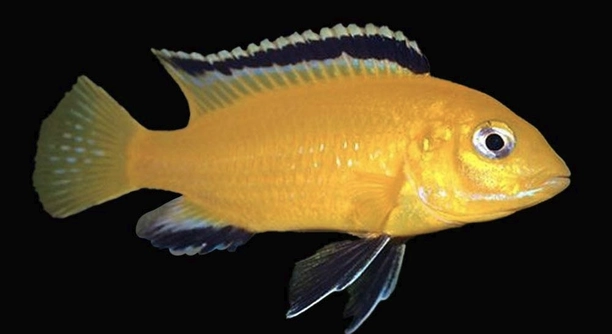
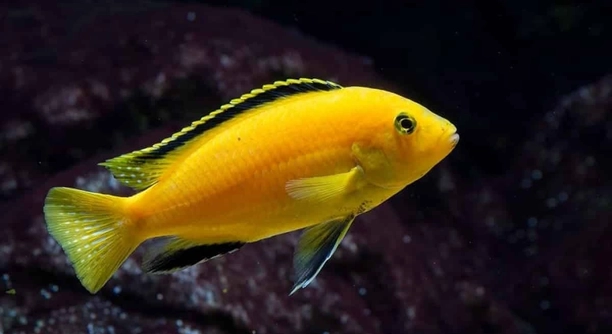
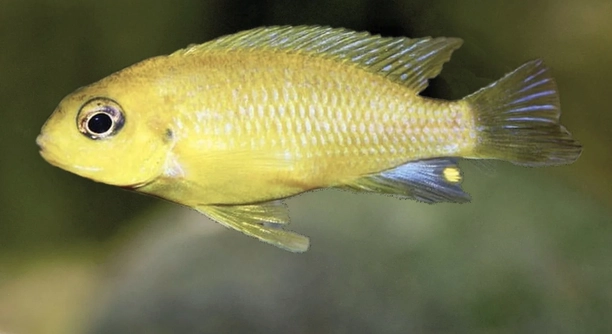
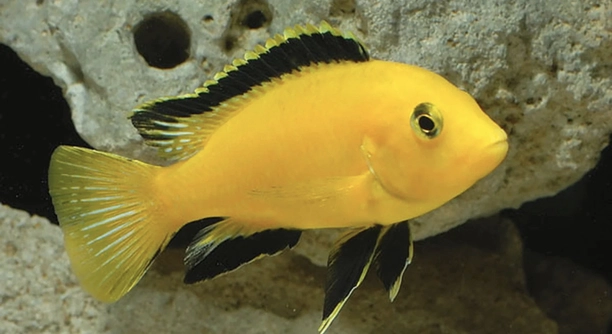
Electric Yellow Cichlid Jerking Movements Explained
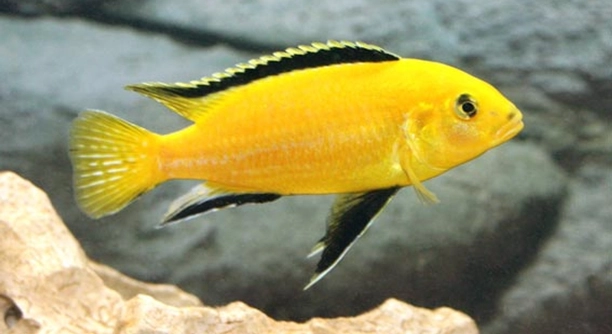
Are your electric yellow cichlids showing sudden jerking movements in the tank? Many aquarists notice this behavior and wonder if it signals a health problem or is just part of normal activity. Understanding these movements can help. Jerking movements in electric yellow cichlids are often caused by environmental stressors, parasites, or water quality issues. Ensuring … Read more
7 Behaviors That Mean a Cichlid Pair Has Bonded

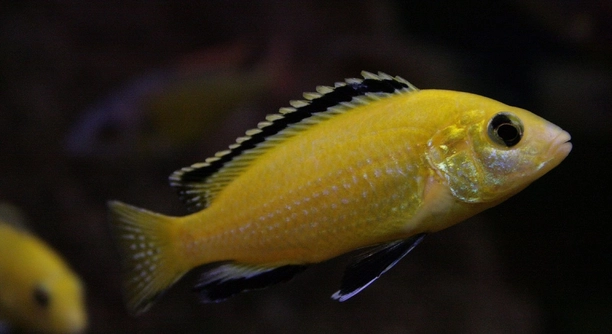
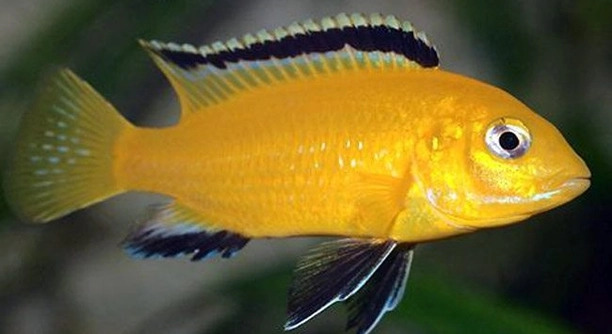
Cichlids are fascinating fish, and observing their behavior can be both relaxing and rewarding. Many aquarists enjoy noticing the subtle interactions between pairs, which often signal the development of a strong bond over time. When a cichlid pair has bonded, they exhibit coordinated swimming, mutual grooming, joint territory defense, synchronized feeding, and shared nesting behavior. … Read more

7 Tank Mates That Influence Mood

Are your aquarium days feeling calm one moment and tense the next? The moods in your tank may be influenced by more than just water conditions and light levels. Certain fish and creatures play a key role. Some tank mates have a strong effect on the overall mood of your aquarium. Peaceful species like tetras … Read more

7 Second Interactions That Decide Territory

Do your everyday interactions shape the way others perceive your personal space and influence your social environment? In just a few seconds, subtle gestures and behaviors can determine boundaries and set the tone for future exchanges. Seven-second interactions play a critical role in establishing territory. Nonverbal cues such as posture, eye contact, and proximity communicate … Read more

7 Traits Electric Yellow Cichlids Share With Mbuna Relatives

Electric Yellow Cichlids are popular in home aquariums for their bright color and lively behavior. They share many characteristics with their Mbuna relatives, which are known for strong social interactions and territorial instincts. Observing these traits can help hobbyists. Electric Yellow Cichlids exhibit shared traits with Mbuna, including territorial behavior, vibrant coloration, complex social structures, … Read more

7 Things Cichlids Learn About Their Owners

Cichlids are more aware of their surroundings than most people think. They watch their owners closely and can recognize daily routines, feeding habits, and even moods. Their behavior often reflects the care and attention they receive. Cichlids can learn a surprising amount about their owners, including feeding schedules, hand movements, personality traits, and emotional states. … Read more

7 Changes to Watch During Cichlid Adolescence

Cichlids grow quickly, and watching them change can be both exciting and confusing. Adolescence is a crucial stage where their appearance and behavior shift, making it important for owners to observe these developments carefully. During cichlid adolescence, owners can expect physical growth, color changes, fin development, shifts in feeding behavior, social hierarchy adjustments, increased territoriality, … Read more

Do Cichlids React to Human Presence Over Time?

Have you ever noticed how cichlids seem to watch you whenever you approach their tank, making you wonder if their reactions change with time as they grow used to your routine at home each day. Cichlids gradually adapt to regular human presence, displaying fewer defensive reactions and more confident movement. Over time, they link predictable … Read more

7 Signs They Feel Overstimulated

Many people encounter situations where their senses feel overloaded, leaving them restless and uneasy. Daily life, social interactions, and constant stimulation can build up quietly, affecting mood, focus, and overall well-being in subtle ways. Overstimulation manifests through a combination of emotional, physical, and cognitive signs. These can include irritability, fatigue, difficulty concentrating, sensory sensitivity, restlessness, … Read more

7 Flicks of the Tail That Shift Attention

Do you ever notice how small gestures can completely change the way people notice you or your actions? Subtle movements often draw attention without you even realizing it, shaping interactions in unexpected ways. A flick of the tail, a glance, or a quick movement can redirect focus and influence perception. These gestures serve as nonverbal … Read more