
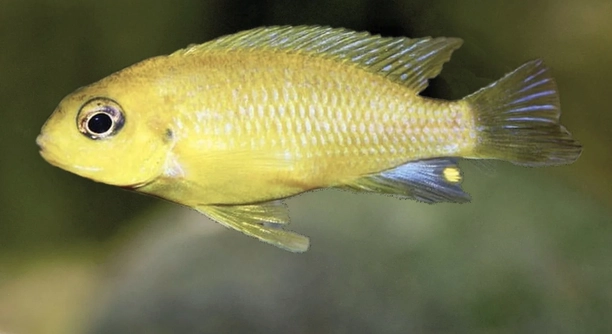
Have you ever noticed how cichlids seem to watch you whenever you approach their tank, making you wonder if their reactions change with time as they grow used to your routine at home each day.
Cichlids gradually adapt to regular human presence, displaying fewer defensive reactions and more confident movement. Over time, they link predictable interactions with safety and feeding, creating observable behavioral shifts that indicate learning, habituation, and increased awareness within the aquarium setting.
These patterns offer a look into how their behavior evolves, encouraging a deeper understanding of their daily interactions and responses.
Understanding Behavioral Changes
Cichlids often show clear signs of adjustment when they become familiar with the people who care for them, and these changes can be easy to notice when you spend time near their tank each day. At first, some may hide behind plants or decorations, keeping a safe distance while they assess what is happening around them. With steady routines, they start moving with more confidence, approaching the front of the tank as they recognize patterns tied to feeding and calm behavior. Their awareness becomes more noticeable as they observe movements outside the glass, reacting less to sudden shifts and more to expected actions. Over time, this creates a comfortable space where they feel secure enough to swim freely without hesitation. Watching these responses build gives a better understanding of how their minds adjust and how daily interactions shape their behavior in small but important ways each day adds subtle changes.
These steady adjustments show how sensitive cichlids are to repeated interactions and how their behavior reflects a growing sense of safety around familiar movement. Noticing these shifts helps create a more supportive environment that encourages calm activity and reduces unnecessary stress inside the tank with simple daily habits guiding them.
As cichlids continue adjusting to human presence, their responses offer useful clues about their comfort level and overall well being. You may notice smoother swimming, quicker feeding reactions, and fewer signs of hiding as they learn to expect predictable activity outside the glass. These changes are often subtle but meaningful, showing how much routine can guide their behavior. By paying attention to these shifts, you can make easier choices about spacing, lighting, and feeding patterns. Over time, these careful observations help strengthen their sense of security, allowing them to move through their habitat with steady confidence and peaceful daily behavior.
Long Term Behavioral Shifts
Cichlids react strongly to routine changes, and consistent interaction helps shape their long term behavior. Each repeated movement near the tank becomes part of what they expect, reducing defensive actions and helping them focus on normal activity instead of reacting to sudden shifts in their surroundings each passing day gently.
Long term exposure to human presence creates steady behavioral patterns in cichlids that reveal how they learn from repeated experiences. When movements near the tank follow predictable routines, these fish begin to respond with less caution and more controlled interest, showing that they connect familiar actions with safe outcomes. Feeding schedules, gentle approaches, and calm surroundings all contribute to their sense of stability, allowing them to shift from defensive behavior to confident exploration. Over time, cichlids become more willing to approach the front of the tank, respond quickly at feeding times, and swim openly without frequent hiding. These reactions are small at first, but they build into reliable habits that reflect learning shaped by consistency. By keeping their environment stable and reducing sudden disturbances, you help reinforce patterns that support their comfort. This steady exposure gives them room to recognize your presence as a normal part of their space, which encourages a peaceful rhythm that benefits their long term behavior and overall well being within the aquarium. This gradual shaping of their reactions highlights how simple routines can influence their daily choices and create lasting patterns that remain steady even when other factors shift slightly in their environment each day.
Environmental Factors That Influence Their Reactions
Cichlids respond to human presence differently when their environment supports calm behavior and steady routines. Stable lighting gentle movement near the tank and predictable feeding patterns help them feel secure allowing their reactions to remain consistent. Small changes can shift their comfort and influence how they respond daily each day.
A balanced environment supports smoother reactions by reducing unnecessary stress that might develop from sudden noise or unpredictable activity. When the room remains calm cichlids tend to move with more confidence showing clearer signs of comfort. They learn to rely on familiar actions outside the glass linking routine behavior with safety. Soft lighting steady temperatures and limited disturbances help them maintain relaxed patterns as they observe you. Over time these consistent conditions allow them to focus on normal swimming and feeding rather than reacting sharply to quick movements. This foundation encourages predictable behavior that becomes easier to understand for you.
Environmental structure also plays a role in how cichlids respond to the people around them. When the tank includes hiding spots open swimming areas and stable decorations they can choose where to settle based on their comfort level. This flexibility reduces tension helping them remain steady even when someone approaches the tank. As they grow used to repeated movement their reactions soften and their awareness increases. Over time they learn to separate harmless activity from sudden disturbances allowing them to navigate their surroundings with a calm pace. These subtle responses reflect how closely environment shapes their behavior each day in practice.
How Routine Shapes Their Comfort
Cichlids adjust more effectively when daily patterns remain steady giving them a sense of predictability each time you move near their tank. Regular feeding times and calm behavior support smoother reactions helping them identify familiar cues. This steady rhythm reduces unnecessary stress and builds confidence as they learn what to expect with simple movements and gentle signals becoming part of their daily experience inside the tank while maintaining a clear sense of safety and routine.
A stable routine guides cichlids toward predictable responses that reflect their growing comfort with human presence. When actions around the tank remain steady these fish begin forming associations that help them recognize harmless behavior. Over time they respond with smoother swimming reduced hiding and clearer focus on their surroundings. Repeated cues such as slow approaches and regular feeding teach them that familiar movement signals safety rather than risk. This consistent exposure strengthens their ability to assess what is normal and what requires caution. By maintaining a calm environment you allow their instincts to adjust gradually shaping steady habits that align with their expectations each day and giving them room to settle comfortably as they observe regular movement outside the glass with less hesitation and more.
Factors That Shape Their Behavior
Cichlids show clearer reactions when their tank setup remains stable and predictable, allowing them to focus on familiar activity rather than sudden changes. When you move near the glass with steady patterns, they form comfortable habits that reflect their growing trust in repeated behavior and consistent surroundings each new day.
Over time these habits help cichlids respond with smoother movement and less hiding as they interpret your presence as part of their normal environment. Calm routines guide their reactions, creating a steady pattern that makes their behavior easier to understand and adjust within simple daily care practices each passing day.
Consistency and Behavioral Stability
Predictable human activity becomes a strong part of how cichlids navigate their surroundings, shaping the way they move and react throughout the day. When they recognize steady patterns, they shift their focus toward normal behavior instead of reacting with caution. This steady familiarity helps them link your movements with safe outcomes, allowing them to settle comfortably within their space. Over time these responses develop into clear habits that show how well they adjust to repeated cues. By keeping your actions calm and consistent, you reinforce patterns that guide their comfort and encourage stable behavior that remains steady even during changes in activity.
Observing Clear Patterns
These observed reactions highlight how much consistency shapes their comfort, showing clear patterns forming as they learn to trust familiar movement. When your actions stay predictable, their responses soften and become easier to read, helping you support a calm environment that encourages stable behavior inside their tank every single day.
FAQ
Do cichlids eventually recognize the person who feeds them?
Cichlids can form simple associations that help them connect your presence with feeding time. When you approach the tank consistently at similar times each day, they begin to react with clear anticipation. You may notice them swimming toward the front of the glass, focusing on your movements, or displaying more active behavior as they wait for food. These actions reflect learned patterns rather than deep recognition, but they still show that cichlids pay attention to routines. With time, they grow more responsive to regular interactions, creating noticeable changes in how they behave around the person who feeds them most often.
Why do some cichlids hide when someone approaches the tank?
Hiding is a normal response for many cichlids, especially when they are new to a tank or unfamiliar with the activity around them. Quick movements, loud noises, or sudden changes in lighting can startle them easily. Over time, as they observe repeated patterns and recognize harmless behavior, they often hide less. Stable surroundings, slow approaches, and predictable care help reduce these reactions. When they feel secure, their confidence grows, and they begin to explore more openly rather than retreating into cover.
Can cichlids become stressed from too much human interaction?
Too much activity near the tank can lead to stress, especially in smaller environments or setups without enough hiding places. Frequent tapping, sudden movement, or unpredictable routines can make them feel unsettled. Keeping interactions calm and steady helps them stay relaxed. When they have places to hide and time to settle, they adjust better to human presence. Balanced interaction supports their comfort, allowing them to develop stable behavior without feeling overwhelmed by constant activity.
Do cichlids behave differently depending on the time of day?
Cichlids often follow daily patterns influenced by lighting, feeding times, and general household activity. During quiet hours they may display calmer movement, while feeding periods bring more energetic behavior. As they learn your routine, their reactions shift to match these predictable patterns. When their tank environment stays consistent, their behavior becomes easier to read. These day to day rhythms help guide their comfort levels and shape how they respond to what happens outside the tank.
How long does it take for cichlids to adjust to human presence?
Adjustment time varies based on personality, species, and environment. Some may relax within a few days, while others need several weeks to gain confidence. Consistent feeding schedules, stable lighting, and gentle movement near the tank help them adapt more quickly. When they feel secure, their reactions improve, showing smoother swimming, reduced hiding, and clearer engagement. This gradual adjustment reflects how routine shapes their comfort and helps them build predictable habits.
Does tank layout affect how cichlids respond to people?
Tank layout has a strong influence on their reactions. When the setup includes enough hiding areas, open swimming space, and stable decorations, cichlids feel more secure. This sense of control lowers stress when someone approaches the tank. With a comfortable layout, they are less likely to panic or hide suddenly. Over time, a supportive environment encourages calm responses toward familiar movement outside the glass.
Why do cichlids sometimes rush to the glass when someone walks by?
This behavior often comes from learned associations. If someone regularly feeds them or interacts near the tank, they begin linking footsteps and movement with positive experiences. Even when you are not feeding them, they may react as if you are approaching with food. This anticipation shows how closely they observe daily routines. As long as the environment stays calm, this behavior reflects comfort rather than stress.
Can cichlids learn to ignore unfamiliar people?
Cichlids may react cautiously to unfamiliar individuals, especially if the movement is sudden or different from what they expect. With repeated exposure to new people who behave calmly, they may adjust and show fewer defensive reactions. Their comfort grows when interactions remain predictable, allowing them to understand that not all movement signals risk. This gradual learning helps them maintain stable behavior even when new people spend time near the tank.
Final Thoughts
Cichlids can reveal a lot about how steady routines and familiar surroundings gradually shape their behavior, and watching these changes develop can feel rewarding when you spend time near their tank each day. Their reactions may seem small at first, but they build into clear patterns that show how they adapt to the presence of people in simple and steady ways. When you keep your movements calm and predictable, they begin linking your presence with safety and regular care. Their swimming becomes smoother, their hiding decreases, and their awareness becomes easier to notice as they adjust to what they see outside the glass. These shifts help you understand how sensitive they are to repeated experiences, and how much their comfort depends on stability. By watching these details unfold, you gain a better idea of how they interpret their surroundings. This helps create a space where they can settle into their daily rhythm without unnecessary stress. Their behavior changes gently, shaped by routine and supported by the environment you create.
As time passes, the influence of regular patterns becomes clearer, showing how even small habits play a role in guiding their comfort. Cichlids respond strongly to consistency, and they learn from simple actions repeated each day. When your feeding times stay steady and your movements remain soft, they begin to interpret these cues as normal parts of their environment. This encourages them to approach the front of the tank with more confidence, exploring without the hesitation they might display in unfamiliar conditions. Their curiosity grows as they observe what happens around them, but it grows only when they feel secure. This is why stability in lighting, noise levels, and tank layout matters so much. Each element supports their ability to relax and behave naturally. Their reactions are not only shaped by your presence but also by how the environment allows them to choose when to hide and when to swim openly. The more consistent these conditions remain, the more reliably their behavior reflects comfort instead of caution.
In the long run, these changes show how important it is to maintain steady routines that help cichlids understand what to expect each day. Their ability to adjust depends on the signals they receive from both their surroundings and the people who care for them. This creates a foundation that supports calm behavior and reduces stress, allowing their natural patterns to appear clearly. When you pay attention to these small signs, you can respond more easily to their needs and create an environment that suits them. Their behavior becomes a useful guide, helping you fine tune their habitat and daily care in simple ways. Over time, this leads to a stable atmosphere where they can thrive. Understanding these details does not require complex steps, only patience and steady habits. As their responses grow more predictable, you gain a clearer picture of how human presence influences them. This helps you support their well being while appreciating the thoughtful and gentle ways they learn to adapt to the routines around them.

Hello,
If you enjoy the content that we create, please consider saying a "Thank You!" by leaving a tip.
Every little bit helps us continue crafting quality advice that supports the health, happiness, and well-being of pets around the world, for pets of all shapes, sizes, and species.
We really appreciate the kindness and support that you show us!